Yes — you will need ETIAS for Bulgaria and Romania once the system starts — the EU has not yet set an official launch date. Both countries became full members of the Schengen area in 2025, so the €20 travel authorisation that applies across the zone will apply to them too, for every visa-exempt visitor. Here is what changed, and what it means for your trip.
TL;DR: Bulgaria and Romania joined Schengen fully on 1 January 2025. Once ETIAS launches (no official date yet; reports point to 2027), visa-free travellers such as Americans, Canadians and Australians will need an ETIAS to visit either country. It costs €20, lasts three years, and your days there now count under the shared Schengen 90/180 limit. You cannot apply yet.
| Quick Facts: ETIAS, Bulgaria and Romania | Detalle |
|---|---|
| Both covered by ETIAS? | Yes — full Schengen members |
| Schengen since | Air/sea March 2024, land 1 January 2025 |
| Tasa | €20 (gratuito menores de 18 y mayores de 70) |
| Validez | 3 años, o hasta la expiración del pasaporte |
| Day count | Shared Schengen 90/180 clock |
| Lanzamiento | No official date yet (Q4 2026 target dropped) |
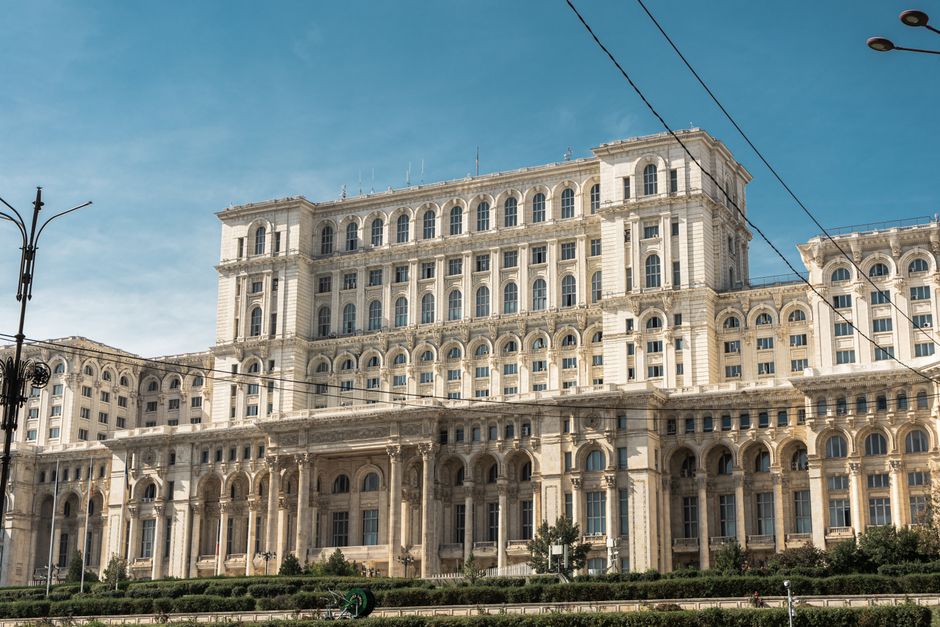
For years, Bulgaria and Romania sat in an odd halfway house: EU members, but outside Schengen, with passport queues at their borders. That ended in 2025. If you want the broader context, our guide to qué es ETIAS y el Lista completa de países ETIAS cover the whole zone. This article zooms in on the two newest members.
ETIAS se lanza a finales de 2026 — sé el primero en enterarte
Un correo electrónico el día que se abran las solicitudes. Sin spam.
Do you need ETIAS for Bulgaria and Romania?
You need ETIAS for Bulgaria and Romania if you hold a passport from a visa-exempt non-EU country and plan to travel once ETIAS launches. That covers US, UK, Canadian, Australian and dozens of other nationalities. EU and EEA citizens are exempt, as are holders of a valid Schengen residence permit or long-stay visa.
Because both countries are now inside Schengen, they belong to the 30 states covered by ETIAS (Páginas ETIAS de la Comisión Europea, accessed 8 July 2026). A single authorisation works for both, and for the rest of the zone. Confirm your nationality first: our guides for Ciudadanos estadounidenses y Ciudadanos del Reino Unido lay out each case, and the lista de nacionalidades elegibles shows who qualifies for visa-free travel in the first place.
Worth stressing: ETIAS is not a visa and not a reaction to the accession. It is a pre-travel check that every visa-exempt visitor to the zone will complete, whether they land in Sofia, Bucharest or Berlin. The accession simply means Bulgaria and Romania now fall inside that single system rather than running their own entry rules on the side.
What changed: Bulgaria and Romania joined Schengen
Bulgaria and Romania lifted air and sea border checks on 31 March 2024, then removed land-border controls on 1 January 2025, completing their entry into Schengen. That makes them the newest full members of the zone and pulls them squarely under the ETIAS rules once the system launches.

The change was a long time coming. Both joined the EU back in 2007, then waited more than 17 years for full free movement (EU Home Affairs sobre la zona de Schengen, accessed 8 July 2026). Croatia had already joined in January 2023, so the 2025 step left Cyprus and Ireland as the only EU countries still outside the zone.
What does that mean on the ground? At Sofia and Bucharest airports, flights from other Schengen countries now arrive without passport control, the same as a flight from Madrid to Amsterdam. Land crossings from Hungary or Greece no longer stop for checks. The practical upshot for non-EU visitors is simple: once ETIAS is live you clear one check before you travel, then move freely once you are inside.
| País | EU member since | Full Schengen since |
|---|---|---|
| Bulgaria | 2007 | 1 de enero de 2025 |
| Rumanía | 2007 | 1 de enero de 2025 |
| Croacia | 2013 | 1 January 2023 |
Not keen on wrestling with the online form when it opens? You can apply directly on the official EU portal for €20, or let our team check and submit your answers for you. Both routes lead to the same authorisation.
How the shared 90/180 day count now works
Now that Bulgaria and Romania are inside Schengen, your time there counts against the same 90-days-in-180 limit as France, Germany or Spain. This differs from before 31 March 2024, when each country ran a separate count. Plan a long Balkan trip carefully so you do not overstay the shared allowance.

Consejo profesional: Say you spend 40 days touring Romania and Bulgaria in spring, then want three weeks in Italy that autumn. All of it now draws from the same 90-day pot. Keep a running total from your first Schengen entry, not per country.
Our guide to the Regla de los 90/180 días walks through the maths with examples, and the ETIAS versus Schengen guide explains where the borders sit. Touring wider? The Balkans route guide maps a sensible itinerary.
Cost, validity and how to apply for ETIAS
ETIAS costs €20 and covers both Bulgaria and Romania on one application, valid for three years or until your passport expires. Under-18s and over-70s pay nothing. Applying online will take 10 to 20 minutes, with most approvals arriving within minutes of payment.

- Espera al lanzamiento. The portal is not live and the EU has not yet announced a launch date — see our guía de fecha de lanzamiento. No genuine site accepts applications yet.
- Ready your passport. A biometric passport valid for the trip, plus the documents you’ll need.
- Fill in the form. Passport data, your first country of entry, and background and security questions (criminal record, conflict zones, past removal orders) (quién debe solicitar, Comisión Europea, accedido 8 julio 2026).
- Paga €20. The fee was fixed by the Commission in July 2025 (fee announcement). Children and older applicants are exempt.
- Watch your inbox. Approval is usually instant; some cases take up to 30 days. Track a slow one via the cronograma de aprobación.
For the numbers in detail, see our guía de costos y formas de pago. Worried your passport runs out mid-window? The guía de validez covers it.
Practical tips for a Bulgaria and Romania trip
A joint Bulgaria-Romania trip is easy to combine now that internal borders are open. Apply for ETIAS early, count your Schengen days from the first entry, and arrange travel insurance separately, since the authorisation does not cover healthcare.

- One authorisation, two countries: you don’t need a separate ETIAS for each. One €20 approval covers Sofia, Bucharest and beyond.
- Overland travel: the Danube bridges between the two are now check-free, so a Bucharest-to-Sofia bus no longer stops for passports.
- Insurance gap: ETIAS is not health cover. See our guía de seguros antes de hacer su reserva.
- Requirements refresher: unsure what you need? The guía de requisitos lists every condition.
- Peak season: Black Sea beaches in August and Transylvania in autumn draw crowds. Apply for ETIAS a week or two ahead so a flagged application never derails a booked trip.
One more point for anyone who travelled here before 2024: the old separate passport stamps are gone. A Romanian entry stamp no longer sits apart from your Schengen record, so the single 90/180 count is the only clock that matters now. Miscounting it is the easiest mistake to make on a long regional tour.
Rather not fill in the form yourself? We can review and submit your application, which older travellers often say removes the worry around the security questions. We are an independent assistance service, not a government body — applying directly on the official EU portal is always an option.
Preguntas frecuentes
Do I need ETIAS for Bulgaria and Romania as a US citizen?
Yes. Once ETIAS launches (no official date yet), US citizens and other visa-exempt travellers need an ETIAS to visit Bulgaria or Romania. One €20 application covers both, lasts three years, and takes minutes online.
When did Bulgaria and Romania join Schengen?
They lifted air and sea checks on 31 March 2024 and land-border checks on 1 January 2025. That completed full Schengen membership, roughly 17 years after both joined the EU in 2007.
Does one ETIAS cover both countries?
Yes. A single ETIAS covers Bulgaria, Romania and every other country in the zone. You do not apply separately for each. One approval, valid up to three years, works for the whole area.
Do my days in Bulgaria count towards the Schengen 90-day limit?
Yes, now that both are full Schengen members. Time in Bulgaria and Romania draws from the same 90-days-in-180 allowance as the rest of the zone. Keep one running total.
¿Puedo solicitar ya el ETIAS?
No. The portal has not opened. No launch date has been announced yet; the EU has dropped its earlier last-quarter-of-2026 target. Sites claiming to take applications today are not legitimate, so wait for the official europa.eu launch.
How much does ETIAS cost for children?
Nothing. Applicants under 18 and over 70 are exempt from the €20 fee. They still need their own approved ETIAS tied to a valid passport before crossing the border.
Is Croatia also covered by ETIAS?
Yes. Croatia joined Schengen in January 2023 and sits on the ETIAS list too. If your trip pairs Croatia with Bulgaria or Romania, one authorisation covers the lot.
Anna Reinholt es Editora de Documentación de Viajes en europe-visa.eu y ha escrito sobre documentos de viaje europeos desde 2017. Esta guía fue verificada contra fuentes oficiales de la UE antes de su publicación.
Last updated: 2026-07-08 — verified against official EU sources.
 English
 Shqip
 العربية
 Français
 ქართული
 עִבְרִית
 简体中文
 香港中文
 繁體中文
 Español
 Português do Brasil
 日本語
 한국어
 Bahasa Melayu
 Українська
 Română
 Српски језик
 Türkçe