La détection du dépassement de séjour par l'EES est automatique : le système d'entrée/sortie (Entry/Exit System) enregistre une entrée et une sortie horodatées pour chaque voyage, compte vos jours selon la règle des 90 en 180, et déclenche une alerte dès que vous dépassez la limite. Depuis que le système est devenu pleinement opérationnel le 10 avril 2026, les agents des frontières ne s'appuient plus sur les tampons à l'encre ou le calcul mental. Ce guide explique comment fonctionne cette détection, ce qu'une alerte déclenche, et ce qu'il faut faire si le dossier est inexact.
TL;DR: Le système EES calcule votre durée autorisée de séjour à travers chaque voyage Schengen et signale toute personne ayant dépassé 90 jours dans une fenêtre glissante de 180 jours. Un dépassement de séjour ajoute un marqueur à votre dossier, prolonge la conservation des données à cinq ans et peut être détecté lors de votre prochain franchissement. Vous pouvez demander une copie de votre dossier et corriger les erreurs authentiques.
| Faits rapides (dépassements EES, 2026) | Détail |
|---|---|
| Limite de séjour suivie | 90 jours par période de 180 jours |
| Méthode de détection | Automatique — chaque entrée/sortie horodatée |
| Enregistrement après dépassement de séjour | Conservé 5 ans (contre 3 ans en standard) |
| Remplacé par EES | Timbre manuel sur le passeport |
| Pleinement opérationnel depuis | 10 avril 2026 |
Points clés en un coup d'œil :
ETIAS lancé fin 2026 — soyez parmi les premiers informés
Un e-mail le jour de l'ouverture des demandes. Pas de spam.
- EES calcule automatiquement les jours restants de chaque voyageur selon la règle des 90/180 jours et signale les dépassements (portail de voyage de la Commission européenne).
- Le système, créé par le Règlement UE 2017/2226, remplacé les timbres manuels du passeport le 10 avril 2026.
- Un dépassement de séjour prolonge la conservation des données de trois à cinq ans.
- Chaque entrée et sortie est enregistrée avec un horodatage et un lieu de passage frontalier dans une base de données centrale gérée par eu-LISA.
- EES suit les jours ; le les pénalités pour un dépassement de séjour sont fixées séparément par chaque État membre.
Le changement est particulièrement important pour les visiteurs réguliers qui avaient l'habitude de perdre le fil de leurs jours. Si vous voulez la méthode de comptage elle-même, notre guide de la règle 90/180 jours explique les mathématiques ; cet article se concentre sur la façon dont le système détecte une erreur.
Comment fonctionne la détection de dépassement de séjour du SES ?
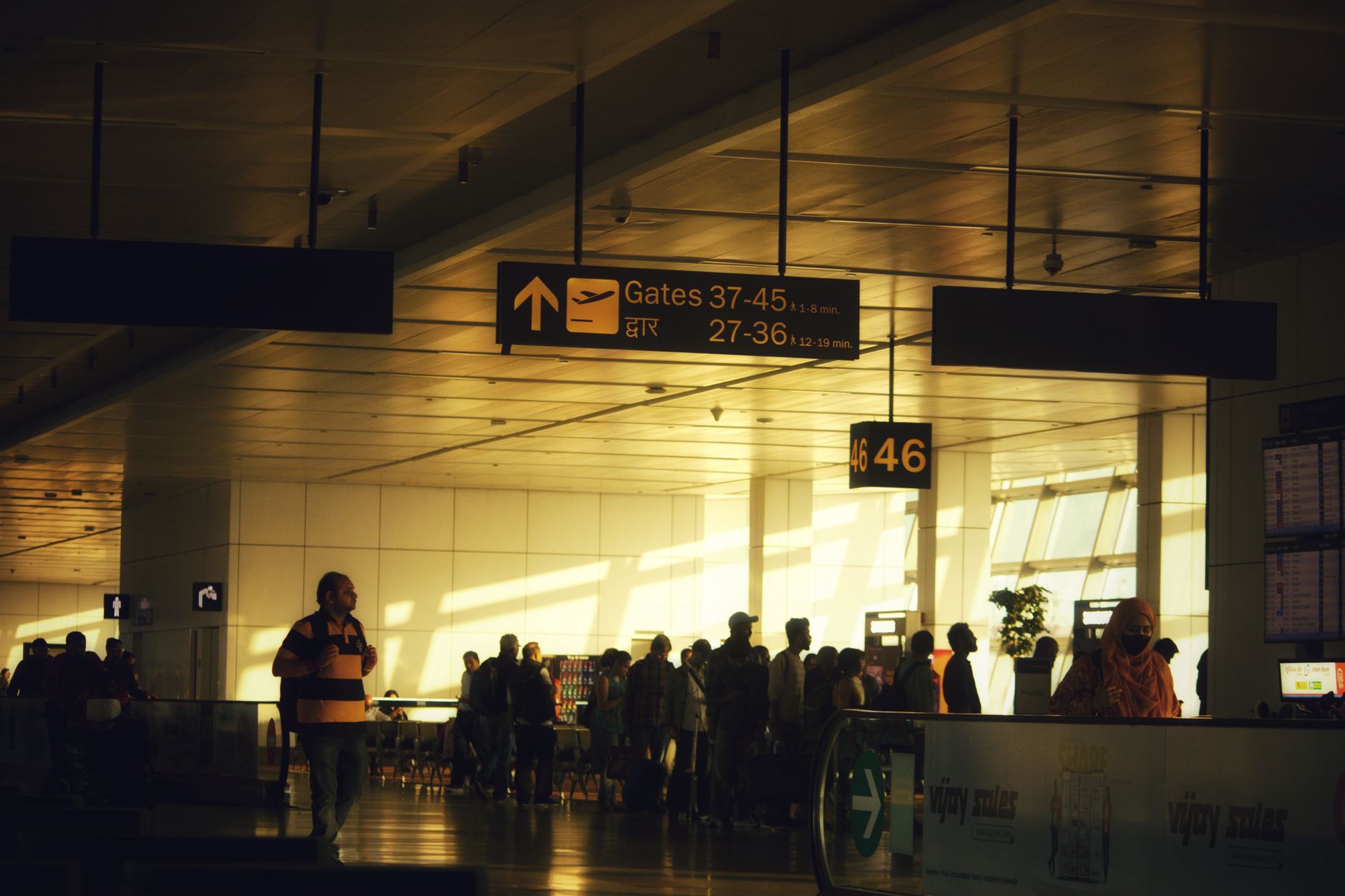
La détection de dépassement de séjour du SES fonctionne en enregistrant chaque passage et en effectuant le calcul à votre place. À l'entrée, le système enregistre la date, l'heure et la frontière ; à la sortie, il fait de même. Il totalise ensuite vos jours à l'intérieur de l'espace Schengen sur une fenêtre glissante de 180 jours et compare cela au plafond de 90 jours. Si vous dépassez cette limite, le dossier est signalé automatiquement, sans qu'aucun agent n'ait besoin de le détecter.
Imaginez un nomade numérique qui fait des allers-retours entre Lisbonne, Berlin et Athènes sur six mois. Selon l'ancien système, trois timbres à peine par passeport rendaient le comptage des jours approximatif. Maintenant, chaque déplacement est un enregistrement précis. Lorsque son total cumulé atteint le jour 91 dans une fenêtre de 180 jours, le Entry/Exit System enregistre un dépassement de séjour contre leur identité. Le calcul est le même à chaque frontière, car les données sont centralisées, non stockées pays par pays.
C'est pourquoi le système semble plus strict même si la règle 90/180 elle-même n'a pas changé. La précision a remplacé l'approximation. Pour les voyageurs traversant par différents itinéraires, notre note sur règles d'entrée par voie aérienne, terrestre et maritime explique où les scans d'entrée et de sortie se font, et guide des aéroports par rapport aux frontières terrestres couvre le détail du kiosque.
Pourquoi le timbre à l'encre laissait les dépassements de séjour passer inaperçus — et EES ne le fait pas
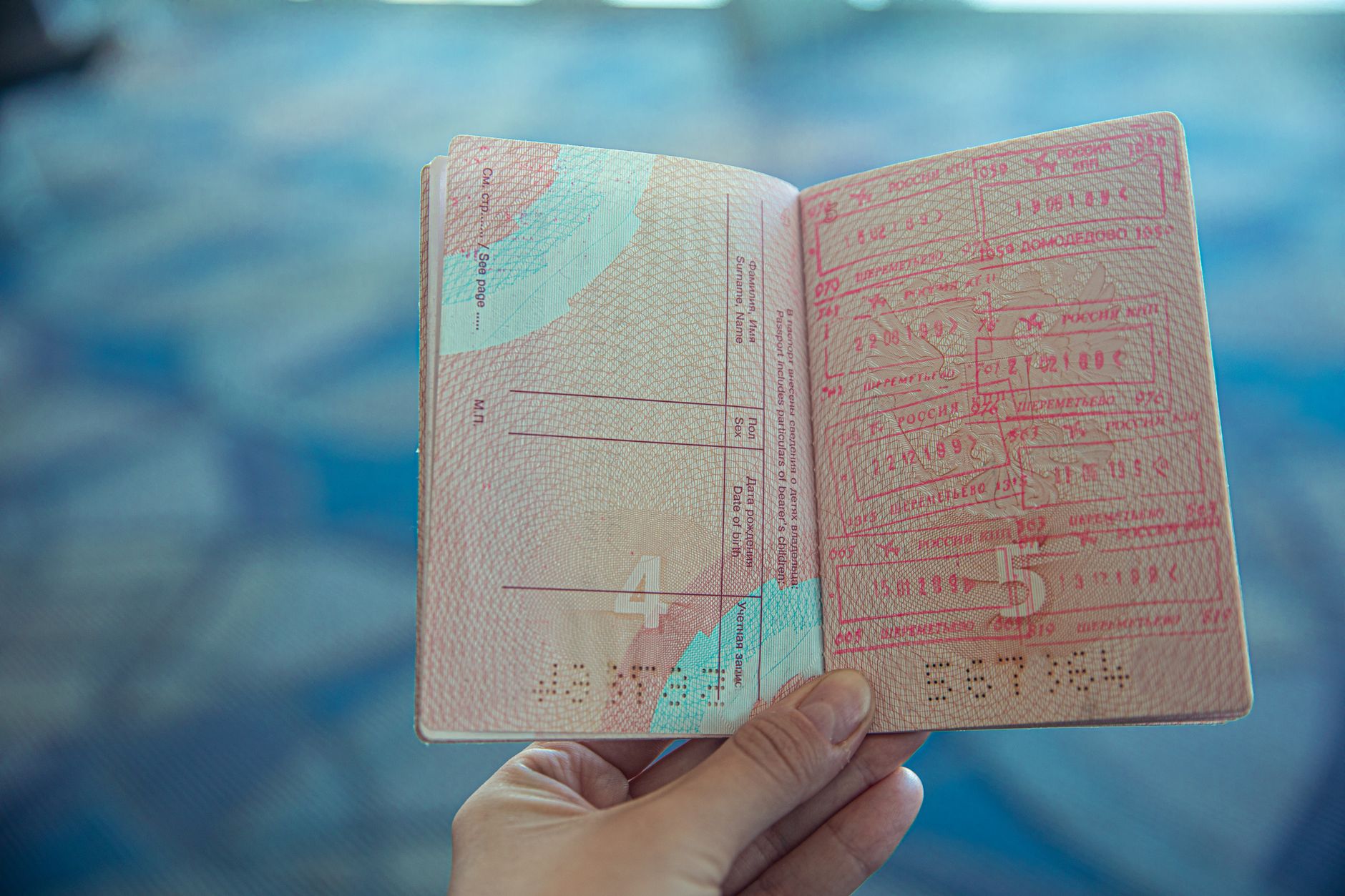
L'ancien timbre de passeport était facile à manquer, à tacher ou à mal lire, de sorte que de nombreux dépassements de séjour n'étaient pas détectés à moins qu'un agent ne parcoure manuellement les pages et n'effectue le calcul. Le EES élimine cet écart humain : l'enregistrement est numérique, complet et calculé instantanément. Il n'y a pas de timbre manquant pour se cacher derrière et aucune encre effacée à contester.
Considérez un quasi-incident courant. Un retraité répartit ses hivers entre la France et une maison en dehors de l'UE, dépassant de quelques jours les 90 jours la plupart des années. Le personnel des frontières l'a rarement détecté à partir des timbres seuls. À partir de 2026, le même schéma produit un signalement automatique à la porte de sortie, car le système connaît déjà le total cumulatif. Le programme des frontières intelligentes de la Commission a conçu le EES précisément pour combler cet écart.
Conseil de pro : Ne supposez pas qu'un court dépassement de séjour passera inaperçu comme cela aurait pu être le cas autrefois. Même un excédent de deux jours est désormais enregistré. Si vous êtes proche de votre limite, réservez le vol de départ avec une marge — une grève ou une connexion annulée ne doit pas être ce qui vous fait basculer dans un enregistrement de dépassement de séjour.
Tout le monde ne se fait pas surprendre, cependant. Les voyageurs qui suivent leurs propres jours restent facilement clairs, et des outils comme le calculateur de jours officiel aident. Le changement est simplement que la marge d'erreur a disparu. Notre guide sur procédures aéroportuaires montre ce que le contrôle à la sortie implique désormais.
Ce qui se passe lorsque l'EES signale un dépassement de séjour
Lorsque l'EES signale un dépassement de séjour, un marqueur est attaché à votre dossier et votre conservation des données s'étend de trois à cinq ans. À votre prochain passage, un agent des frontières voit le signalement et peut vous interroger, refuser l'entrée ou appliquer une sanction nationale. L'amende spécifique ou l'interdiction d'entrée dépend de l'État membre, non de l'EES lui-même, qui fournit uniquement la preuve.
Gardez les deux niveaux séparés. L'EES est le détecteur ; les conséquences relèvent de la loi de chaque pays. Un premier dépassement de séjour court et bien justifié pourrait n'attirer qu'un avertissement à une frontière, tandis qu'un dépassement plus long ou répété peut signifier une amende ou une interdiction de réentrée ailleurs. Pour les sanctions réelles, notre analyse détaillée de Pénalités de dépassement de séjour Schengen couvre les amendes et les interdictions d'entrée pays par pays. Le dossier de cinq ans alimentera également la façon dont vos données frontalières sont stockées.
Une fois qu'ETIAS ouvrira plus tard en 2026, un précédent dépassement de séjour pourrait également peser sur une décision d'autorisation de voyage. Préférez ne pas remplir ce formulaire seul quand le moment viendra ? Notre équipe peut examiner vos détails et soumettre la candidature pour vous — utile si vous aidez des proches âgés ou un groupe. europe-visa.eu est un service indépendant d'information et d'assistance, non un organe gouvernemental ; vous pouvez postuler directement sur le portail officiel de l'UE (€20, gratuit pour les moins de 18 ans), ou utiliser nos services de vérification et d'assistance.
Signalé à tort ? Comment vérifier et corriger votre dossier EES

Si vous pensez qu'un signalement de dépassement de séjour est erroné — par exemple, une lecture de sortie a échoué et le système pense que vous n'avez jamais quitté — vous pouvez demander votre dossier EES et demander une correction. Des erreurs se produisent : un kiosque défectueux, une sortie manuelle manquée, ou un passeport mal appairé peut laisser ouvert un séjour fantôme. Agir tôt, avant votre prochain voyage, empêche un problème informatique de devenir un conflit à la frontière.
Le parcours de correction est simple :
- Contactez l'autorité nationale de protection des données ou l'agence frontalière d'un pays Schengen que vous avez traversé.
- Prouvez votre identité avec une copie de passeport, et décrivez l'erreur avec des dates et des preuves telles que des cartes d'embarquement.
- Demandez l'accès, puis une correction ou suppression de l'entrée incorrecte, et conservez le numéro de référence écrit.
Les preuves sont votre meilleur allié. Conservez les cartes d'embarquement, les tampons de sortie des pays non-Schengen, et les reçus d'hôtel qui prouvent où vous étiez. Un voyageur qui a volé d'Athènes à Istanbul mais dont la sortie EES n'a pas été enregistrée peut présenter la carte d'embarquement suivante pour prouver le départ. Parce que chaque accès à la base de données est enregistré par eu-LISA, le processus de correction laisse également une piste d'audit.
Rester dans les 90/180 maintenant que l'EES compte précisément

Rester conforme est plus simple que la technologie ne le paraît : comptez vos jours honnêtement, laissez une marge de sécurité, et ne planifiez jamais une sortie pour exactement le 90e jour. Parce que la détection de dépassement du système EES est désormais précise, la décision sûre est de traiter 90 jours comme une limite stricte et de viser 85. Un vol annulé le 89e jour ne devrait pas pouvoir vous faire basculer dans un signalement.
Trois habitudes maintiennent les visiteurs fréquents à l'écart des problèmes. Premièrement, enregistrez vos dates d'entrée et de sortie vous-même plutôt que de compter sur votre mémoire. Deuxièmement, planifiez en tenant compte des perturbations — les grèves de décembre et les conditions hivernales ont bloqué des voyageurs auparavant, comme l'indique notre guide des règles d'entrée . Troisièmement, quand ETIAS sera lancé, préparez-le tôt. Notre guide de candidature étape par étape, le guide des tarifs 2026, le liste de vérification des documents, et le Calendrier Q4 2026 répondre aux questions que les voyageurs posent le plus souvent.
Questions fréquemment posées
Comment la détection des dépassements de séjour EES m'attrape-t-elle réellement ?
L'EES enregistre une entrée et une sortie horodatées pour chaque voyage Schengen, totalise vos jours sur une fenêtre glissante de 180 jours, et signale automatiquement tout séjour de plus de 90 jours. Aucun officier n'a besoin de le détecter — le système effectue le calcul et déclenche l'alerte.
La détection du dépassement de séjour par l'EES est-elle plus stricte que l'ancien système de timbrage ?
En effet, oui. La règle 90/180 est inchangée, mais la détection est désormais précise au lieu d'être approximative. Les timbres de passeport estompés ou manquants laissaient autrefois passer les courts dépassements de séjour ; l'EES enregistre chaque passage numériquement, de sorte que la marge d'erreur a disparu.
Que devient mon dossier après un dépassement de séjour ?
Un marqueur est ajouté et votre conservation de données s'étend de trois ans à cinq ans. Le signal peut être vu aux futurs passages, où un officier peut vous questionner, vous refuser l'entrée, ou appliquer une sanction nationale selon le pays.
L'EES fixe-t-il l'amende pour un dépassement de séjour ?
Non. Le système EES détecte et enregistre uniquement le dépassement de durée de séjour. L'amende réelle ou l'interdiction d'entrée est fixée par la loi propre à chaque État membre, ce qui explique pourquoi les pénalités varient dans l'espace Schengen.
La détection de dépassement de séjour par l'EES peut-elle faire une erreur ?
Oui, occasionnellement. Un scan de sortie échoué ou un passeport mal assorti peut laisser un séjour ouvert que vous avez en réalité terminé. Vous pouvez demander votre dossier et demander une correction, idéalement avec des preuves comme vos cartes d'embarquement, avant votre prochain voyage.
Comment vérifier ce que mon dossier EES dit ?
Contactez l'autorité nationale de protection des données ou l'agence frontalière d'un pays Schengen que vous avez traversé, prouvez votre identité avec une copie du passeport, et demandez l'accès. Vous pouvez ensuite demander des corrections et conserver le numéro de référence écrit.
Un dépassement de séjour antérieur affectera-t-il ma demande ETIAS ?
C'est possible. ETIAS n'est pas encore ouvert — l'UE l'attend au Q4 2026 à €20 — mais une fois en service, un dépassement de séjour enregistré pourrait être pris en compte dans une décision d'autorisation. Corriger toute erreur rapidement est judicieux.
Quel est le moyen le plus sûr d'éviter un signalement de dépassement de séjour ?
Traitez 90 jours comme un plafond absolu et visez environ 85, comptez vos propres dates d'entrée et de sortie, et prévoyez une marge pour les retards. Ne programmez jamais votre départ pour le 90e jour exactement, car un vol annulé pourrait vous faire dépasser.
À propos de l'auteur : Anna Reinholt écrit sur les documents de voyage européens depuis 2017 et se concentre sur ETIAS et les nouveaux systèmes de frontière de l'UE. Elle aide les familles et les voyageurs plus âgés à comprendre ce que signifient les règles d'entrée changeantes pour leurs voyages, étape par étape. Chaque guide est vérifié par rapport aux sources officielles de l'UE avant publication.
Mis à jour : 2026-07-08
Dernière mise à jour : 2026-07-08 — vérifié par rapport aux sources officielles de l'EES et ETIAS de l'UE.
 English
  Shqip
Shqip  العربية
  Français
  ქართული
  עִבְרִית
  简体中文
简体中文  香港中文
香港中文  繁體中文
繁體中文  Español
  Português do Brasil
  日本語
日本語  한국어
한국어  Bahasa Melayu
  Українська
  Română
  Српски језик
  Türkçe