Yes — you need ETIAS for Ceuta and Melilla once the system launches, expected in the last quarter of 2026. Both are Spanish cities. The Schengen rules apply to the whole territory of Spain. So a visa-exempt traveller needs the same €20 authorisation there as in Madrid or Barcelona. The twist is a special border arrangement that keeps identity checks when you travel onward to the Spanish mainland.
TL;DR: Ceuta and Melilla are part of Spain and the Schengen area, so ETIAS applies — €20, free for under-18s and over-70s, valid three years. A long-standing arrangement means you still show ID when leaving the two cities for mainland Spain or another Schengen country. The portal is expected in Q4 2026.
주요 사실
ETIAS는 2026년 하반기에 출시됩니다 — 가장 먼저 알아보세요
신청이 시작되는 날에 이메일 한 통만 받으세요. 스팸은 없습니다.
- ETIAS 비용은 €20, EU가 2025년 7월에 확인한 수수료입니다 (European Commission, 2025).
- The Schengen acquis applies in full to all of Spain, including Ceuta and Melilla (European Commission, 2025).
- Ceuta and Melilla sit outside the EU customs and VAT area, so customs checks apply on goods (European Commission, 2025).
- Their frontiers with Morocco are the EU’s only land borders in Africa and count as Schengen external borders.
- ETIAS는 유효 기간이 3년 or until the linked passport expires, whichever comes first.
| 질문 | 답변 |
|---|---|
| ETIAS to visit Ceuta or Melilla? | Yes — Spanish, Schengen territory |
| ETIAS 수수료 | €20 (18세 미만/70세 이상 무료) |
| Extra ID check to mainland Spain? | Yes — special arrangement |
| Customs on goods? | Yes — outside EU customs union |
| ETIAS 출시 | 예상 2026년 4분기 |
These two North African enclaves confuse a lot of travellers, so this guide sorts the paperwork from the myths. For the basics, our guide to what ETIAS is covers the essentials, and the ETIAS 국가 목록 confirms Spain is in scope.
Why ETIAS applies to Ceuta and Melilla
ETIAS applies because Ceuta and Melilla are Spanish soil, and Spain is a full Schengen and EU member. The Schengen rulebook covers the entire Spanish territory, enclaves included. The same entry authorisation that governs Madrid governs these cities too. Being on the African coast changes the geography, not the legal status.
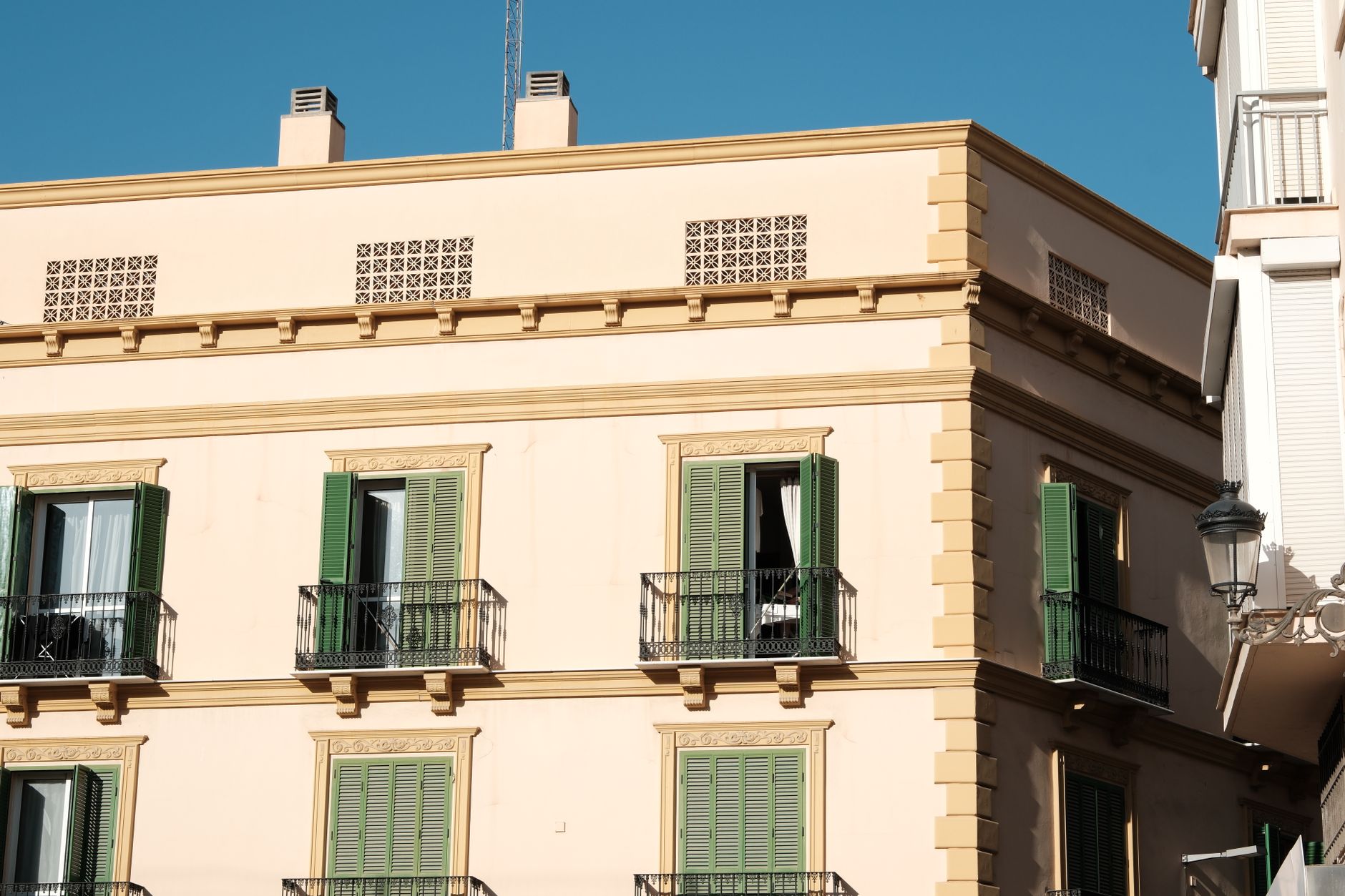
This is the point most travellers get wrong. People assume that because the cities sit across the strait, they must fall under different rules. They do not. A US, Canadian or Australian passport holder flying into Melilla will need an approved ETIAS. It is the same requirement as landing in Málaga. Our 단계별 신청 가이드 shows how the form works, and the ETIAS 비용 가이드 explains the €20 charge and who is exempt.
There is one genuine difference, and it sits at the customs desk rather than the passport booth. Ceuta and Melilla are outside the EU customs union and VAT area. That is why they are known for duty-free shopping, and why goods face checks moving to the mainland (European Commission, 2025). Your ETIAS deals with you; customs deals with what you carry.
The special arrangement: extra checks when you leave
A derogation from Spain’s Schengen accession keeps identity and document checks in place at the enclaves. They apply when travellers leave Ceuta or Melilla for the mainland or another Schengen country. So even with an approved ETIAS, expect a passport check on the ferry or flight out. That extra step does not exist between, say, Madrid and Paris.
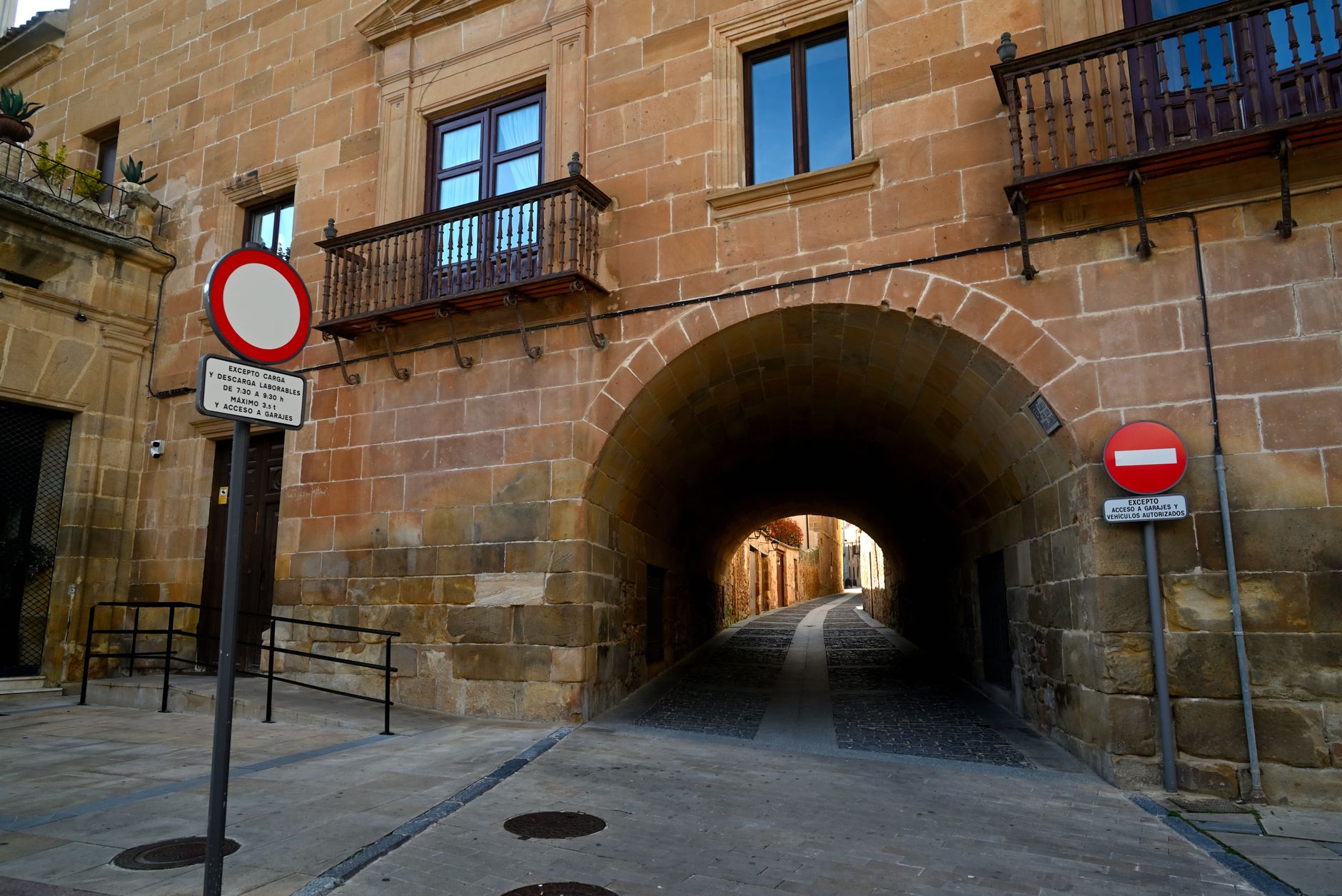
The arrangement traces back to the Declaration on Ceuta and Melilla in the Final Act of Spain’s accession to the Schengen Convention. Its purpose was to manage the busy land frontier with Morocco while keeping the enclaves inside Spain. In practice, a traveller sailing from Ceuta to Algeciras shows a passport on departure. Someone flying from Melilla to Madrid does the same at the gate. Keep your ETIAS-linked document within reach for that leg.
전문가 팁: Treat the ferry or flight from Ceuta or Melilla to the mainland as a border crossing, not a domestic hop. Allow extra time for the identity check, and carry the exact passport your ETIAS is linked to — a second document will not do.
How to reach Ceuta and Melilla
Ceuta has no commercial airport and is reached mainly by fast ferry from Algeciras, a crossing of about an hour. Melilla has both an airport, with flights from several mainland Spanish cities, and ferry links from Málaga, Almería and Motril. Neither city is a typical fly-in destination, so most visitors arrive via the mainland.
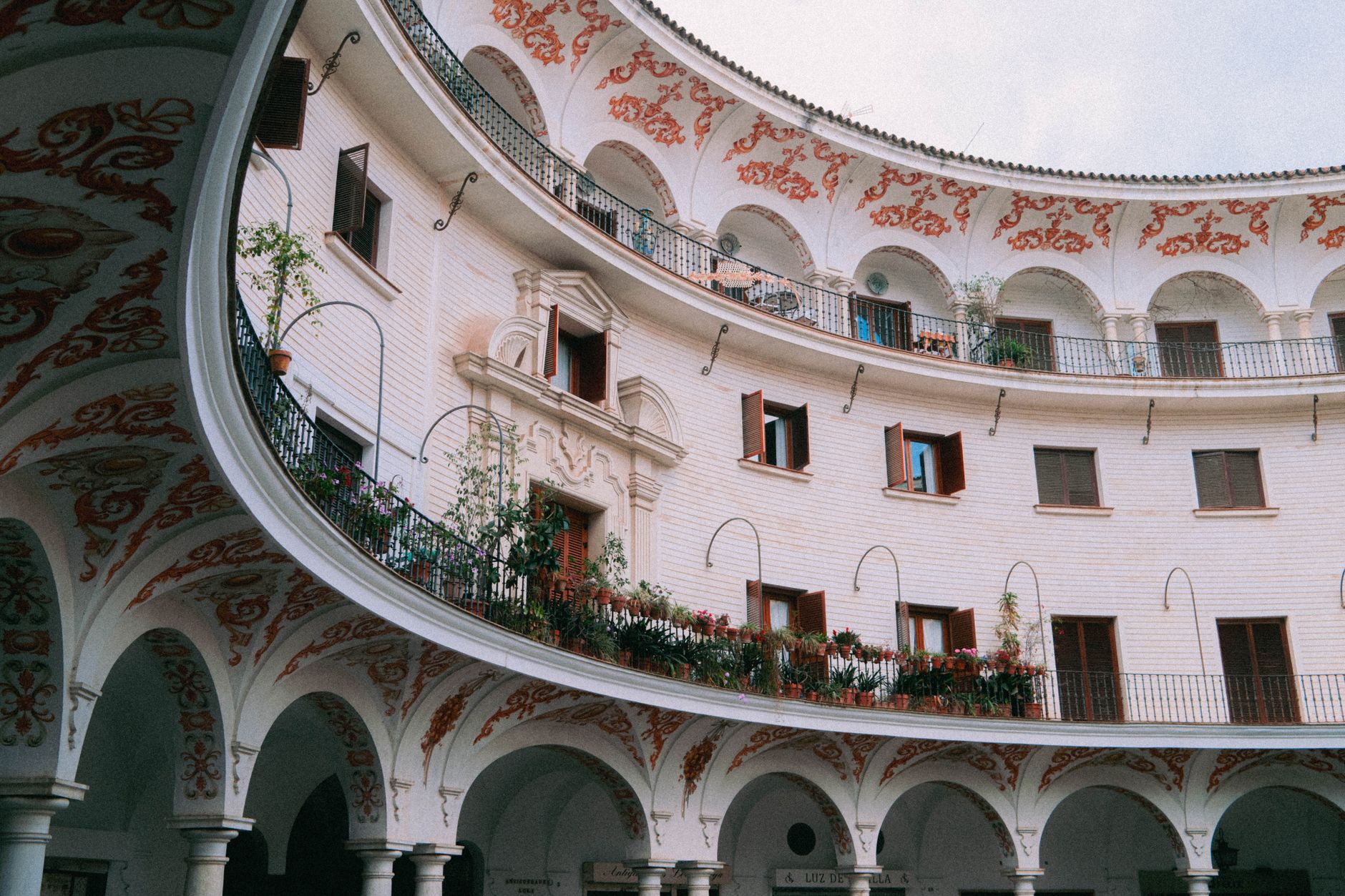
That routing matters for ETIAS. Say you fly from New York to Madrid, then continue to Melilla. Your ETIAS check happens on arrival in Madrid — your first Schengen entry. The onward leg to Melilla is internal to Spain, though the special arrangement adds an identity check. Here is the practical order:
- ETIAS 신청하기 once the portal opens, linked to the passport you will travel on.
- Clear your first Schengen entry, usually a mainland Spanish airport, where the ETIAS is checked.
- Continue to Ceuta or Melilla by ferry or flight, keeping your passport ready for the identity check.
- Mind customs on the way back, since goods leaving the enclaves face duty limits.
Our Madrid ETIAS guide 그리고 바르셀로나 가이드 cover the mainland gateways most travellers pass through first. This is an independent information site, not a government body; once ETIAS opens, travellers can apply directly on the 공식 EU 포털.
What Ceuta and Melilla are actually like
Both cities blend Spanish, Moroccan, Sephardic and Amazigh influences into a distinctive mix found nowhere else in Spain. Melilla holds Europe’s second-largest concentration of Modernist architecture after Barcelona. Ceuta, meanwhile, wraps around a dramatic isthmus with sea on both sides. They are compact, walkable and unusually diverse for their size.
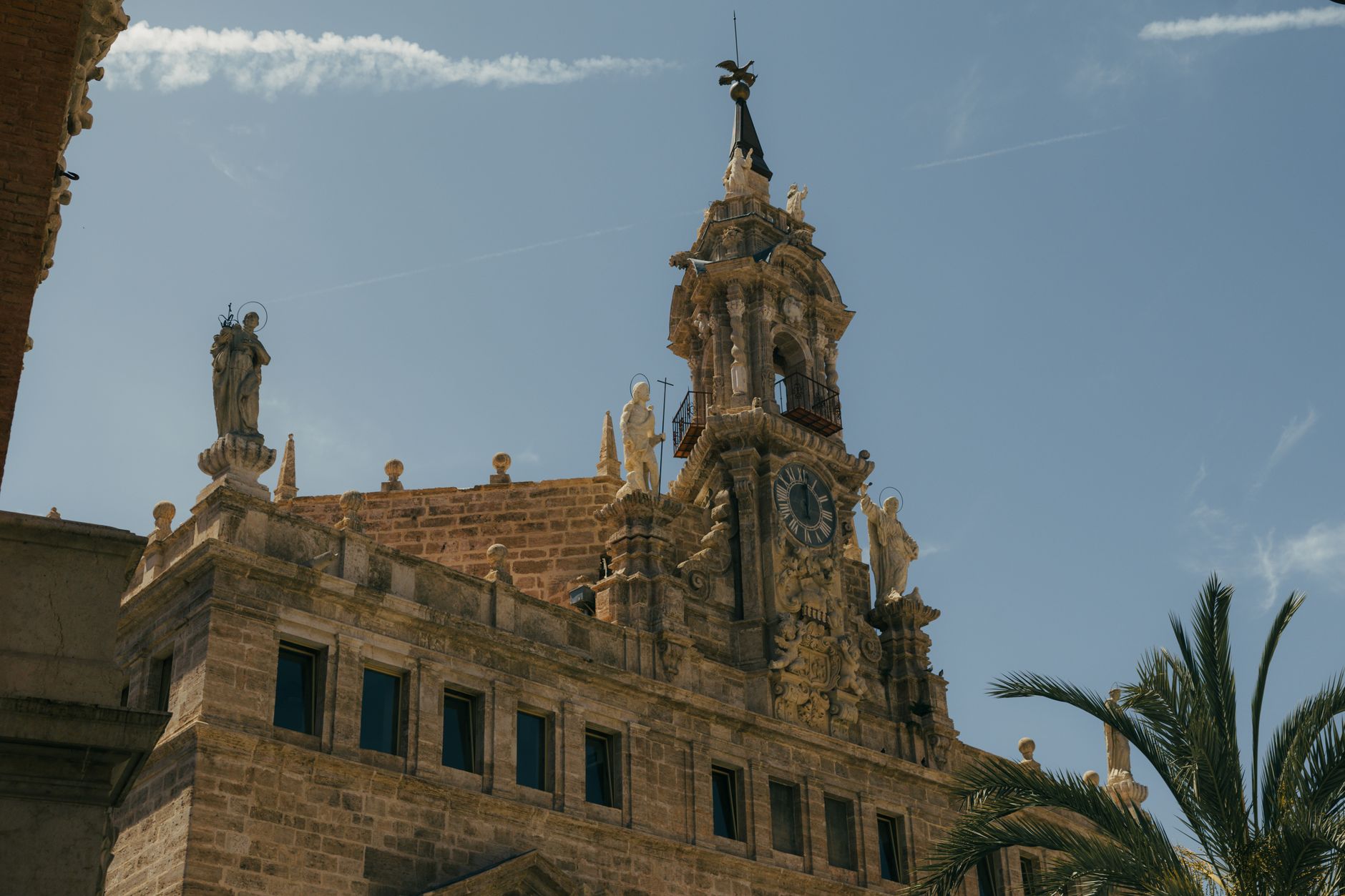
Melilla la Vieja, the old fortified quarter above the port, rewards a slow wander. The city’s early-twentieth-century buildings by Enrique Nieto give it an unexpected elegance. Ceuta, home to around 83,000 people, centres on its Royal Walls and the moat you can cross by boat. Both cities share the euro, Spanish administration and a laid-back Mediterranean pace. The call to prayer drifts across from nearby Morocco all the same. For where these rules sit in the bigger picture, our 셍겐 지역 설명 is a useful map.
A note on the Morocco border: the land frontiers are heavily controlled and are not a casual day-trip route for most travellers. Crossing into Morocco and back involves leaving and re-entering the Schengen external border, with all the checks that implies.
ETIAS, EES and the 90/180 rule
ETIAS is an authorisation to travel, not a visa, and it does not extend your permitted stay. Visa-exempt visitors get up to 90 days across any 180-day window in the whole Schengen area, time in Ceuta and Melilla included. The Entry/Exit System, or EES, records those crossings biometrically at external borders.

The enclaves are Schengen territory. So days spent there count toward the same 90-day allowance as time in mainland Spain or anywhere else in the zone. A fortnight split between Melilla and Málaga is one 14-day Schengen stay, not two separate trips. Our 90/180 규칙 가이드 shows how to count it, the 2026년 ETIAS 요구사항 list the documents, and the EES 대 ETIAS 설명 keeps the two systems straight. For the full process, see our 2026 application guide.
One last reminder: ETIAS never guarantees entry. It lets you travel to the border, where the officer makes the final call. Carrying proof of onward travel and accommodation smooths that check, in the enclaves as anywhere else in Spain.
자주 묻는 질문
Do I need ETIAS for Ceuta and Melilla?
Yes, once the system launches in Q4 2026. Both are Spanish cities where the Schengen rules apply in full, so visa-exempt travellers need an ETIAS. It costs €20 and is free for anyone under 18 or over 70.
Are Ceuta and Melilla in the Schengen area?
They are Spanish territory, and the Schengen rulebook applies to them in full. A special arrangement keeps identity checks when you travel from the cities to mainland Spain, but ETIAS still applies to reach them.
Why is there an extra passport check leaving Ceuta or Melilla?
A derogation from Spain’s Schengen accession requires identity and document checks on departure to the mainland or other Schengen countries. It manages the busy Morocco frontier while keeping the cities inside Spain.
How much does ETIAS cost for Ceuta and Melilla?
€20 per authorisation, confirmed by the EU in July 2025. Travellers under 18 and over 70 pay nothing. One approval covers repeat trips for up to three years.
Do days in Ceuta and Melilla count toward my 90 days?
Yes. Because they are Schengen territory, time there counts toward the 90-day limit in any 180-day period, alongside days spent anywhere else in the Schengen area.
Can I apply for ETIAS now for a trip to the enclaves?
아니요. ETIAS 포털은 아직 시작되지 않았으며 2026년 마지막 분기에 예상됩니다. 공식 시스템이 열린 후에만 신청하세요. 조기 신청을 받는다고 주장하는 사이트를 통해서는 절대 신청하지 마세요.
Is shopping in Ceuta and Melilla really duty-free?
Largely, yes. The cities sit outside the EU customs and VAT area, so many goods are cheaper, but customs limits apply when you carry purchases to the mainland.
저자 정보: Anna Reinholt, europe-visa.eu의 여행 서류 편집자는 2017년부터 유럽 여행 서류를 다루어 왔습니다.
마지막 업데이트: 2026-07-15 — 공식 EU (europa.eu) 출처에 대해 검증됨.
 English
 Shqip
 العربية
 Français
 ქართული
 עִבְרִית
 简体中文
 香港中文
 繁體中文
 Español
 Português do Brasil
 日本語
 한국어
 Bahasa Melayu
 Українська
 Română
 Српски језик
 Türkçe