Peraturan perlindungan data EES meliputi empat cap jari, imej wajah, butir-butir pasport anda, dan log digital bagi setiap kemasukan dan keluar — disimpan selama tiga tahun selepas keberangkatan terakhir anda, atau lima jika anda overstay. Sistem Kemasukan/Keluar telah merekodkan data ini di sempadan Schengen sejak ia menjadi operasi penuh pada 10 April 2026. Panduan ini menjelaskan dengan tepat apa yang disimpan, berapa lama, siapa yang dapat melihatnya, dan bagaimana cara menggunakan hak-hak Anda.
TL;DR: EES menyimpan data biometrik (empat sidik jari ditambah foto wajah), data paspor, dan catatan masuk/keluar bertanda waktu dalam basis data EU pusat yang dijalankan oleh eu-LISA. Penyimpanan standar adalah tiga tahun setelah keberangkatan terakhir Anda; meningkat menjadi lima tahun setelah tinggal lebih lama atau penolakan masuk. Anda dapat meminta akses, memperbaiki, atau menghapus catatan Anda.
| Fakta Cepat (data EES, 2026) | Perincian |
|---|---|
| Data biometrik disimpan | 4 sidik jari + gambar wajah |
| Data lainnya | Butiran pasport, tarikh masuk/keluar, lokasi sempadan |
| Penyimpanan standard | 3 tahun selepas keluar terakhir |
| Selepas keterlaluan/penolakan | 5 tahun |
| Pengendali pusat | eu-LISA (agensi EU) |
Fakta utama sekilas:
ETIAS launches late 2026 — be first to know
Satu e-mel pada hari aplikasi dibuka. Tiada spam.
- EES telah dicipta oleh EU Regulation 2017/2226 dan menjadi beroperasi sepenuhnya pada 10 April 2026.
- Sistem ini merekodkan empat cap jari dan imej wajah untuk pengembara berusia 12 tahun ke atas (eu-LISA, 2026).
- Rekod disimpan selama tiga tahun selepas keluar anda yang terakhir, atau lima tahun berikutan kelewatan atau penolakan kemasukan.
- Pangkalan data tersebut berpusat dan diurus oleh eu-LISA, agensi EU untuk sistem IT berskala besar.
- Data EES adalah berasingan daripada data yang akan dikumpul ETIAS apabila sistem itu dibuka kemudian pada 2026.
Mengetahui apa yang terdapat dalam fail anda membantu anda melancong dengan lebih sedikit kejutan. Untuk gambaran yang lebih besar tentang cara semakan sempadan itu sendiri berjalan, penjelas kami tentang bagaimana EES berfungsi dengan ETIAS menetapkan latar belakang sebelum anda menyelami butiran privasi di bawah.
Data apakah yang disimpan EES tentang anda?
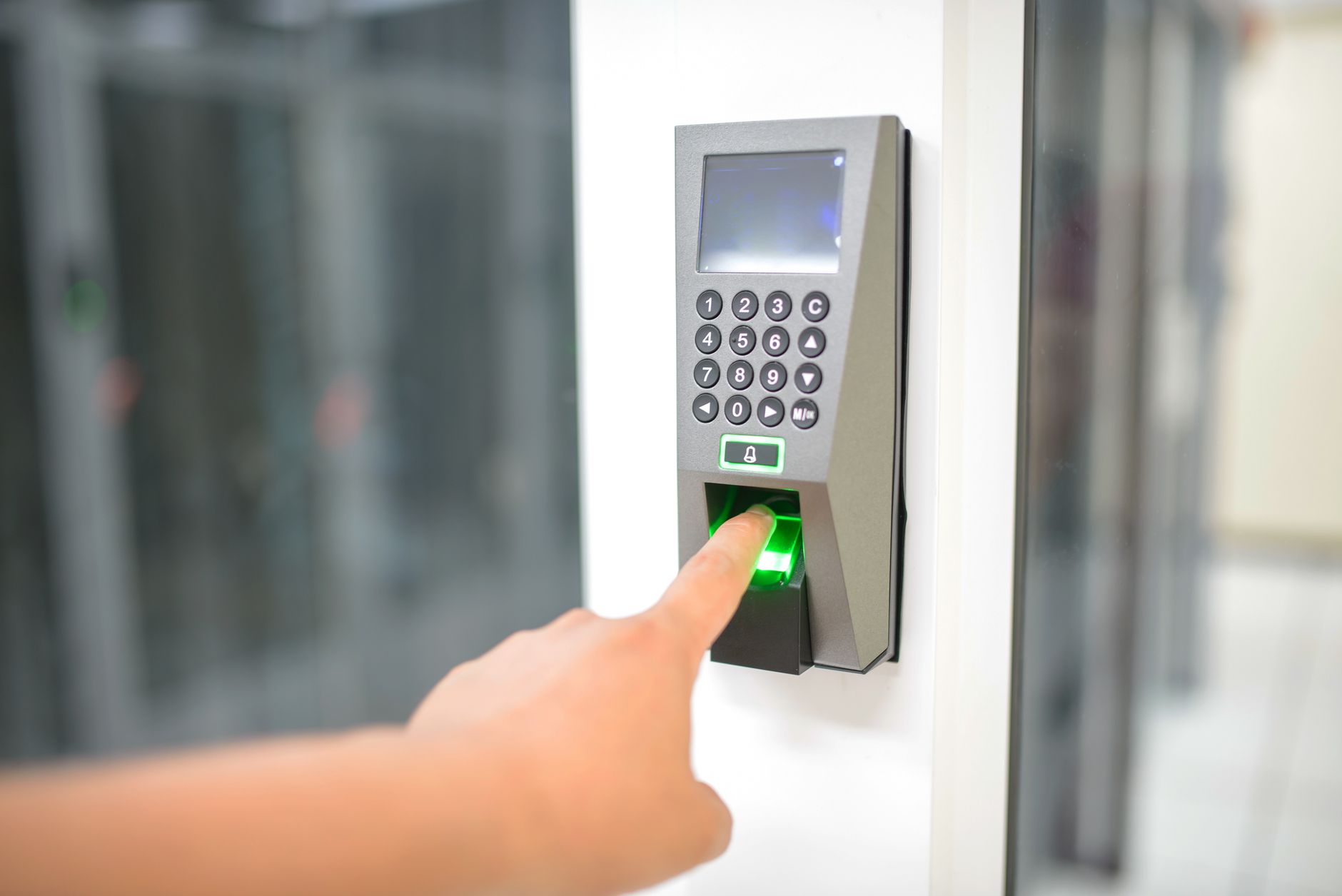
EES menyimpan empat kategori data: biometrik (empat jejari jari dan imej wajah bagi sesiapa yang berusia 12 tahun atau lebih), butiran pasport dan biografi, rekod masa-cap bagi setiap masuk dan keluar dengan lokasi sempadan, dan sebarang penolakan masuk. Kanak-kanak yang lebih muda memberikan imej wajah tetapi tiada jejari jari. Tiada perkara tentang alasan perjalanan anda atau kewangan anda yang direkodkan.
Fikirkan ia sebagai buku logik sempadan daripada profil. Apabila sepasang daripada Toronto mendarat di Madrid, sistem menangkap jejari jari dan foto mereka, mengikatnya ke nombor pasport, dan memerangko cap masa digital: memasuki Madrid, 8 Julai 2026, 14:12. Pada perjalanan keluar tiga minggu kemudian, ia mencatat keluar. The halaman EES rasmi senaraikan kategori yang sama. Tiada sejarah penyemakan, tiada data bank, tiada media sosial — hanya identiti, dokumen, dan pergerakan.
Kerana rekod tersebut biometrik, ia terikat pada seseorang, bukan pada buku pasport. Perbarui pasport anda dan fail mengikuti anda; nombor dokumen baru dipautkan pada persilangan anda yang berikutnya. Jika anda ingin melihat bagaimana ini berbeza di pelbagai titik persilangan, panduan kami tentang lapangan terbang berbanding sempadan darat meliputi tempat tangkapan sebenarnya berlaku.
Berapa lama EES menyimpan data anda?
EES menyimpan rekod anda selama tiga tahun dari tarikh keluar terakhir anda dari kawasan Schengen. Jika anda melampaui had 90 hari atau ditolak kemasukan, penyimpanan meningkat hingga lima tahun. Setiap perjalanan baru dalam tingkap ini menyegarkan jam, jadi pengembara yang kerap secara berkesan menyimpan satu rekod bergulir dan bukannya timbunan fail berasingan.
Penyimpanan mempunyai tujuan: ia membolehkan sistem sempadan mengira hari-hari anda di bawah Peraturan 90/180 hari merentasi perjalanan. Katakan anda melawat dua kali dalam satu tahun — Maret dan September. Kerana rekod Maret masih aktif, pegawai September dapat melihat anda masih mempunyai hari-hari tanpa meminta anda membuktikannya. Selepas tiga tahun bersih tanpa perjalanan, fail akan dipadamkan secara automatik.
Petua profesional: Jika anda pernah ditolak masuk atau ditandai kerana lebihan tempoh tinggal, rekod lima tahun tersebut boleh mempengaruhi penyeberangan kemudian. Adalah wajar meminta salinan data anda sebelum perjalanan besar supaya anda tahu apa yang dilihat oleh pegawai — dan dapat membetulkan apa-apa yang salah sebelum ia menyebabkan kelewatan.
Peraturan tentang masa datang terus daripada Peraturan EES, bukan daripada negara-negara individu. Ini bermakna had tiga tahun dan lima tahun yang sama dikenakan sama ada anda memasuki melalui udara, darat atau laut. Untuk memahami apa yang sebenarnya dicetuskan oleh lebihan tempoh tinggal, lihat nota kami mengenai Penalti overstay Schengen.
Siapa yang boleh mengakses data EES anda — dan hak anda

Petugas sempadan, pihak berkuasa visa, dan pegawai imigresen boleh merujuk data EES untuk menjalankan tugas mereka. Polis dan Europol boleh mengaksesnya untuk kes jenayah serius dan keganasan, di bawah syarat ketat dan pengesanan. Sebagai subjek data, anda mempunyai hak untuk melihat rekod anda, membetulkan ralat, dan meminta penghapusan apa-apa yang disimpan secara tidak sah, di bawah undang-undang perlindungan data EU.
Melaksanakan hak tersebut mengikuti laluan yang ditetapkan:
- Hubungi pihak berkuasa perlindungan data negara atau agensi sempadan bagi mana-mana negara Schengen yang anda masuki.
- Buktikan identiti anda — biasanya salinan pasport — supaya tiada siapa lain boleh mengambil fail anda.
- Minta akses khusus, betulkan, atau hapus data, dan simpan nombor rujukan bertulis yang mereka keluarkan.
Setiap akses ke rekod anda sendiri dicatat, yang merupakan perlindungan, bukan pepijat. eu-LISA, sebagai pengendali pusat, menyimpan jejak audit supaya penyalahgunaan dapat dikesan. Jika pegawai di Athens melihat sejarah entri anda, penelusuran itu meninggalkan tanda. Ini adalah tulang belakang GDPR yang sama yang melindungi penduduk EU, dipanjangkan ke sempadan. Yang halaman sempadan pintar Komisi menguraikan asas undang-undang.
Tidak mahu bersusah payah dengan borang ETIAS apabila sistem itu dibuka kemudian pada tahun 2026? Pasukan kami boleh menyemak butir-butir anda dan menyerahkan permohonan untuk anda — suatu pelepasan jika anda membantu ibu bapa yang lebih tua atau perjalanan berkumpulan. europe-visa.eu adalah perkhidmatan maklumat dan bantuan bebas, bukan badan kerajaan; anda boleh memohon terus di portal EU rasmi (€20, di bawah 18 tahun percuma), atau gunakan semakan dan sokongan kami.
Perlindungan data EES vs data ETIAS: dua fail, dua sistem
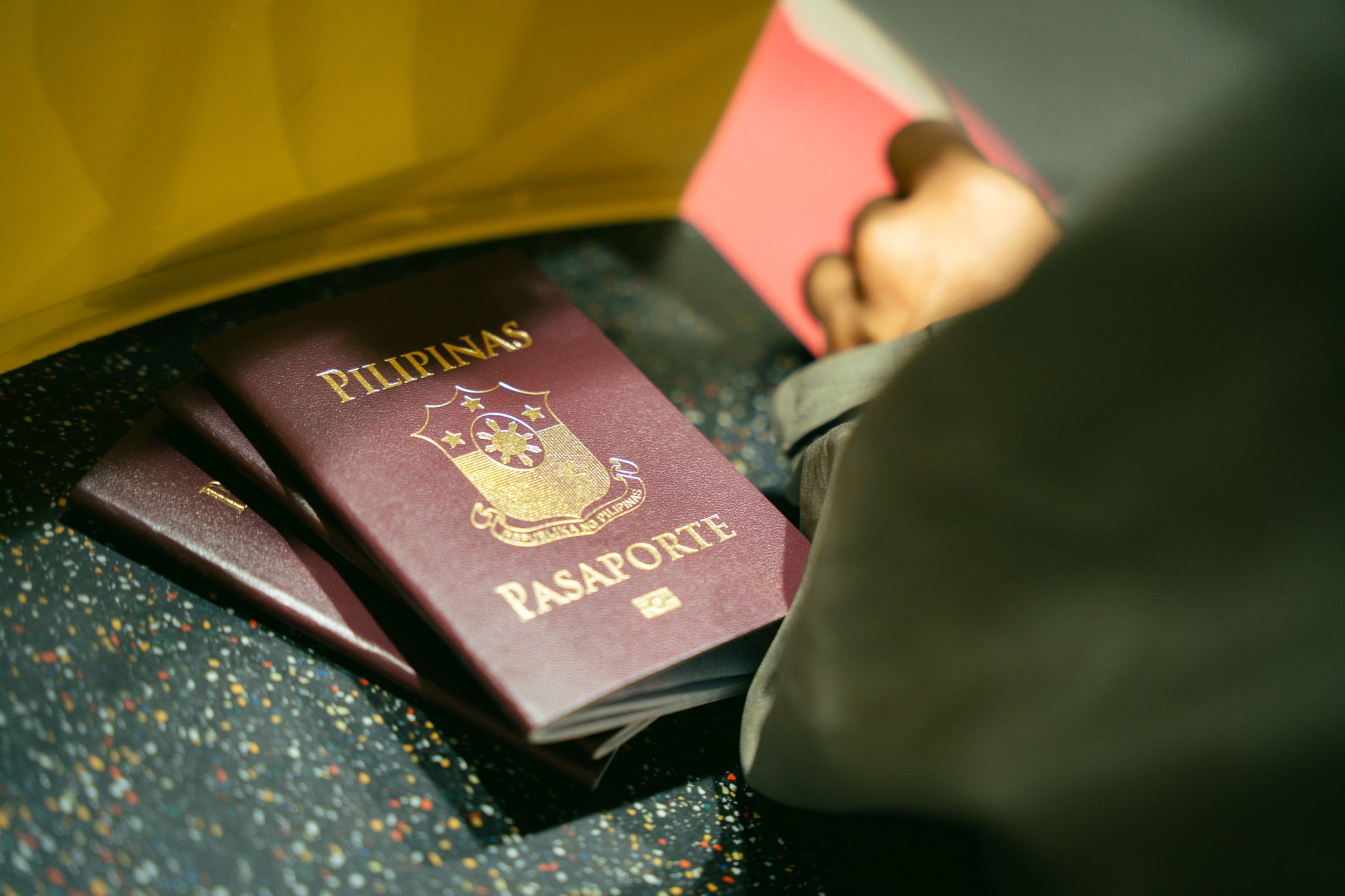
Perlindungan data EES meliputi biometrik dan pergerakan sempadan yang ditangkap apabila anda tiba. ETIAS, sistem berasingan yang belum lagi hidup, akan mengumpulkan data permohonan — nama, pasport, soalan latar belakang — sebelum anda berjalan, dan menyimpan kebenaran perjalanan yang dipautkan pada pasport anda selama tiga tahun. Kedua-dua pangkalan data bercakap antara satu sama lain di sempadan tetapi memegang maklumat yang berbeza untuk sebab-sebab yang berbeza.
Perbandingan cepat membantu. EES menjawab soalan “adakah orang ini melintasi, dan bila?” ETIAS menjawab “adakah orang ini pra-jelas untuk berjalan?” Satu adalah rekod yang dibuat di kiosk; yang lain akan menjadi permit dalam talian yang anda beli lebih awal. EU menjangkakan ETIAS dibuka pada suku terakhir 2026 pada €20, dengan di bawah 18 tahun dan lebih 70 tahun dikecualikan daripada yuran. Sehingga saat itu, tiada situs boleh menjual anda ETIAS sebenar — anggap mana-mana yang mendakwa sebagai penipuan. Kami Penjelas EES vs ETIAS dan Portal rasmi ETIAS kekalkan kedua-dua yang lurus.
Perlindungan data EES bermakna untuk perjalanan anda seterusnya

Bagi kebanyakan pengembara, perubahan perlindungan data EES tidak banyak mengubah hari ke hari: anda memberikan biometrik sekali, rekod digunakan semula selama tiga tahun, dan anda boleh meminta untuk melihat atau membetulkannya. Keuntungan praktik adalah mengetahui fail anda wujud, memeriksanya sebelum perjalanan penting, dan memahami bahawa melampaui tempoh tinggal meninggalkan jejak yang lebih lama. Pastikan pasport anda terkini supaya rekod tetap bersambung.
Sebelum anda terbang lagi, tiga tabiat memberikan hasil. Pertama, daftar dengan tenang pada penyeberangan pertama anda — tergesa-gesa langkah jejak jari hanya bermakna percubaan semula. Kedua, jika anda pernah ditolak kemasukan, minta data anda lebih awal. Ketiga, apabila ETIAS dibuka, sediakan kebenaran itu secara berasingan. Kami Panduan permohonan langkah demi langkah, yang Panduan kos 2026, dan senarai semak dokumen menyelesaikan kertas kerja, sementara jadual Q4 2026 melacak tarikh pelancaran.
Soalan yang kerap ditanya
Apakah sebenarnya yang dilindungi oleh perlindungan data EES?
Perlindungan data EES meliputi biometrik anda (empat cap jari dan imej wajah untuk berusia 12 tahun ke atas), pasport dan butiran biografi, serta log berkod masa bagi setiap kemasukan dan keluar. Ia tidak merekodkan sebab perjalanan anda, kewangan, atau sebarang data pelayaran.
Berapa lama data EES saya disimpan?
Penyimpanan standard adalah tiga tahun selepas keluar terakhir anda dari kawasan Schengen. Jika anda melampaui had 90 hari atau ditolak kemasukan, rekod disimpan selama lima tahun. Perjalanan baru dalam jendela tersebut memulakan semula jam tiga tahun.
Di mana data EES saya disimpan secara fizikal?
Dalam pangkalan data EU pusat yang diurus oleh eu-LISA, agensi EU untuk sistem IT berskala besar. Pihak berkuasa sempadan negara memberi makan data ke dalamnya dan membaca daripadanya, tetapi sistem itu sendiri adalah berpusat, bukan terbahagi merentasi negara.
Siapa yang boleh mengakses rekod EES saya?
Pegawai sempadan, pihak berkuasa visa dan imigresen menggunakannya secara rutin. Pasukan polis dan Europol boleh mengaksesnya untuk penyiasatan jenayah serius atau keganasan di bawah syarat yang ketat dan tercatat. Setiap pencarian direkodkan supaya penyalahgunaan dapat dikesan.
Boleh saya melihat atau membetulkan data EES saya?
Ya. Anda boleh meminta akses, meminta pembetulan, atau meminta penghapusan data yang dipegang secara tidak sah melalui pihak berkuasa perlindungan data nasional bagi sebuah negara Schengen yang anda masuki. Anda perlu membuktikan identiti anda, biasanya dengan salinan pasport.
Adakah perlindungan data EES sama seperti perlindungan data ETIAS?
Tidak. EES merangkumi biometrik dan pergerakan sempadan yang ditangkap semasa ketibaan. ETIAS, masih belum aktif, akan menyimpan data permohonan pra-perjalanan dan kebenaran yang dipautkan kepada pasport anda. Mereka adalah sistem berasingan dengan fail berasingan.
Adakah overstay mengubah apa yang berlaku pada data saya?
Ya. Overstay atau penolakan kemasukan melanjutkan pengekalan dari tiga hingga lima tahun dan menambahkan bendera pada rekod anda. Bendera itu boleh dilihat di perlintasan masa depan, jadi adalah wajar untuk menyelesaikan sebarang pertikaian lebih awal.
Adakah data EES disimpan untuk kanak-kanak juga?
Ya, tetapi dengan lebih sedikit. Kanak-kanak di bawah 12 tahun mempunyai imej wajah dan data pasport yang direkodkan, bukan cap jari. Dari umur 12, cap jari ditambahkan. Pengekalan tiga tahun yang sama digunakan untuk rekod mereka.
Tentang penulis: Anna Reinholt telah menulis tentang dokumen perjalanan Eropah sejak 2017 dan memberi tumpuan kepada ETIAS dan sistem sempadan baharu EU. Dia membantu keluarga dan pelancong yang lebih tua memahami maksud peraturan kemasukan yang berubah untuk perjalanan mereka, langkah demi langkah. Setiap panduan disemak terhadap sumber rasmi EU sebelum penerbitan.
Dikemas kini: 2026-07-08
Last updated: 2026-07-08 — verified against official EU EES and ETIAS sources.
 English
  Shqip
Shqip  العربية
  Français
  ქართული
  עִבְרִית
  简体中文
简体中文  香港中文
香港中文  繁體中文
繁體中文  Español
  Português do Brasil
  日本語
日本語  한국어
한국어  Bahasa Melayu
  Українська
  Română
  Српски језик
  Türkçe