You do not need ETIAS for Greenland or the Faroe Islands. Both are self-governing parts of the Kingdom of Denmark, yet neither sits inside the European Union or the Schengen area, so the EU travel authorisation does not cover them. There is a catch worth reading before you book: almost every route north passes through a Schengen airport first, and that leg does need ETIAS.
TL;DR: Greenland and the Faroe Islands are outside Schengen, so ETIAS is not required to visit the islands themselves. But if you connect through Copenhagen or another Schengen hub, you will need an ETIAS (€20, free under 18 or over 70) for that stopover. The system is expected in Q4 2026.
Önemli Bilgiler
ETIAS geç 2026'de başlıyor — ilk öğrenenler arasında yer alın
Başvurular açıldığında bir e-posta alın. Spam yok.
- ETIAS will cost €20, a fee the EU confirmed in July 2025 (European Commission, 2025).
- The Schengen area covers 29 countries in 2025 — and Greenland and the Faroe Islands are not among them (European Commission, 2025).
- Greenland left the European Economic Community in 1985 after a referendum, keeping its distance from EU membership ever since.
- The Faroe Islands have never joined the EU and are excluded from Denmark’s EU treaties.
- ETIAS geçerli kalır üç yıl or until your passport expires, so one approval covers repeat Schengen stopovers.
| Question | Answer |
|---|---|
| ETIAS to visit Greenland? | No — outside Schengen |
| ETIAS to visit the Faroe Islands? | No — outside Schengen |
| ETIAS for a Copenhagen connection? | Yes — Schengen entry |
| ETIAS ücreti | €20 (18 yaş altı / 70 yaş üstü ücretsiz) |
| ETIAS launch | 2026 Q4 Bekleniyor |
The short version rarely tells the whole story, though. Getting to either archipelago almost always means touching down in a Schengen country first, and that is where the paperwork sneaks back in. Our ETIAS ülkeleri listesi shows exactly where the authorisation applies, and the plain-English guide to what ETIAS is covers the basics if this is new to you.
Why ETIAS does not apply to Greenland or the Faroe Islands
Neither territory is part of the Schengen area, and ETIAS is a Schengen-only requirement. Greenland pulled out of the European Economic Community in 1985, and the Faroe Islands never joined at all. Both remain within the Kingdom of Denmark for defence and foreign affairs, but they set their own rules on trade, fishing and, crucially for travellers, border entry.
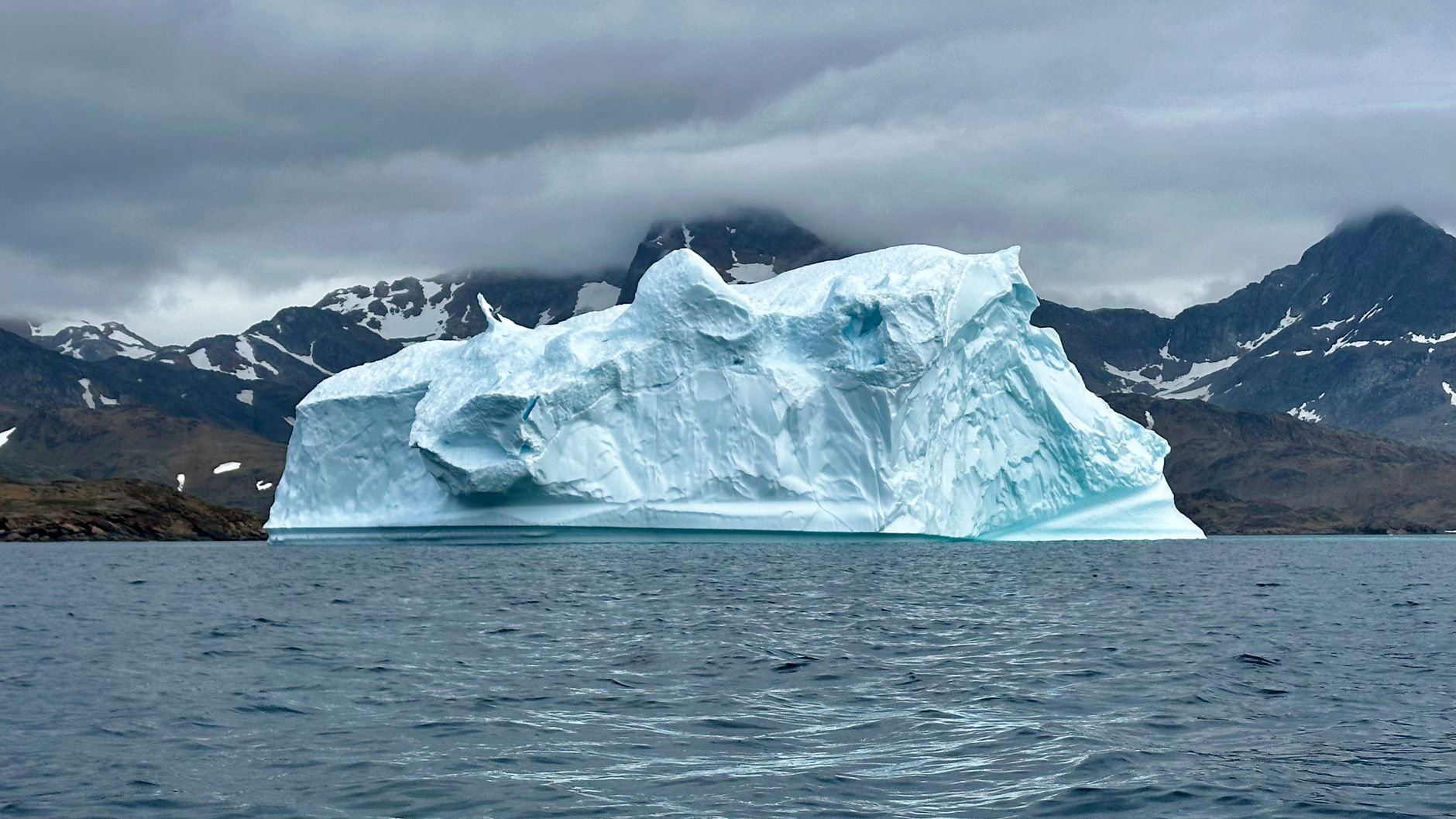
This matters because ETIAS is tied to the external Schengen border, not to any single country’s flag. The authorisation, once live, will be checked when you cross into the 29-country Schengen zone (European Commission, 2025). Greenland and the Faroes sit outside that line. So a US, Canadian, Australian or British passport holder can land in Nuuk or Tórshavn without ever touching the ETIAS system. That holds only if the route avoids Schengen. In practice, that is the hard part.
The islands run their own entry policy, broadly matching Denmark’s visa list but administered separately. Visa-exempt visitors get a short stay without a permit. Travellers who normally need a Schengen visa must ask for it to be endorsed specifically for Greenland or the Faroe Islands. A standard Schengen visa does not cover them automatically. Check your own nationality against the EU entry rules overview before you assume anything.
The Copenhagen catch: when you do need ETIAS
You will need ETIAS the moment your journey passes through a Schengen airport, and for Greenland and the Faroes that is nearly guaranteed. Flights to Nuuk and Tórshavn depart mainly from Copenhagen, and a stop there means entering Schengen — an external border crossing that triggers the ETIAS check.
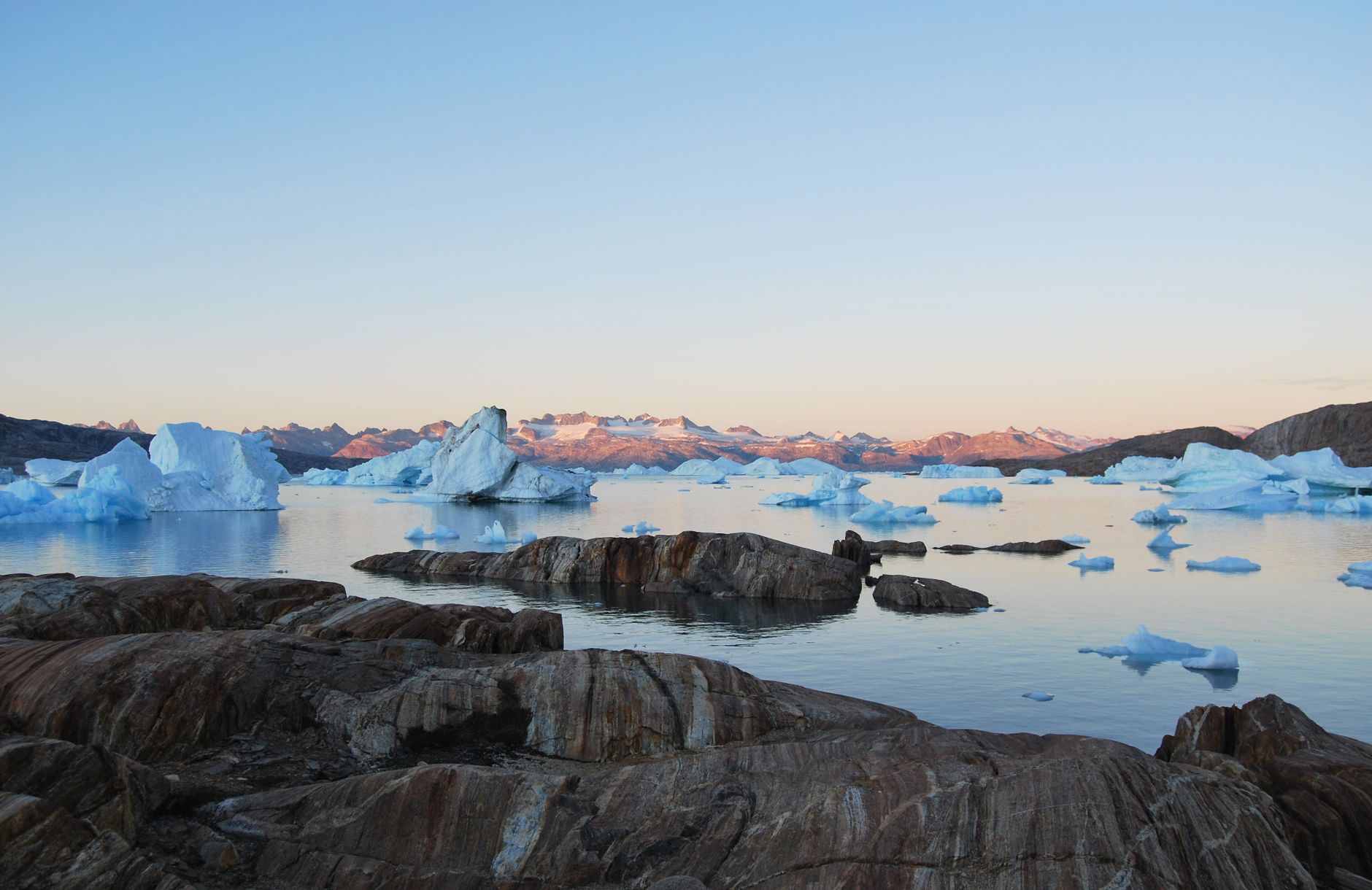
Picture a traveller from Toronto heading to Ilulissat to see the icebergs. The usual routing is Toronto to Copenhagen, an overnight in the city, then Copenhagen to Greenland. That Copenhagen arrival is a Schengen entry. So from Q4 2026 onward the traveller needs an approved ETIAS to clear passport control at Kastrup. The final destination lies outside Schengen, yet the stopover still counts. The same logic hits anyone connecting through Reykjavik, since Iceland is a Schengen member too.
There is a narrower path that skips ETIAS entirely. Greenland now has direct long-haul links after Nuuk’s extended international runway opened in late 2024. A handful of North Atlantic routes bypass mainland Europe altogether. Fly a non-Schengen routing and land straight in Greenland, and no ETIAS applies. But most itineraries still lean on Copenhagen, so plan for the authorisation rather than against it. The €20 charge is broken down in our ETIAS maliyet rehberi, and if you want the mechanics, our adım adım ETIAS başvuru kılavuzu walks through the form field by field.
Pro tip: Book Greenland and Faroe trips as a single ticket through Copenhagen where you can. If your Schengen stopover runs past passport control — which an overnight always does — you are legally entering Schengen and need ETIAS, not just an airside transit pass.
How to plan a Greenland or Faroe trip under the new rules
Sort your Schengen paperwork first, then the island entry second. The order matters because the ETIAS check happens at your first European landing, long before you reach Nuuk or Tórshavn. A rejected or missing authorisation in Copenhagen ends the trip before the interesting part begins.
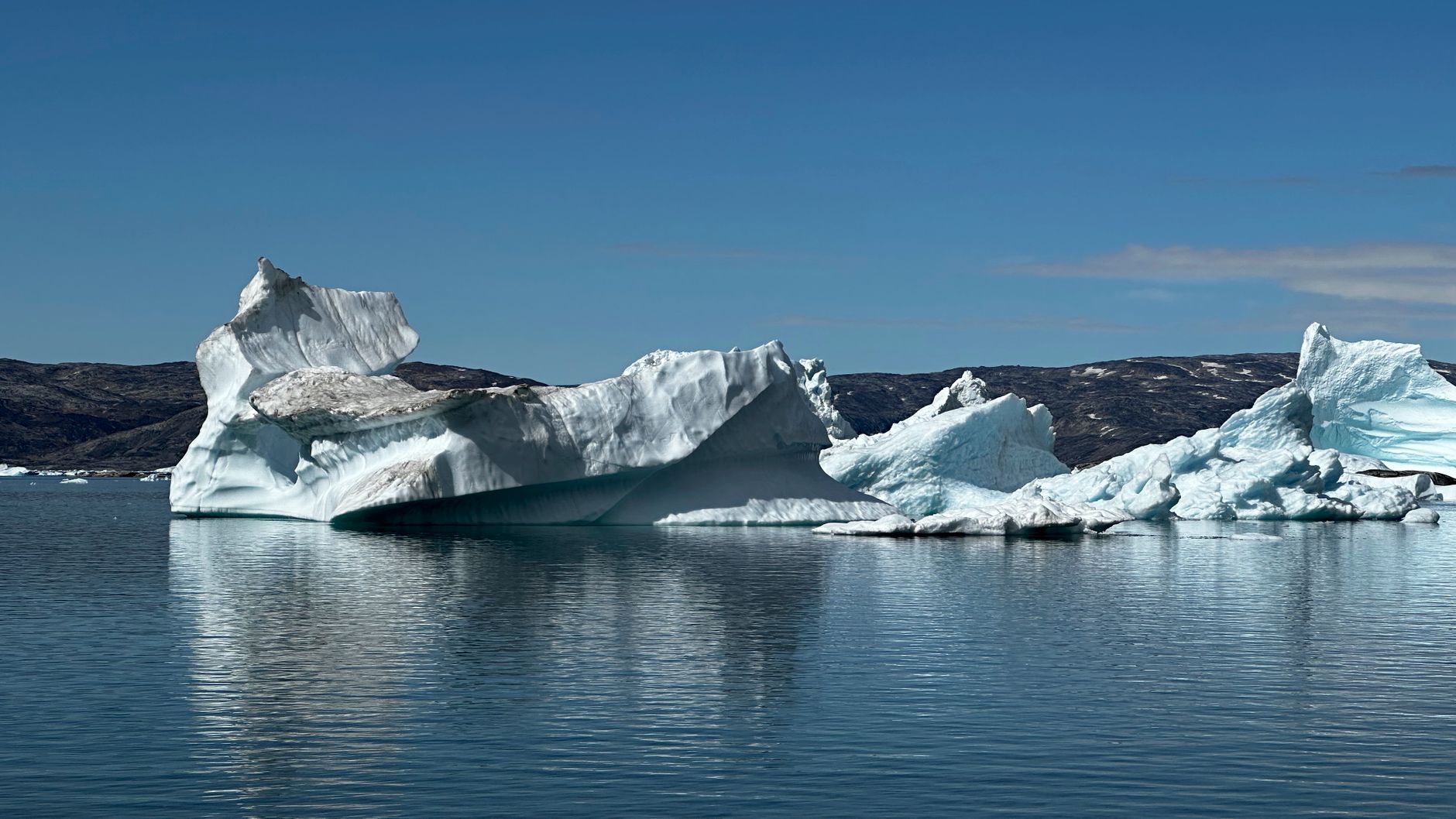
Here is a practical sequence once the portal is live:
- Confirm your routing. If any leg touches Copenhagen, Reykjavik, Oslo or another Schengen airport, you need ETIAS for that entry.
- Apply for ETIAS early. Most approvals are expected within minutes, but the EU advises allowing several days in case a case is flagged for review. Apply as soon as you have your passport and ticket.
- Check island entry separately. Confirm whether your nationality needs a visa for Greenland or the Faroes, and if so, request the specific territorial endorsement. Our overview of ETIAS 2026 gereksinimleri lists what the Schengen leg will ask for.
- Mind the 90/180 rule. Days spent in Copenhagen count toward your Schengen allowance; days in Greenland or the Faroes do not.
That last point trips people up. A week in Copenhagen bookending a Greenland holiday eats into your 90 days in any 180-day window. The island time, by contrast, is free of that clock. Our guide to the 90/180 rule shows how to count it, and the Copenhagen ETIAS guide covers the stopover city itself. This is an independent information site, not a government body; once ETIAS opens, travellers can apply directly on the official EU portal.
Greenland and the Faroe Islands: what a trip actually looks like
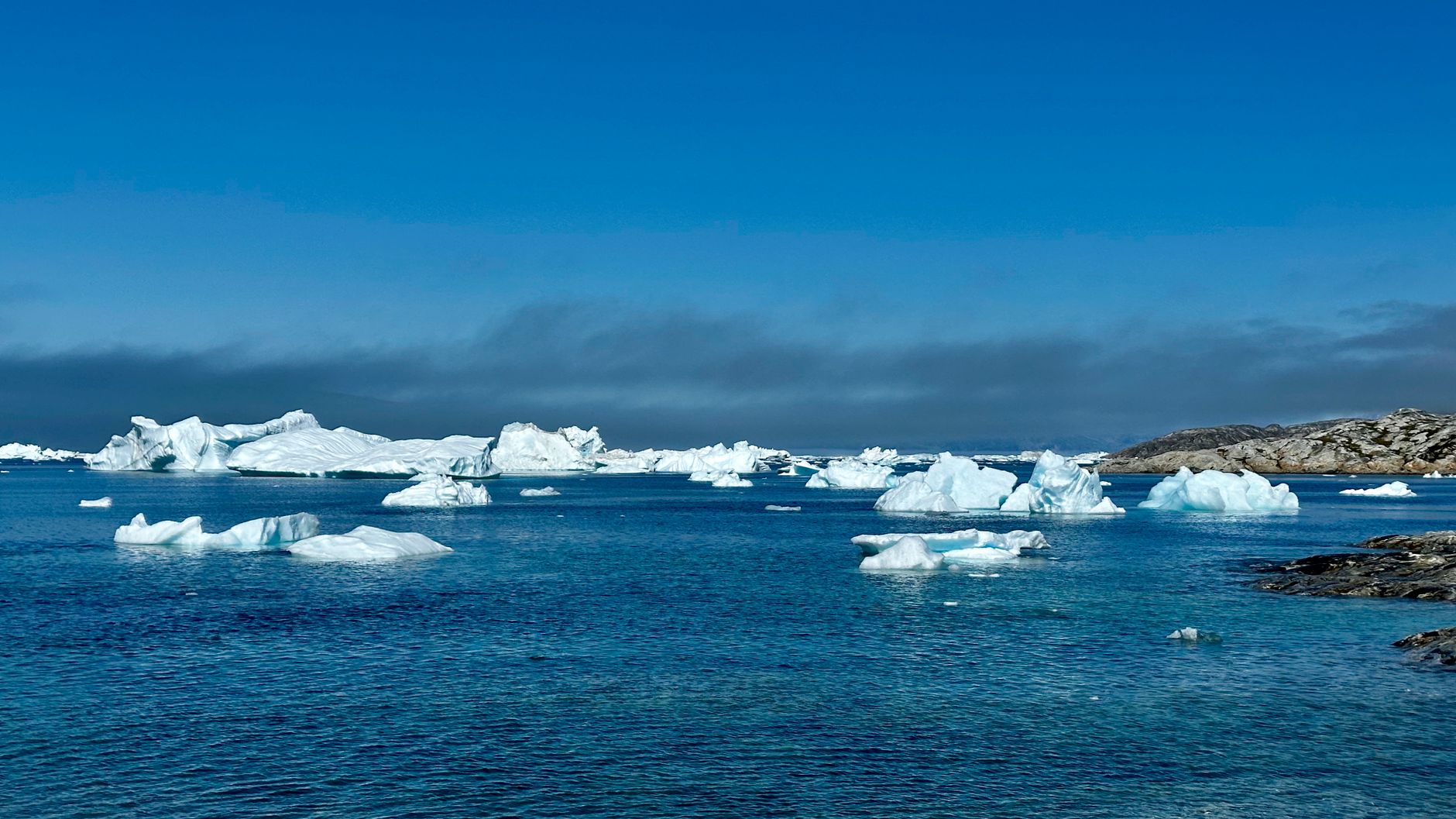
Both destinations reward the extra planning with scenery few places match. Greenland offers icebergs, the Ilulissat Icefjord and long summer light; the Faroe Islands deliver green cliffs, grass-roofed villages and some of the North Atlantic’s most dramatic coastline. Neither is a quick weekend add-on, so build the itinerary around weather and ferry schedules.
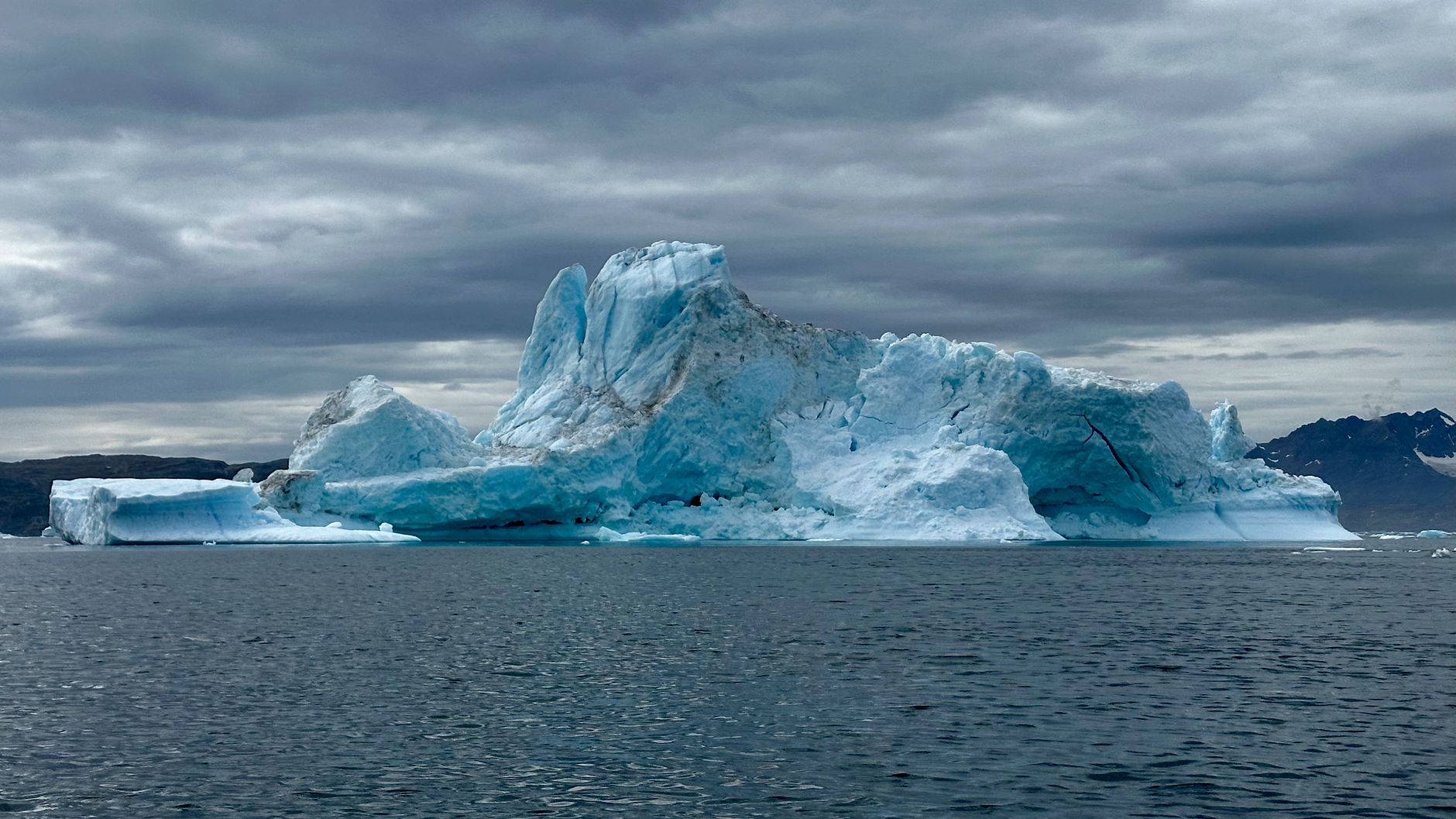
Greenland is the world’s largest island, and with roughly 56,000 residents it is also one of the least crowded places you will ever visit. Travel runs by plane and boat rather than road, since towns are not connected by highway. Summer, from June to August, brings the midnight sun and the busiest ferry links along the west coast near Nuuk and Ilulissat.
The Faroe Islands pack 18 islands and about 54,000 people into a compact archipelago. Tunnels, ferries and a famous network of hiking trails link them together. Tórshavn, the capital, is among Europe’s smallest, and the weather flips from sun to fog within an hour — locals say you get four seasons before lunch. For a wider European itinerary that pairs these islands with mainland stops, our Schengen area explainer maps out where the rules change.
ETIAS, EES and the Danish connection
ETIAS is not the only new system launching around the same time. The Entry/Exit System (EES) records biometric border crossings across Schengen, and you may meet it in Copenhagen on the same trip. The two are separate: EES logs your entry and exit, while ETIAS is the pre-travel approval you arrange online.
For a Greenland or Faroe traveller, that means a Copenhagen arrival could involve two checks at once. A biometric EES registration and an ETIAS check can land on the same passport, at the same desk. Denmark joined Schengen operations in 2001, so its external-border procedures apply in full at Kastrup. The islands themselves run neither system. Our EES versus ETIAS explainer keeps the two apart, and the official EES page details what the border scanner records.
One more planning note: because Greenland and the Faroes are outside the EU customs union, you clear customs when moving between the islands and mainland Denmark, even on a domestic-looking Danish ticket. It feels like an internal flight; legally it is not. Keep your passport handy for the hop back to Copenhagen. For the full Schengen-entry walkthrough, see our 2026 ETIAS application guide.
Sık Sorulan Sorular
Do I need ETIAS for Greenland?
No. Greenland is outside the Schengen area, so ETIAS does not apply to the island itself. If you connect through Copenhagen or another Schengen airport, you need ETIAS for that entry once the system launches in Q4 2026.
Do I need ETIAS for the Faroe Islands?
No. The Faroe Islands are not in Schengen and never joined the EU, so no ETIAS is required to visit them. A Schengen stopover on the way, such as Copenhagen, does need ETIAS.
Why do Greenland and the Faroe Islands not need ETIAS?
ETIAS applies only to the 29-country Schengen area. Greenland left the European Economic Community in 1985 and the Faroe Islands never joined the EU, so both sit outside the border where ETIAS is checked.
Does a Copenhagen layover to Greenland need ETIAS?
Yes, if you pass through passport control. Landing in Copenhagen counts as entering Schengen, which triggers the ETIAS requirement — even when your final destination is Greenland or the Faroes.
How much does ETIAS cost and who is exempt?
ETIAS costs €20 per application, confirmed by the EU in July 2025. Applicants under 18 or over 70 pay nothing. One approval lasts up to three years or until the passport expires.
Can I apply for ETIAS now for a 2026 Greenland trip?
No. The ETIAS portal is not live yet and is expected in the last quarter of 2026. Apply only once the official system opens, and never through a site claiming to take applications early.
Do Greenland and the Faroe Islands count toward my 90 days in Schengen?
No. Time on the islands does not count against the Schengen 90/180 allowance because they are outside the area. Only your days in Copenhagen or other Schengen countries count toward the limit.
Yazar hakkında: Anna Reinholt, Travel Documentation Editor at europe-visa.eu, has covered European travel documents since 2017.
Last updated: 2026-07-15 — verified against official EU (europa.eu) sources.
 English
 Shqip
 العربية
 Français
 ქართული
 עִבְרִית
 简体中文
 香港中文
 繁體中文
 Español
 Português do Brasil
 日本語
 한국어
 Bahasa Melayu
 Українська
 Română
 Српски језик
 Türkçe