In most cases you can still get ETIAS after a Schengen overstay, provided the overstay did not result in a formal entry ban. ETIAS screens each applicant against EU security and immigration databases, so an unresolved ban or alert can lead to a refusal, while a minor past overstay with no ban recorded often clears without trouble. The honest answer depends on what, if anything, sits on your record. This matters because the 90-days-in-any-180 limit is easy to miscount, and travellers who once tipped a few days over now worry the new €20 authorisation — not yet in operation, with no confirmed start date — will lock them out. It usually will not — but it pays to understand what the system checks, why honesty on the form is essential, and what to do if a decision goes against you. The framework comes from the European Commission ETIAS sayfaları.
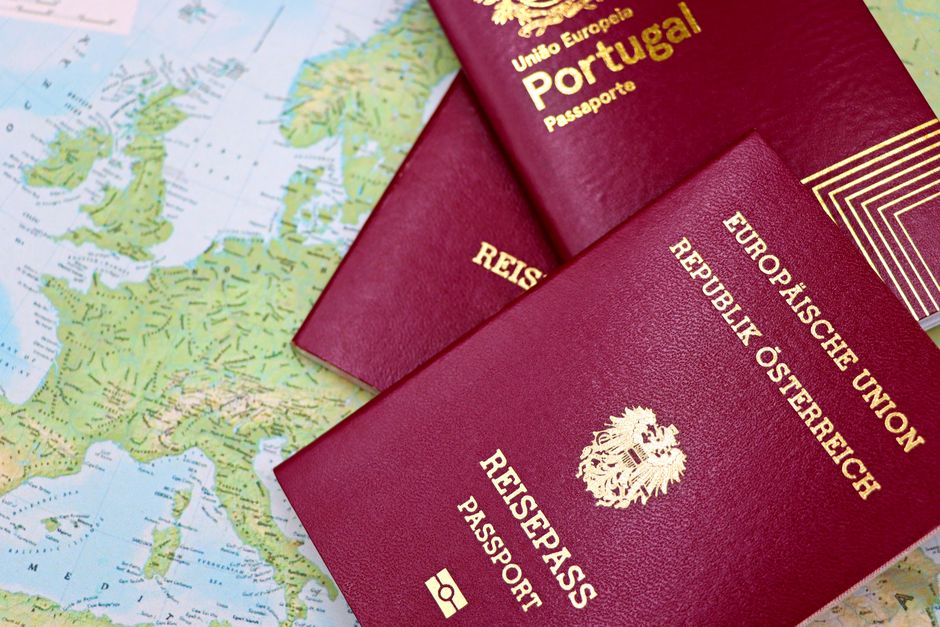
TL;DR: A past Schengen overstay does not automatically block ETIAS. If it led to an entry ban recorded in EU systems, your application can be refused; without a ban, most travellers are approved. ETIAS costs €20, lasts three years, and refused applicants have a right to appeal. Always answer the form truthfully.
Önemli Bilgiler
ETIAS geç 2026'de başlıyor — ilk öğrenenler arasında yer alın
Başvurular açıldığında bir e-posta alın. Spam yok.
- ETIAS screens applicants against EU databases, so an active entry ban can cause a refusal.
- A minor past overstay with no ban recorded does not automatically prevent approval.
- The 90/180 rule allows 90 days in any 180 days; going over even by a few days is an overstay (Your Europe, 2026).
- ETIAS costs €20 and is valid for three years or until your passport expires (European Commission, 2025).
- Refused applicants have the right to appeal in the member state that made the decision.
- Most approvals take minutes, but flagged cases can take up to 30 days for manual review.
| Hızlı Bilgiler | Detay (2026) |
|---|---|
| Overstay with no ban | Usually approved |
| Overstay that led to a ban | Can be refused while ban is active |
| What ETIAS checks | EU security and immigration databases |
| Ücret | €20 (18 yaş altı / 70 yaş üstü ücretsiz) |
| If refused | Right to appeal and reapply |
| Honesty | Her soruyu doğru bir şekilde yanıtlayın |
Before worrying about the past, it helps to understand how the days are counted in the first place. Our 90/180 rule tracker explains the maths, the overstay penalties guide covers fines and bans, and the ETIAS explainer sets out what the authorisation is.
Can you get ETIAS after a Schengen overstay?
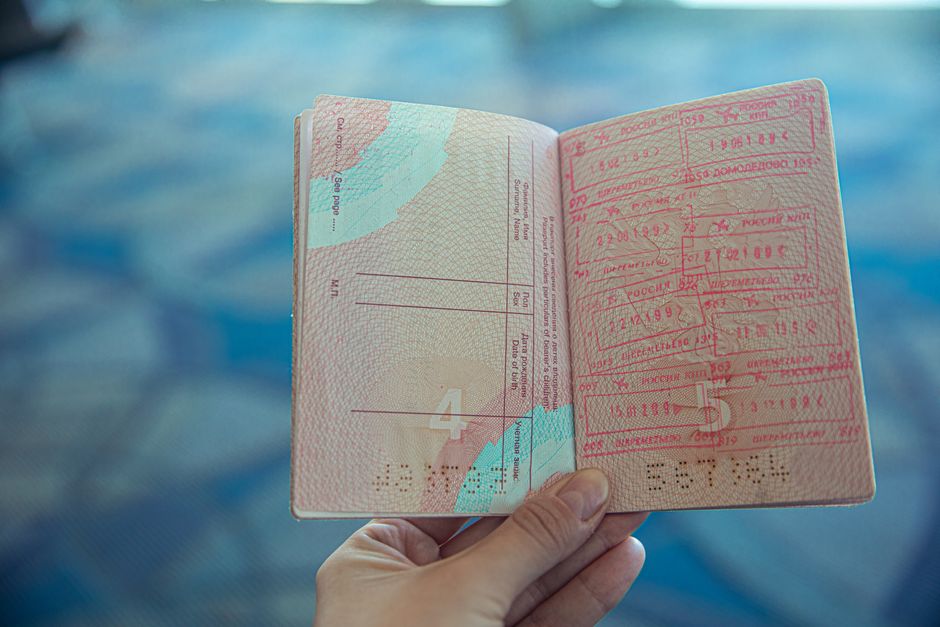
You can usually get ETIAS after a Schengen overstay if no formal entry ban followed it. ETIAS is not a blanket punishment for past mistakes; it is a pre-travel screening that checks whether you pose a documented risk. A traveller who once overstayed by a handful of days, paid any penalty and left, and was not banned, will most often be approved. The pivotal question is not ‘did I overstay?’ but ‘is there an active ban or alert against me?’ Those are very different things.
An overstay and an entry ban are separate outcomes. Many overstays end with a warning or a fine at departure and nothing more; some, especially longer or repeated ones, lead a member state to issue a ban and record it in EU systems. ETIAS also checks the Entry/Exit System for past overstays, which can send an application for manual review, but it is an active ban that typically leads to a refusal. To grasp how the days work, start with our 90/180 tracker ve Schengen versus non-Schengen guide.
If you are unsure whether a ban was ever imposed, that uncertainty itself is worth resolving before you apply. The overstay penalties guide explains how bans are decided and how long they can last, which varies by country and circumstance.
How an overstay can turn into an entry ban

An entry ban is a formal decision by a Schengen state, not an automatic consequence of every late departure. Border authorities weigh the length of the overstay, whether it was deliberate, and your history. A short accidental overstay is often handled with a fine; a long or repeated one is more likely to bring a ban recorded in the Schengen Information System. Because the ban lives in a shared EU database, it follows you across the whole zone — not just the country where it was issued.
Consider two travellers. One misreads the 90/180 rule and leaves 4 days late from Spain, pays a small penalty and flies home; no ban is entered. Another stays roughly 120 days without permission and is escorted out; a multi-year ban is recorded. When both later apply for ETIAS, only the second is likely to hit a wall, because only the second has an active alert. The shared nature of these systems is explained in our data protection guide ve EES-and-ETIAS explainer, which is why accurate day-counting matters so much (Avrupa Komisyonu, 2026).
The new Entry/Exit System makes overstays far easier to detect, because it logs each entry and exit automatically rather than relying on ink stamps. That is more reason to keep within the limit in future — the penalties guide spells out the stakes.
What ETIAS actually checks against

ETIAS cross-references your application against EU security, border and immigration databases, including the Schengen Information System, and against a watchlist. If nothing matches, approval is usually automatic within minutes. If something flags — an alert, a discrepancy, a security-question answer — the case goes to manual review that can take up to 30 days. The check is about documented risk, not moral judgement, so a clean record with no active alert clears the system quickly whatever happened years ago.
The application asks security questions and cross-checks your identity; answering them accurately is not optional. Our security questions guide walks through what is asked, and the criminal-record questions guide covers the related area travellers ask about most. The official scope of ETIAS is set out on the Commission’s what-is-ETIAS page.
A refusal is not a life sentence. It reflects the situation at the time of applying, so once a ban expires or an issue is resolved, a fresh application can succeed. Read the wider criteria in our gereksinimler rehberi.
Applying for ETIAS after a Schengen overstay: be honest, plan ahead

When you apply after a late departure, answer every question truthfully and give yourself plenty of time. A false answer is far more damaging than the overstay itself, and a flagged case may need up to 30 days of review. File weeks ahead of any trip, never the day before, so a manual check cannot wreck your plans. Honesty is the practical strategy as well as the ethical one: the system already holds the records, so a mismatch between your answers and the database is what triggers trouble.
- Check your own history first. Work out whether a ban was ever imposed, and if so, whether it has expired.
- Answer honestly. Never hide a past issue on the form; a discrepancy is worse than the underlying fact.
- Erken başvur. Allow the full 30 days in case the case is sent for manual review.
- Keep evidence. Save any proof that a penalty was paid or a ban has lapsed, in case you are asked.
- Karar için bekleyin. Do not book non-refundable travel until you hold an approved authorisation.
Follow the general process in our adım adım başvuru kılavuzu, prepare with the belgeler kontrol listesi, avoid common slips with the application errors guide, and confirm the price on the ETIAS maliyet rehberi.
If your ETIAS is refused after an overstay
A refusal is not the end of the road. Every rejected applicant is told the main reason and has the right to appeal in the member state that made the decision. If the block is an entry ban, you generally must wait for it to expire; if it is a data error, you can correct it and reapply. Either way, there is a defined path forward. Treat a refusal as information, not a verdict — it tells you what the system objects to, and that is usually fixable in time.
Say an applicant is refused because of a years-old ban they thought had lapsed. The refusal letter points to the reason; they check the ban’s expiry, wait if needed, and reapply once it is gone. Our refused-application guide ve appeal and re-apply guide explain the timing and the paperwork, while the rejection reasons guide lists the common grounds. Pull the whole trip together with the tam seyahat kontrol listesi.
If your case is genuinely borderline, professional help can be worth it to present the facts clearly. The official appeal rights sit under the Commission’s ETIAS guidance, and our Schengen area guide confirms which country decided your case.
Pro tip: Never try to hide a past overstay on the application. The Entry/Exit System and other shared databases may already hold the record, so a false answer creates a mismatch that can turn a routine approval into a refusal. The overstay is rarely the problem — a dishonest form is.
Worried a late departure years ago will complicate your ETIAS decision? When the portal opens you can apply directly on the EU site for €20, or let us review your history and submit the application accurately so nothing is misstated. Start with the ETIAS maliyet rehberi ve step-by-step application, then travel with a clear picture.
Sık Sorulan Sorular
Can you get ETIAS after a Schengen overstay?
Usually yes, unless the overstay led to a formal entry ban that is still active. ETIAS checks you against EU databases, so a recorded ban can cause a refusal, while a minor past overstay with no ban often clears within minutes. The record, not the memory of the overstay, decides it.
Will a short overstay show up in my ETIAS application?
A short overstay that ended with a warning or fine and no ban is not usually a barrier to approval. However, ETIAS automatically checks the Entry/Exit System (operating since October 2025) for current or past overstays, so a recorded overstay can send your application for manual review — that is not an automatic refusal; active bans and alerts are what usually lead to one.
Should I mention a past overstay on the ETIAS form?
Answer every question truthfully. If a question is relevant to your history, do not conceal it — the databases already hold the facts, and a mismatch between your answers and the record is far more damaging than the overstay itself. Honesty is both the ethical and the practical choice.
How long does an entry ban last?
It varies by member state and circumstances, from months to several years, and is set case by case rather than by a single fixed figure. While a ban is active, an ETIAS application is likely to be refused. Once it expires, a fresh application can succeed.
What happens if my ETIAS is refused because of an overstay?
You are told the main reason and can appeal in the country that made the decision. If the cause is an active ban, you generally wait for it to expire and reapply; if it is a data error, you correct it. A refusal reflects your situation now, not forever.
Does the Entry/Exit System make overstays easier to catch?
Yes. The EES logs each entry and exit automatically, replacing manual stamps, so overstays are recorded precisely. That makes accurate day-counting more important than ever, and it is why staying within the 90-days-in-180 limit protects future ETIAS applications.
Can I reapply for ETIAS after a refusal?
Yes. A refusal is not permanent. Once the underlying reason is resolved — a ban expires, or a data error is corrected — you can submit a new application. Keep any evidence that the issue is settled, and apply well ahead of any planned travel.
We are an independent travel assistance service, not a government body. Once ETIAS launches, you will be able to apply directly on the official EU portal for €20, or use our checking and support service. Decisions on overstays, entry bans and ETIAS are made by EU authorities under rules that can change, so confirm your own situation before you travel.
Yazar hakkında. Anna Reinholt — Travel Documentation Editor, europe-visa.eu. Every guide is checked against official European Commission and gov.uk sources before publication.
Last updated: 2026-07-29 — verified against official European Commission sources.
 English
 Shqip
 العربية
 Français
 ქართული
 עִבְרִית
 简体中文
 香港中文
 繁體中文
 Español
 Português do Brasil
 日本語
 한국어
 Bahasa Melayu
 Українська
 Română
 Српски језик
 Türkçe