Whether you need ETIAS for an airport layover in Europe depends on one thing: do you cross the border into the Schengen Area, or stay airside in the international transit zone? Stay airside and you usually need nothing. Pass through passport control — even just to change terminals — and you enter Schengen, which — once ETIAS launches (no official start date yet) — means a €20 ETIAS. This guide makes the rule simple.
長話短說: A pure airside airport layover, where you never clear passport control, does not require ETIAS. The moment you cross into Schengen — to switch airports, collect and recheck bags, or connect between two Schengen flights — you will need a €20 ETIAS once the system launches — the EU has dropped its late-2026 target and not yet set a new date. Once it opens, if unsure, apply anyway; it lasts three years.
| Quick facts | 詳情 (2026) |
|---|---|
| Airside transit (no border crossing) | ETIAS usually not required |
| Layover that enters Schengen | ETIAS required (€20) |
| ETIAS 推出 | Not yet set (late-2026 target dropped) |
| ETIAS 有效期 | 3 年或直到護照到期 |
| Fee waiver | Free under 18 and over 70 |
Key facts before your connecting flight:
ETIAS 將於 2026 年末推出 — 搶先了解
應用程式開放當日收到一封電郵。不會發送垃圾郵件。
- ETIAS is tied to entering the Schengen Area, not to being inside an airport (European Union ETIAS portal).
- The fee is €20, waived for travellers under 18 and over 70 (歐盟委員會,2025年7月17日).
- Once granted, ETIAS is valid for 3 years or until your passport expires, whichever comes first (EU: what is ETIAS).
- Connecting between two Schengen flights almost always means clearing immigration at the first Schengen airport — so ETIAS applies.
Confused about where Schengen starts and stops? Our ETIAS and Schengen explainer untangles the map before you book connecting flights.
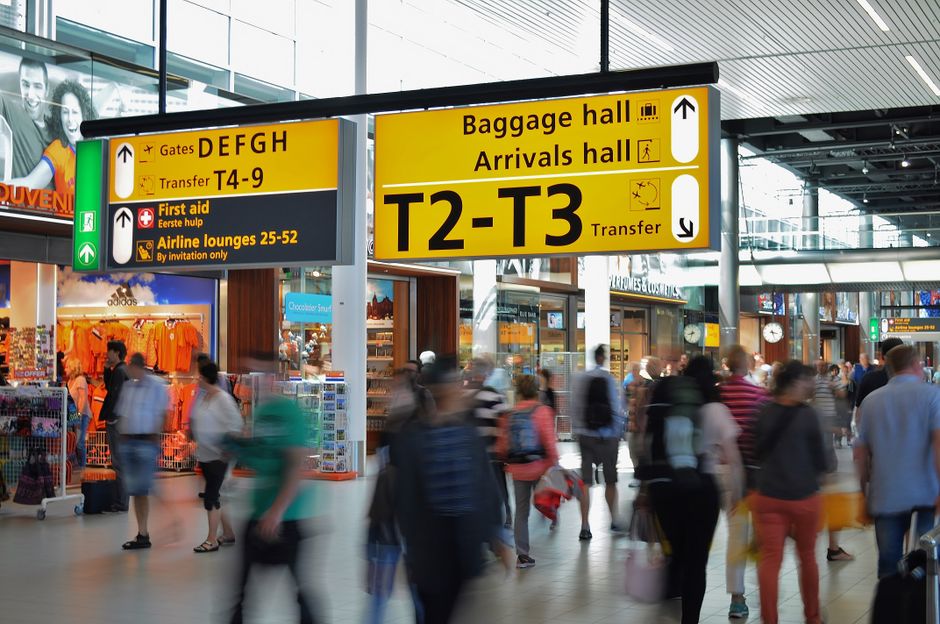
Do you need ETIAS for an airport layover in Europe?
You need ETIAS for an airport layover only if the layover takes you across the Schengen border; a transit that keeps you airside in the international zone does not require it. The rule hangs on the border, not the building. If you never present your passport to a border officer, you have not legally entered Schengen — and ETIAS covers entry, not sitting in a departure lounge.
Here is where it bites. Many European hub airports route connecting passengers straight through passport control, even when your onward flight leaves from the same terminal. Frankfurt, Amsterdam Schiphol and Paris Charles de Gaulle all channel certain connections through immigration. The second an officer stamps you in, your connection has become a Schengen entry.
Compare two travellers. One connects in Doha airside, never crossing a border, and needs no ETIAS for that stop. The other connects in Madrid, clears passport control to reach the gate, and does need ETIAS. Same idea — a connecting flight — but only one crosses the line.
| Layover type | Cross the border? | 需要 ETIAS 嗎? |
|---|---|---|
| Airside international transit | 沒有 | 沒有 |
| Schengen-to-Schengen connection | Yes (entry at first airport) | 是 |
| Change of airport in the same city | 是 | 是 |
| Overnight layover leaving the airport | 是 | 是 |
Airside transit versus entering Schengen: the line that decides it
Airside transit means you remain in the sterile international zone between security and the gate, never passing a border booth; entering Schengen means you clear immigration and step onto EU soil. That single distinction settles almost every transit question. Non-EU visa-free travellers only trigger the ETIAS requirement when they enter, which is why a self-contained transit slips under it.
Watch for the traps. Collecting checked luggage forces you landside, through the border. A boarding pass that says “terminal change via arrivals” is a quiet warning. Long gaps between flights sometimes push airlines to route you through immigration so you can wait in the public concourse. Read your connection carefully, because the airport, not you, often decides the path.
專業提示: If your two flights are on separate tickets, you almost always have to collect bags and re-check them — which means clearing the border and needing ETIAS. Book a single through-ticket where you can, and your bags stay airside.
For the full breakdown of how borders work by air, land and sea, see our guide to ETIAS air, land and sea entry rules and the practical ETIAS airport procedures walkthrough.
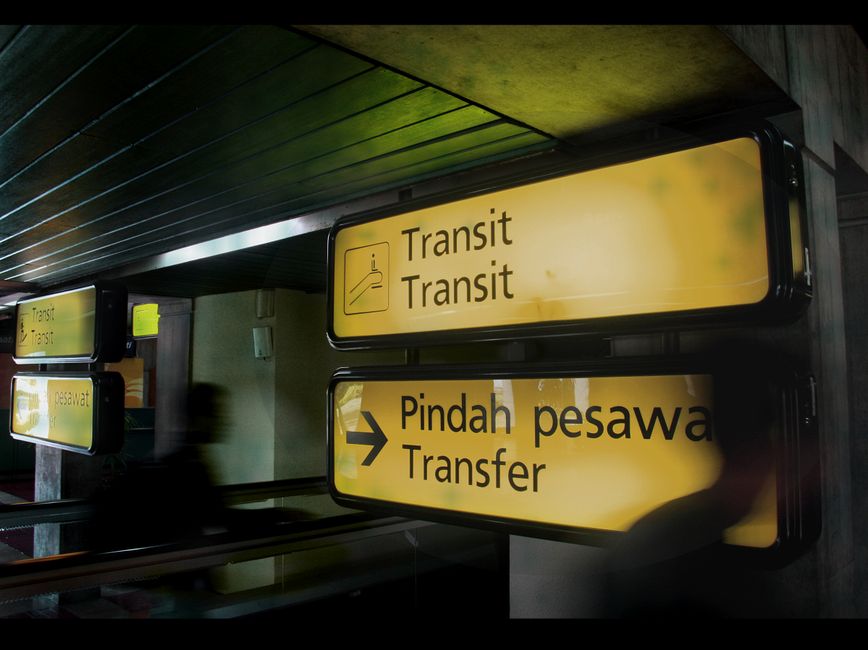
When does an airport layover actually require ETIAS?
An airport layover requires ETIAS whenever the connection forces you through passport control — a Schengen-to-Schengen transfer, a change of airport, an overnight stop outside the terminal, or any route where you must collect and re-check baggage. These four cases catch most travellers who are caught out by the rules. Each one crosses the border, and each one needs the €20 authorisation.
- Two Schengen flights: flying London–Munich–Athens, you clear immigration in Munich and enter Schengen. ETIAS required.
- Airport swap: landing at Paris Orly and departing Charles de Gaulle means leaving airside entirely. ETIAS required.
- 過夜停留: a 14-hour stop where you check into an airport hotel outside security. ETIAS required.
- Separate tickets: two unconnected bookings usually force a bag re-check through arrivals. ETIAS required.
Real scenario: a family flies New York–Lisbon–Faro for a summer holiday. They assume Lisbon is “just a change”, but Portuguese immigration stamps them in before the domestic-style hop to Faro. Once ETIAS is live and mandatory, travelling without it could mean being refused at the gate in New York. Check the 2026 ETIAS requirements before you fly, and know the ETIAS 費用 in advance. Rather not risk the guesswork? We can review your route and submit the application for you.
How to check whether your airport layover needs ETIAS
To check whether your airport layover needs ETIAS, confirm three things: your nationality’s ETIAS status, whether the connection stays airside, and whether both flights sit on one ticket. Five minutes of checking beats a denied boarding. The airline’s transit desk and the airport’s own connection maps are your best sources, not travel forums.
- Check your passport’s status: confirm your country is on the ETIAS-eligible list in our ETIAS 國家清單.
- Trace the connection: ask the airline whether you stay airside or pass through passport control at the hub.
- Confirm the ticketing: one booking usually keeps bags checked through; two bookings usually do not.
- When in doubt, apply: a €20 ETIAS valid for three years is cheaper than a missed flight. Most decisions are expected within minutes, but some can take up to 4 days — or up to 30 days if extra information or an interview is requested.
Planning several stops? A single ETIAS covers your whole Schengen trip, so a layover and a holiday run off one authorisation. Our multi-country validity guide 和 multi-stop planning guide show how it works. You can also apply for ETIAS step by step in about ten minutes.
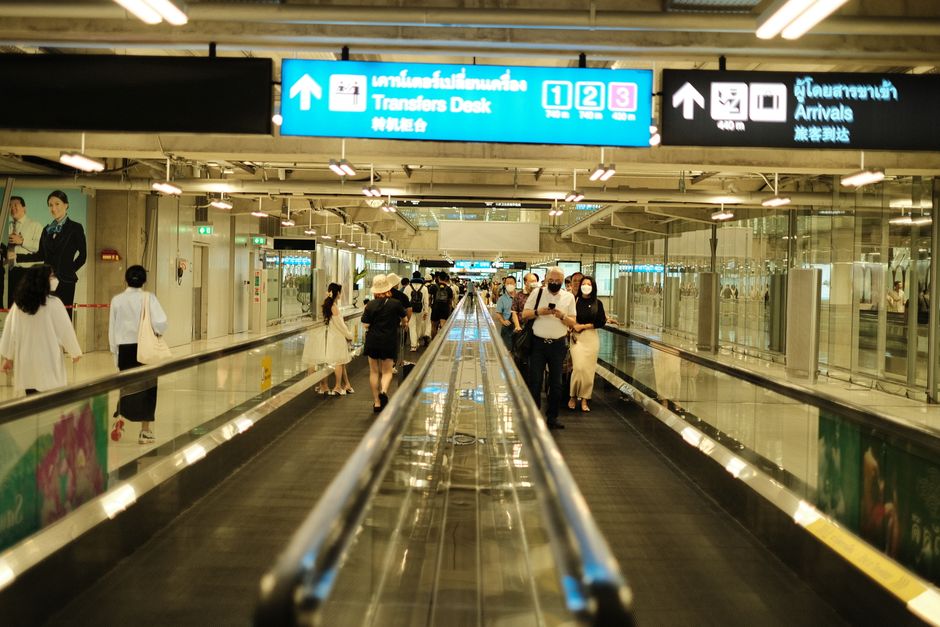
Practical tips for a smooth European layover
A little planning turns a tight European connection from a stress test into a coffee break, whether or not you cross the border during your stop. Most missed connections come down to underestimating how long immigration and re-checking bags actually take at a busy hub airport.
- Allow real transfer time: major hubs recommend at least 90 minutes for connections that cross the border, and 60 minutes even for airside transfers.
- 提早申請 ETIAS: apply days ahead, not at the gate — see the 申請指南, and check current advisories on 英國外交部旅遊建議.
- Know your documents: our ETIAS documents checklist lists what to carry.
- Mind the airport shuffle: if you change airports, budget for city traffic and a second security screening.
- Ireland is different: it is not in Schengen — read why Ireland sits outside ETIAS.
One €20 authorisation, three years of trips, and no gate-side panic. If you would rather hand the form to someone else, we complete and check ETIAS applications so a layover never derails your journey.
常見問題
Do I need ETIAS for an airport layover if I never leave the terminal?
Usually no. If your layover keeps you airside in the international transit zone and you never clear passport control, you have not entered Schengen and ETIAS is not required. The rule changes the moment you cross the border.
Does a connection between two Schengen flights need ETIAS?
Yes. Connecting between two Schengen flights means you clear immigration at the first Schengen airport, which counts as entering the area. You will need a €20 ETIAS for that journey once the system launches — the EU has not yet set a start date.
What if I have to collect and re-check my bags?
Collecting checked luggage forces you landside through passport control, so you enter Schengen and need ETIAS. This is common when your flights are booked on two separate tickets.
How much does ETIAS cost for a layover?
The same as for any trip: €20, and free for applicants under 18 and over 70. One authorisation covers the layover and your onward travel for three years.
Does changing airports in the same city need ETIAS?
Yes. Moving from one airport to another — Paris Orly to Charles de Gaulle, for example — means leaving airside entirely and crossing the border, so ETIAS applies.
我能在過境時在機場申請 ETIAS 嗎?
No. Apply online before you travel, ideally days ahead. Decisions are often quick, but leaving it to the gate risks a denied boarding. Use our step-by-step application guide.
Is an airport layover treated differently from a normal entry?
No. Once you cross the Schengen border, an airport layover is treated exactly like any other entry and needs ETIAS. Only pure airside transit avoids the requirement.
About the author: written by the europe-visa.eu editorial team, specialists in ETIAS and Schengen travel rules for non-EU visitors. We have guided thousands of travellers, families and seniors included, through connections and applications. Updated: 2026-10-05.
europe-visa.eu is an independent travel-information and assistance service. We are not a government body. ETIAS can be applied for directly on the official EU portal for €20, or with our checking and support.
Last updated: 2026-10-05 — verified against official EU ETIAS information.
 English
 Shqip
 العربية
 Français
 ქართული
 עִבְרִית
 简体中文
 香港中文
 繁體中文
 Español
 Português do Brasil
 日本語
 한국어
 Bahasa Melayu
 Українська
 Română
 Српски језик
 Türkçe