ETIAS 與申根簽證之間的主要區別很簡單:ETIAS 是針對免簽旅客的 €20 線上旅遊授權,而非免簽國籍的人士則需要申請完整簽證。 本比較說明您需要哪一種、每種的費用以及審批時間,以便來自美國、英國及其他地區的旅客能夠有把握地規劃行程。現在了解兩種方案可防止日後在邊境處發生昂貴的錯誤。
TL;DR: 簡言之,ETIAS 費用為 €20,有效期為三年,適用於免簽國家居民的 90 天以內停留。標準申根簽證費用約 €90,為特定日期簽發,非免簽國籍人士需持有。您需要其中之一,永不兩者兼得。
| 特點 | ETIAS | 申根簽證 |
|---|---|---|
| 誰需要 | 免簽證國家的國民 | 需要簽證的國民 |
| 費用 | €20 | ~€90(成人) |
| 有效性 | 3 年 | 特定行程,通常最長5年多次入境 |
| 處理 | 數分鐘–30天 | 最長15–45天 |
| 應用 | 完全線上 | 領事館/簽證中心 |
如欲了解此比較中授權方面的背景資訊,請閱讀我們關於以下內容的詳解說明: 2026 年 ETIAS 授權。您可以在以下網站確認這兩項計畫: 歐盟 ETIAS 官方網站 (2026 年 6 月 22 日查閱)。
ETIAS 將於 2026 年末推出——搶先了解
應用程式開放當天發送一封電子郵件。無垃圾郵件。
ETIAS vs 申根簽證:核心差異是什麼?
核心差異在於申請資格:ETIAS 適用於約 60 個免簽國家,而簽證則適用於其他所有需要事先批准才能進入歐洲的人士。ETIAS 根本不是簽證;它是一種電子旅行授權,在出發前對免簽旅客進行審查,而簽證本身仍然是領事機構在全面評估每位申請人後簽發的領事文件。
這一區分之所以重要,是因為這兩份文件具有不同的法律用途。授權是一項輕觸式的出行前安全檢查,旨在反映美國ESTA等系統。相比之下,簽證是由成員國領事館在審查您的旅行目的、財務狀況和意圖後做出的主權決定。因此,當人們比較授權與簽證時,他們比較的是邊境管理系統的兩層而不是兩種可互換的產品。
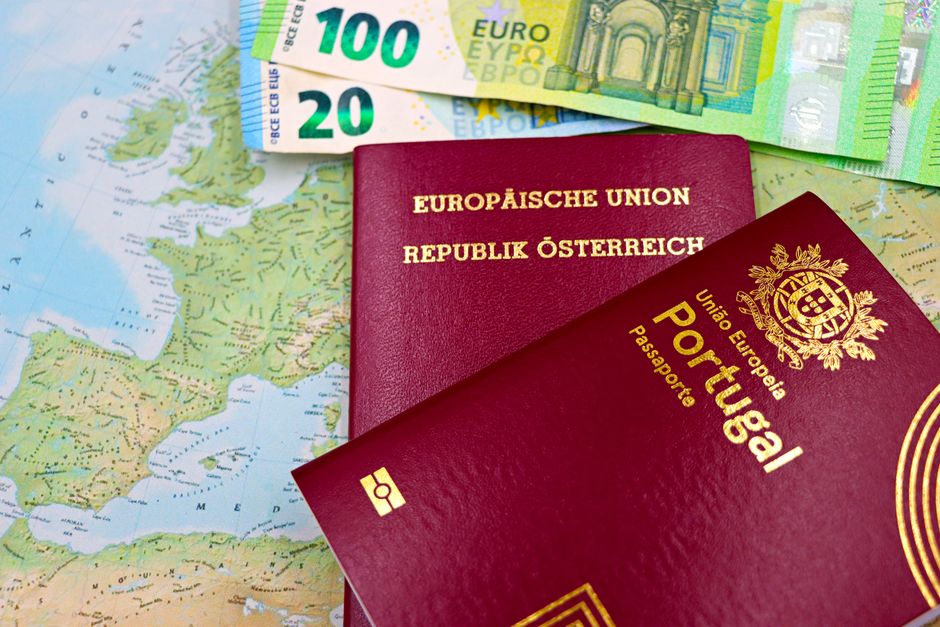
根據歐盟數據,該計劃將適用於約60個免簽國家,涵蓋30個歐洲目的地(歐盟委員會ETIAS,檢索於2026年22/06)。€20 ETIAS費用在歐盟2024年決定中固定,遠低於歐盟簽證法典規定的標準成人申根簽證費用€90(歐盟ETIAS概述,最後於2026年6月22日檢查)。若要查看您屬於哪一類別,請參閱我們的指南 ETIAS 符合資格的國籍.
兩種方案的費用和有效期比較
就費用和有效期而言,對符合條件的人士來說,ETIAS在兩方面都更勝一籌:€20對比約€90,以及三年的有效期對比特定行程簽證。單一ETIAS可涵蓋其有效期內無限次的短期行程,而短期停留簽證通常與特定旅遊日期和單次預計訪問有關,因此經常出行的旅客從該授權方式中獲益更多。
一旦考慮到實際情況,財務差距會進一步擴大。簽證申請可能涉及前往大使館、文件快遞費用,有時還需支付外部簽證中心的服務費。ETIAS無需這些額外費用,因為整個程序都在線上進行。在三年內,免簽證旅客若多次訪問歐洲,只需支付€20一次,而需要簽證的旅客可能每次新行程超出現有多次入境簽證的有效期時就要支付€90,費用會不斷累積。
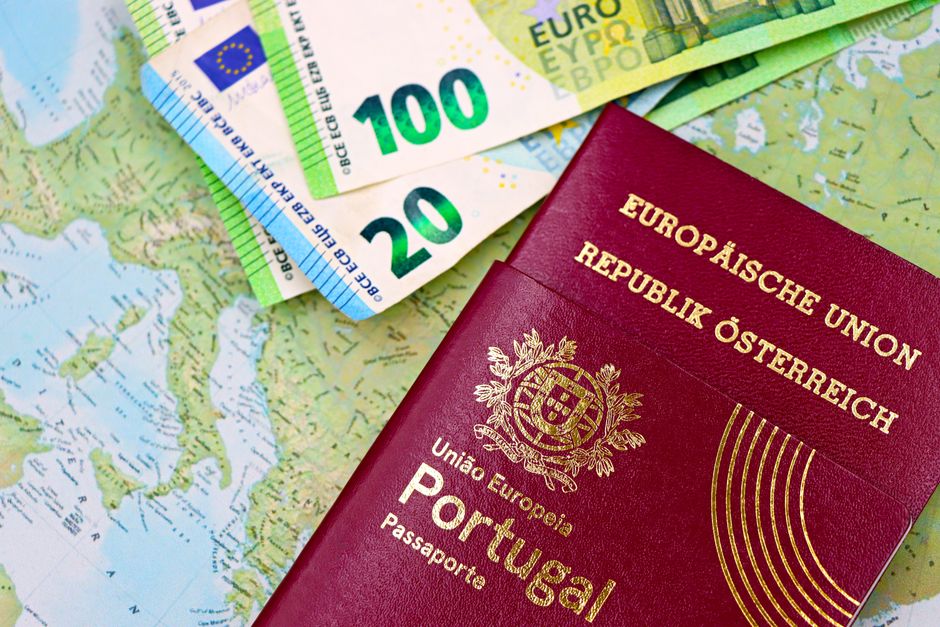
EU確認ETIAS有效期為三年或至護照過期時止,以先到者為準(EU ETIAS有效期規則,查閱日期為2026年6月22日)。相比之下,自2020年簽證法典修訂以來,標準申根簽證費用對成人一直為€90,兒童費用有所降低。但是,兩者都享有相同的180天內90天短期停留上限。請透過我們的詳細比較授權方面 ETIAS簽證費用指南.
專業提示: 切勿同時申請兩者。您的國籍決定您需要哪一個。如果您是美國、英國、加拿大或澳大利亞公民,您需要ETIAS——而非完整簽證——用於短期旅遊或商務旅行。
ETIAS與申根簽證:停留限制與90/180規則
兩種計劃共享一個停留限制:在跨越30國地區的任何滾動180天時段內停留90天。無論是授權還是簽證都不能延長這個短期停留上限,兩者都不允許工作或學習。無論您是持ETIAS還是護照上的申根貼紙入境,相同的滾動規則都適用。
此滾動規則是按天計算,而非按日曆年計算,許多旅客正是在這一點上出錯。在任何特定日期,您需要向後計算180天,並加總已在該地區內停留的天數;總數不得超過90天。有效期為五年的多次入境申根簽證不會改變這一點——它只是讓您可以反覆越過邊界,但每次停留仍會消耗那90天的額度。ETIAS的行為完全相同,在其三年有效期內允許多次入境,但上限保持不變。
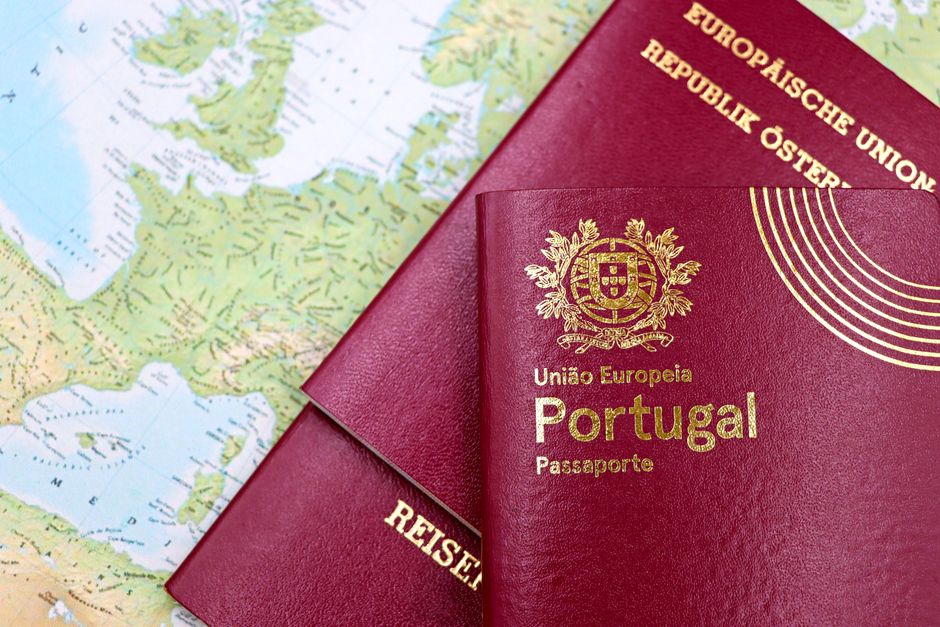
歐盟在30國計劃中將短期停留限制固定為每180天期間90天(European Union short-stay rules, consulted 22/06/2026). For stays beyond this limit, both travellers — visa-exempt and visa-required alike — must apply for a national long-stay visa or residence permit from the specific country concerned. The Commission stresses that the authorisation is strictly for short stays and confers no additional right to remain (歐盟委員會 ETIAS 範圍,2026 年 6 月 22 日查閱)。
授權和簽證之間的申請流程差異
申請 ETIAS 是一份 10 至 20 分鐘的線上表格,而簽證途徑則需要在領事館或簽證中心進行面試、生物辨識和提交支援文件。這種努力程度的差異是歐盟創立該授權的實際原因:在保持低風險免簽旅行快速的同時,仍可在出發前進行事先篩查。
對於 ETIAS,您只需填寫一份網表、回答安全和健康問題、以卡付款 €20,在大多數情況下會在關閉瀏覽器分頁前獲得批准。無需親自到場。相比之下,領事途徑通常需要預訂面試、指紋、最近的照片、住宿和資金證明、旅遊保險和回程票。缺少任何一份文件都可能意味著需要重新預訂並重新開始,這正是簽證途徑通常需要提前數週規劃的原因。

委員會預期大多數 ETIAS 申請將在數分鐘內獲得批准,人工審查將在 14–30 天內完成(歐盟委員會 ETIAS 處理,最後瀏覽日期為 2026 年 6 月 22 日)。相比之下,申根簽證決定通常需要 15 個日曆日,最長可達 45 天。如欲了解授權時間表,請閱讀我們的 ETIAS 批准時間表指南.
| 步驟 | ETIAS | 申根簽證 |
|---|---|---|
| 您提交申請的地點 | 在線門戶網站/應用程式 | 領事館或簽證中心 |
| 生物辨識 | 申請不需要 | 指紋和照片 |
| 典型等待時間 | 分鐘(最多 30 天) | 15–45 天 |
你需要哪一個,以及誰必須申請?
如果您的國籍免簽,則需要 ETIAS;如果不是,則需要簽証——您的護照而非您的偏好決定。兩者均適用相同的 90/180 天限額,且兩者都不允許長期工作或學習,長期工作或學習始終需要從目的地國家在您出行前獲得單獨的國家簽証或居留許可。
實際上,美國、英國、加拿大、澳大利亞、日本及大約 55 個其他免簽國家的公民將使用 ETIAS 進行旅遊、商務或過境。來自需要簽証國家的旅行者——名單要長得多——仍必須從主要目的地國家的大使館獲得簽証。如果您持有雙重國籍,您可以使用護照中給您提供更便利路線的那本,但您必須在整個旅程中使用與您註冊的授權或簽証相同的護照。
布魯塞爾將短期停留限制在 30 個國家區域內任何滾動 180 天時間窗口內最多 90 天(歐盟 ETIAS 規則,檢索日期 2026 年 6 月 22 日)。兩份文件僅授權這種短期停留。如果您計劃停留更長時間,兩者都不夠。如需了解替代方案概況,請查看我們的 申根簽証 2026 指南.
- 提示 1: 在申請任何簽證前,請在官方歐盟名單上確認您的國籍身份’s。
- 提示 2: 準備 €20 用於 ETIAS 或約 €90 用於完整簽證,不是兩者。
- 提示 3: 如需停留超過 90 天,請改為研究國家長期居留簽證。
要解決 ETIAS 或簽證的決定:讓您的國籍為主導。 免簽證旅行者完成快速、低成本的線上授權,有效期為三年,而需要簽證的旅行者則提前規劃與其旅行相關的簽證。 無論哪種方式,您都遵守相同的 90/180 短期停留限制,如需停留更長時間,請另行申請。
常見問題
ETIAS 和申根簽證之間有什麼區別?
ETIAS 是一種針對免簽國民的 €20 在線旅行授權,有效期三年。申根簽證是針對需要簽證國民的完整簽證,費用約 €90,與具體旅行相關。根據國籍,您只需要其中一種。
ETIAS 比申根簽證便宜嗎?
可以。ETIAS 費用為 €20,而標準成人申根簽證費用約為 €90。ETIAS 也完全在線進行,通常在幾分鐘內獲批。
我能選擇 ETIAS 而不是申根簽證嗎?
不。您的國籍決定了您需要哪一種。免簽旅客使用 ETIAS;需要簽證的國民必須獲得申根簽證,無法以 ETIAS 替代。
ETIAS 和申根簽證的停留限制相同嗎?
是的。兩者都允許在任何 180 天期間內停留最長 90 天。兩者都不允許長期停留、工作或學習,除非獲得單獨的國家簽證。
ETIAS 會取代申根簽證嗎?
否。ETIAS 不會取代申根簽證。它為已免簽的旅客增加了旅前檢查,而需要簽證的國民仍然需要申請申根簽證。
每個需要多長時間才能獲得?
ETIAS 通常在數分鐘內獲批,罕見情況下最長可達 30 天。申根簽證通常需要 15 天,最長可延至 45 天。
哪些國家接受 ETIAS 和申根簽證?
兩者涵蓋相同的約 30 個歐洲國家集團,包括申根區及相關國家。愛爾蘭既不參與其中,並保持自己的規則。
最後更新:2026-06-22 — 已根據 gov.uk 時間表驗證。
 English
  Shqip
Shqip  العربية
  Français
  ქართული
  עִבְרִית
  简体中文
简体中文  香港中文
香港中文  繁體中文
繁體中文  Español
  Português do Brasil
  日本語
日本語  한국어
한국어  Bahasa Melayu
  Українська
  Română
  Српски језик
  Türkçe