The biggest airport in Europe by passenger numbers is Istanbul Airport, but among Schengen hubs that need ETIAS, Paris Charles de Gaulle, Amsterdam Schiphol, Madrid and Frankfurt lead the pack. This guide ranks the continent’s largest airports, explains which ones require an ETIAS authorisation, and shows how to move through a giant hub on arrival without stress.
TL;DR: Istanbul handled over 80 million passengers, making it the busiest in Europe, ahead of London Heathrow at around 79 million. Among Schengen airports — where the €20 ETIAS will apply from the last quarter of 2026 — Paris CDG, Amsterdam, Madrid and Frankfurt are the largest, each serving 59–67 million passengers a year.
| Швидкі факти | Деталі (2026) |
|---|---|
| Busiest in Europe | Istanbul Airport (80M+ passengers) |
| Busiest in the EU/Schengen | Paris Charles de Gaulle (~67M) |
| Most runways | Amsterdam Schiphol (6 runways) |
| ETIAS needed? | Yes for Schengen hubs; no for Istanbul or Heathrow |
| Плата ETIAS | €20, дійсна до 3 років |
| ліміт перебування в Шенгені | 90 днів у будь-якому 180-денному періоді |
Knowing your arrival hub helps you plan entry and transfers. Pair this with our guide to the топ аеропортів ЄС для першого в'їзду ETIAS і процедури в аеропортах Європи.
ETIAS запускається наприкінці 2026 року — будьте серед перших, хто дізнається
Одне повідомлення в день, коли відкриються заявки. Без спаму.
What is the biggest airport in Europe in 2026?

The biggest airport in Europe by total passengers in 2026 is Istanbul Airport, which has overtaken London Heathrow to handle more than 80 million travellers a year across its vast single-terminal design. By land area it is also one of the largest airports on the planet, built to scale toward 200 million annual passengers.
However, “biggest” depends on the measure. Heathrow leads on international passengers, Amsterdam Schiphol has the most runways at six, and Paris Charles de Gaulle is the largest within the Schengen Area. Air transport across the European Union is regulated and tracked centrally (Європейська комісія, повітряний транспорт, accessed 23 June 2026), and detailed passenger statistics are published by the EU statistics office (Eurostat, доступно 23 червня 2026 р.).
Порада професіонала: The “biggest” hub is not always the easiest. A mega-airport can mean a 25-minute walk between gates, so when booking connections allow at least 90 minutes for an international-to-international transfer at any of the giants.
The biggest airports in Europe ranked

Ranked by annual passengers, the largest airports in Europe are Istanbul, London Heathrow, Paris Charles de Gaulle, Amsterdam Schiphol, Madrid Barajas and Frankfurt, together moving hundreds of millions of travellers every year. Four of these six sit inside the Schengen Area and will fall under ETIAS rules.
| Аеропорт | Approx. passengers/year | ETIAS area? |
|---|---|---|
| Istanbul (IST) | ~80 million | No (Turkey) |
| London Heathrow (LHR) | ~79 million | Ні (Великобританія) |
| Paris Charles de Gaulle (CDG) | ~67 million | Так. |
| Amsterdam Schiphol (AMS) | ~62 million | Так. |
| Madrid Barajas (MAD) | ~60 million | Так. |
| Франкфурт (FRA) | ~59 million | Так. |
If you are connecting through one of these on the way to a smaller destination, see our найкращих європейських напрямків roundup and city guides such as Париж, Амстердам і Мадрид.
Size brings both advantages and trade-offs. The largest hubs offer the widest choice of direct long-haul routes, the most frequent connections, and the best onward rail links, which is why they dominate transatlantic and intercontinental traffic. The downside is scale itself: longer walks, bigger immigration halls and more complex terminal layouts. For many travellers a mid-sized airport closer to their final destination is the smarter choice, saving both a domestic connection and the stress of a sprawling terminal. Weigh route, price and transfer time together rather than chasing the famous name. A connection through a quieter regional airport can also clear immigration far faster, since queues at the busiest hubs swell sharply during morning and evening banks of arriving long-haul flights.
Which big European airports need ETIAS?
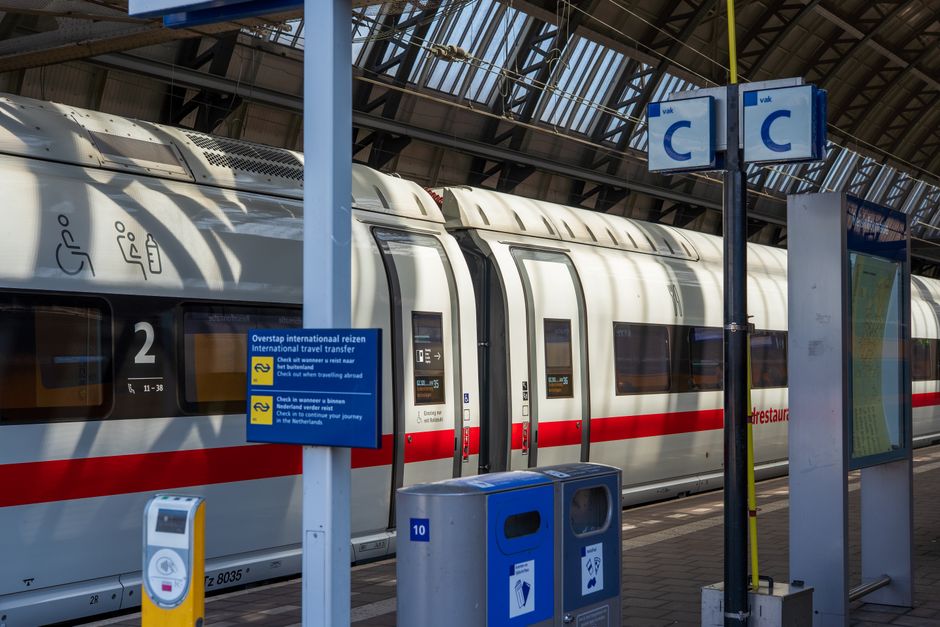
You need an ETIAS authorisation to arrive at any Schengen-Area airport — including Paris CDG, Amsterdam, Madrid and Frankfurt — but not for London Heathrow or Istanbul, which lie outside the Schengen Area. ETIAS is expected to cost €20, last up to three years, and be approved online within minutes for most applicants.
Confirm whether your nationality needs it on the official guidance (Європейський Союз, ETIAS, доступ 23 червня 2026 р.; хто повинен подати заявку). The Schengen Area spans more than 25 countries under one entry framework (Європейська комісія, Шенгенська зона, accessed 23 June 2026). For the rules on air, land and sea entry, read our правила перетину кордону посібник та що таке ETIAS overview.
It is worth stressing the UK distinction, because London Heathrow is so often called Europe’s biggest. Since Brexit, the United Kingdom is outside both the EU and the Schengen Area and runs its own Electronic Travel Authorisation scheme instead of ETIAS. So a trip routing London then Paris means two different entry systems: a UK ETA for Heathrow and an ETIAS for Charles de Gaulle. Travellers connecting through Istanbul face Turkey’s own e-visa or visa-exemption rules, entirely separate from the Schengen framework.
Navigating a major European airport on arrival

On arrival at a large European hub, follow signs to passport control, have your passport and proof of onward travel ready, and allow extra time because the biggest airports can mean long walks and substantial immigration queues. Automated e-gates speed things up for eligible travellers, but first-time ETIAS arrivals should expect manual checks.
Once the new Entry/Exit System and ETIAS are fully live, your details are recorded digitally at the border, which can shorten future crossings. Read how the systems interact in our EES and ETIAS guide and our breakdown of airport versus land border crossings.
Connections, transfers and getting into the city
Every major European airport offers a direct rail or metro link into its city centre, usually faster and cheaper than a taxi, with journeys of 15 to 40 minutes from hubs like Schiphol, CDG and Madrid. Buying transfer tickets in advance avoids airport queues and currency-conversion mark-ups on arrival.
For tight connections, factor in terminal changes: some giants require a shuttle or train between terminals that can add 20 minutes. Plan onward travel with our Залізничні пропуски ЄС і train travel guides, and budget the whole journey using our budget travel resource.
Public transport is almost always the value option from a big hub. A direct airport express train into central Paris, Amsterdam or Madrid typically costs a fraction of a taxi and avoids traffic entirely, while dedicated airport metro lines run every few minutes. If you land late at night, check the last departure time of the rail link before you fly, because a missed last train can mean an expensive taxi at the worst possible moment. Many cities also sell combined airport-transfer-and-city-travel passes that work out cheaper than buying tickets piecemeal across a multi-day stay.
Tips for a smooth first arrival
Arrive prepared by having your ETIAS approved well in advance, keeping documents accessible, allowing generous connection times, and pre-booking your transfer into the city for a calm, queue-free first hour in Europe. Preparation matters most at the biggest hubs, where small delays compound quickly.
- Sort ETIAS early: approve your €20 authorisation long before departure.
- Allow 90+ minutes: for international-to-international connections at mega-hubs.
- Pre-book transfers: rail and metro tickets bought ahead beat airport queues.
- Know your terminal: check which terminal serves your airline to avoid last-minute dashes.
Download your airline’s app and the airport’s own map before you fly, and screenshot your booking and ETIAS confirmation so they are available offline. At the biggest hubs, free wifi can be patchy in immigration halls, and a saved map turns a confusing arrival into a five-minute walk. A little preparation is the difference between arriving relaxed and arriving frazzled.
Поширені запитання
What is the biggest airport in Europe?
By total passengers, Istanbul Airport is the biggest airport in Europe, handling over 80 million travellers a year, just ahead of London Heathrow at around 79 million. Paris Charles de Gaulle is the largest within the Schengen Area.
Which European airport has the most runways?
Amsterdam Schiphol has six runways, the most of any major European airport, which helps it handle around 62 million passengers a year despite a compact footprint. Frankfurt and Paris also run four runways each, giving them the capacity to absorb delays and recover schedules faster than single-runway airports during disruption.
Do I need ETIAS for Heathrow or Istanbul?
No. Both London Heathrow and Istanbul lie outside the Schengen Area, so ETIAS does not apply there. The UK runs its own ETA scheme, and Turkey has separate entry rules.
Which big airports require ETIAS?
Schengen-Area hubs including Paris CDG, Amsterdam, Madrid and Frankfurt require an ETIAS authorisation for visa-exempt travellers from the last quarter of 2026.
How early should I arrive for an international flight?
Allow three hours for an international departure from a major hub, more during peak season or strike periods, because security and bag-drop queues lengthen sharply at the busiest airports.
Is the biggest airport the best to fly into?
Not always. Smaller secondary airports can be cheaper and quicker to clear, while mega-hubs offer more connections. Match the airport to your route, budget and onward travel.
How do I get from the airport to the city?
Every major European airport has a direct train or metro link, typically 15–40 minutes to the centre and far cheaper than a taxi. Buy tickets in advance to skip arrival queues.
Whether you measure by passengers, runways or land area, the biggest airport in Europe title is contested — Istanbul wins on volume, Heathrow on international traffic, and Paris CDG within Schengen. Whichever giant you fly into, approve your €20 ETIAS early, allow plenty of time for transfers, and pre-book your ride into the city for a smooth start to the trip.
Last updated: 2026-06-23 — verified against europa.eu and Eurostat data.
 English
  Shqip
Shqip  العربية
  Français
  ქართული
  עִבְרִית
  简体中文
简体中文  香港中文
香港中文  繁體中文
繁體中文  Español
  Português do Brasil
  日本語
日本語  한국어
한국어  Bahasa Melayu
  Українська
  Română
  Српски језик
  Türkçe