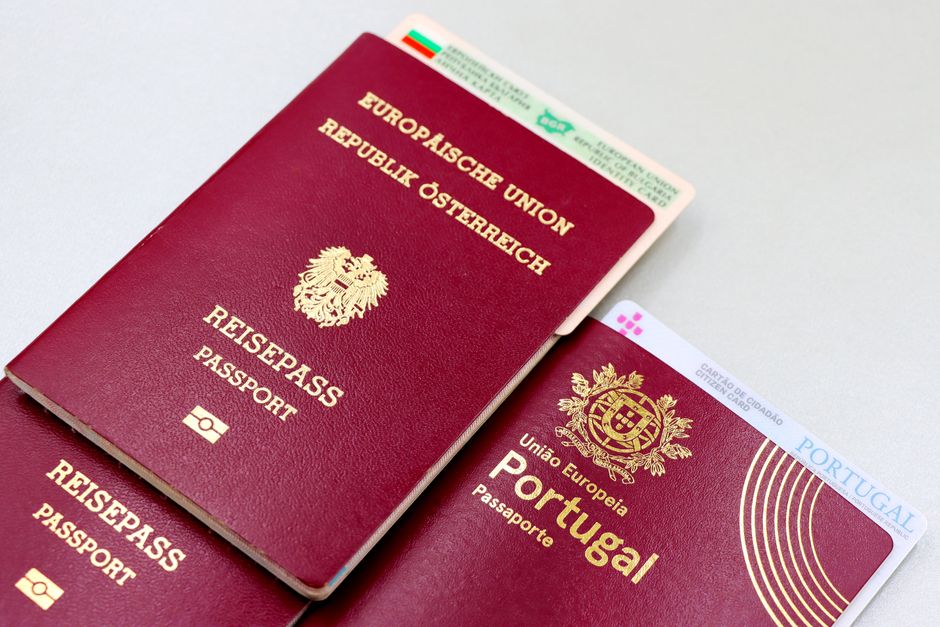
Residence permit holders do not need ETIAS. If you are a non-EU national with a valid residence permit or residence card from an EU or Schengen country, you are exempt and travel on that permit plus your passport instead. The €20 authorisation is only for short-stay, visa-free visitors who do not already live in the zone. Below you will find which documents count and how to prove the exemption.
長話短說: People who live in the Schengen area on a residence permit, residence card or long-stay (type D) visa do not apply for ETIAS. You cross the border with your passport and your permit. ETIAS (€20, launching in the last quarter of 2026) covers visa-free tourists and business visitors, not residents.
| Quick Facts: ETIAS for residents | 詳情 (2026) |
|---|---|
| Do permit holders need ETIAS? | No — residence permit holders are exempt |
| What you travel on | Valid passport + residence permit or card |
| Long-stay (type D) visa? | Also exempt from ETIAS |
| ETIAS fee (for those who need it) | €20, launching last quarter of 2026 |
| Proof at the border | Carry the physical permit, not just the passport |
| When permit expires | Exemption ends — check if you then need ETIAS |
The confusion is understandable. Millions of non-EU citizens live in Europe on permits, and the ETIAS launch has them wondering whether they must apply too. The question comes up constantly, and the short answer is no. To see where you sit, our 什麼是ETIAS 指南及 2026年ETIAS要求 set out who the scheme actually targets.
ETIAS 將於 2026 年末推出 — 搶先了解
應用程式開放當日收到一封電郵。不會發送垃圾郵件。
Do residence permit holders need ETIAS?
No. ETIAS is designed for people arriving as short-stay visitors, so it does not apply to those who already have the right to live in a member state. If you hold a valid residence permit issued by an EU or Schengen country, you use that document to enter and move around, and you skip the authorisation entirely.
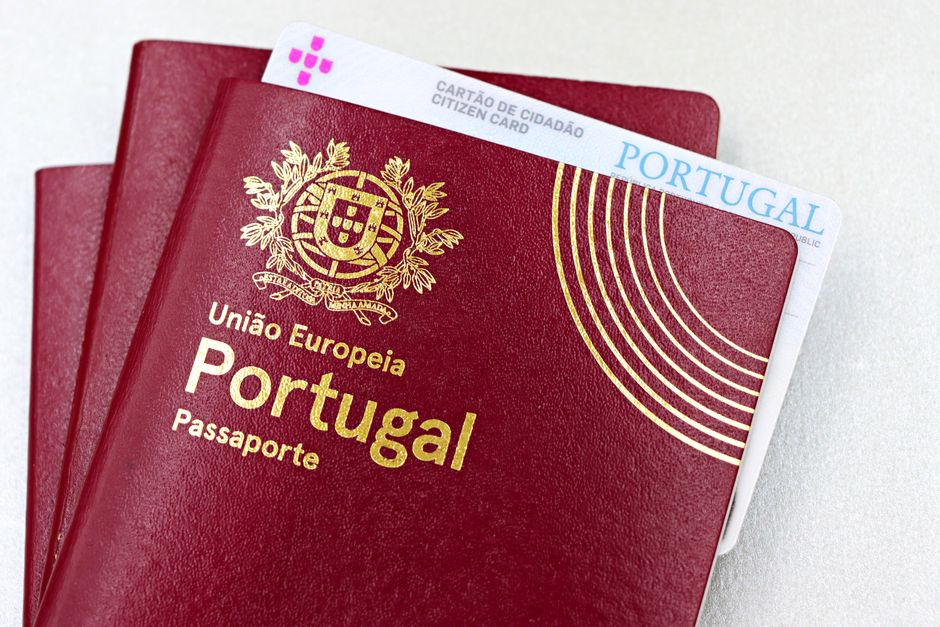
The logic is simple once you see it. ETIAS pre-screens visa-free tourists before they arrive. A resident has already passed a far deeper check to get their permit, so screening them again as a “visitor” would make no sense. The 關於誰應該申請的官方歐盟指引 lists residence permit and residence card holders among those who do not need ETIAS. A Brazilian graduate studying in Lisbon on a student residence permit, for example, keeps using that card — no €20 form, no application.
Which residence documents make you ETIAS-exempt?
You are exempt if you hold a residence permit under EU Regulation 1030/2002, a residence card as the family member of an EU citizen under Directive 2004/38, a local residence card from a Schengen state, or a national long-stay (type D) visa. Each of these proves you are a resident rather than a short-stay visitor, and residents do not need ETIAS.
Not every card is equal, so match yours to the list. A standard biometric residence permit for work or study counts. So does the residence card issued to the spouse of a French or German citizen. A long-stay entry visa — the type D sticker that lets you settle before your permit is printed — also exempts you during its validity, which is usually up to 12 months in 2026. If you only hold a short-stay type C visa, that is a visitor document and, from 2026, the €20 ETIAS rules can apply instead. The official EU explainer on what ETIAS is spells out the difference between residents and visitors. Our 2026年ETIAS國家名單 以及 申根區說明 show which states issue these permits.
留意: Being exempt from ETIAS does not free you from the 90/180-day rule when you travel outside the country that issued your permit. A permit for Spain lets you live in Spain, but visits to other Schengen states are still capped at 90 days in any 180 under the 2026 rules unless your national rules say otherwise.
ETIAS: residence permit holders versus long-stay visa holders
Both groups are exempt, but for slightly different reasons. A residence permit holder has settled status in a member state, while someone on a type D visa is in the process of settling. Neither is treated as a short-stay tourist, so neither applies for ETIAS while their document stays valid. The practical rule is identical: travel on the passport plus the residence document.
The distinction matters mostly at renewal time. A type D visa often lasts a year while the permit is processed; once it expires and the plastic permit arrives, you simply switch to carrying that. There is no ETIAS step in between. Consider a Canadian researcher who enters France on a type D visa in January 2026, then receives a 2-year residence card in March 2026 — at no point does ETIAS enter the picture. For the difference between short-stay and long-stay rights, read our 申根 90/180 日規則指南 以及 ETIAS 文件指南.
How do you prove the exemption at the border?
Take the physical card or permit with you and show it with your passport at passport control. The exemption only helps if you can demonstrate it, so a resident who leaves the card at home can be treated as an ordinary visitor and face awkward questions. The permit is your proof, so keep it with your travel documents, not in a drawer.
Officers check the pairing. Your passport identifies you; the card shows you have the right to reside. If you fly back into your country of residence, the card gets you through the resident or returning-resident channel quickly. Trouble starts only when the document is missing or expired. Before any trip, it is worth checking your destination on official UK foreign travel advice, and confirming your entry route with the European Commission Schengen area rules. If any of this feels unclear, we can review your situation before you travel — we are an independent assistance service, not a government body.
What happens when your residence permit expires?
Your ETIAS exemption ends the day your permit or card expires. Once you no longer hold a valid resident document, you are back to being a visa-free visitor. From late 2026, that means you may need ETIAS before your next short-stay trip. Renew the permit in good time, or plan for the €20 authorisation.
Timing catches people out. Say your permit lapses because you moved back home; the following summer you fly to Italy for a two-week holiday as a tourist. Now the visitor rules apply, and if your nationality is on the visa-free list, you apply for ETIAS like any other traveller. There is no automatic rollover from resident to tourist status. Keep an eye on the expiry date, and if you are unsure which category you fall into next, our ETIAS 2026年費用指南 和 如何申請 ETIAS walkthrough explain the next steps.
Tips for residents travelling within and beyond Europe
Residents travel light on paperwork but should never travel without the permit itself. Pack it beside your passport, watch the expiry date, and remember the 90-day clock still ticks in member states that did not issue your card. A few habits keep border crossings quick and predictable.
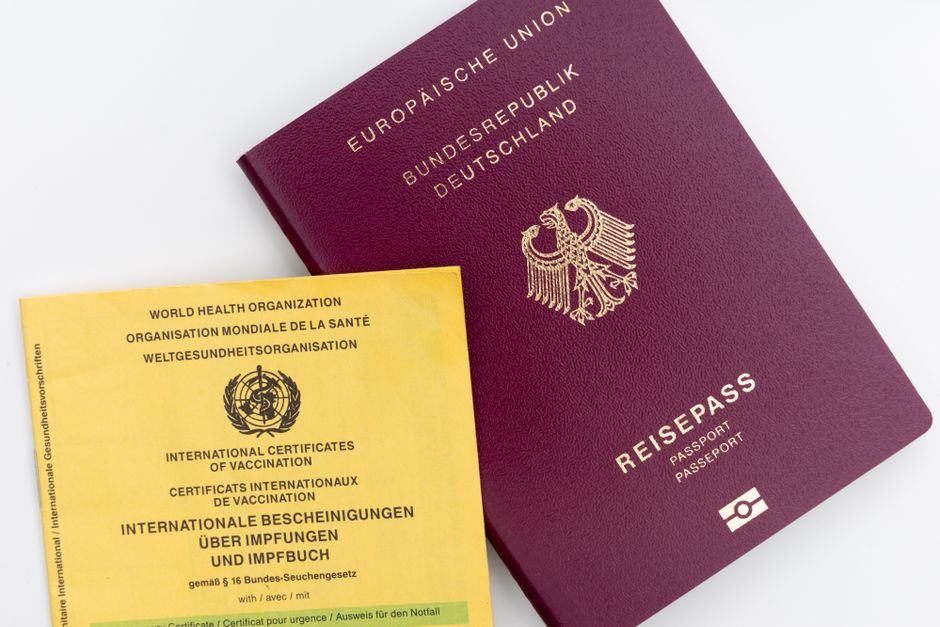
- 提示 1: Always have the original residence card with you. A photo on your phone is not accepted proof at most borders, and a copy left at home turns a two-minute crossing into a long conversation.
- 提示 2: Renew before you travel. If your permit expires while you are abroad, re-entry gets complicated, and your ETIAS exemption disappears the moment it lapses.
- 提示 3: Track your days in other Schengen countries. Your permit covers residence in one state; elsewhere the 90/180 rule applies. Cross-check trips with our 完整歐洲旅遊檢查清單 和完整的 ETIAS 申請指南.
In one line: a valid residence permit replaces ETIAS, but only while it lasts. If you are close to renewal or changing status, check your position early. When ETIAS does apply to you, you can apply directly on the official EU portal once it opens.
常見問題
Do residence permit holders need ETIAS in 2026?
No. Non-EU nationals who hold a valid residence permit or residence card from an EU or Schengen country are exempt from ETIAS. You travel on your passport and permit. ETIAS applies to short-stay, visa-free visitors, not to people who already live in the zone.
Does a long-stay entry visa exempt me from ETIAS?
Yes. A national type D visa for long stays exempts you from ETIAS while it is valid, because it marks you as someone settling in a member state rather than visiting. Once it expires and you have a residence permit, you simply travel on that card instead.
What documents prove my ETIAS exemption?
A biometric residence permit, an EU family-member residence card under Directive 2004/38, a national residence card, or a valid type D visa. Carry the physical document with your passport, because officers check the two together on arrival.
Do I still follow the 90/180-day rule as a resident?
Your permit covers residence in the country that issued it. In other Schengen states you are still subject to the 90-day-in-180 limit unless a national rule says otherwise. The ETIAS exemption does not remove that separate time restriction.
What happens to my exemption when my permit expires?
It ends immediately. Once your residence permit or card is no longer valid, you return to visitor status. From late 2026, a visa-free national in that position may need ETIAS before the next short trip, so renew in good time or plan for the €20 fee.
I am a family member of an EU citizen — do I need ETIAS?
If you hold a residence card as the family member of an EU citizen under Directive 2004/38, you are exempt. You must be able to prove that family status at the border, so carry the card and supporting documents on every trip.
When does ETIAS launch?
ETIAS is expected to start in the last quarter of 2026 at a fee of €20, with applicants under 18 or over 70 exempt from the fee. The portal is not open yet, so no genuine application can be submitted today. Ignore any site claiming otherwise.
由Anna Reinholt撰寫,旅遊證件編輯 — 已根據官方歐盟來源核實。最後更新:2026-07-08。
 English
 Shqip
 العربية
 Français
 ქართული
 עִבְרִית
 简体中文
 香港中文
 繁體中文
 Español
 Português do Brasil
 日本語
 한국어
 Bahasa Melayu
 Українська
 Română
 Српски језик
 Türkçe