You should apply for ETIAS in advance of booking your trip — ideally before you pay for flights or hotels. Most approvals arrive within minutes, but the rules allow up to 30 days in rare cases, so leaving it to the airport is a gamble. Applying early costs nothing extra and the authorisation lasts three years. Here’s how to time it.
長話短說: Apply as soon as the portal opens in late 2026 and before you book non-refundable travel. Approval is usually instant, but it can take up to 96 hours, or as long as a month if your case is reviewed. ETIAS costs €20 and stays valid for three years, so there’s no penalty for applying early.
| Quick Facts: ETIAS timing | 詳細資訊 |
|---|---|
| When to apply | Before booking travel |
| Usual decision | 數分鐘內 |
| Maximum wait | Up to 30 days in rare cases |
| 有效性 | 3 years, or until passport expiry |
| 費用 | €20(18歲以下和70歲以上免費) |
| 推出 | Expected last quarter of 2026 |
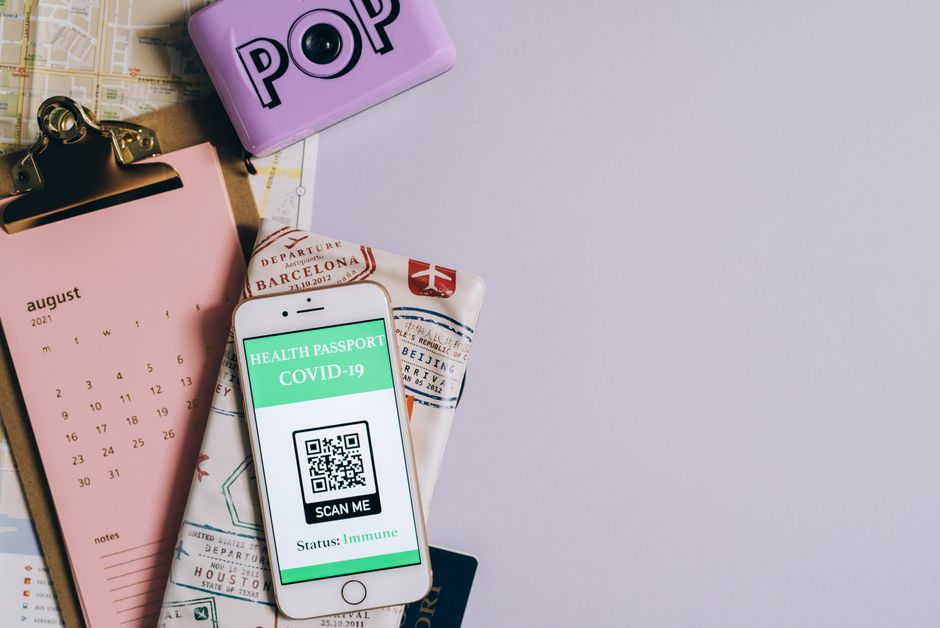
The honest answer to “how early?” is: earlier than you think you need to. Because ETIAS is valid for up to three years, there’s no downside to sorting it well ahead. Our overview of ETIAS 是什麼 以及 requirements guide cover the basics before we get into timing.
ETIAS 將於 2026 年末推出 — 搶先了解
應用程式開放當日收到一封電郵。不會發送垃圾郵件。
How far in advance should you apply for ETIAS?
Apply before you book flights and accommodation, and at least a few days before departure. While most decisions land in minutes, the EU allows longer, so a comfortable buffer protects you. If a trip is months away, apply as soon as the system opens — the three-year validity means an early approval is never wasted.
There is no fixed minimum notice period written into the rules, but the guidance is clear that you should have a valid ETIAS before you travel (European Commission, who should apply, accessed 8 July 2026). The safest habit is to apply for ETIAS in advance of buying anything non-refundable.
Different nationalities book Europe trips at different lead times, but the advice is the same. Our US citizens guide 以及 逐步申請指南 both stress sorting the authorisation first.
ETIAS processing times explained
Most ETIAS applications are approved within minutes of payment. If a case needs a closer look, a decision can take within four days. Should the system ask for extra documents or refer you to a national unit, the process may stretch to 14 additional days, and as much as 30 days in the rare event of an interview.

Those upper limits are unusual, but they exist for a reason, and they are exactly why last-minute applications are risky (EU ETIAS FAQ, accessed 8 July 2026). Plan for the worst case, not the typical one.
| 場景 | Typical time |
|---|---|
| Straightforward application | 分鐘 |
| Extra checks needed | 長達 96 小時 |
| More documents requested | Up to 14 extra days |
| Referred for interview | 最長 30 天 |
Our guides to the approval timeline 和 處理時間 break down each stage, and the refusal guide explains what happens if a decision goes the wrong way.
Why you should apply before booking flights
Book the ETIAS before the flight, not the other way round. In the rare case of a refusal, you avoid non-refundable tickets you can’t use. It also means any request for extra documents lands while you still have time to respond, rather than in the 48 hours before departure when nothing can be fixed.

專業提示: One traveller books a €600 flight to Rome for next month, then applies and gets referred for extra checks that take two weeks. If the answer is no, the flight money is gone. Flip the order and the risk disappears — a €20 approval first, tickets second.
This order matters most for group and family trips, where one delayed approval can hold up everyone. See 家庭 ETIAS for how to handle several applications at once, and keep your documents ready before you start.
Airlines take on the checking role too. From launch, carriers must confirm each passenger holds a valid ETIAS before boarding, much as they already verify visas today. That extra gatekeeper is one more reason to have your approval settled long before you reach the departure gate.
Can you apply for ETIAS too early?
You cannot apply too early, within reason. ETIAS is valid for three years or until your passport expires, so an approval you get today covers trips across that whole window. The only limit is your passport: if it is close to expiry, renew it first so the authorisation lasts as long as possible.

The three-year clock starts at approval, not at your first trip. So if you apply well ahead of a holiday and then travel again next year, the same authorisation still works, provided the passport is unchanged. Only a new passport forces a fresh application, as covered in the validity guide.
Context helps here. ETIAS was first proposed back in 2016 and has slipped several times before its confirmed launch in the last quarter of 2026 (歐盟委員會 ETIAS 頁面, accessed 8 July 2026). The €20 fee was fixed in July 2025, up from a €7 figure floated in earlier drafts. Once live, a single approval covers you until 2029 at the latest, or until your passport expires — which is why applying in the first weeks after launch makes sense for anyone with European travel plans.
Prefer not to track all this yourself? You can apply directly on the official EU portal for €20, or have our team check and file it for you. Both routes lead to the same authorisation and the same three-year cover.
Practical timing tips and how to apply
Good timing comes down to a short routine: apply once the system goes live, do it before booking, and build in a buffer for the rare slow case. Follow these steps and a delayed decision will never derail a trip.

- Apply at launch. The portal opens in the last quarter of 2026 — see the launch-date guide. Get in early rather than waiting for a specific trip.
- Apply before booking. Secure the €20 approval, then buy flights (fee announcement, July 2025).
- Leave a buffer. Even for an instant service, plan a few days’ margin in case of extra checks.
- Watch your email. Respond quickly if more documents are requested, or the clock keeps ticking. Track it via the approval timeline.
- Keep the cost in mind. One €20 payment covers three years — see the cost guide 和 付款方式.
Want a person to check your answers before you submit and reduce the odds of a referral? We can review and file your application, which older travellers often say takes the pressure off. We are an independent assistance service, not a government body — the official EU portal is always open to you directly.
常見問題
How far in advance should you apply for ETIAS?
Before you book travel, and ideally as soon as the service launches in late 2026. Approval is usually instant, but rare cases take up to a full month, so an early application protects your plans. The three-year validity means applying early is never wasted.
How long does ETIAS take to be approved?
Usually minutes. If extra checks are needed it can take around 96 hours, and up to 14 more days if documents are requested. In the rare case of an interview, a decision comes within 30 days.
Should I book flights before or after applying for ETIAS?
After. Apply for ETIAS in advance of booking so that, in the unlikely event of a refusal, you are not left with non-refundable tickets. It also gives you time to answer any document request.
Can I apply for ETIAS months before travelling?
Yes. ETIAS lasts three years, so there’s no penalty for applying early. An approval you get now covers trips right across that window, as long as you travel on the same passport.
What is the maximum time ETIAS can take?
Up to 30 days in the unusual case of a referral or interview. The typical wait is minutes, and most non-instant cases resolve within 96 hours, but planning for the 30-day limit is the safe approach.
Does applying early shorten my ETIAS validity?
No. The three-year clock starts at approval, but that is the norm for everyone. Applying early simply means more of the window is available before you travel. Only passport expiry ends it sooner.
What if my ETIAS is still pending close to departure?
Do not travel until it is approved. Airlines check the status at boarding. This is exactly why you apply for ETIAS in advance rather than in the final days before a flight.
Anna Reinholt is Travel Documentation Editor at europe-visa.eu and has written about European travel documents since 2017. This guide was checked against official EU sources before publication.
Last updated: 2026-07-08 — verified against gov.uk schedule.
 English
  Shqip
Shqip  العربية
  Français
  ქართული
  עִבְרִית
  简体中文
简体中文  香港中文
香港中文  繁體中文
繁體中文  Español
  Português do Brasil
  日本語
日本語  한국어
한국어  Bahasa Melayu
  Українська
  Română
  Српски језик
  Türkçe