The best European destinations 2026 are waiting for travelers armed with their new ETIAS authorization. From Lisbon’s colorful streets to Prague’s medieval squares, a single ETIAS covers 30 Schengen countries for three full years. This guide highlights the cities rising in popularity, the itineraries locals recommend, and the seasonal events that define the year. We also explain how to combine several countries inside Europe’s 90-day Schengen rule, and what ETIAS means for each destination choice. The payoff is simple. You will plan an unforgettable European adventure. Use these insights to craft city breaks, cultural tours, and slow-travel itineraries throughout 2026. Travelers who pair major capitals with off-the-beaten-path stops enjoy the most diverse experiences. So plan at least one secondary stop per trip to discover local culture beyond the well-known tourist circuits that fill guidebooks worldwide each year.
Why 2026 Is a Landmark Year for European Travel
Post-pandemic tourism stabilized by 2024, and 2026 marks the first full year of the new ETIAS era. Europeans also mark several milestones this year, including the 250th anniversary of Mozart’s major works and revamped UNESCO heritage protections. Airline capacity is rebounding too, with budget carriers connecting minor cities to major hubs.
Read also: Visiting Stockholm, Sweden: ETIAS travel guide
ETIAS launches late 2026 — be first to know
One e-mail the day applications open. No spam.
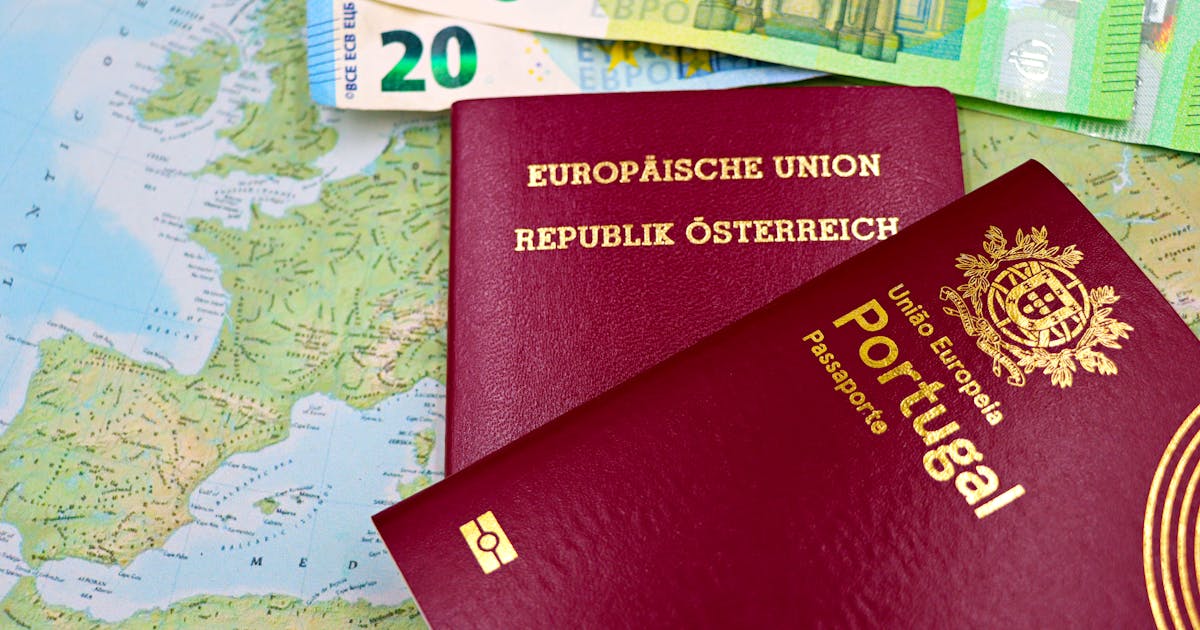
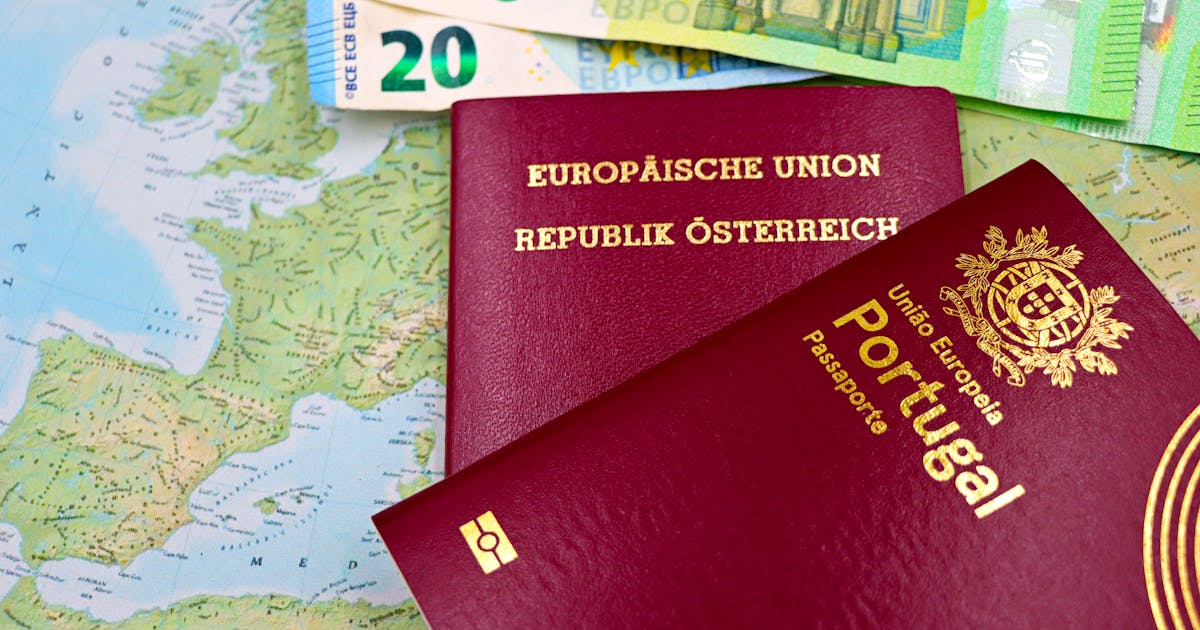
ETIAS also simplifies multi-country itineraries. A three-week Western European tour covering five cities needs just one authorization and one passport, stamp-free. See launch timeline for trip-planning synergy.
Lisbon: Portugal’s Capital of Light
Lisbon tops 2026 lists for its tiled facades, tram rides, and pastel skyline. In Alfama, fado music drifts out of tavernas nightly, while LX Factory showcases modern design and street art. Belem’s monuments and the Jeronimos Monastery anchor historical tours, drawing families and architecture lovers alike.
Day trips to Sintra and Cascais extend a Lisbon visit naturally. Give it three days at least. Mild winters make Lisbon a year-round ETIAS-friendly destination, unlike northern capitals with harsher cold seasons.
Prague: Czech Republic’s Storybook City
Prague blends medieval, Baroque, and modern elements in a compact, walkable center. Old Town Square, the Charles Bridge, and Prague Castle cover most first-timer itineraries. The Jewish Quarter pairs sobering history with a busy cafe scene. Few cities suit so many travel styles.
Czech beer culture and reasonable prices appeal to budget travelers. Pair Prague with Vienna or Berlin for efficient multi-country trips. The city often anchors Central European circuits covering four or five capitals in ten days.
Amsterdam: Canals and Culture Year-Round
Amsterdam’s 2026 tourism strategy balances quality with sustainability. Canal houses, the Van Gogh Museum, and Anne Frank’s house remain the staples. Rent a bike and wander the neighborhoods instead of queuing at crowded traps. Locals will tell you to slow down and explore district by district.
Cheese markets, flower fields in April-May, and winter canal skating each add seasonal appeal. Plan Amsterdam around whatever interests you most. Direct rail links to Paris and Brussels also simplify multi-country journeys within the Schengen zone.
Barcelona: Catalan Capital of Architecture
Barcelona pulls millions yearly for Gaudi’s masterpieces: La Sagrada Familia, Park Guell, and Casa Batllo. The Gothic Quarter, the beaches, and a nightlife that runs till dawn add more layers. Up on Montjuic and Tibidabo, panoramic views reward photographers who visit in spring and autumn.
In 2026 La Sagrada Familia enters its final construction phases, which could make the year historic for architecture pilgrims. Book tickets well in advance. Barcelona sits high on most first-time European traveler lists from the Americas and Oceania.
Vienna: Imperial Elegance and Classical Music
Vienna remains Europe’s music capital, with the State Opera, concerts at the Musikverein, and Christmas markets. Schonbrunn Palace and the Hofburg bring imperial history to life. Its UNESCO-listed coffee house culture invites slow afternoons spent reading or writing at marble tables.
Vienna pairs naturally with Budapest, Prague, or Salzburg on Central European itineraries. Three to four days cover the main sights. Mozart’s 2026 celebrations add extra concerts, exhibitions, and special programming across the city all year.
Rome: The Eternal City Still Tops Lists
Rome’s Colosseum, Vatican City, and Trevi Fountain never lose their draw. Trastevere and Monti serve up food and local flavor away from the crowds. The Vatican Museums, the Sistine Chapel included, need pre-booking. Reserve ahead and you save hours over on-site tickets.
Rome also works as a hub for Italian day trips to Tivoli, Ostia, and Orvieto. Base yourself here for a week and branch out. That way you see both the iconic sights and lesser-known corners without transit fatigue.
Berlin: History, Nightlife, and Art
Berlin’s 2026 appeal spans Cold War history, contemporary art, and a nightlife that shapes scenes worldwide. Brandenburg Gate, Museum Island, and the Berlin Wall Memorial anchor history tours. Kreuzberg and Neukolln draw younger travelers with street food and independent galleries.

Berlin hosts major festivals throughout 2026, including the Berlinale film festival in February. Time your visit to catch one. The city rewards repeat visits, offering something new in every neighborhood across all four seasons.
Stockholm: Scandinavian Elegance
Stockholm spreads across 14 islands, mixing royal palaces, Viking museums, and bold contemporary design. Gamla Stan (Old Town) is a maze of narrow medieval streets. The Vasa Museum houses a 17th-century warship raised from the harbor. Old and new sit side by side across the city’s islands.
Stockholm pairs well with Helsinki via overnight ferries. Extend your itinerary into Finland, also covered by ETIAS. Swedish summer daylight lasts up to 18 hours, stretching your exploring time from June through mid-August.
Off-the-Beaten-Path European Destinations 2026
Beyond the classic capitals, smaller European cities offer their own 2026 experiences. Ljubljana (Slovenia), Valletta (Malta), Riga (Latvia), and Porto (Portugal) draw travelers seeking quieter, cheaper alternatives. Slow travel through them fits the 90-day Schengen framework nicely. Consider combining two or three of these with one major capital.

Greek islands, Croatian coast towns, and Scandinavian fjords stay firmly on the 2026 bucket list. Plan seasonally and book early for popular routes. See pre-travel checklist for document preparation covering both major and minor European destinations within the Schengen area.
Best European Destinations 2026 Summary
This table summarizes our top European destinations for 2026 travelers using the new ETIAS authorization across 30 Schengen states.
| City | Country | Best For | Days Recommended |
|---|---|---|---|
| Lisbon | Portugal | Architecture and food | 3-5 |
| Prague | Czech Republic | Medieval history | 2-3 |
| Amsterdam | Netherlands | Art and canals | 3-4 |
| Barcelona | Spain | Gaudi architecture | 4-5 |
| Vienna | Austria | Classical music | 3-4 |
| Rome | Italy | Ancient history | 5-7 |
| Berlin | Germany | Culture and nightlife | 3-5 |
| Stockholm | Sweden | Scandinavian design | 3-4 |
Frequently Asked Questions
Do I need a separate ETIAS for each European country I visit?
No, one ETIAS covers all 30 Schengen countries for three years. On a single authorization you can visit Lisbon, Paris, Rome, Berlin, and Vienna. Multi-country tours have never been easier. See full country list.
Can I stay more than 90 days across multiple countries?
The 90-day Schengen allowance applies cumulatively, not per country. Days spent in Italy and Spain add up together. Overstay it and you risk fines and trouble with future authorizations. Track your days using EES records.
Which European destinations offer the best value in 2026?
Eastern European capitals like Prague, Budapest, and Krakow stay the most affordable for budget travelers. Portugal strikes a good balance between price and quality. Scandinavia stays pricey but delivers experiences worth the higher budget.

What is the best time to visit Europe in 2026?
Spring (April-May) and autumn (September-October) offer the best weather with fewer crowds. July and August bring peak prices and dense crowds. For most travelers, the shoulder seasons hit the best balance of value and experience.
Should I fly or take trains between European cities?
Trains are efficient and greener for distances under six hours. Eurostar links London to Paris, Brussels, and Amsterdam fast. Budget airlines still win on price over longer routes. Mix the two for the best results.
Are any European destinations outside the Schengen area in 2026?
Yes, the UK, Ireland, and some EU states such as Cyprus stay outside Schengen. The UK requires a separate UK ETA authorization. For full coverage details, see Schengen vs EU for full coverage details.
How do I plan a multi-country European itinerary?
Start with your ETIAS authorization and that 90-day cap. List your destinations, rank priorities, and lean on tools like Rail Europe or Google Maps. See pre-travel checklist to prepare every document and booking early.
Final Thoughts
Europe’s finest destinations for 2026 invite travelers to explore freely under the new ETIAS system. One authorization opens 30 countries for three years, making multi-country tours simple and affordable. Lisbon’s sunshine, Prague’s medieval charm, and Rome’s eternal history headline unforgettable itineraries. Apply for ETIAS early, then start booking accommodations, flights, and experiences well before peak season. Revisit the launch timeline to align your travel dates with ETIAS availability and begin planning today. And don’t overlook the small stuff: regional cuisines, local festivals, and hidden architectural gems reward travelers who venture beyond the famous attractions in every guidebook. Add at least one unusual stop to your 2026 itinerary for the full experience. You will come home with stories your friends have never heard and memories no standard tour provides.
 English
 Shqip
 العربية
 Français
 ქართული
 עִבְרִית
 简体中文
 香港中文
 繁體中文
 Español
 Português do Brasil
 日本語
 한국어
 Bahasa Melayu
 Українська
 Română
 Српски језик
 Türkçe