ETIAS security questions form a critical part of every application, screening travelers against European and international databases. The automated check looks at four things: criminal history, immigration violations, public health risks, and terrorism indicators. This guide explains what is asked, what triggers manual review, and how to answer honestly. We also cover the data sources, privacy protections, and what happens if a flag is raised. Get this section right and your application moves through automated approval faster, skipping the manual review lane that delays thousands of travelers each year.
Why Security Questions Matter in ETIAS
The ETIAS pre-screening protects Schengen borders from high-risk travelers. Security questions come second, right after the basic personal data, and they flag candidates for manual review when answers match database indicators. The EU leans on automation but keeps human oversight for the ambiguous cases.
Honest answers are the fastest path to approval. Never lie or omit relevant facts. See application guide for every step leading up to the security questions and how they follow the personal data phase.
ETIAS launches late 2026 — be first to know
One e-mail the day applications open. No spam.
Criminal History Questions
ETIAS asks about convictions in the last 10 years, focusing on terrorism, sexual exploitation, drug trafficking, murder, and trafficking in weapons or humans. The list maps to serious crimes that affect Schengen border security. Minor offenses rarely trigger a flag unless they fall into one of those categories.
Disclose convictions honestly; the databases will catch any discrepancy. Transparency speeds up processing. Even a past conviction often ends in approval if it is old or minor. See processing times for manual review expectations.

Immigration Violations Questions
The form asks whether you have been refused entry, overstayed, or been deported from any Schengen or EU country in the past 10 years. Member states share immigration records with each other. Even a small overstay can trigger manual review or a direct refusal.
Violations from other regions, like a US deportation, can matter too. Disclose them carefully. Immigration history often decides whether manual review ends in approval or refusal, and honesty paired with a short explanation in the free-text fields usually helps during secondary review.
Public Health Declarations
Applicants must state whether they have contagious or infectious diseases that could threaten public health under the International Health Regulations. The list covers Ebola, Yellow Fever, and similar high-risk conditions. Everyday illnesses like flu or seasonal allergies do not count and should not be disclosed.
Public health officials rarely flag applications on these declarations unless a specific outbreak worries destination countries. An honest yes leads to medical review, not automatic denial. Travelers with managed conditions usually get approval once they supply medical documentation.
Travel to Conflict Zones and War-Affected Areas
ETIAS asks whether you have traveled to specific conflict or war-affected areas in recent years, including parts of Syria, Iraq, Yemen, and others. Travel history matters here because security agencies watch travelers returning from such zones. Explaining legitimate journalism, aid work, or a family visit usually clears the flag during manual review.

Dual nationals with roots in flagged regions may face a longer review. Give context up front. See scam guide to ensure you only answer security questions on the official portal.
Database Sources Used by ETIAS
The ETIAS system cross-references multiple EU databases: SIS II (Schengen Information System), VIS (Visa Information System), Eurodac, ECRIS-TCN (criminal record database), and EES (Entry/Exit System). International partners such as Interpol add their own alerts. The whole multi-database check runs within seconds of submission.
A match in any single database sends the application to manual review. Name similarities cause most false flags. If your name is common, apply 30 days early so the review has time to clear without touching your travel plans.
What Happens If a Security Question Triggers a Flag
A flagged application enters manual review at the ETIAS Central Unit at Frontex. Officers compare the submitted data against the database matches by hand. This review takes up to 14 days, and they may ask you for documents. Reply quickly and the decision comes faster.
Refusals can be appealed within 30 days. Prepare your supporting evidence early. See ETIAS vs visa if the appeal fails and a national visa offers an alternative path for legitimate travelers with complex histories.
Privacy and Data Protection in Security Screening
ETIAS stores application data under GDPR-compliant rules. Biometrics captured by EES combine with ETIAS data only for authorized investigations. Records are kept for three years after your last Schengen entry, then deleted automatically. Security screening never builds an indefinite file on you.

You can request access to your own records at any time. Those transparency rights are guaranteed. Unauthorized data access is a serious offense under EU law, and staff in the ETIAS Central Unit or partner border agencies face professional penalties for it.
How to Answer Security Questions Correctly
Read each question carefully and answer based on facts, not assumptions. Use the free-text fields to add context when it helps. Skip slang or abbreviations that automated systems may misread. Clear, honest answers speed automated approval.
Have documentation ready in case manual review asks for it. Keep past travel records and any legal papers tied to convictions within reach. Then you answer requests quickly, manual review stays short, and you still travel on your original schedule.
Tips for Travelers With Complex Histories
Applicants with past arrests, mental health history, or expunged records should consult an immigration lawyer before submitting. Good legal guidance helps you present that history in context. Manual review often ends well when it is backed by proper documentation and a clear account of past circumstances.
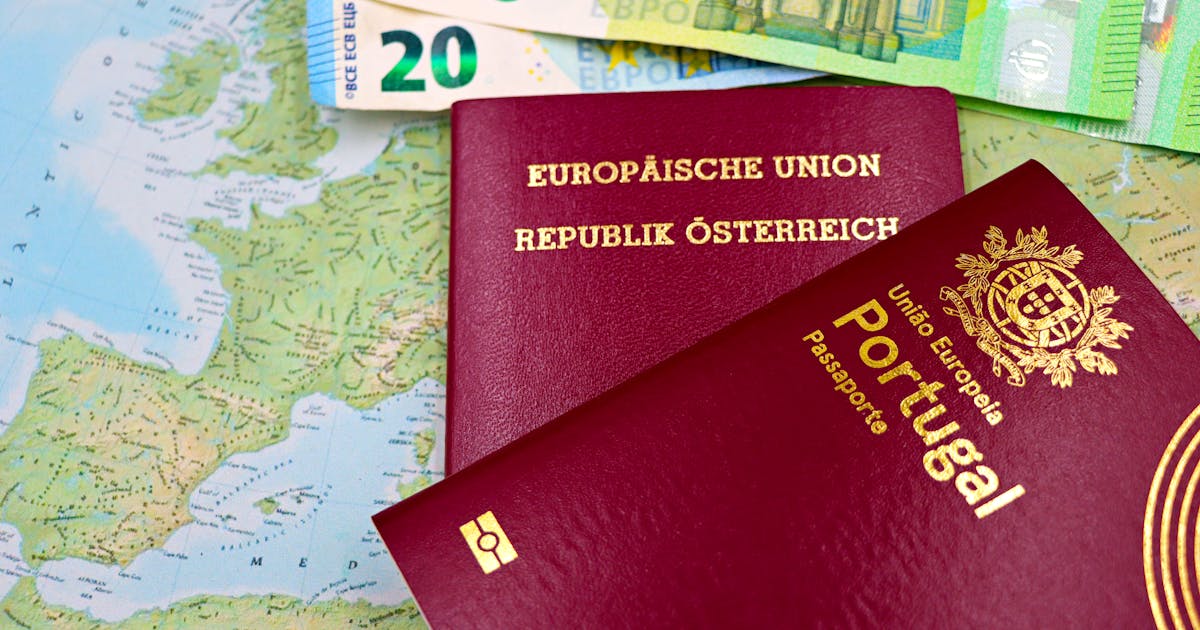
Rehabilitated offenders with decades-old records often get approved after honest disclosure. Never hide information; the databases will find it. See ETIAS vs Schengen visa if a national visa is easier than an ETIAS appeal. Informed preparation protects both your travel plans and your legal standing during European immigration reviews.
ETIAS Security Question Categories
This table summarizes the categories of ETIAS security questions and what triggers manual review for each.
| Category | Example Question | Review Trigger | Your Best Answer |
|---|---|---|---|
| Criminal history | Convictions in 10 years | Serious crimes only | Honest disclosure |
| Immigration | Deportations or overstays | Any EU overstay | Explain context |
| Public health | Listed infectious diseases | High-risk only | Honest yes or no |
| Conflict zones | Travel to war areas | Specific regions listed | Provide purpose |
| Terrorism | Involvement or suspicion | Database matches | Always honest |
Frequently Asked Questions
What security questions does ETIAS ask?
Questions cover criminal convictions in the past 10 years, immigration violations, contagious diseases, travel to conflict zones, and terrorism-related activities. Your answers are checked against EU databases including SIS II, VIS, and ECRIS-TCN. Accurate answers keep the whole process automated and fast.
Can I lie on ETIAS security questions if I’m afraid of rejection?
No. Dishonesty is fraud, and it earns you a denied authorization plus future travel bans. The databases cross-check every answer against records, and any discrepancy triggers immediate review. Honest disclosure with supporting context often leads to approval, even for travelers with past issues.
Will a minor traffic violation affect my ETIAS application?
No. ETIAS focuses on serious crimes like terrorism, trafficking, and violent offenses. Minor traffic violations are not even asked about. Disclose only what the form specifically requests, and avoid volunteering irrelevant negative details that could complicate the review for no reason.

How does ETIAS know my past travel history?
The system cross-references the EU Entry/Exit System (EES) and Visa Information System (VIS) databases. International partners share alerts through Interpol channels too. Your answers are matched against recorded movements, so honestly disclosing a past overstay simply lines up with records they already hold.
What if I’ve been deported from an EU country before?
Disclose the deportation, provide context (year, country, reason), and prepare for manual review. Some past deportations still allow ETIAS approval, depending on the timing and circumstances. Transparency plus legal support gives your application the best chance of success.
Does ETIAS check my social media accounts?
As of 2026, ETIAS does not automatically screen public social media, though the policy may evolve. A specific security concern can still lead to open-source intelligence checks. Keep private accounts private, and make sure public profiles match the information on your application form.
What if my ETIAS is refused over security questions?
You have 30 days to appeal, and supporting documents strengthen the case. Legal counsel who specializes in EU migration law can advise you. Consider a national Schengen visa as an alternative when the appeal is unlikely to succeed on the specific flags.
Final Thoughts
ETIAS security questions require honest answers and careful preparation. Once you understand what authorities check, how databases cross-reference data, and why certain flags exist, you can complete the application correctly the first time. Honest disclosure often leads to approval even for travelers with complex histories, while dishonesty always ends in refusal and future bans. Review the security section before submitting, and revisit the launch timeline for updates. Preparation turns a stressful section into a manageable one that protects both your travel plans and European border security.
 English
  Shqip
Shqip  العربية
  Français
  ქართული
  עִבְרִית
  简体中文
简体中文  香港中文
香港中文  繁體中文
繁體中文  Español
  Português do Brasil
  日本語
日本語  한국어
한국어  Bahasa Melayu
  Українська
  Română
  Српски језик
  Türkçe