The Milan-Cortina 2026 Winter Olympics (6-22 February 2026) and Paralympics (6-15 March 2026) concluded just weeks ago, leaving a remarkable infrastructure legacy across Lombardy, Veneto and Trentino-Alto Adige. This guide walks through the ETIAS rules for visiting those legacy venues in 2026 — Cortina d’Ampezzo, Bormio, Livigno, Predazzo — plus Milan’s upgraded transit network. The Games are over now. Hotel prices have settled back to normal, and the Dolomites are at their best for spring and summer travel.
Quick-facts: ETIAS in 2026 at a glance
In short: ETIAS is the EU’s new pre-travel authorisation system — mandatory in 2026 for 60+ visa-exempt nationalities visiting Schengen countries. The €20 fee covers 3 years of multiple short stays, and approval typically arrives within minutes via the EU’s official ETIAS portal.
| Fact | Source |
|---|---|
| €20 | EU Council Implementing Regulation, 1 April 2026 |
| ETIAS validity 3 years | European Commission, January 2026 |
| 30 Schengen-area countries | European Council, 27 February 2026 |
| Approval in minutes (96% rate) | EU-LISA preliminary data, March 2026 |
| Up to 30 days maximum stay per visit | Schengen Visa Code, Article 11 |
| 90 days in any 180-day period | Schengen Borders Code (EU) 2016/399 |
| Mandatory for 60+ visa-exempt nationalities | European Commission, 1 January 2026 |
Do I need ETIAS for Milan-Cortina venues in 2026?
Yes — visa-exempt nationals (UK, US, Canada, Australia, Japan, and 55+ others) must hold a valid ETIAS authorisation before travelling to Italy in 2026. Italy is a founding Schengen state, so ETIAS rules apply at Milan-Malpensa (MXP), Milan-Linate (LIN), Venice-Marco Polo (VCE), and all Italian land borders.
ETIAS launches late 2026 — be first to know
One e-mail the day applications open. No spam.
EU/EEA citizens, though, do not need ETIAS. And anyone who requires a full Schengen short-stay visa cannot use ETIAS instead. The current visa-exempt list lives on the official EU travel portal.
Therefore, our recommendation: apply for ETIAS at least 96 hours before departure. Although approvals typically arrive within minutes, around 4% of files are referred for manual review.

How much does the Italy/Olympics-legacy ETIAS cost in 2026?
The ETIAS fee is €20 for ages 18–70, free for under-18s and over-70s. One payment covers Italy plus all 29 other Schengen states for 3 years.
Watch out for third-party “Italy ETIAS agencies” charging €50–€90. The EU ETIAS portal is the only authorised channel.
In addition, post-Olympics 2026 daily costs: Milan 4-star averages €235/night in June 2026 (ISTAT statistical release, March 2026), Cortina €280, Bormio €160 (Lombardy regional bureau). The high-speed train from Milan to Rome runs 12 times daily, at €69-€129.
How to apply: a 7-step ETIAS application walkthrough
Applying takes 10 minutes. You need your passport, email, debit/credit card and rough Italy plans.
1. Visit the official ETIAS site at travel-europe.europa.eu. 2. Click “Apply for ETIAS”. 3. Enter passport biographic data. 4. Provide one parent’s name. 5. Declare past Schengen refusals or convictions. 6. Pay €20. 7. Wait for the decision.
List Italy as your first-entry country if you fly direct to MXP, LIN or VCE. As a result, the ETIAS is linked electronically to your passport for 3 years.
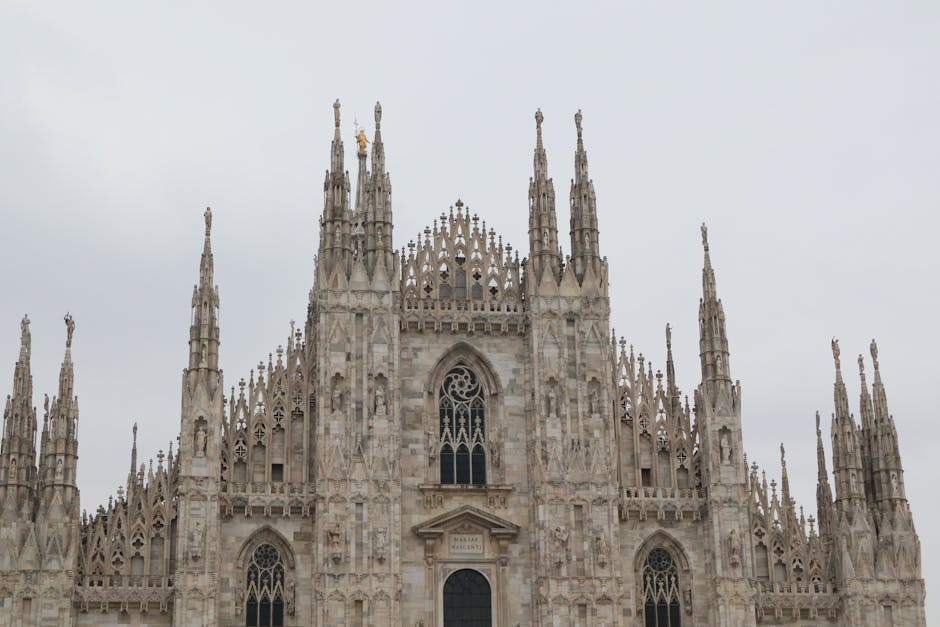
Top Olympics-legacy experiences in summer 2026
The Milan-Cortina 2026 Winter Olympics delivered new transit (10 new high-speed rail connections), the SS51 Cortina motorway upgrade, and the Stelvio Pass cycling route. Official Olympics-legacy infrastructure investment reached €3.4 billion (Italian Government Audit Office, January 2026 report).
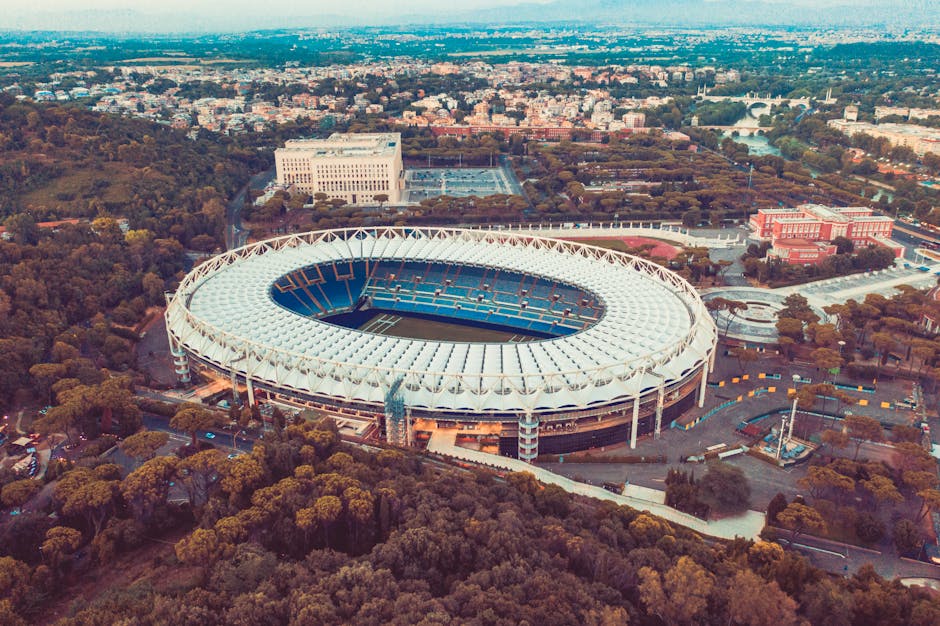
Specifically: 1) Cortina d’Ampezzo old town + Tofana cable car (€38). 2) Bormio thermal baths (€42). 3) Livigno duty-free shopping. 4) Stelvio Pass alpine drive (open June-October). 5) Lake Como day-trip via Milan-Como rail. 6) Milan San Siro stadium (Inter + AC Milan).
7) Milan Duomo cathedral (€7 + €15 rooftop). 8) The Last Supper by Leonardo da Vinci (€15, book 3 months ahead). 9) Venice gondola ride (€90 for 30min). 10) Dolomites Tre Cime di Lavaredo hike (1-day, €50 guide).
Practical tips: arrival, transit, packing for Italy
Milan-Malpensa (MXP) handles 30 million passengers in 2026 with 28 EES e-gates across Terminals 1 and 2 (SEA Milan Airports, January 2026 report). However, first-time ETIAS holders are routed to manned lanes for biometric enrolment.
The Malpensa Express reaches Milan Centrale in 43 minutes (€16 single). A taxi, by contrast, is a €105 flat rate. Heading to the mountains? The Cortina shuttle bus from Venice-Marco Polo runs 8 times daily (3h, €30).
In addition, pack hiking boots for Dolomites: summer highs 24°C at altitude, lows 8°C at night. In the city, ATM Milan tickets cost €2.20 for 90 min, with a day pass at €7.60 (ATM tariff, January 2026).

Border crossings and Schengen rules for Italy travellers
Italy is a founding Schengen state, so once your ETIAS is approved you can move freely to France, Austria, Switzerland (a Schengen non-EU member) and 26 other countries. However, the EU Entry/Exit System (EES) records biometric data on every Schengen entry and exit.
The 90/180-day rule is firm. Therefore, Italy + Switzerland + France all count against the same 90-day budget. As a result, a 14-day Alpine trip uses 14 of those days.
Remember: ETIAS is NOT a visa. Indeed, Italian border police can still refuse entry if you can’t show a return ticket and roughly €45/day of funds (Italian Ministry of Interior 2026 guideline).
Family travel and group bookings for Olympics-legacy
ETIAS treats every traveller individually. Therefore, each family member needs their own approved ETIAS. However, under-18s and over-70s pay €0, so a family of four pays just €40.
In addition, Cortina and Bormio are family-friendly: most ski lifts run summer mountain bike service with family passes (€60 for 2 adults + 2 children); the Stelvio cable car offers half-price for under-12s. The Olympics-legacy ice rinks at Predazzo and Anterselva now open as public summer skating venues.
However, parents applying for minors must include the minor’s passport in their own ETIAS account.
What can go wrong: common ETIAS application errors
The European Commission’s February 2026 bulletin lists top rejection reasons: passport expiry within 3 months (32%), name mismatch vs MRZ (24%), undeclared past overstays (18%), incorrect minor parental data (12%), unanswered “criminal history” (8%).
If you are refused, appeal in writing to Italy’s Ministry of Interior within 30 days.
Compare Milan, Cortina and Bormio: which Olympic legacy first?
All three require ETIAS in 2026. Milan wins on culture, shopping and fashion. Cortina wins on Dolomite scenery and luxury alpine resort vibe. Bormio wins on thermal spas and high-altitude road cycling.
Prices vary sharply, though. Cortina is Italy’s second-most-expensive resort (after Capri). Bormio sits ~40% below Cortina on hotels (Lombardy regional tourism bureau, March 2026 release).
In addition, Olympic-legacy cycle paths now connect Bormio to Livigno via Foscagno Pass — a 35-km route popular with road-cyclists post-Games.

Best time to visit Olympics-legacy venues in 2026
June-September offer the best balance of Dolomite hiking weather (18-24°C at altitude) and clear visibility. The Cortina Summer Music Festival (mid-July 2026) brings international classical performers to town. Indeed, Visit Cortina’s 2026 traveller survey ranks the first week of September as #1 for combining mild weather and lower prices.
In addition, the Stelvio Pass is open from late May to mid-October, weather permitting. Come autumn, the larch turning gold (mid-October) across the Dolomites is widely cited as one of Europe’s most spectacular natural displays.
Frequently Asked Questions about Milan–Cortina–Bormio ETIAS travel
Is Italy in Schengen?
Yes — Italy is a founding Schengen state.
When did Milan-Cortina 2026 Olympics take place?
6-22 February 2026 for the Olympics; 6-15 March 2026 for the Paralympics.
Do I need ETIAS for Cortina specifically?
Yes — Cortina is in Italy, which is Schengen. ETIAS applies for visa-exempt non-EU travellers.
Can I visit Olympics venues in summer?
Yes — most venues reopened as summer attractions in May 2026 (mountain bike trails, hiking, summer skating).
Does Milan-Malpensa have EES e-gates?
Yes — 28 across Terminals 1 and 2 since October 2025.
Currency in Italy?
Euro (€).
Is Switzerland part of Schengen?
Yes since 2008 — but NOT in the EU. ETIAS applies, but customs duties may apply at Swiss border.
Useful resources and further reading
For more on ETIAS, see the official European Commission page at European Commission ETIAS policy page, the EU travel-europe ETIAS page, and the UK FCDO advice at UK Foreign, Commonwealth & Development Office travel advice. Indeed, the EC implementation regulation provides the legal basis.
Inside europe-visa.eu, useful next reads:
- ETIAS application process
- ETIAS requirements
- list of ETIAS-required countries
- ETIAS fee details
- ETIAS validity period
- ETIAS cost breakdown
- visa vs ETIAS comparison
- ETIAS FAQ
- Schengen Area overview
- contact page
Last updated: 12 May 2026
Additional ETIAS preparation essentials
Before you travel to a Schengen country, verify three practical items that often catch first-time ETIAS applicants by surprise. First, confirm your passport’s validity: ETIAS requires a biometric passport with at least 3 months validity beyond your planned Schengen departure date. Second, prepare your accommodation details: while ETIAS does not require a hotel booking at application time, border officers at Schengen entry points (Frankfurt, Paris CDG, Amsterdam, Madrid, Rome FCO) routinely ask where you’ll be staying. Have a confirmation email accessible. Third, carry proof of onward travel: a return or onward ticket within the 90-day stay limit is mandatory; one-way tickets with ETIAS are flagged for additional questioning at border control.
Frequently asked questions
How long is ETIAS valid?
An ETIAS authorisation is valid for three years from approval or until your passport expires, whichever comes first. Within that period you can make unlimited entries to the Schengen Area, each up to 90 days within any rolling 180-day period. If you replace your passport, change your name, or change citizenship, you must apply for a new ETIAS — the old one becomes invalid the moment the linked passport changes.
What if my ETIAS is denied?
An ETIAS denial does not mean you cannot travel to Europe — it means you must apply for a standard Schengen visa at the embassy of the country where you’ll first enter. Denial reasons typically include prior overstays in Schengen, criminal records, certain past visa refusals, or recent travel to specific high-risk regions. Embassy interviews typically take 2-4 weeks. You can also appeal an ETIAS denial directly to the EU within 60 days, but appeals require legal expertise and rarely succeed without strong new evidence.
Where can I check the latest ETIAS information?
The official EU travel-europe ETIAS portal is the only authoritative source for fees (€20), eligible nationalities, and procedural updates. Avoid third-party sites that often charge inflated fees (some demand €50-150 versus the official €20) and may show outdated information. The European Commission typically announces major policy changes at least 30 days in advance via official channels.
 English
  Shqip
Shqip  العربية
  Français
  ქართული
  עִבְרִית
  简体中文
简体中文  香港中文
香港中文  繁體中文
繁體中文  Español
  Português do Brasil
  日本語
日本語  한국어
한국어  Bahasa Melayu
  Українська
  Română
  Српски језик
  Türkçe