Before applying for an ETIAS travel authorization, it is essential to understand the eligibility criteria and document requirements. The good news is that the ETIAS requirements are straightforward compared to a traditional Schengen visa. This guide covers everything you need to qualify, what documents to prepare, and common eligibility questions travelers ask about the European Travel Information and Authorisation System.
📋 Key Takeaways
- Basic ETIAS Eligibility Requirements
- Required Documents for ETIAS Application
- Health and Security Screening Questions
- Who Is Exempt from ETIAS
- Special Cases and Dual Nationality
- ETIAS Requirements vs Schengen Visa Requirements
Basic ETIAS Eligibility Requirements
To be eligible for ETIAS, you must meet the following fundamental criteria:
- Be a citizen of an ETIAS-eligible country: You must hold a passport issued by one of the 62 countries that have a visa-exemption agreement with the European Union. This includes the United States, Canada, United Kingdom, Australia, Japan, Brazil, and many others.
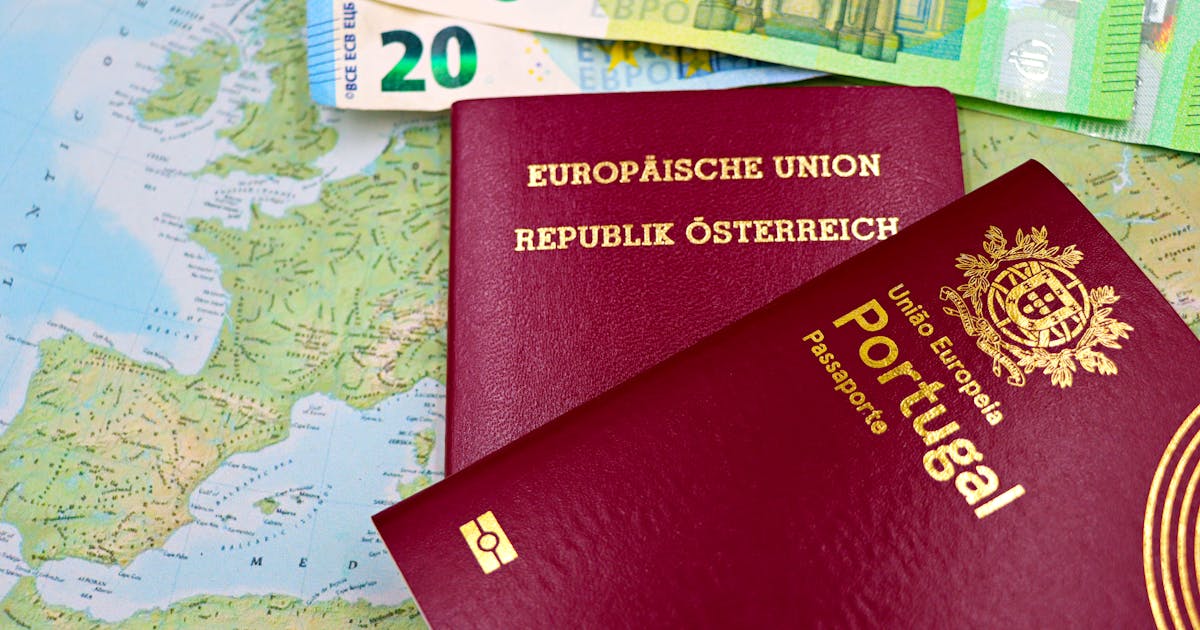
- Hold a valid biometric passport: Your passport must be machine-readable and contain a biometric chip. It must also remain valid for at least 3 months beyond your planned date of departure from the Schengen Area.
- Not hold a valid Schengen visa: ETIAS is specifically designed for visa-exempt travelers. If you already hold a valid Schengen visa, you do not need ETIAS for that particular trip.
- Not be a citizen of an EU or Schengen country: Nationals of EU member states and Schengen-associated countries do not need ETIAS, as they enjoy freedom of movement within the area.
Required Documents for ETIAS Application
Unlike a Schengen visa, which requires extensive documentation including bank statements, hotel bookings, and invitation letters, the ETIAS application requires only a few essential items:
ETIAS launches late 2026 — be first to know
One e-mail the day applications open. No spam.
1. Valid Biometric Passport
Your passport is the most critical document for the ETIAS application. The system will verify your passport data electronically. Ensure that:
- The passport is not expired and has at least 3 months of remaining validity
- It contains a biometric chip (indicated by a small camera icon on the cover)
- All personal details are legible and the machine-readable zone is not damaged
- The name on your ETIAS application matches your passport exactly
2. Valid Email Address
You will need an active email address to receive your ETIAS application confirmation, authorization notification, and any follow-up correspondence. This is also the address where you will receive alerts about your ETIAS status and expiration reminders.
3. Payment Method
Additionally, you need a valid credit or debit card to pay the €20 application fee. Accepted payment methods include Visa, Mastercard, and other major international card networks. The fee applies to travelers aged 18 to 70.
4. Personal and Contact Information
You will need to provide your current home address, telephone number, and details about your education and employment. The system uses this information for the background screening process.
Health and Security Screening Questions
The ETIAS application includes a set of mandatory screening questions that assess whether an applicant may pose a security, health, or migration risk. While these do not count as document requirements per se, you should be prepared to answer questions about:
- Criminal history: Have you been convicted of a serious criminal offense in the past 15 years?
- Travel to conflict zones: Have you traveled to specific conflict-affected regions in the past 10 years?
- Immigration history: Have you been subject to a deportation order, entry refusal, or visa overstay in any country?
- Health conditions: Do you have any medical conditions that may pose a public health risk, such as certain infectious diseases?
- Employment and financial means: What is your current occupation and do you have sufficient funds for your stay?

Who Is Exempt from ETIAS?
The following groups of travelers do not need ETIAS:
- Citizens of EU member states and Schengen-associated countries
- Holders of valid Schengen visas or long-stay national visas
- Holders of residence permits issued by a Schengen country
- Diplomatic passport holders on official duty
- Crew members of international airlines and ships
- Nationals of Andorra, Monaco, San Marino, and the Vatican who are exempt by treaty
Special Cases and Dual Nationality
If you hold dual nationality and one of your nationalities is from an EU or Schengen member state, you do not need ETIAS. Simply travel using your EU/Schengen passport. If both nationalities are from visa-exempt third countries, you can apply with either passport, but remember that your ETIAS will be linked to the specific passport you use during the application.
Travelers with criminal records are not automatically disqualified from receiving ETIAS. The system evaluates each case individually based on the nature and severity of the offense, the time elapsed, and the potential risk to public safety. However, serious offenses such as terrorism-related crimes, human trafficking, or drug trafficking may result in denial.

ETIAS Requirements vs Schengen Visa Requirements
| Requirement | ETIAS | Schengen Visa |
|---|---|---|
| Valid passport | Yes (biometric) | Yes (6+ months validity) |
| Application form | Online only (10 min) | Paper or online + in-person |
| Passport photos | Not required | 2 recent photos required |
| Travel insurance | Not required | Mandatory (€30,000 min) |
| Hotel bookings | Not required | Required |
| Flight itinerary | Not required | Required |
| Bank statements | Not required | Required (3-6 months) |
| Employment letter | Not required | Usually required |
| Invitation letter | Not required | Required for some purposes |
| Biometric data | Not collected | Fingerprints required |
| Interview | Not required | May be required |
As the table illustrates, ETIAS dramatically simplifies the process for eligible travelers. For a more detailed comparison, see our guide on What Is ETIAS.
Preparing for a Smooth ETIAS Application
To ensure your ETIAS application goes smoothly, follow these preparation tips:
- Check passport validity: Confirm your passport will be valid for at least 3 months after your planned departure from the Schengen Area
- Verify your nationality: Confirm that your country is on the list of ETIAS-eligible nations on our ETIAS Countries page
- Gather your information: Have your passport, email, payment card, and personal details ready before starting the application
- Plan ahead: Apply at least 72 hours before travel to allow time for any potential manual review
- Use official channels: Only apply through the official EU ETIAS portal
For step-by-step instructions on completing your application, read our ETIAS Application Guide.
Frequently Asked Questions
What documents do I need to apply for ETIAS?
To apply for ETIAS, you need a valid biometric passport from an eligible visa-exempt country, a working email address, and a debit or credit card to pay the €20 application fee (travelers aged 18–70). No supporting documents such as hotel bookings, flight itineraries, or bank statements are required.
Can I apply for ETIAS with an expired passport?
No. Your passport must be valid for the entire duration of your stay in the Schengen Area. ETIAS is electronically linked to your passport number, so an expired document cannot be used. If your passport expires before your trip, renew it first and then submit your ETIAS application with the new passport details.
Do children need their own ETIAS authorization?
Yes. Every traveler, regardless of age, requires an individual ETIAS travel authorization. Parents or legal guardians can complete the application on behalf of minors. Children under 18 and adults over 70 are exempt from the €20 fee, but must still hold an approved ETIAS linked to their own passport.
Does ETIAS require a medical exam or vaccinations?
No medical exam or vaccinations are required for ETIAS. However, the application includes basic health-related screening questions. Authorities may ask whether you have visited regions affected by certain communicable diseases. These questions are part of the standard security assessment and do not require medical documentation.
Will a criminal record prevent me from getting ETIAS?
Not necessarily. The ETIAS application asks about certain serious criminal convictions. Each case is assessed individually by the relevant national authorities. Minor offenses typically do not result in denial. However, convictions related to terrorism, drug trafficking, or serious violent crimes may lead to a rejected application.

Official Sources & References
- ETIAS Official Portal – European Commission’s official ETIAS information and application page
- What You Need to Apply for ETIAS – Official document requirements from the EU
Additional ETIAS preparation essentials
Before you travel to a Schengen country, verify three practical items that often catch first-time ETIAS applicants by surprise. First, confirm your passport’s validity: ETIAS requires a biometric passport with at least 3 months validity beyond your planned Schengen departure date. Second, prepare your accommodation details: while ETIAS does not require a hotel booking at application time, border officers at Schengen entry points (Frankfurt, Paris CDG, Amsterdam, Madrid, Rome FCO) routinely ask where you’ll be staying. Have a confirmation email accessible. Third, carry proof of onward travel: a return or onward ticket within the 90-day stay limit is mandatory; one-way tickets with ETIAS are flagged for additional questioning at border control.
Frequently asked questions
How long is ETIAS valid?
An ETIAS authorisation is valid for three years from approval or until your passport expires, whichever comes first. Within that period you can make unlimited entries to the Schengen Area, each up to 90 days within any rolling 180-day period. If you replace your passport, change your name, or change citizenship, you must apply for a new ETIAS — the old one becomes invalid the moment the linked passport changes.
What if my ETIAS is denied?
An ETIAS denial does not mean you cannot travel to Europe — it means you must apply for a standard Schengen visa at the embassy of the country where you’ll first enter. Denial reasons typically include prior overstays in Schengen, criminal records, certain past visa refusals, or recent travel to specific high-risk regions. Embassy interviews typically take 2-4 weeks. You can also appeal an ETIAS denial directly to the EU within 60 days, but appeals require legal expertise and rarely succeed without strong new evidence.
Where can I check the latest ETIAS information?
The official EU travel-europe ETIAS portal is the only authoritative source for fees (€20), eligible nationalities, and procedural updates. Avoid third-party sites that often charge inflated fees (some demand €50-150 versus the official €20) and may show outdated information. The European Commission typically announces major policy changes at least 30 days in advance via official channels.
 English
  Shqip
Shqip  العربية
  Français
  ქართული
  עִבְרִית
  简体中文
简体中文  香港中文
香港中文  繁體中文
繁體中文  Español
  Português do Brasil
  日本語
日本語  한국어
한국어  Bahasa Melayu
  Українська
  Română
  Српски језик
  Türkçe