
The ETIAS expiry rules are simple once you know the two dates that matter: the authorisation is valid for up to three years, but it ends immediately if your passport expires first. This guide explains how the validity period works, how it interacts with the 90/180-day stay limit, and exactly when you need to reapply so you are never turned away at the border.
TL;DR: ETIAS lasts up to three years or until your linked passport expires, whichever comes first. Within that period you can make unlimited short trips, but each visit counts toward 90 days in any 180-day window. A new passport always requires a new ETIAS, even if the old one had time left.
ETIAS launches late 2026 — be first to know
One e-mail the day applications open. No spam.
Quick Facts
| Item | Detail |
|---|---|
| Maximum validity | 3 years |
| Ends early if | Passport expires |
| Stay limit | 90 days per 180 days |
| Entries | Unlimited within validity |
| New passport | Requires new ETIAS |
| Cost to renew | €20 |
For the underlying mechanics, see how long ETIAS is valid and the explainer on the Schengen 90/180-day rule.
The three-year validity explained

When your application is approved, ETIAS is valid for three years from the date of issue. During those three years you do not reapply for each trip — the same authorisation covers as many short visits as you like. The one hard limit is your passport: ETIAS is electronically linked to the specific passport you applied with, so the authorisation cannot outlive that document. If your passport expires two years into the validity period, your ETIAS expires at the same moment, and you keep only the two years you actually used.
How expiry interacts with the 90/180-day rule

Validity and stay length are two different things. ETIAS being valid does not mean you can stay indefinitely — every entry counts toward a maximum of 90 days within any rolling 180-day period across the whole Schengen Area. You could hold a three-year ETIAS and still overstay if you exceed 90 days in a half-year. Track your days carefully, especially if you take several trips close together.
| Concept | What it controls | Limit |
|---|---|---|
| ETIAS validity | How long the authorisation lasts | Up to 3 years |
| 90/180 rule | How long each stay can be | 90 days / 180 days |
| Passport link | Which document it is tied to | One passport |
Pro tip: Renewing your passport resets the clock. Even a brand-new passport issued the day after your old one expired means you must apply for a fresh ETIAS before you next travel — budget the €20 and a little time.
When and how to renew your ETIAS
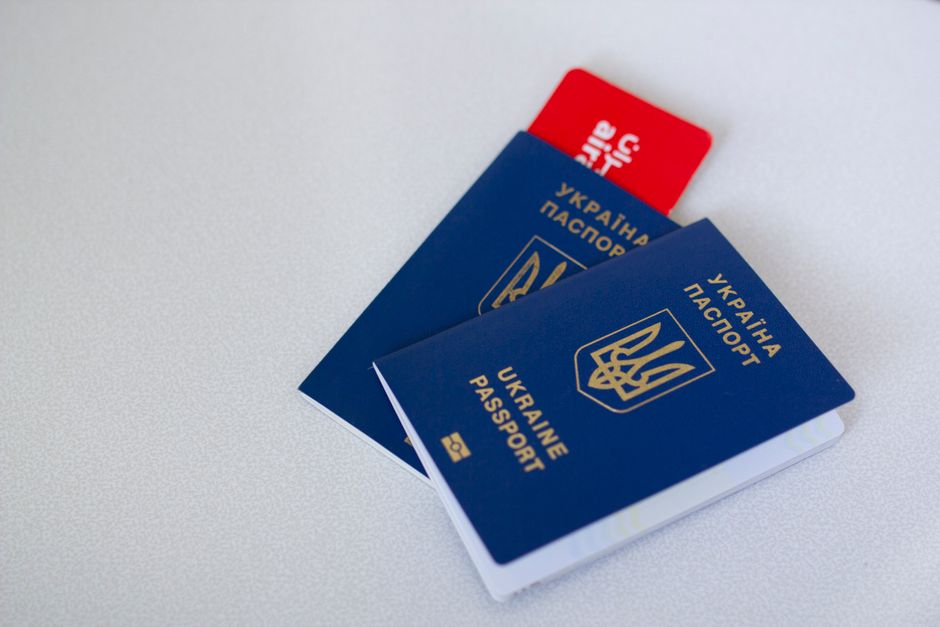
There is no rolling renewal — when your ETIAS expires you simply apply again, exactly as you did the first time. Plan a new application in these situations:
- Your three years are up — apply again before your next trip.
- You renewed your passport — the old ETIAS no longer matches, so reapply with the new document.
- Your details changed — a change of name or passport number means a new authorisation.
Use the official EU ETIAS portal to apply, and read how to reapply when ETIAS expires for the specifics. The full reasoning is also covered by the European Commission ETIAS pages.
Avoiding expiry problems at the border

Border systems check that your ETIAS is valid and matches the passport you present. The most common mistakes are travelling on a renewed passport while relying on an old ETIAS, and assuming validity means unlimited stay. Check both dates before every trip and make sure your passport will remain valid for the whole journey. If anything looks off, our guide on ETIAS document requirements helps you confirm you are ready.
- Tip 1: Note your ETIAS expiry and your passport expiry — whichever is sooner is your real deadline.
- Tip 2: Never travel on a new passport with an ETIAS issued for the old one.
- Tip 3: Track your 90/180 days with a calendar or the tools listed on the SchengenVisaInfo ETIAS hub.
Common expiry scenarios explained
Most expiry confusion comes from a handful of recurring situations, and walking through them removes the guesswork. Scenario one: your ETIAS is approved with three years of validity, but your passport expires in eighteen months. Your ETIAS effectively expires in eighteen months too, because it cannot outlive the passport it is linked to. Scenario two: you renew your passport early for an unrelated reason, such as running out of blank pages. Even though your old ETIAS still showed time remaining, it is now tied to a document you no longer carry, so you must apply again before your next trip. Scenario three: your ETIAS is still valid and so is your passport, but you have already spent 85 of your 90 permitted days this half-year — here validity is fine, yet the stay limit is what stops you, not expiry.
| Scenario | What expires first | Action |
|---|---|---|
| Passport expires before 3 years | Passport | Reapply with new passport |
| Early passport renewal | Document link broken | Reapply before travel |
| 90 days nearly used | Neither — stay limit hit | Wait for days to free up |
Keeping these scenarios in mind makes pre-trip checks quick. The official EU ETIAS portal lets you verify your ETIAS status, and the SchengenVisaInfo ETIAS hub explains how the 90/180 calculation rolls forward day by day.
Why a valid ETIAS never guarantees entry
It is worth stressing that ETIAS validity and the right to enter are two different things. A valid, in-date ETIAS authorises you to travel to a Schengen border and be considered for entry — it does not by itself guarantee admission. Border officers still carry out their normal checks and can ask about the purpose of your trip, your accommodation, your return travel and your means of support. This is the same principle that applies to visa-free travel today, and to comparable schemes elsewhere. Treat your ETIAS as the key that lets you reach the door, while the officer decides whether to open it. Carrying evidence of your plans — a return ticket, a hotel booking, proof of funds — keeps that final conversation short. Our document requirements guide lists what is worth having to hand.
A simple routine to never get caught out
The easiest way to stay on the right side of the expiry rules is to build a short pre-trip routine. Before booking any travel, check three dates: your passport expiry, your ETIAS expiry, and how many of your 90 days you have already used in the current 180-day window. If your passport will expire during or shortly after the trip, renew it and reapply for ETIAS first. If your ETIAS has lapsed, submit a fresh application and allow time for approval. And if your day count is close to 90, push the trip back until older days drop out of the rolling window. Running this quick check every time turns the rules from a worry into a habit. The official EU ETIAS portal shows your current authorisation status, and the SchengenVisaInfo ETIAS hub offers day-counting tools.
The bottom line
To summarise the expiry rules: your ETIAS lasts up to three years or until your passport expires, whichever comes first, and within that time you may take unlimited short trips capped at 90 days in any 180-day period. A new passport always means a new ETIAS. Build a three-date pre-trip check — passport expiry, ETIAS expiry, and days used — and you will never be caught out at a Schengen border. Validity gets you to the border; the officer there still makes the final call on entry. For the authoritative position, always check the official EU ETIAS portal before you apply.
Related ETIAS guides
- ETIAS validity duration
- Renewing an expired ETIAS
- The 90/180-day rule
- ETIAS requirements
- What is ETIAS?
Frequently Asked Questions
What are the ETIAS expiry rules?
ETIAS is valid for up to three years or until your passport expires, whichever comes first. After that you must apply again.
Does ETIAS expire when my passport expires?
Yes. The authorisation is linked to one passport, so it ends the moment that passport expires, even if the three years are not up.
Can I use ETIAS for multiple trips before it expires?
Yes. Within the validity period you can make unlimited short visits, subject to the 90-days-in-180 limit.
How long can I stay on a valid ETIAS?
Up to 90 days in any 180-day period across the Schengen Area, regardless of how long your ETIAS remains valid.
Do I need a new ETIAS after renewing my passport?
Yes. A new passport always requires a new ETIAS application, because the authorisation is tied to the specific document.
How do I renew an expired ETIAS?
There is no renewal as such — you submit a fresh application and pay the €20 fee again before your next trip.
What happens if I travel after my ETIAS expires?
You may be denied boarding or entry. Always confirm your ETIAS and passport are both valid before you travel.
Can I extend my ETIAS validity?
No. ETIAS validity is fixed at up to three years and cannot be extended. When it ends you apply again and pay the €20 fee.
Does leaving and re-entering reset my 90 days?
No. The 90/180 limit is calculated across a rolling 180-day window for the whole Schengen Area, so simply leaving and returning does not reset your allowance.
 English
  Shqip
Shqip  العربية
  Français
  ქართული
  עִבְרִית
  简体中文
简体中文  香港中文
香港中文  繁體中文
繁體中文  Español
  Português do Brasil
  日本語
日本語  한국어
한국어  Bahasa Melayu
  Українська
  Română
  Српски језик
  Türkçe