Finding cheap flights to Europe in 2026 is mostly about timing, flexibility and avoiding hidden fees — not luck. Below you will learn exactly when to book, which airports cut the most off the fare, how the new ETIAS travel authorisation fits into your budget, and the booking traps that quietly inflate a “low” headline price.
TL;DR: Book European flights 6–8 weeks ahead for short-haul and 2–4 months ahead for long-haul, fly mid-week into secondary airports, and budget around €20 for the ETIAS authorisation expected to launch in the last quarter of 2026. Flexible dates plus carry-on-only fares are the two biggest levers on the final price.
| Quick Facts | Detail (2026) |
|---|---|
| Best booking window (short-haul) | 6–8 weeks before departure |
| Best booking window (long-haul) | 2–4 months before departure |
| Cheapest days to fly | Tuesday, Wednesday, Saturday |
| ETIAS fee | €20 (free for under-18s and over-70s) |
| ETIAS validity | Up to 3 years or until passport expires |
| Schengen stay limit | 90 days in any 180-day period |
Whether you are chasing a winter city break or a summer island run, the strategy combines smart timing with a clear understanding of entry rules. For a wider budget plan, pair this guide with our budget travel in Europe guide and check the best time to visit Europe before you lock in dates.
ETIAS launches late 2026 — be first to know
One e-mail the day applications open. No spam.
How to find cheap flights to Europe in 2026
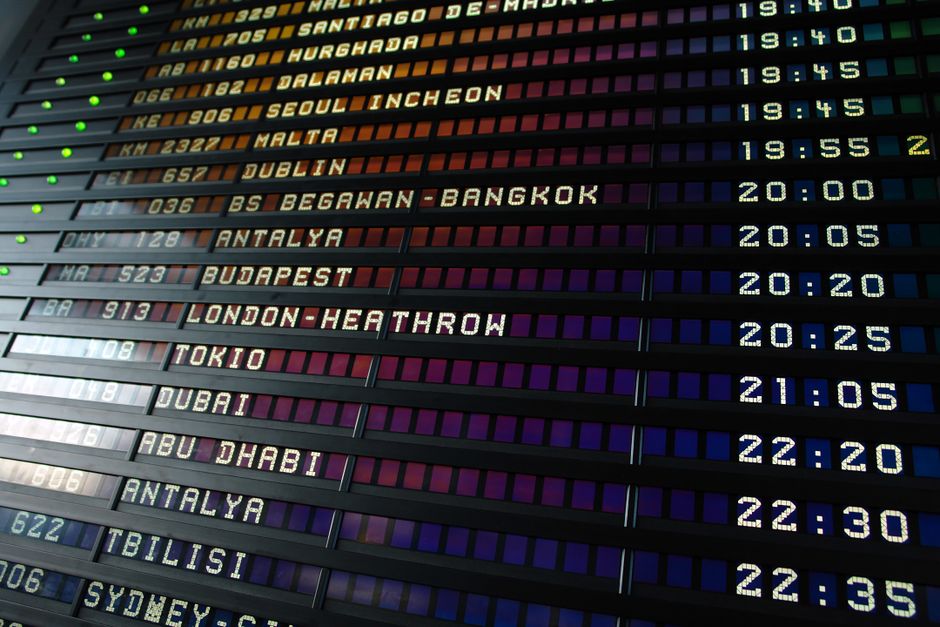
The fastest way to find a low European fare is to stay flexible on dates, airports and baggage, then compare across a metasearch engine before booking directly with the airline. Flexible travellers routinely save 20–40% versus fixed-date searches, because European fares swing sharply between weekday and weekend departures and between primary and secondary airports.
Set fare alerts at least 2 months out, search a +/- 3 day window, and always price a carry-on-only fare against the “all-in” ticket. Low-cost carriers advertise seats from €15–€30 one-way on short routes, but checked baggage can add €25–€60 each way. Booking directly with the airline after comparing also protects your travel insurance and refund rights, which third-party agents often complicate.
Pro tip: Clear your cookies or use a private browser window when price-checking the same route repeatedly — and remember that the single biggest controllable cost on a budget itinerary is checked baggage, not the base fare.
Best time to book cheap flights to Europe
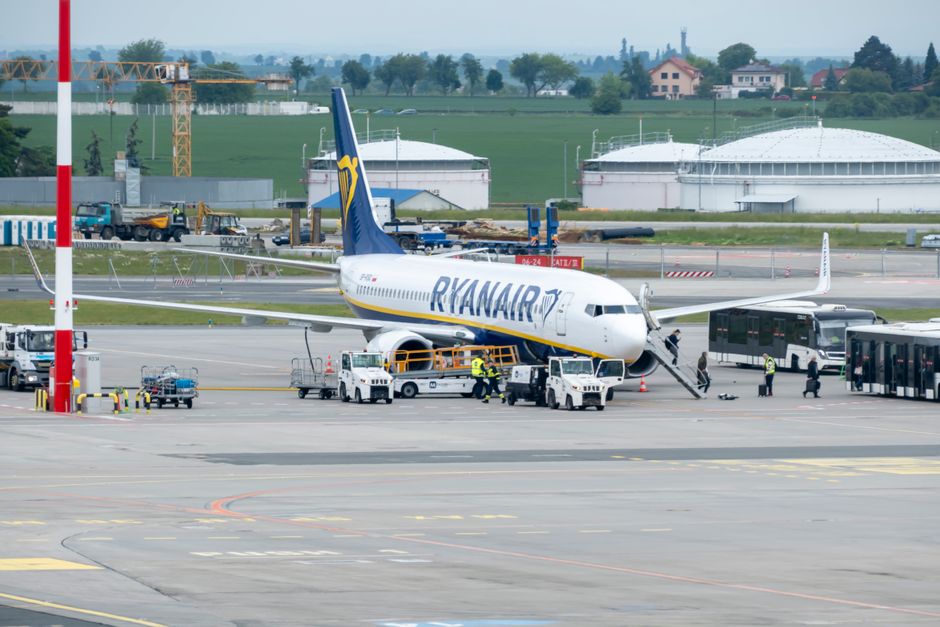
The best time to book cheap flights to Europe is 6–8 weeks before short-haul departures and 2–4 months before long-haul departures, with Tuesday and Wednesday departures typically cheapest. Booking too early rarely helps, and booking inside two weeks of travel almost always costs more on popular Schengen routes.
Seasonality matters as much as the booking window. Shoulder months — roughly April–May and September–October — combine lower fares with thinner crowds, while July and August peak for both price and demand. Travelling in the quieter months can cut a return fare by 30% or more; see our breakdown of low-season Europe travel versus high-season travel to plan around it. If your dates are fixed, focus your savings on baggage, seat choice and airport selection instead, where you still have real control over the total cost.
Cheapest airports and routes into the Schengen Area
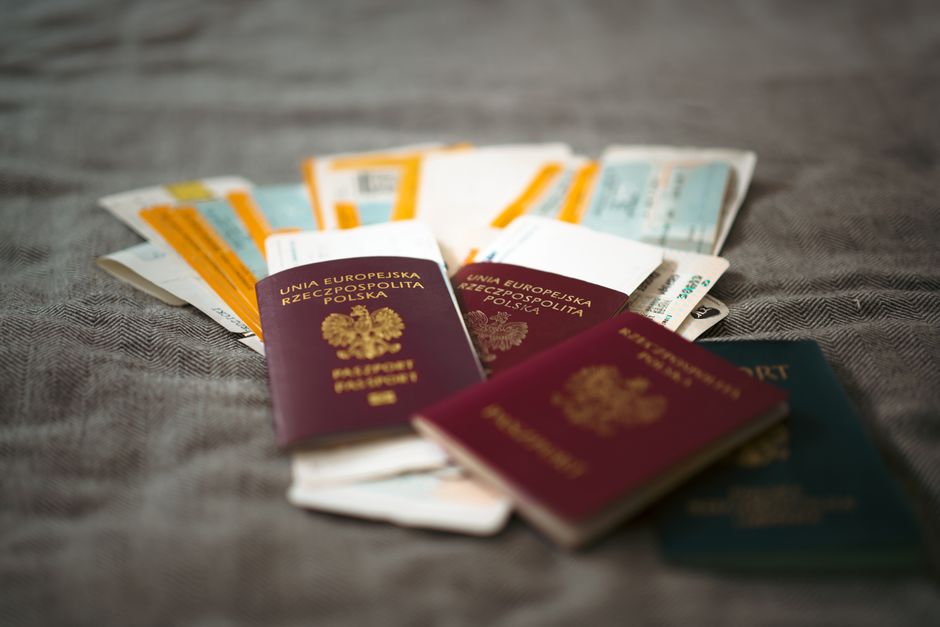
Flying into a major low-cost hub such as Milan Bergamo, Brussels Charleroi, Frankfurt Hahn or Barcelona Girona, then connecting onward by train, is often the cheapest way to reach the Schengen Area. Secondary airports cut landing costs that airlines pass on as lower fares, frequently saving €40–€80 versus the primary city airport.
| Approach | Typical saving | Trade-off |
|---|---|---|
| Secondary airport + train | €40–€80 per leg | Longer transfer (45–90 min) |
| Mid-week departure | 10–25% on the fare | Less weekend flexibility |
| Carry-on only | €25–€60 per leg | Pack light, no large souvenirs |
| Shoulder-season dates | Up to 30% return | Cooler or variable weather |
Major hubs like Frankfurt, Amsterdam Schiphol, Paris Charles de Gaulle and Madrid handle the highest passenger volumes in the European Union, so competition there can also produce bargains on long-haul routes (European Commission, air transport, accessed 23 June 2026). Compare arrival options in our guide to the top EU airports for ETIAS first arrival and review airport procedures in Europe before you fly. Once you land, budget rail can stretch your savings further — see EU train passes compared.
ETIAS and entry rules every budget traveller must know

Most visa-exempt visitors will need an ETIAS travel authorisation, expected to cost €20 and launch in the last quarter of 2026, before boarding a flight to the Schengen Area. The authorisation is valid for up to three years or until your passport expires, and it covers multiple short stays within the 90-days-in-180 limit.
The fee is waived for applicants under 18 and over 70, and most applications are approved within minutes, though the official guidance advises applying well ahead of travel (European Union, ETIAS, accessed 23 June 2026). Check whether you qualify on the official who should apply page, confirm your nationality against our complete ETIAS country list, and read the 2026 launch date guide. The Schengen Area covers more than 25 European countries under one entry framework (European Commission, Schengen Area, accessed 23 June 2026).
Hidden costs that erase your flight savings
Seat selection, checked baggage, airport transfers and payment surcharges are the four hidden costs that most often erase the savings on a cheap European fare. A €25 base fare can easily become €90 once a checked bag (€35), a chosen seat (€12) and a city-centre transfer (€18) are added — so price the whole journey, not just the ticket.
Budget for the ETIAS fee of €20 too, and never pay a third-party site a “service charge” of €60–€80 to file it for you when the official channel is far cheaper. Currency conversion at checkout, priority boarding and travel-money card fees can each add a few euros that compound across a multi-leg trip. Compare typical add-ons in our ETIAS cost guide and use the ETIAS application guide to apply through official channels only.
One more trap is the “free” cancellation that is not really free: many low-cost tickets are non-refundable, and even flexible fares often charge €40–€70 to change a date. If your plans might shift, compare the cost of a flexible fare against a basic ticket plus separate travel insurance before you decide. Paying with a card that adds no foreign-transaction fee, and declining the airline’s offer to bill you in your home currency, typically saves another 2–3% on every transaction.
Money-saving tips for your whole European trip
Beyond the airfare itself, the biggest savings come from travelling with hand luggage only, using regional rail, eating where locals eat, and timing your whole trip for the quieter shoulder season. A carry-on-only itinerary alone can save €50–€120 in baggage fees on a return trip with two connections.
- Travel hand-luggage only: avoid checked-bag fees that can rival the fare itself.
- Combine flights with rail: a cheap flight plus a regional train often beats a pricier direct route — see train travel in Europe.
- Pick affordable cities: compare destinations in our best European destinations roundup and city guides for Barcelona and Rome.
- Sort entry early: get your ETIAS sorted as soon as the system opens so it never becomes a last-minute expense.
Accommodation and ground transport usually cost more than the flight itself over a week-long trip, so do not let a great fare lull you into overspending once you arrive. Booking refundable rooms a few months ahead, using city tourist cards for public transport and museums, and travelling between cities by regional train rather than taxi can each save €20–€50 a day. The goal is a cheap door-to-door journey, not just a cheap ticket — the savings only count if they survive the whole trip.
Frequently Asked Questions
How can I get cheap flights to Europe?
Book 6–8 weeks ahead for short-haul routes, fly mid-week into a secondary airport, and travel with carry-on only. Flexible dates and a fare alert set two months out give you the best chance of a rock-bottom fare.
What is the cheapest month to fly to Europe?
The shoulder months of April–May and September–October typically offer the lowest fares, sometimes 30% below July and August peaks, while still giving good weather and thinner crowds.
Do I need ETIAS to fly to Europe in 2026?
Most visa-exempt travellers will need an ETIAS authorisation, expected to launch in the last quarter of 2026 at €20. It is valid for up to three years and covers multiple stays within the 90-days-in-180 rule (European Union, ETIAS, accessed 23 June 2026).
Are budget airlines safe and reliable for European routes?
Yes. Low-cost carriers in the European Union meet the same safety regulation as full-service airlines. The difference is in fees and flexibility, so always read the baggage and change rules before booking.
Is it cheaper to book flights and trains separately?
Often yes. A cheap flight into a secondary airport plus a regional train can undercut a direct flight to the main city airport, especially in well-connected countries like Italy, Germany and Spain.
How far in advance should I book long-haul flights to Europe?
Aim for 2–4 months ahead for transatlantic and other long-haul routes. Prices tend to climb steadily within six weeks of departure on popular Schengen gateways.
Does ETIAS guarantee entry to Europe?
No. ETIAS authorises you to travel to a Schengen border, but the final entry decision rests with border officers. Carry proof of accommodation, return travel and sufficient funds.
Securing cheap flights to Europe in 2026 comes down to three habits: book in the right window, stay flexible on airports and baggage, and treat the €20 ETIAS authorisation as a planned, official cost rather than a last-minute surprise. Sort your entry early, travel light, and your savings will survive all the way to the gate.
Last updated: 2026-06-23 — verified against europa.eu ETIAS guidance.
 English
  Shqip
Shqip  العربية
  Français
  ქართული
  עִבְרִית
  简体中文
简体中文  香港中文
香港中文  繁體中文
繁體中文  Español
  Português do Brasil
  日本語
日本語  한국어
한국어  Bahasa Melayu
  Українська
  Română
  Српски језик
  Türkçe