Yes, you will need ETIAS for Crete once the system goes live. The EU has not yet announced a start date and will confirm it several months in advance. Crete is part of Greece, which belongs to the Schengen area, so visa-exempt travellers from outside the EU will register online, pay a €20 fee, and link the approval to their passport before flying to the island. The rule is the same whether you land in Heraklion, Chania, or hop over by ferry from Athens.
Key facts
- Fee: €20 per adult, confirmed by the European Commission on 17 July 2025 (European Commission).
- Who pays nothing: applicants under 18 and over 70 are exempt from the fee.
- Validity: three years, or until your passport expires — whichever comes first.
- Stay limit: 90 days in any 180-day period across the whole Schengen area.
- Launch: ETIAS is not operational yet and the EU has not announced a start date — you cannot apply yet.
| Quick Facts: ETIAS on Crete | Detail |
|---|---|
| Applies to | Visa-exempt non-EU nationals (US, UK, Canada, Australia and more) |
| Fee | €20 (free under 18 / over 70) |
| Validity | 3 years or until passport expiry |
| Main airports | Heraklion (HER), Chania (CHQ) |
| Max stay | 90 days in any 180 |
Crete sits firmly inside the Schengen zone, so the same authorisation that covers mainland Greece covers the island. If you are still mapping out the wider trip, our guide to ETIAS for Greece explains how the rules apply across the country, and the Greek islands ETIAS guide covers island-hopping in detail.
ETIAS launches late 2026 — be first to know
One e-mail the day applications open. No spam.
Do you need ETIAS to visit Crete in 2026?
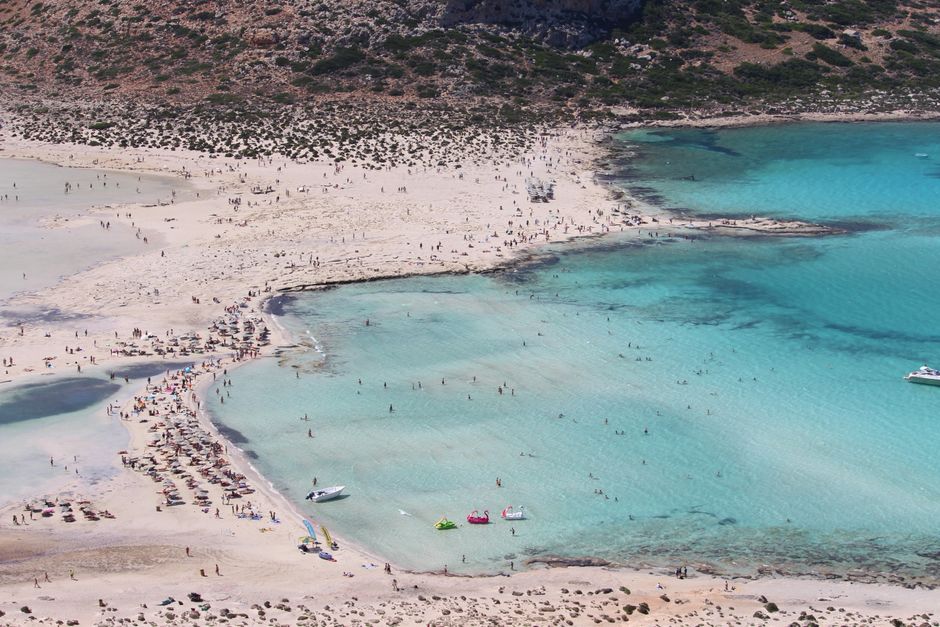
You will need an ETIAS if you hold a passport from a visa-exempt country such as the United States, United Kingdom, Canada, or Australia and you are visiting for up to 90 days. Crete has no separate entry system. It follows Greek and Schengen rules, so there is no “island exemption” the way some travellers assume.
EU and EEA citizens do not need ETIAS at all, because they travel under free movement rules. The authorisation is aimed at the roughly 60 nationalities that can already enter Schengen countries without a visa. The European Union confirms the eligible groups on its official ETIAS “who should apply” page. Check your own nationality there before booking.
Say you fly into Heraklion (HER) direct from New York. You clear the same passport desk as someone arriving in Athens, and the border officer sees your ETIAS status linked to the passport chip. No printout is strictly required, though a screenshot never hurts.
How much does ETIAS cost for a trip to Crete?
ETIAS will cost €20 for most adults visiting Crete, and the approval stays valid for three years or until your passport runs out, whichever comes first. Children under 18 and travellers over 70 pay nothing at all, so a family holiday works out cheaper than the headline figure first suggests. The fee was fixed at €20 by the European Commission on 17 July 2025, up from the €7 originally set in the ETIAS Regulation.
| Item | ETIAS for Crete |
|---|---|
| Standard fee | €20 |
| Under 18 / over 70 | €0 |
| Validity | 3 years or passport expiry |
| Number of entries | Multiple, within the 90/180 limit |
A family of four with two children under 18 pays €40 (the two adults at €20 each), not €80. Compare that with a full Schengen visa, which has its own fee and processing time. For the exact breakdown, see our ETIAS cost guide and the family-focused notes in the requirements, documents and fees overview.
How to apply for ETIAS step by step
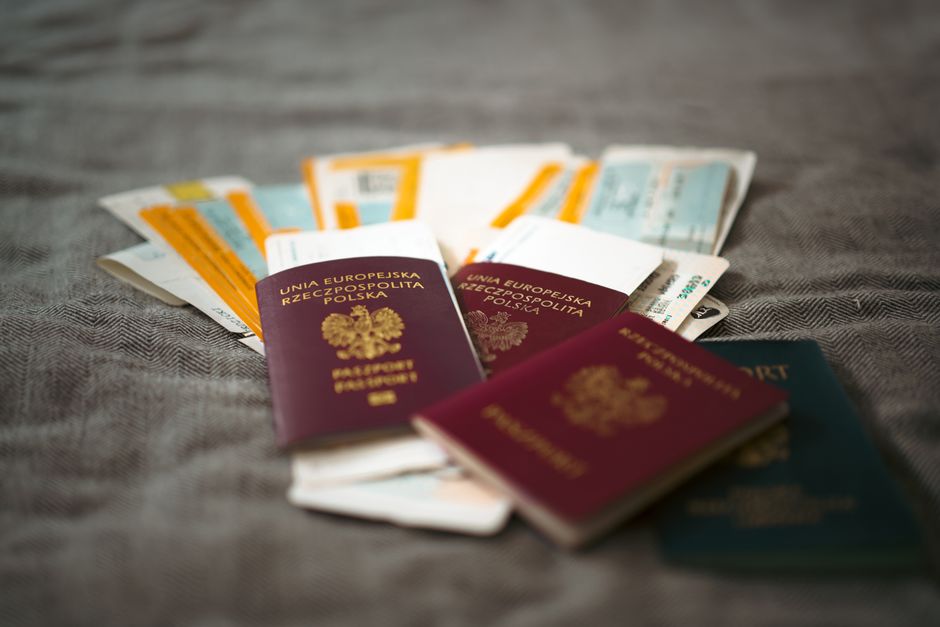
To get your authorisation, you will complete a short online form, pay €20 by card, and wait for approval — usually within minutes, though some cases take up to 96 hours. The portal is not open yet and no launch date has been announced, so treat these steps as your pre-flight checklist.
- Get your passport ready. It must be valid and biometric. Enter the number exactly as printed — a single typo can hold up your application.
- Fill in the online form. You will give personal details, the country of your first intended stay (Greece, if you fly straight to Crete), and answer background questions.
- Pay the €20 fee once ETIAS starts operating (no start date has been set yet). Under-18s and over-70s are billed €0.
- Wait for the decision and check your email. Most approvals arrive quickly; keep a copy before you travel.
Our step-by-step application walkthrough and the fuller ETIAS application guide cover each screen. Not sure when to apply? The how far in advance to apply guide has the timing.
Getting to Crete: flights, ferries and passport checks

Most visitors reach Crete by direct flight into Heraklion or Chania, or by overnight ferry from the port of Piraeus near Athens, and ETIAS covers every one of these routes. Because Greece is fully inside Schengen, an internal ferry from Athens counts as domestic travel — your authorisation is checked when you first enter the zone, not at the harbour.
Ferries from Piraeus to Heraklion take roughly nine hours overnight; the daytime flight from Athens is about 50 minutes. If you island-hop from Santorini to Crete, there is no fresh passport check because you never leave Schengen. Our Greek island ferry routes guide maps the connections, and the island-hopping guide explains how the 90-day clock keeps ticking as you move.
Keep an eye on your total days. The 90/180 rule tracker shows how a long summer on Crete eats into the same allowance you would use in Italy or Spain.
What to see in Crete once you land
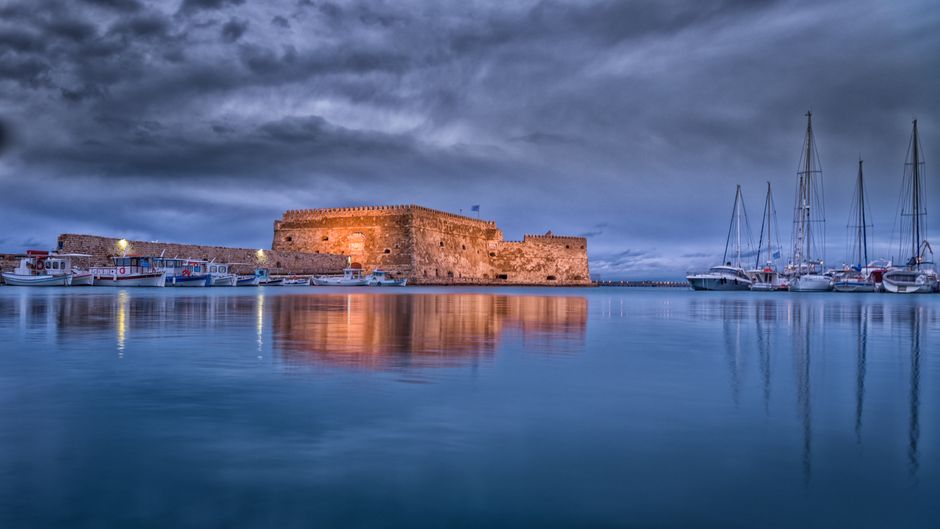
Crete rewards visitors with Minoan ruins at Knossos, the Venetian harbour of Chania, pink-sand beaches at Elafonisi, and the Samaria Gorge — all reachable within a single ETIAS-covered stay of up to 90 days. The island is large, around 260 km end to end, so pick a base rather than trying to see everything in a week.
Heraklion works for Knossos and the archaeological museum. Chania suits the west, the gorge, and quieter coves. A practical tip from repeat visitors: hire a car for at least two days, because the mountain villages and southern beaches sit well beyond the bus network. For city-by-city planning, the Athens ETIAS guide pairs well if you add a mainland stopover.
Practical tips before you travel to Crete
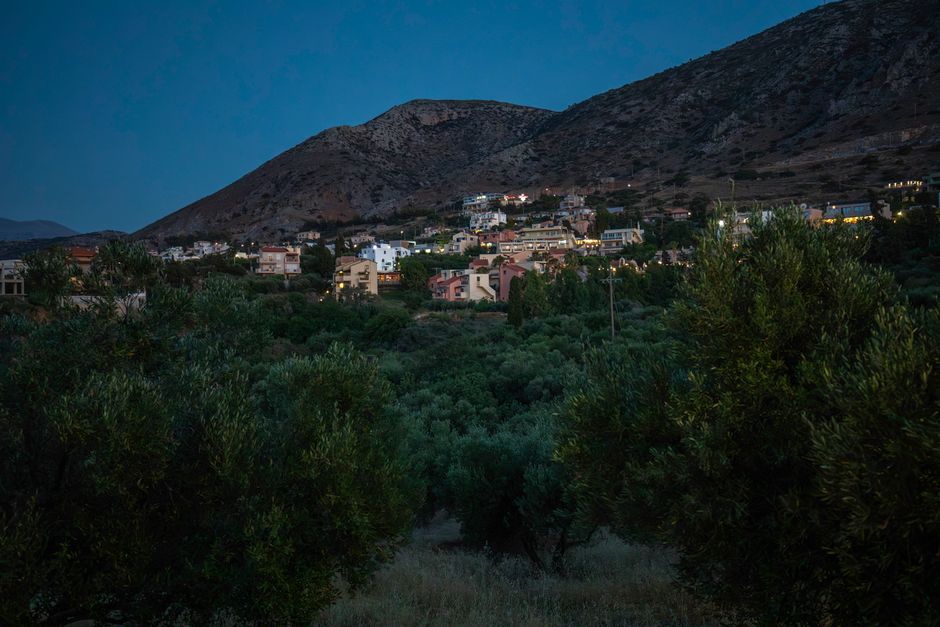
Before you fly to Crete, check that your passport is valid, save a copy of your ETIAS approval, and confirm that the country of first intended stay on your form matches your travel plans. These three checks take about five minutes at home and head off the most common hold-ups at the border desk in Heraklion.
- Passport validity: it must be valid for at least three months after you plan to leave the Schengen area and have been issued within the last 10 years. See our passport validity rules.
- First intended stay: if Crete is your first stop, list Greece as your first country of stay on the form, even if you later visit Italy.
- Keep proof handy: a screenshot of your approval and your return or onward ticket speeds up checks.
Pro tip: Apply for ETIAS as soon as the portal opens and before you book non-refundable flights to Crete. Approval is usually instant, but a flagged application can take up to 96 hours — you do not want that gap the night before departure.
You will apply on the official EU portal once it launches. Double-check every detail before you submit — the €20 fee is paid as part of the application.
ETIAS and Crete: frequently asked questions
Does an ETIAS you already have for another country cover Crete?
No — one ETIAS covers the entire Schengen area, including Crete. You do not need a separate authorisation for each country. As long as it is valid, use the same approval across your whole trip.
Is Crete in the Schengen area?
Yes. Crete is part of Greece, which is a full Schengen member. The same border and ETIAS rules that apply on the mainland apply on the island.
How much does ETIAS cost?
€20 for adults. Travellers under 18 and over 70 pay nothing. The fee was confirmed by the European Commission in July 2025.
When does ETIAS start for Greece and Crete?
The EU has not yet announced a start date; it will confirm the date several months in advance. Until ETIAS launches you cannot apply, and no authorisation is required to enter Crete.
Do children need ETIAS to visit Crete?
Yes, every traveller needs their own ETIAS, including babies and children. The difference is that under-18s are exempt from the €20 fee.
How long can I stay in Crete with ETIAS?
Up to 90 days in any 180-day period, counted across all Schengen countries together. The ETIAS approval itself lasts three years, or less if your passport expires sooner.
Does ETIAS guarantee entry to Crete?
No. ETIAS is a pre-travel authorisation, not a visa or a guarantee. A Greek border officer still makes the final decision on entry.
Disclaimer: europe-visa.eu is an independent information website. We are not a government body. ETIAS applications will be made on the official EU portal once it opens. For official guidance, see the European Union ETIAS pages and UK travel advice for Greece.
About the author: The europe-visa.eu editorial team tracks ETIAS and Schengen border rules for non-EU travellers, cross-checking every figure against European Commission and national government sources.
Last updated: 2026-07-22 — verified against gov.uk schedule.
 English
 Shqip
 العربية
 Français
 ქართული
 עִבְרִית
 简体中文
 香港中文
 繁體中文
 Español
 Português do Brasil
 日本語
 한국어
 Bahasa Melayu
 Українська
 Română
 Српски језик
 Türkçe