ETIAS will be required for travel to 30 European countries — the 29 Schengen states plus Cyprus — once the system launches; the EU has not yet announced a start date and will confirm it several months in advance. Visa-exempt travellers from outside the EU will pay a single €20 fee and carry one authorisation that works across all of them. Ireland is the main European exception and keeps its own entry rules.
Key facts
- How many: 30 European countries fall under ETIAS (European Commission, Schengen area).
- One authorisation: a single ETIAS covers every participating country, not one per border.
- Fee: €20 (Regulation (EU) 2025/1411); free under 18 and over 70.
- Validity: three years or until your passport expires.
- Not included: Ireland, which is in the EU but outside Schengen.
| Quick Facts: ETIAS countries | Detail |
|---|---|
| Countries covered | 30 (29 Schengen + Cyprus) |
| One approval covers | All participating countries |
| Fee | €20 (free under 18 / over 70) |
| Validity | 3 years or passport expiry |
| Max stay | 90 days in any 180 |
The list matters because your ETIAS follows you across borders. If you plan a multi-country trip, the same approval that gets you into France also covers Germany and Italy. Our ETIAS and Schengen difference guide explains how the two overlap.
ETIAS launches late 2026 — be first to know
One e-mail the day applications open. No spam.
Which ETIAS countries make up the full 2026 list?

The full list of ETIAS countries covers all 29 Schengen states plus Cyprus, giving 30 destinations reachable on a single authorisation. It runs from France, Spain, Italy and Germany to the Nordics and Baltics, and includes four non-EU members — Iceland, Liechtenstein, Norway and Switzerland — that joined the zone through separate agreements dating back to 2001. That includes big-hitters like France, Spain, Italy and Germany, the Nordics, the Baltics, and four non-EU members — Iceland, Liechtenstein, Norway and Switzerland — that sit inside Schengen through separate agreements.
| Group | Countries |
|---|---|
| Western Europe | Austria, Belgium, France, Germany, Luxembourg, Netherlands, Switzerland, Liechtenstein |
| Southern Europe | Croatia, Cyprus, Greece, Italy, Malta, Portugal, Slovenia, Spain |
| Northern Europe | Denmark, Estonia, Finland, Iceland, Latvia, Lithuania, Norway, Sweden |
| Central & Eastern Europe | Bulgaria, Czechia, Hungary, Poland, Romania, Slovakia |
Bulgaria and Romania became full Schengen members at their land borders on 1 January 2025, so they belong on the ETIAS list too. Cyprus is in the EU but not yet Schengen; it appears on the official ETIAS list, which you can confirm on the EU’s ETIAS pages.
Which European countries do not need ETIAS?
Ireland is the one EU country you can visit without an authorisation, because it stayed outside the Schengen area and runs its own immigration system. Visa-exempt travellers still pass an Irish border check, but no online form applies. The United Kingdom sits outside the scheme too, having left the EU in 2020, and now uses its own UK ETA instead.
So a Dublin-then-Paris itinerary crosses two systems: none for Ireland, ETIAS for France. Our guide to ETIAS and Ireland unpacks that split, which matters if you assume the EU works as one bloc.
Do micro-states and territories count as ETIAS countries?

Monaco, San Marino, Vatican City and Andorra are not formally ETIAS countries, but you reach them through the surrounding Schengen states, so in practice your ETIAS still applies at the point you enter. None of these four micro-states runs its own airport border or stamps passports. None of these micro-states run their own airport border, and there is no separate check when you cross in from France, Italy or Spain.
Picture a day trip: you drive from Nice into Monaco for lunch and back. You entered Schengen in France, your ETIAS was checked there, and Monaco adds nothing extra. The same logic covers the Vatican inside Rome. For the detail, see our micro-states and ETIAS guide. Overseas territories, by contrast, follow their own rules and often sit outside the zone entirely.
How one ETIAS works across all participating countries
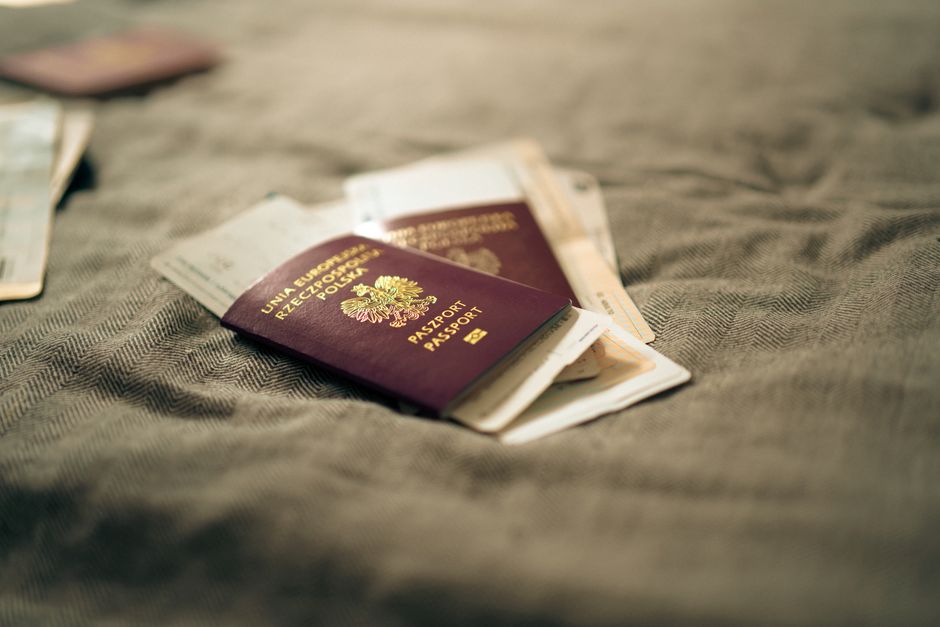
You buy a single ETIAS, list your first country of entry, and that one approval then lets you move freely between all 30 participating countries within the 90-day limit set by the Schengen 90/180 rule. As a rule there are no checks at internal Schengen borders, but several countries, including Germany and Austria, have temporarily reintroduced them, so carry your passport when you cross.
The rule to watch is time, not paperwork. You may stay 90 days in any 180-day period across the whole area combined — not 90 days per country. Our requirements, documents and fees guide spells out what the form asks, and the Bulgaria and Romania guide covers the newest members.
What ETIAS costs across the countries it covers
ETIAS costs the same €20 whichever of the 30 countries you enter first, and children under 18 and travellers over 70 pay nothing at all. That fee is set by Regulation (EU) 2025/1411, and there is no per-country charge no matter how many states you visit on a single trip.
A couple visiting Spain, France and Italy over three weeks pays €40 in total (€20 each), and one authorisation valid for 3 years covers the whole trip. The ETIAS cost guide has the full breakdown, including refunds and card rules.
How to get ETIAS for any of these countries step by step

To get ETIAS for any participating country, you will complete one online form, name your first entry point, pay the €20 fee, and wait for approval — most applications are expected to be processed quickly, though some may take longer. The portal is not live yet and the EU has not announced an opening date, so treat these steps as your pre-trip checklist.
- Pick your first country of entry. If you fly into Madrid, that is Spain, even if you continue to France later.
- Fill in the online form with passport details and background questions.
- Pay the €20 fee by card; under-18s and over-70s are billed nothing.
- Save the approval and check it is linked to the passport you will travel on.
Our step-by-step application guide walks through each step of the form.
Practical tips for multi-country ETIAS trips

When you visit several ETIAS countries on one trip, list only your first entry point, track your 90 days across the whole area, and keep your approval linked to a valid passport.
- First entry only: the form wants your first Schengen country, not every stop.
- Count days as one pool: Spain plus France plus Italy share a single 90-day allowance.
- Match the passport: renew before travel? Apply again — ETIAS is linked to your passport number.
Pro tip: If you renew your passport during the three-year ETIAS window, your authorisation does not transfer. Apply for a fresh one linked to the new document before you fly, or you will be turned back at the gate.
Once the portal opens, you apply directly on the official EU website and pay the €20 fee there.
Frequently asked questions about ETIAS countries
How many ETIAS countries are there in total?
Thirty. That is the 29 Schengen states plus Cyprus. One ETIAS approval covers all of them for stays of up to 90 days in any 180-day period.
Is the United Kingdom part of the ETIAS scheme?
No. The UK left the EU and runs its own UK ETA scheme. You need a UK ETA for Britain and a separate ETIAS for Schengen countries.
Does Ireland require ETIAS?
No. Ireland is in the EU but outside Schengen, so it keeps its own immigration checks. No ETIAS is needed to enter Ireland.
Do I need a separate ETIAS for each country I visit?
No. A single ETIAS covers all 30 participating countries. You apply once, name your first entry point, and travel across the area on that one approval.
Are Bulgaria and Romania ETIAS countries?
Yes. Both became full Schengen members at their land borders on 1 January 2025, so ETIAS will apply to them like any other Schengen state.
Do micro-states like Monaco need ETIAS?
Not directly. You reach Monaco, San Marino, the Vatican and Andorra through surrounding Schengen countries, where your ETIAS is checked. There is no separate authorisation for the micro-states.
When will these countries start requiring ETIAS?
The EU has not yet announced a launch date and will confirm it several months in advance. Until ETIAS starts, no authorisation is required to enter any of the participating countries.
Disclaimer: europe-visa.eu is an independent information website. We are not a government body. Once ETIAS opens, you apply directly on the official EU portal; the fee is €20. For official guidance, see the EU ETIAS pages and UK foreign travel advice.
About the author: The europe-visa.eu editorial team tracks ETIAS and Schengen border rules for non-EU travellers, cross-checking every figure against European Commission and national government sources.
Last updated: 2026-07-22 — verified against gov.uk schedule.
 English
 Shqip
 العربية
 Français
 ქართული
 עִבְרִית
 简体中文
 香港中文
 繁體中文
 Español
 Português do Brasil
 日本語
 한국어
 Bahasa Melayu
 Українська
 Română
 Српски језик
 Türkçe