Yes, babies need ETIAS, because every visa-exempt non-EU traveller entering the Schengen area will need their own authorisation, regardless of age. Applicants under 18 are exempt from the €20 fee, so your infant’s ETIAS is free. It is linked to the baby’s passport and will be valid for three years or until that passport expires, whichever comes first. ETIAS is not yet in operation, and the EU has not yet announced a start date.
Key facts
- Every age applies: babies and children each need their own ETIAS (EU ETIAS, who should apply).
- Fee: €0 for under-18s; applicants aged 18 to 70 will pay €20 once ETIAS launches (Regulation (EU) 2025/1411; originally €7).
- Own passport: your baby needs an individual biometric passport — no adding a child to yours.
- Validity: the child’s ETIAS lasts 3 years or until their passport expires, whichever comes first.
- Launch: ETIAS is not yet in operation and no start date has been announced. The EU will confirm it several months in advance, and you cannot apply yet.
| Quick Facts: ETIAS for babies | Detail |
|---|---|
| Does a baby need one? | Yes, every age |
| Fee for under-18s | €0 (free) |
| Own passport needed? | Yes |
| Validity | 3 years or passport expiry |
| Who applies | A parent or guardian, on the child’s behalf |
Families are often surprised that an infant needs any paperwork at all. Before you book, read our guide to ETIAS for minors and family trips and the family cost breakdown, which shows how the under-18 exemption cuts the bill.
ETIAS launches late 2026 — be first to know
One e-mail the day applications open. No spam.
Does a baby need ETIAS in 2026?
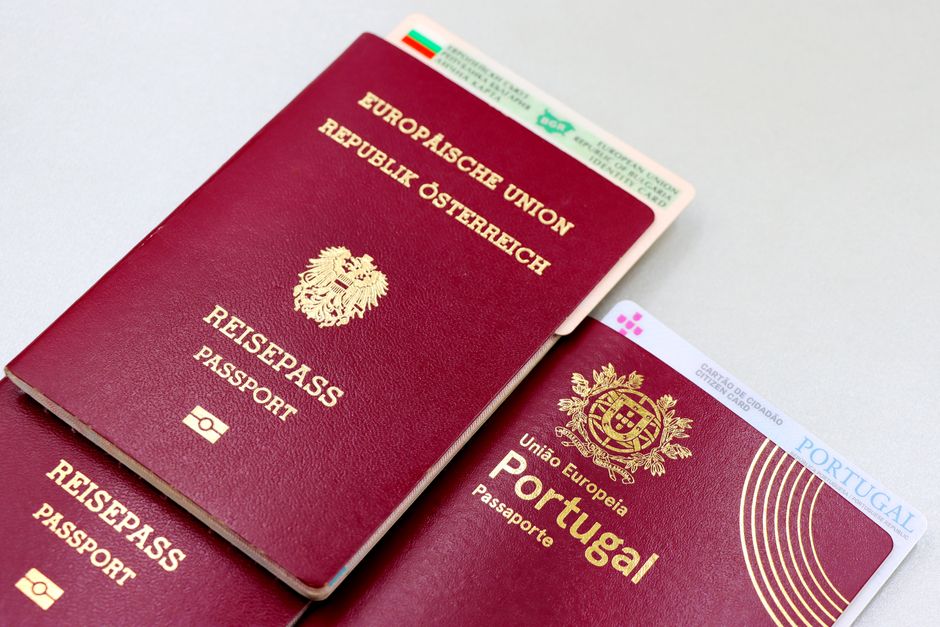
A baby will need ETIAS once the system starts, because the rules make no exception for age. Every visa-exempt traveller entering Schengen countries must hold an individual authorisation, from a newborn to a grandparent. There is no minimum age, and border officers check a baby’s ETIAS against the passport just as they do for adults.
This trips up parents who assume infants “travel on the parent’s documents”. That stopped being true across the EU years ago. The European Union states clearly on its who-should-apply page that all nationals of visa-free countries need an authorisation. A three-month-old flying from Toronto to Paris needs one just as much as the parents do. The age rule is simple: there is no lower age limit, so a baby needs ETIAS from the day they are born.
Do babies and children pay the ETIAS fee?
No — babies and children do not pay the ETIAS fee. The €20 charge is waived for every applicant under 18 (and over 70), so a family pays only for members aged 18 to 70. Once ETIAS launches, a couple travelling with two young children will pay €40 in total, not €80, because both kids are exempt. In practice, each child simply adds one free application to your family’s paperwork. The fee was raised from the originally planned €7 to €20 by Regulation (EU) 2025/1411.
Even though it is free, the application is not optional. You still complete the full form for each child and receive a separate approval. Our ETIAS cost guide lays out who pays what, and the family cost guide works through common household combinations.
Does your baby need their own passport for Europe?
Yes, your baby needs their own individual biometric passport to travel to Europe and to hold an ETIAS. The EU phased out the old practice of adding children to a parent’s passport, so even a newborn must have a personal document before you apply. The ETIAS attaches to that passport number electronically, not to the parents’ records. Booking a first infant passport can take several weeks in peak season, and some countries require both parents to consent in person. Start that process before anything else, because you cannot apply for the baby’s ETIAS without it.
Plan the passport first, because it is the slow part. A UK child passport, for example, stays valid for 5 years in 2026, far shorter than an adult’s ten-year book. Check the expiry against your travel dates using our passport validity rules. If you renew a child’s passport, the old ETIAS no longer works — you apply again against the new number.
How to apply for ETIAS for a baby, step by step

To apply for ETIAS for a baby, a parent or legal guardian completes the online form on the child’s behalf, enters the baby’s passport details, answers the background questions, and submits it for free. Most applications are expected to be processed quickly, but some may take longer. ETIAS is not yet open for applications, so treat this as your checklist.
- Get the baby’s passport ready. You need the document number, dates and country exactly as printed.
- Open a separate application for the child — one form per traveller, adult or infant.
- Enter the guardian’s details where the form asks who is applying on the child’s behalf.
- Submit for €0 and save the approval linked to the baby’s passport.
Our step-by-step walkthrough and the fuller application guide cover each screen. See the requirements and documents guide for what to gather first.
Travelling to Europe with an infant: practical tips
When travelling to Europe with an infant, arrange the authorisations for babies and adults alike well before departure, carry the baby’s passport and approval, and remember the child’s 90-day Schengen allowance counts the same as yours. A little preparation avoids a stressful scene at the gate with a tired baby in your arms.
- Do the whole family together: apply for every traveller in one sitting so no one is missed. See our families and children guide.
- Track the days: a baby’s stay counts under the 90/180-day rule too.
- Expecting rather than travelling with a newborn? Our pregnancy travel guide covers that stage.
Pro tip: Apply for your baby’s ETIAS at the same moment as your own, using the same passports you will actually travel on. If you renew the infant’s passport later — common, since children’s documents expire fast — the old approval dies with it and you must reapply before you fly.
Filling in forms one-handed with a baby is nobody’s idea of fun. Once the official EU portal opens, you will apply there directly. Take a moment to check every family member’s passport details before you submit. Applicants aged 18 to 70 will pay €20, and children remain free.
ETIAS for infants: frequently asked questions
Does a newborn baby need ETIAS?
Yes. There is no minimum age. A newborn from a visa-exempt country needs a separate ETIAS, linked to their own passport, before entering the Schengen area once ETIAS starts operating.
Is ETIAS free for babies?
Yes. The €20 fee is waived for every applicant under 18, so a baby’s ETIAS costs nothing. You still complete a full application for the child.
Can I add my baby to my own ETIAS?
No. Each traveller needs a separate ETIAS tied to their own passport. There is no family or group application, and no adding a child to a parent’s authorisation.
Does my baby need their own passport?
Yes. The EU no longer allows children to travel on a parent’s passport, so your baby needs an individual biometric passport before you can apply for ETIAS.
Who fills in the ETIAS application for a baby?
A parent or legal guardian completes the form on the child’s behalf and confirms their own details in the section asking who is applying for the minor.
How long is a baby’s ETIAS valid?
Three years, or until the child’s passport expires — whichever comes first. Because children’s passports expire quickly, the passport date is often the limit.
Do babies count towards the 90-day Schengen limit?
Yes. A baby’s days in the Schengen area count under the 90-days-in-180 rule exactly like an adult’s, even though the authorisation is free.
How does ETIAS work for babies in 2026?
It works exactly like an adult’s, with one difference: it is free. Once ETIAS starts, a guardian will apply online for each child, link it to the baby’s passport and receive an approval valid for 3 years or until the passport expires, whichever comes first.
Disclaimer: europe-visa.eu is an independent information website. We are not a government body. Once ETIAS opens, you will apply on the official EU portal. The €20 fee applies to applicants aged 18 to 70, and under-18s are free. For official guidance, see the EU ETIAS pages and UK foreign travel advice.
About the author: The europe-visa.eu editorial team tracks ETIAS and Schengen rules for families and non-EU travellers, cross-checking every figure against European Commission and national government sources.
Last updated: 2026-07-22 — verified against gov.uk schedule.
 English
 Shqip
 العربية
 Français
 ქართული
 עִבְרִית
 简体中文
 香港中文
 繁體中文
 Español
 Português do Brasil
 日本語
 한국어
 Bahasa Melayu
 Українська
 Română
 Српски језик
 Türkçe