This backpacking Europe budget guide covers everything you need to know about traveling to Europe with ETIAS in 2026, including requirements, costs, and essential tips.
Key Takeaways
- ETIAS costs just €20 and covers 30 European countries for 3 years
- Budget backpackers can travel Europe on €40-70 per day
- Eastern Europe offers the best value with costs 50-60% lower than Western Europe
- The 90/180-day rule allows strategic trip planning across Schengen and non-Schengen countries
- Free walking tours, hostel kitchens, and city passes save significant money
ETIAS: The Backpacker’s Entry to Europe
This backpacking Europe budget guide provides the latest 2026 information. For budget-conscious backpackers from visa-exempt countries, ETIAS represents one of the best travel values available. For just €20 (free for travelers under 18 or over 70, who still need an ETIAS), you gain access to 30 European countries for up to 90 days within any 180-day period. The authorization is valid for 3 years, meaning you can plan multiple European backpacking trips without reapplying.
| ETIAS factor | Detail | Cost / Time 2026 | For travellers |
|---|---|---|---|
| Application fee | EU Commission | €20 | Free for under 18 / over 70 |
| Processing time | Standard online | Minutes to 4 days | Apply 96 hours ahead |
| Validity | Multiple entry | 3 years or passport expiry | Whichever comes first |
| Maximum stay | Per 180-day period | 90 days | Schengen rolling rule |
| Coverage area | 30 European countries | Single authorisation | EU + Schengen-associated |

The Schengen Area’s open borders are a backpacker’s dream. Once you enter through any Schengen country, you can move freely between Schengen countries without additional border checks. Cyprus also requires ETIAS, but stays there are counted separately. This makes spontaneous itinerary changes easy and allows you to follow other travelers’ recommendations on the road.
ETIAS launches late 2026 — be first to know
One e-mail the day applications open. No spam.
Daily Budgets by Region
Europe’s cost of travel varies dramatically by region. In Eastern Europe, including countries like Czech Republic, Poland, Hungary, and the Baltic states, expect daily costs of €30-50 including a hostel dorm bed (€8-15), three meals (€10-20), local transport (€3-5), and one activity or attraction (€5-10).

Western Europe costs more but remains accessible for budget travelers. In Germany, France, and the Benelux countries, plan for €50-80 per day. Scandinavia is the most expensive region, where even budget travelers should budget €70-100 daily. Southern Europe, particularly Portugal, Spain, and Greece, offers excellent value at €40-60 per day with better weather and more affordable dining.
Best Backpacking Routes in Europe
The Classic Western Europe Route covers Paris, Amsterdam, Berlin, Prague, Vienna, and Rome over 4-6 weeks, hitting major highlights. The Mediterranean Route follows the coast from Barcelona through southern France, the Italian Riviera, Croatia, and Greece, ideal for summer travelers. The Eastern Europe Circuit through Poland, Czech Republic, Hungary, Romania, and the Balkans offers incredible value and fewer crowds.

For maximum variety, consider the North-South Route starting in Scandinavia and working south through Germany, Austria, Italy, and into Greece. This covers diverse cultures, cuisines, and landscapes within a single trip. Your ETIAS authorization makes all these routes seamlessly accessible.
Accommodation on a Budget
Hostels remain the backbone of European backpacking. Platforms like Hostelworld and Booking.com offer dormitory beds from €10-25 in most cities. For the best rates, book 2-3 days in advance during summer and look for hostels with free breakfast and kitchen facilities. Many hostels also offer private rooms at rates below budget hotels.
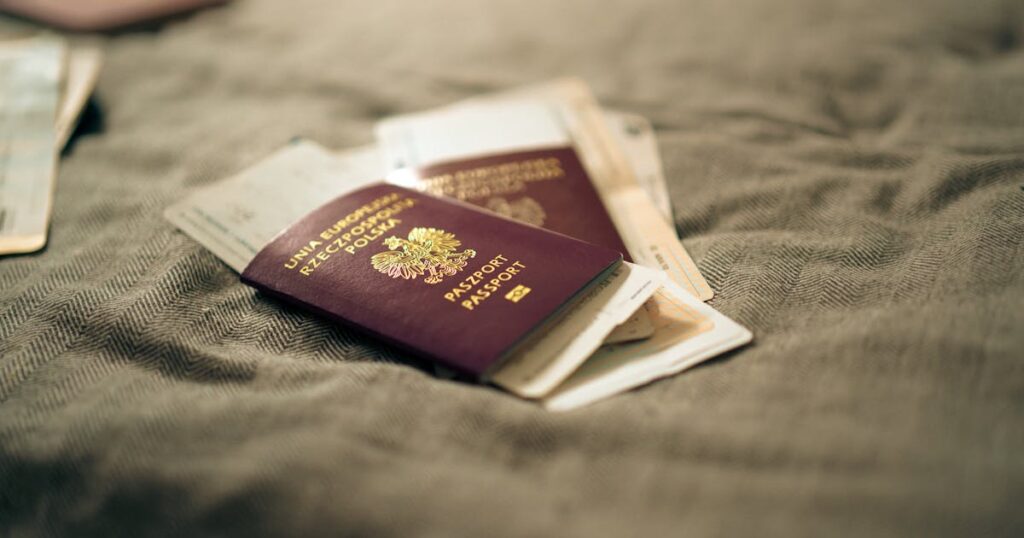
Alternative accommodation options include Couchsurfing for free stays with locals, house-sitting through platforms like TrustedHousesitters, and camping at organized sites for €5-15 per night. In Southern Europe, wild camping is tolerated in many rural areas, though regulations vary by country. Apps like Park4Night help find free or cheap overnight spots for campervan travelers.
Getting Around Europe Cheaply
Budget airlines like Ryanair, EasyJet, and Wizz Air connect European cities from €10-30 when booked well in advance, but watch for baggage fees. FlixBus offers continent-wide bus connections from €5-20, often cheaper than trains. For rail travel, point-to-point advance tickets can be remarkably cheap, with German DB offering tickets from €17.90 and Italian Trenitalia from €9.90.
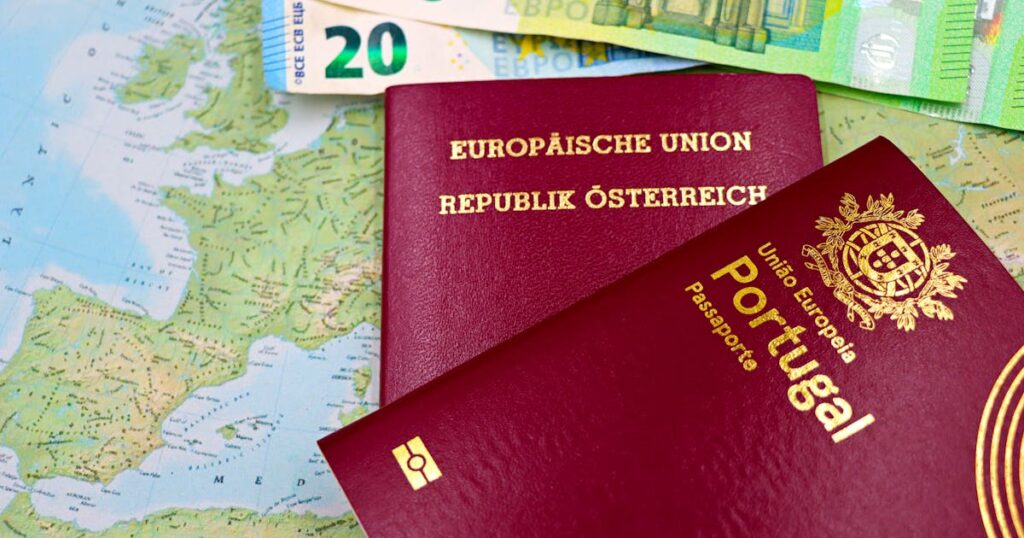
BlaBlaCar ridesharing connects cities at 30-50% less than train fares while providing local interaction. For shorter distances, renting bikes is both cheap and enjoyable, with many European cities offering public bike-share systems for €1-5 per day. Walking is free and often the best way to discover a city.
Eating Well on a Budget
Self-catering in hostel kitchens saves enormous amounts on food costs. European supermarkets like Lidl, Aldi, and local discount chains offer fresh produce, bread, cheese, and wine at reasonable prices. Markets are excellent for affordable, fresh ingredients. Street food varies from €2-5 across Europe, with doner kebabs, pizza slices, and local snacks providing filling meals.
For dining out, lunch menus often offer the best value, as many restaurants serve set lunches at 30-50% less than dinner prices. In Spain, tapas and pintxos allow affordable sampling of local cuisine. In Portugal, daily set menus include soup, main course, dessert, and a drink for €8-12. Happy hour deals at bars and restaurants can stretch your evening budget significantly.
Making the Most of 90 Days
The ETIAS 90/180-day rule requires strategic planning for extended trips. If you want to travel longer than 90 days, consider spending time in non-Schengen European countries like the UK, Ireland, or Balkan nations between Schengen stays. This pauses your Schengen day count while keeping you in Europe.
For the latest updates on Europe SIM card internet policies, always check official European Union travel authorization sources before your departure.
Track your Schengen days carefully using apps like Schengen Calculator. Overstaying, even by one day, can result in fines, deportation, and a ban on future Schengen travel. Plan your exit date with a buffer of at least 2-3 days for unexpected changes.
Related ETIAS Articles
Learn more about ETIAS and European travel:
Frequently Asked Questions
What is the minimum budget for backpacking Europe?
The absolute minimum budget is approximately €30 per day in Eastern Europe and €50 per day in Western Europe, using hostels, cooking your own meals, and limiting paid activities. A more comfortable budget of €50-70 per day allows for occasional restaurant meals and entrance fees.
Is it safe to backpack alone in Europe?
Europe is one of the safest continents for solo backpackers. Standard precautions apply: keep valuables secure, stay aware in crowded areas, and avoid walking alone in unfamiliar areas late at night. Hostels provide a social safety net and fellow travelers to explore with.
Do I need travel insurance for backpacking with ETIAS?
While not strictly required for ETIAS, travel insurance is strongly recommended. European healthcare can be expensive for non-EU citizens. A comprehensive policy covering medical emergencies, theft, and trip cancellation costs €30-50 per month and provides essential peace of mind.
Can I work while backpacking on ETIAS?
No, ETIAS does not authorize any form of employment, paid or unpaid. Working without authorization can result in deportation and a Schengen entry ban. If you want to work in Europe, you need to apply for an appropriate work visa or working holiday visa.
What should I pack for a European backpacking trip?
Pack light with a 40-50L backpack. Essentials include quick-dry clothing layers, a good pair of walking shoes, a microfiber towel, a portable charger, a universal power adapter, a padlock for hostel lockers, and a reusable water bottle. Most items can be bought cheaply in Europe if forgotten.
Official Sources
- ETIAS Official Portal — Travel authorization information
- Schengen Stay Calculator — Track your 90/180 day limit
Practical guide to ETIAS travel preparation
Effective European travel preparation begins with understanding ETIAS requirements. ETIAS (European Travel Information and Authorisation System) is not yet in operation. The EU has not announced a launch date and will do so several months in advance. It will apply to citizens of approximately 60 visa-exempt countries including USA, Canada, UK, Australia, Japan, and South Korea. The fee is €20 for adults aged 18-70, free for those under 18 or over 70. Most applications are expected to be processed quickly, but some can take longer — plan for up to 96 hours (4 days) for cases requiring manual review. Once ETIAS launches, you will apply online through the official EU ETIAS website.
The €20 fee will be paid online by payment card as part of the application (applicants aged 18-70 only). Have your passport, payment card and travel information ready before starting — the application takes approximately 10 minutes. The form asks for personal details, your education and occupation and the country of your first intended stay. It also includes background questions about criminal convictions, stays in conflict zones and previous decisions ordering you to leave an EU/Schengen country. There are no health questions. Honest answers are critical: serious doubts about the truthfulness of the information you give are grounds for refusal.
Once approved, ETIAS authorises multiple entries for 3 years (or until your passport expires, whichever comes first). The 90/180 Schengen rule still applies — you can stay maximum 90 days within any 180-day rolling period across the Schengen countries combined. Stays in Cyprus are counted separately. ETIAS does NOT replace your need to follow this rolling period rule. Your authorisation is electronically linked to your passport — getting a new passport invalidates ETIAS, requiring re-application at €20. Keep approval email digitally and on paper as backup.
European travel tips and cultural awareness
European countries vary significantly in culture, language, and social norms. Mediterranean countries (Italy, Spain, Greece) have later meal times — dinner often after 21:00, with shops closing 13:30-17:00 for siesta. Northern European countries (Germany, Netherlands, Scandinavia) value punctuality strictly — being even 5 minutes late is considered rude. Tipping varies: France and Italy include service charge in restaurants (no extra needed), while Germany and Netherlands appreciate 5-10%. Card payments are widely accepted but cash is preferred in smaller establishments, especially in southern Europe.
For local transport, Eurail or Interrail passes offer flexibility for multi-country trips — a Global Pass for 5 travel days within 1 month costs adults (28–59) around €318 in second class or €413 in first class (2026 prices; they vary by currency, country of residence and promotions). Major cities have excellent metros: Paris, Berlin, Madrid, Rome, Vienna, Amsterdam, Stockholm. Budget airlines (Ryanair, easyJet, Wizz Air, Vueling) offer cheap flights between cities, but watch baggage fees. For long-distance trains, ÖBB Nightjet sleeper trains connect major capitals. ETIAS will cover the 29 Schengen countries — including Bulgaria, Romania and Croatia, and the non-EU members Iceland, Norway, Switzerland and Liechtenstein — plus Cyprus.
Frequently asked questions about ETIAS
When does ETIAS launch and is it required now?
ETIAS is not yet in operation, and the EU has not announced a launch date. It will announce it several months in advance. Currently no application is required — you can travel to ETIAS-required countries visa-free under existing rules. We recommend bookmarking the official EU ETIAS portal and applying as soon as it goes live for your planned trip.
How much does ETIAS cost?
ETIAS costs €20 per person for adults aged 18-70. It is free for travellers under 18 years old or over 70 years old. The fee will be paid online by payment card as part of the application. There are no extra fees if you apply directly via the official EU ETIAS portal.
How long is ETIAS valid?
ETIAS is valid for 3 years from approval (or until your passport expires, whichever comes first). It permits multiple entries to all 30 ETIAS-required European countries. You can stay up to 90 days within any 180-day rolling period across the participating countries combined (stays in Cyprus are counted separately). This 90/180 rule is independent of ETIAS — it applies to all visa-exempt travellers regardless of authorisation type.
Which countries require ETIAS?
ETIAS will apply to 30 European countries: 26 EU member states (all except Ireland), including Cyprus, which is not yet a full Schengen member, plus the Schengen-associated countries Norway, Iceland, Liechtenstein and Switzerland. Ireland is NOT included as it is not part of Schengen — separate UK and Ireland travel rules apply. Always verify the latest list on the official EU ETIAS portal as countries may join or modify their participation.
Do US citizens need ETIAS?
As a rule, yes. US citizens are visa-exempt, so once ETIAS starts operating they will need it for the 30 ETIAS-required European countries. There are exceptions:
- US citizens who also hold the nationality of an ETIAS country or Ireland (they must travel on that passport);
- holders of a residence permit or long-stay visa issued by an ETIAS country;
- as a general rule, holders of diplomatic passports.
What if my application is denied?
If your ETIAS is denied, you will receive an email with the specific reason. An application is refused if you:
- use a travel document reported in SIS as lost, stolen or invalid;
- pose a security, illegal-immigration or high epidemic risk;
- have a SIS alert for refusal of entry;
- don’t provide requested information in time or miss an interview.
 English
 Shqip
 العربية
 Français
 ქართული
 עִבְרִית
 简体中文
 香港中文
 繁體中文
 Español
 Português do Brasil
 日本語
 한국어
 Bahasa Melayu
 Українська
 Română
 Српски језик
 Türkçe