ETIAS for a layover is not required when you stay airside and never cross a Schengen border. If your connection keeps you inside the international transit zone, no travel authorisation applies. The moment you clear passport control — because your next flight is domestic to Schengen, your bags need re-checking, or you switch airports — you enter Schengen, and ETIAS rules kick in from late 2026.
This guide answers the questions travellers actually ask about connecting through Europe: what happens at Munich, Paris, Madrid, Frankfurt and Zurich, what a missed connection does to your paperwork, and why your nationality changes the answer. For the wider picture, our ETIAS transit airport guide and the plain-English transit and layover explainer sit alongside this one.
ملخص سريع: Pure airside transit needs no ETIAS. A Schengen-bound connecting flight means you enter at your first Schengen airport, so ETIAS applies once it launches at the end of 2026. The fee is €20, free for under-18s and over-70s, and the authorisation lasts three years.
يطلق نظام ETIAS في أواخر عام 2026 — كن من أوائل من يعرف
رسالة واحدة في اليوم الذي تفتح فيه الطلبات. لا توجد رسائل عشوائية.
| حقائق سريعة | التفاصيل |
|---|---|
| Airside transit (no border crossed) | No ETIAS required |
| Schengen-bound connection | ETIAS required from late 2026 |
| الرسوم | €20 (مجاني للأشخاص تحت 18 سنة وفوق 70 سنة) |
| الصلاحية | 3 سنوات أو حتى انتهاء صلاحية جواز السفر |
| إطلاق | End of 2026 (portal not open yet) |
Do You Need ETIAS for a Layover in the Schengen Area?
You need ETIAS for a layover only if that layover involves entering the Schengen area, and not when you remain inside the international transit zone between two flights. The test is simple: did you cross a border, or did you merely wait for your next gate? Staying airside crosses no border, so no authorisation is checked. Stepping through immigration does cross one — and that is what triggers the requirement once ETIAS goes live at the end of 2026.
The confirmed fee is €20, set by the EU in July 2025 (European Commission, 17 July 2025). Children under 18 and travellers over 70 pay nothing. The authorisation stays valid for three years, or until your passport expires, whichever comes first (travel-europe.europa.eu, accessed 15 September 2026). One approval covers many trips across those three years, so a frequent flyer applies once in 2026 and reuses it until 2029 or passport expiry.
Two words settle almost every case: airside and landside. Get those right and the rest follows. Our walkthrough of ETIAS airport procedures shows what the border desk itself looks like.
Airside vs Landside: The Line That Decides Everything
Airside is the secure zone past security but before passport control, while landside starts the second you clear immigration and legally enter Schengen. That single crossing, not the size of the airport or the length of your wait, is what decides whether ETIAS applies to your trip. Cross the line and you are admitted to the area. A five-hour wait airside counts as transit. A ten-minute walk past the immigration desk counts as entry.
Here is the trap that catches people. Travellers assume “I’m only connecting” means “I never enter.” Not so. If your onward flight is inside Schengen — say Frankfurt to Lisbon — your first Schengen stop is where you clear immigration, because there is no border check between Frankfurt and Lisbon. You enter at Frankfurt even though your seat is booked to Portugal. That single fact drives most of the confusion in the questions below. The map of where ETIAS applies is worth a look before you book.
| الوضع | Cross a border? | هل يتطلب ETIAS؟ |
|---|---|---|
| Bangkok → Frankfurt → London, staying airside | لا يوجد | لا يوجد |
| Bangkok → Frankfurt → Lisbon | Yes, at Frankfurt | نعم |
| Long layover, you leave to a hotel | نعم | نعم |
| Change airports (CDG to ORY) | نعم | نعم |
ETIAS for a Layover by Airport: Munich, Paris, Madrid, Frankfurt, Zurich
All five hubs let you transit airside between two international flights without entering Schengen, but each forces entry the moment your connection is domestic-to-Schengen or your route makes you switch terminals or airports. The airport does not decide your status. Your two flights do. Still, the layout of each hub changes how smooth that transit feels.
- Frankfurt (FRA): A large international transit area lets non-Schengen to non-Schengen passengers stay airside. A connection to any Schengen city means you clear passport control here first.
- Munich (MUC): Terminals 1 and 2 both have transit zones. If your inbound and onward flights are both outside Schengen, you stay airside; a flight onward to, say, Vienna makes Munich your entry point.
- باريس شارل ديغول (CDG): Airside transit works within the international zone, but many connections force a terminal change. Switching to Orly (ORY) means leaving the airport entirely, which is a full entry.
- Madrid (MAD): Terminal 4 and its satellite 4S handle most long-haul transfers airside. A short-haul hop to another Spanish or Schengen city means entering at Madrid.
- Zurich (ZRH): Switzerland sits in Schengen but not the EU, so ETIAS still applies here. Airside transit is possible; entering Swiss territory counts as entering Schengen.
A quick real-world case. A passenger flying Bangkok to Frankfurt to Manchester keeps both flights international and stays airside — no ETIAS, because the UK is outside Schengen and no European border is crossed. Swap Manchester for Lisbon and everything changes: Frankfurt becomes the entry point, and the traveller needs ETIAS. For anyone weaving through several countries, our note on airport versus land-border differences is a useful companion.
نصيحة للمحترفين: Check whether your two flights share the same booking and terminal. A single ticket with an airside international-to-international connection usually keeps you out of passport control; a self-transfer where you collect bags almost always pushes you landside, and into ETIAS territory.
ETIAS for a Layover When Your Connection Is Missed or Cancelled
A missed or cancelled connection can turn a no-authorisation transit into a full Schengen entry, because leaving the transit zone for a hotel or a rebooked next-day flight means clearing immigration. The rule follows the border crossing, not your intentions. If the airline sends you through passport control to reach accommodation, you have entered — and you must be admissible.
Picture an overnight cancellation. Your Munich to Lisbon leg is scrubbed at 23:00 and the airline rebooks you for the morning. Staff hand you a hotel voucher — landside. To reach it you pass through Munich immigration, which is a Schengen entry. Once the portal is live, a visa-exempt traveller in that spot needs a valid ETIAS to be waved through. Without it, the officer can refuse entry, and you may spend the night airside instead of at the hotel.
This is why we tell nervous travellers to hold an approved authorisation before they fly, even for trips they expect to be pure transit. Nobody plans a cancellation. Applying costs €20 and takes minutes in most cases, and it removes the risk entirely. If you would rather not handle the form alone, our team can check your details and submit the application for you. See our step-by-step guide to applying for ETIAS for the full process.
Nationality Matters: ETIAS Travellers vs Airport Transit Visa Holders
Visa-exempt nationals such as Thai, Brazilian or Canadian passport holders never need an Airport Transit Visa to sit airside, and they need ETIAS only when they actually enter Schengen during the connection. Your passport, not the airport, sets which document applies to your particular layover. A separate group — nationals on a short list of countries — needs a Schengen Airport Transit Visa (ATV) even to stay airside. These are two different documents for two different groups.
Take the common question about Thai travellers transiting by air in Europe. Thailand is visa-exempt for short Schengen stays, so a Thai passenger connecting airside needs neither an ATV nor ETIAS. The instant that traveller enters Schengen — a domestic connection, an airport change, or an overnight delay — ETIAS becomes the relevant document. You can confirm who falls in scope on the official who should apply page and in the EU’s visa policy overview.
Children and older travellers get a break on cost. Under-18s and travellers past 70 are exempt from the fee, though they still need an approved authorisation if they enter (travel-europe.europa.eu, accessed 15 September 2026). Families connecting together should read our guide to ETIAS for families and children, and anyone unsure of their status can scan the full list of countries that need ETIAS.
What to Do If You Must Leave the Transit Zone
If you have to leave the transit zone during a layover, treat it as a Schengen entry and make sure your ETIAS is approved before you fly, because you cannot apply at the border. The portal is not open yet, but once it launches you should hold the authorisation in advance. Here is the order that keeps you out of trouble.
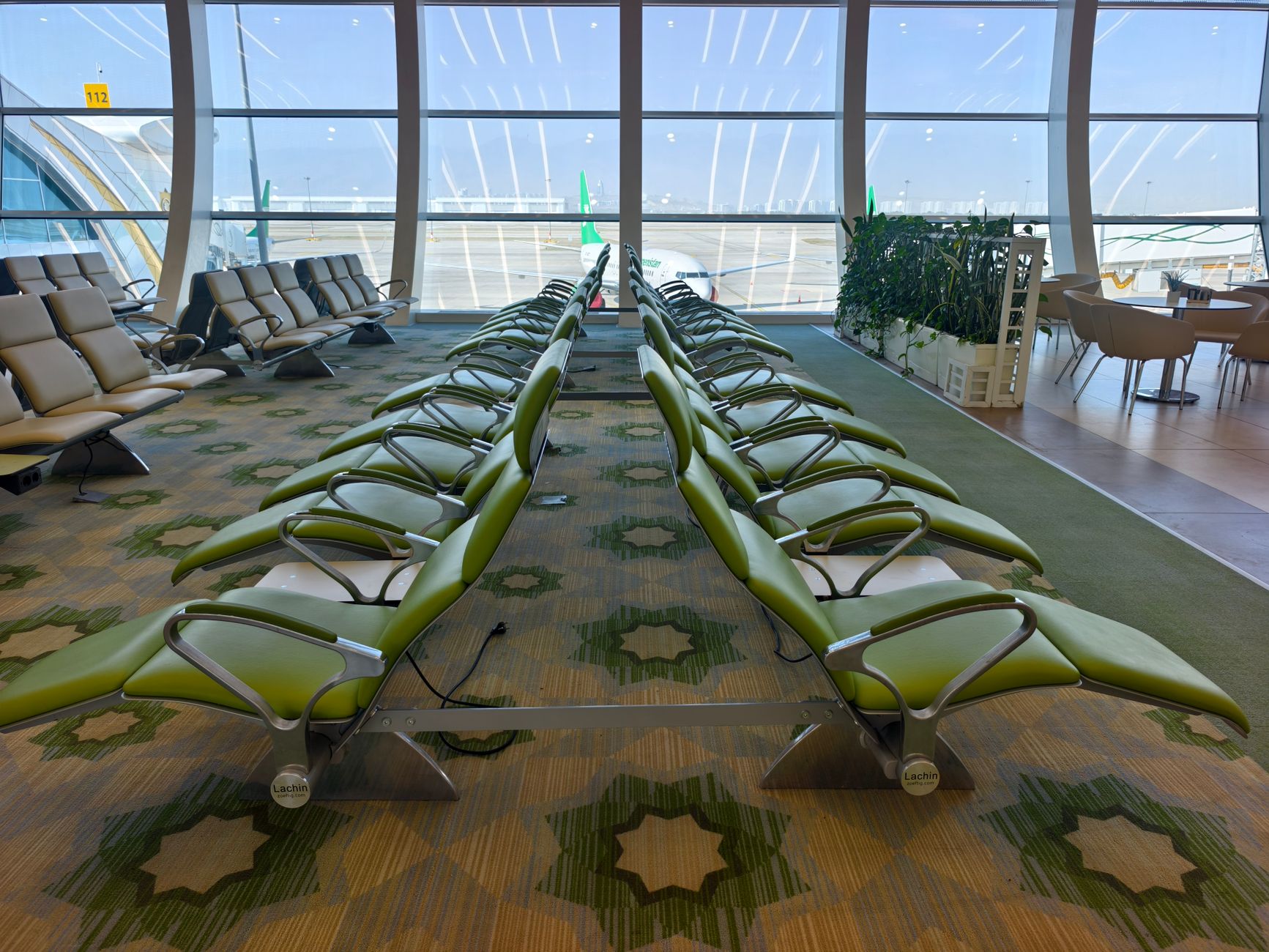
- Map your route first. Note every leg and mark which flights are Schengen and which are not. Any Schengen-bound connection means entry at your first point of arrival in the zone.
- Apply early once the portal opens. Expected to open near the end of 2026, ETIAS costs €20 and is usually decided within minutes, though some cases take longer. Never leave it to the airport.
- Carry proof. Keep your passport and onward ticket handy; the border officer links your ETIAS to the passport chip and checks your onward journey.
- Plan for disruption. If a cancellation could force you landside, an approved ETIAS turns a stressful night into a simple hotel transfer.
Prefer not to wrestle with the form yourself? We are happy to check your answers and submit the application on your behalf, which many older travellers find reassuring. The application can be made directly on the official EU portal for €20, or with our review and support. Compare costs first with our دليل تكاليف ETIAS لعام 2026, and read the full requirements, documents and fees before you start. If your trip runs through Ireland, note that it is outside Schengen — our Ireland and ETIAS explainer covers that quirk.
Please note: we are an independent assistance service, not a government body. You can apply yourself on the official EU portal, or use our checking and support service.
الأسئلة الشائعة
Do I need ETIAS for a layover if I never leave the airport?
No. If you stay airside and never pass through passport control, you cross no Schengen border and need no ETIAS. This holds even for a long wait between two international flights.
Do I need ETIAS if my connecting flight is to another Schengen country?
Yes. A connection to a Schengen city, such as Frankfurt to Lisbon, means you clear immigration at your first Schengen stop. You enter there, so once the scheme starts you need an approved ETIAS.
What if I change airports during my layover, like Paris CDG to Orly?
Switching airports means leaving the transit area and entering Schengen. That counts as a full entry, so ETIAS applies once the system is running.
My connection was cancelled and I got a hotel. Do I need ETIAS?
Yes. Reaching a landside hotel means passing through immigration, which is a border crossing. A visa-exempt traveller in this situation needs a valid ETIAS to be admitted.
Do Thai passport holders need anything to transit by air in Europe?
For airside transit, Thai travellers need neither an ATV nor ETIAS, because Thailand is visa-exempt for short Schengen stays. ETIAS is required only if they enter Schengen.
How much does ETIAS cost and how long is it valid?
ETIAS costs 20 euro, and under-18s and over-70s pay nothing. Each approval is valid for three years, or until the passport expires, and covers multiple entries.
Can I apply for ETIAS at the airport during my layover?
No. There is no counter to apply at the border, and the portal is not open yet. When it opens, apply online in advance and travel with the approval already granted.
Written by Anna Reinholt, Travel Documentation Editor at Europe-Visa.eu. Anna has covered European travel documents since 2017 and checks every guide against official EU sources. Last updated: 2026-09-15 — verified against official EU ETIAS sources.
 English
  Shqip
Shqip  العربية
  Français
  ქართული
  עִבְרִית
  简体中文
简体中文  香港中文
香港中文  繁體中文
繁體中文  Español
  Português do Brasil
  日本語
日本語  한국어
한국어  Bahasa Melayu
  Українська
  Română
  Српски језик
  Türkçe