Border-type matters more than many travellers realise when ETIAS airport land rules collide with real-world queues in 2026. The European Commission’s joint ETIAS+EES rollout put far more biometric kiosks at airports than at land crossings. Your ETIAS airport land experience differs sharply depending on whether you arrive at Frankfurt Terminal 1 or the Sredic-Horgosh land crossing between Hungary and Serbia. This guide compares both border types, highlights the practical differences and explains how to survive peak-hour queues. Pack patience and read on.
TL;DR: ETIAS is the EU’s new digital travel authorisation for visa-exempt non-EU visitors entering the Schengen Area. It costs €20, is valid up to 3 years or until passport expiry, and allows multiple stays of up to 90 days within any 180-day rolling period. Apply online before booking flights — most decisions arrive within minutes.
| Quick Facts — ETIAS | |
|---|---|
| Fee | €20 (one-time, free for under-18 and over-70) |
| Validity | Up to 3 years or passport expiry |
| Max stay | 90 days within any 180-day period |
| Processing time | Usually minutes; up to 4 days in some cases |
| Coverage | 30 Schengen Area countries |
Airport Borders — Biometric-First Experience
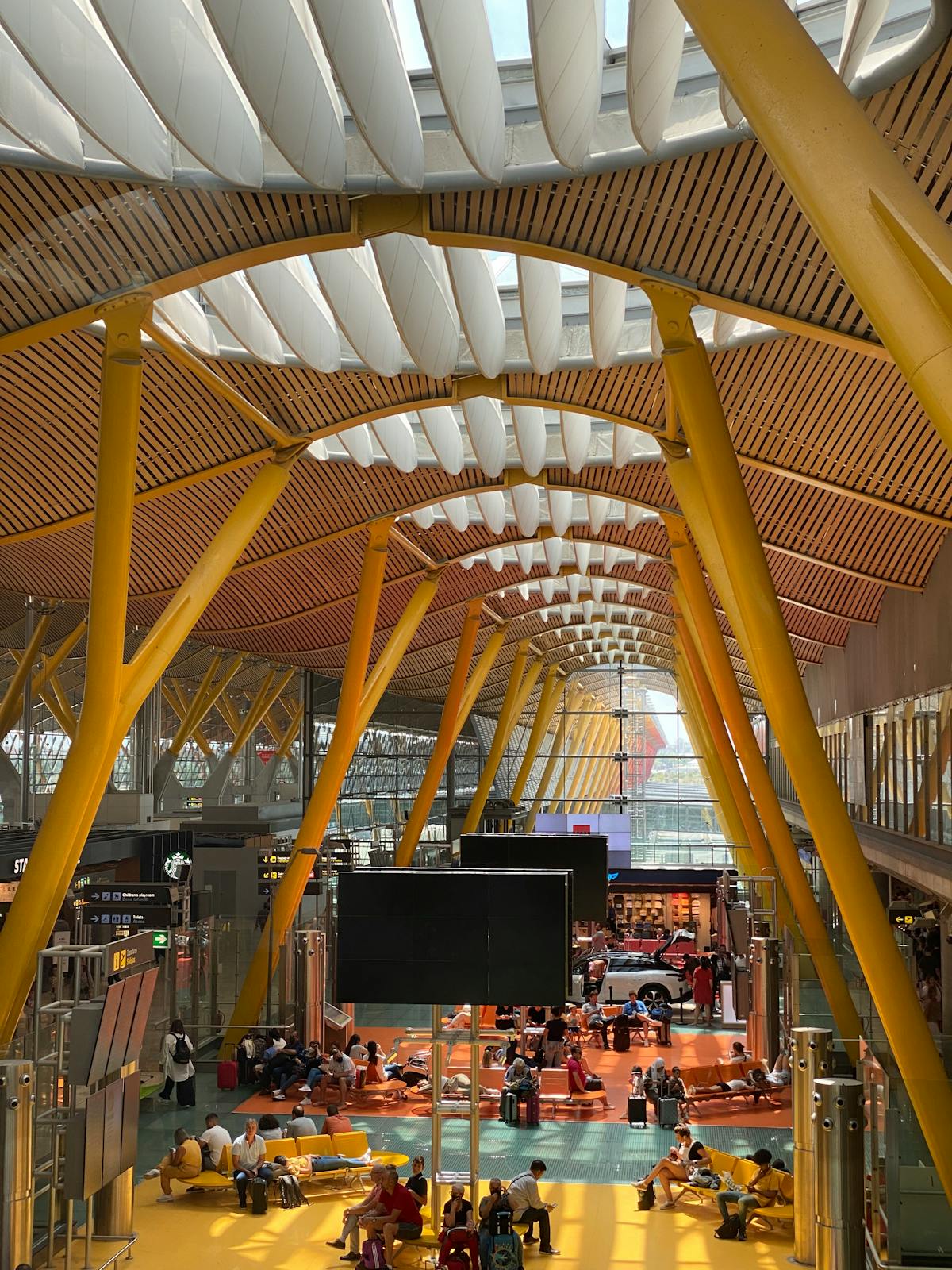
Most Schengen airports completed EES hardware installation by mid-2025. Frankfurt, Paris-CDG, Amsterdam-Schiphol, Madrid-Barajas and Rome-FCO each run 80+ self-service kiosks. An ETIAS-cleared passenger with a biometric chip clears entry in 60–90 seconds during low-traffic periods. See ETIAS application process. Our guide on remote work rules digs deeper.
ETIAS launches late 2026 — be first to know
One e-mail the day applications open. No spam.
Pro tip: Apply for your ETIAS at least 96 hours before booking flights — though most decisions are instant, some require additional checks of up to 4 days, especially for first-time applicants.
Land Border Crossings — Mixed Infrastructure
Land borders vary dramatically. Swiss–French autoroute crossings often run wave-through with random spot checks, while Greek-Turkish or Finnish-Russian crossings apply full document checks. The EES land rollout is slower here because of hardware and connectivity constraints. Expect queues of 60+ minutes at the busy posts. Dig into the detail in our approval email guide.
Train Borders — Eurostar and Eurocity
Eurostar operates juxtaposed controls where French and UK officers sit in London, Brussels and Amsterdam. On the Schengen-side routes to Brussels-Midi or Amsterdam Centraal, ETIAS is checked in London before you board. That pre-clearance saves 10–15 minutes on arrival. See border crossing. For the full picture, read our ETIAS processing time guide.
Ferry Crossings — Short-Sea and Scandinavian
Ferries between UK, Ireland and mainland Europe, plus Baltic routes, each count as Schengen external crossings. Helsinki–Tallinn already runs automated EES capture at its port terminals. Passengers present their ETIAS approval alongside the boarding ticket. Get everything aligned and arrival is smooth. See Schengen area 26 countries. Our ETIAS fee guide covers the costs.

Transit Passengers at Airports
International-to-international transit inside Schengen airports typically remains airside, so EES does not register the passenger. Where the transit involves a Schengen-internal flight (e.g. London–Paris–Marseille), the first EES capture happens at Paris-CDG. Keep your boarding passes stacked for quick checks. The rest is explained in our name correction guide.
Remote Land Crossings — Finland, Estonia, Slovenia
Remote land borders such as Saariselkä, Narva and Kočevje operate with minimal staff. EES hardware arrived late at these posts in 2025. To speed up 2026 coverage, the Commission allocated €185 million in extra funds. Expect paper-based fallback checks in the short term. See our dual citizenship guide for related rules.
Non-Schengen EU Borders and ETIAS
Non-Schengen EU states such as Ireland and Cyprus apply their own border controls. Travel from Dublin to Paris and you still need an ETIAS for the Paris leg. ETIAS does not replace Ireland’s own visa system. See Schengen vs EU guide. Our eligible countries list guide has the specifics.
Busy Times and How to Beat the Queue
Summer Saturdays, bank holiday Fridays and Christmas Eve are the peak Schengen crossing days. EES kiosk wait times spike at Malaga, Lisbon and Dubrovnik airports. Arriving during the 11:00–14:00 lull saves hours versus the 18:00 spikes. Factor this into connection planning. More on this sits in our denial and appeal guide.

Hardware Matters — Passport Chip and Mobile Fingerprint Readers
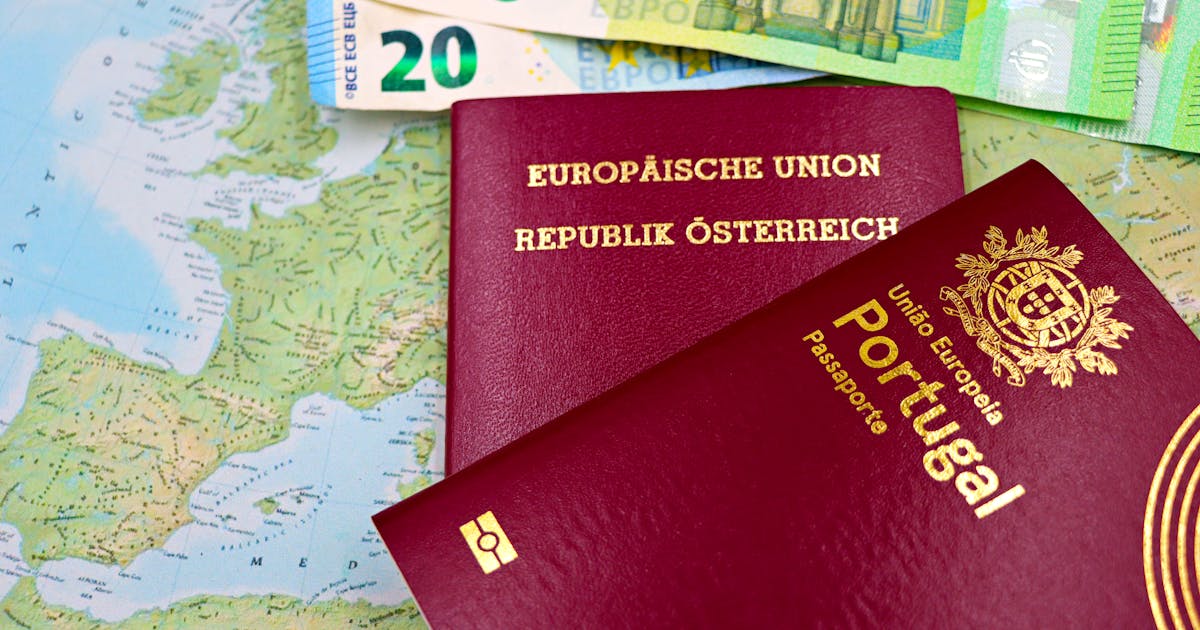
Every passport with an e-chip works at the EES self-service kiosks. Older passports without the chip get routed to a manual lane. Border officers can also use mobile fingerprint readers for land stops. A modern passport saves time. See passport requirements. Read our payment methods guide for more.
Airport vs Land Border Head-to-Head
| Aspect | Airport | Land |
|---|---|---|
| EES coverage | Fully rolled out 2025 | Phased through 2026 |
| Self-service kiosks | 80+ at hubs | 0-15 at major posts |
| Typical entry time | 1-5 min | 5-30 min |
| Chip passport required | Yes | Yes |
| Carry ETIAS PDF | Recommended | Strongly recommended |
| Transit handling | Airside permitted | N/A |
| Pre-clearance (Eurostar) | N/A | Yes |
| Peak days | Fri/Sun | Sat/bank holidays |
Frequently Asked Questions
Is it faster to enter Schengen by air or land?
Airports are consistently faster thanks to EES self-service kiosks. Land borders still face queues at peak times.
Do Eurostar passengers need ETIAS?
Yes — the Schengen side of the Eurostar route is still an entry. However, pre-clearance in London saves arrival time.
What if the EES kiosk fails?
A staffed fallback lane handles manual capture. No traveller is turned back for a hardware failure.
Does ETIAS differ at airports vs land?
No — the same ETIAS approval works at both. Only the biometric experience differs, not the authorization itself.
Is Schengen land transit possible without a stop?
Yes, for transit through corridors such as the French-Spanish autoroute. Even a day-trip land transit still counts toward your 90/180 days.
What should I carry at the border?
ETIAS approval email, passport, onward ticket and travel insurance proof. Carrying paper copies avoids roaming data issues.
Will EES close slow land crossings?
No, but the Commission plans consolidation of 12 low-traffic posts into faster hubs by 2027. Expect minor route changes.
Related reading: required documents, data protection, Schengen area 26 countries, ETIAS application process. For the definitive reference, use the official European Commission ETIAS portal.
Border Staffing Levels Across the Schengen Area
The European Border and Coast Guard Agency (Frontex) coordinates 2,000+ officers across Schengen external borders. Its headcount scaled up by 35% in 2024-2025 ahead of ETIAS. Key hubs — Rome, Madrid, Frankfurt — took the largest share of new hires. Queue times have trended downward despite rising passenger volumes.
What to Do If the Border Officer Asks Tough Questions
Remain polite, answer only the question asked and offer documents voluntarily. Do not volunteer extra information unless it is relevant. Officers appreciate concise answers like ‘I am here for a five-day business meeting; here is my invitation letter’. Most interactions wrap up in under two minutes.
Fast-Track Options at Major Airports
Frankfurt, Amsterdam-Schiphol and Paris-CDG sell fast-track lanes for €15–€30. These lanes speed up security and passport control by 20–40 minutes at peak. Frequent flyers often pair fast-track with lounge access via Priority Pass. For business travellers, the saved time compounds across many trips.
Crossing Schengen by Car or Motorhome
Motorists from the UK or Balkans arriving at Dover, Dublin or Sopot face different border setups. Car-ferry ports integrate EES kiosks right in the passenger halls. Land crossings into Hungary or Slovenia via Croatia (post-2023 Schengen) use drive-through lanes. Keep ETIAS and passports ready in the driver’s pocket.
Border Infrastructure Investments for 2026-2028
The Commission’s 2026 budget allocates €185 million to EES rollout and border modernisation. Key upgrades target the Polish-Belarusian, Greek-Turkish and Finnish-Russian crossings. These posts account for a disproportionate share of Schengen external entries. Travellers using remote routes will see fast improvements year-on-year.
Tips for First-Time Schengen Visitors
First-time visitors should arrive at airports 90 minutes before flight. Download the ETIAS approval PDF offline and screenshot it. Keep the passport zipped away in a money belt between uses. That first Schengen trip sets habits for the next three years.
Technology Behind EES Kiosks
EES kiosks use dual-iris scanners, 12-megapixel cameras and RFID chip readers. Idemia and Thales supply most of the hardware across Schengen. Each kiosk syncs with the central EES database in real time. That is why border wait times have plummeted.
Disability Access at Land Crossings
Wheelchair-accessible lanes operate at all major land borders. Mobile readers let officers come to the car. No traveller with mobility challenges should be denied entry. Accessibility keeps improving year over year.
Preparing for Border Officers’ Questions
Pack answers for: purpose, duration, financial means, accommodation. Keep supporting documents handy. Officers rarely need more than 30 seconds of responses. Straightforward honesty wins every time.
Winter vs Summer Border Traffic
Winter border traffic peaks around Christmas, New Year and ski weeks, with Geneva, Zurich and Innsbruck airports busiest. Summer peaks run July-August, with Mediterranean hubs dominating. Shoulder seasons (March-April and October) offer the quickest border experience. Off-peak travellers save both time and money.
Car Rental at Border Hubs
Car rental desks at Frankfurt, Amsterdam-Schiphol, Madrid-Barajas and Paris-CDG operate 24/7. Most offer multi-country cross-border policies. Returning to a different country sometimes incurs a one-way fee. Plan drop-offs in advance to manage costs.
Future-Proofing Your Schengen Crossings for 2027 and Beyond
Beyond the 2026 ETIAS launch, the Commission plans additional enhancements by 2027 including EES-integrated queue prediction, mobile pre-clearance and automated vehicle number-plate recognition at land crossings. Traveller credentials may move fully to the European Digital Identity Wallet. These improvements target a 50% reduction in peak border wait times. Keeping apps updated and travel documents digital-first remains the best strategy. Above all, adopting e-passports with active chips is the single biggest individual-level improvement travellers can make. If your passport lacks a chip, renewal should be the top pre-2027 priority.
 English
  Shqip
Shqip  العربية
  Français
  ქართული
  עִבְרִית
  简体中文
简体中文  香港中文
香港中文  繁體中文
繁體中文  Español
  Português do Brasil
  日本語
日本語  한국어
한국어  Bahasa Melayu
  Українська
  Română
  Српски језик
  Türkçe