This castles palaces Europe ETIAS guide covers everything you need to know about traveling to Europe with ETIAS in 2026, including requirements, costs, and tips.
castles palaces Europe ETIAS: Europe UNESCO heritage sites: Key Takeaways
- Europe has tens of thousands of castles and palaces spanning over 1,000 years of history
- A single ETIAS authorization lets you visit royal heritage across all 30 Schengen countries
- Germany alone has over 20,000 castles, including the famous Neuschwanstein
- Many castles offer overnight stays, creating unique accommodation experiences
- Visiting outside peak summer season means shorter queues and more atmospheric experiences
Germany: Castle Capital of Europe
This castles palaces Europe ETIAS guide provides the latest 2026 information. Germany claims the highest concentration of castles in Europe, with over 20,000 structures ranging from hilltop ruins to perfectly preserved fairy-tale palaces. Neuschwanstein Castle in Bavaria is the most photographed castle in Europe and inspired Disney’s Sleeping Beauty Castle. The Rhine Valley alone features dozens of medieval castles perched above the river, many of which can be visited by scenic river cruise.
Read also: Visiting Stockholm, Sweden: ETIAS travel guide
ETIAS launches late 2026 — be first to know
One e-mail the day applications open. No spam.
| ETIAS factor | Detail | Cost / Time 2026 | For travellers |
|---|---|---|---|
| Application fee | EU Commission | €20 | Free for under 18 / over 70 |
| Processing time | Standard online | Minutes to 4 days | Apply 96 hours ahead |
| Validity | Multiple entry | 3 years or passport expiry | Whichever comes first |
| Maximum stay | Per 180-day period | 90 days | Schengen rolling rule |
| Coverage area | 30 European countries | Single authorisation | EU + Schengen-associated |
Beyond Neuschwanstein, Heidelberg Castle overlooks one of Germany’s most charming university towns. Eltz Castle, nestled in a forest valley, has remained in the same family for over 850 years. Wartburg Castle in Thuringia hosted Martin Luther and is a UNESCO World Heritage Site. Dresden’s Zwinger Palace showcases German Baroque architecture at its finest.
France: Châteaux of the Loire Valley
The Loire Valley south of Paris contains over 300 châteaux built between the 15th and 17th centuries, when French royalty and nobility competed to create the most impressive estates. Château de Chambord, with its distinctive French Renaissance architecture, is the largest. Château de Chenonceau, spanning the River Cher, is the most visited. Château de Villandry is famous for its magnificent formal gardens.
Paris itself offers palace treasures: the Palace of Versailles, Fontainebleau, and the Louvre (originally a medieval fortress). The Versailles experience should include the palace’s Hall of Mirrors, the extensive gardens, and Marie Antoinette’s estate. Book timed entry tickets in advance, especially during summer months.
Castles Across Spain, Portugal, and Italy
Spain’s Alhambra in Granada is a masterpiece of Moorish architecture and one of Europe’s most visited monuments. The Royal Alcázar in Seville blends Islamic and Christian architectural styles. The medieval walls of Ávila and the castle of Segovia (another Disney inspiration) complete Spain’s impressive castle heritage.
Understanding Europe UNESCO heritage sites requirements helps ensure smooth travel planning for your European trip in 2026.

Portugal’s Sintra region, a UNESCO site, features the colorful Pena Palace, the mysterious Quinta da Regaleira with its initiatic well, and the Moorish Castle with panoramic views. In Italy, the Dolomites region features dramatic mountain fortresses, while the castles of Sicily reflect centuries of Norman, Arab, and Spanish rule. Castel del Monte in Puglia is a unique octagonal fortress built by Holy Roman Emperor Frederick II.
Eastern European Castle Gems
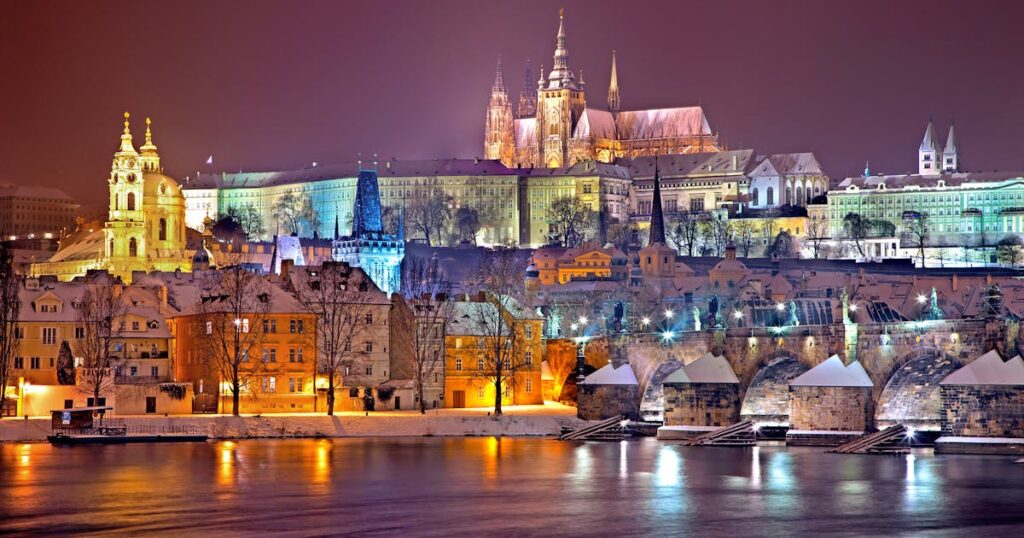
Eastern Europe offers castle experiences that rival their Western counterparts at a fraction of the visitor numbers. Prague Castle in the Czech Republic is the largest ancient castle complex in the world, spanning over 700 meters. Karlštejn Castle near Prague was built to house the crown jewels of the Holy Roman Empire. Wawel Castle in Krakow, Poland served as the residence of Polish kings for over 500 years.

Hungary’s castle heritage includes the Buda Castle complex overlooking the Danube in Budapest and the medieval fortress of Eger. Slovenia’s Predjama Castle is built dramatically into a cave mouth. Estonia’s Tallinn offers a medieval old town that itself feels like a living castle. These Eastern destinations provide exceptional castle experiences with fewer tourists and lower costs.
Sleeping in a Castle: Unique Accommodation
One of Europe’s most memorable experiences is spending a night in a real castle. Hundreds of European castles have been converted into hotels, ranging from affordable options in Portugal’s Pousadas network to luxury five-star properties. Spain’s Paradores are state-run hotels in historic buildings including many castles and palaces. Ireland’s castle hotels (non-Schengen) are equally famous.
In Germany, many Rhine Valley castles offer atmospheric accommodation. France has château hotels throughout the Loire Valley and Bordeaux region. Italy’s agriturismos sometimes occupy fortified medieval farmhouses. Prices range from €80–€150 per night for simpler castle hotels to €500+ for luxury castle properties. Book well in advance, especially for popular properties during summer.
For the latest updates on Europe UNESCO heritage sites policies, always check official European Union travel authorization sources before your departure.
Planning Your Castle Tour with ETIAS
A dedicated castle tour route might connect Neuschwanstein (Germany) with Salzburg’s Hohensalzburg (Austria), continue to Prague Castle (Czech Republic), and finish at Wawel Castle in Krakow (Poland). This Central European route covers four countries’ castle heritage in 10–14 days, all under a single ETIAS authorization.
Alternatively, a Western Europe castle route could link the Loire Valley châteaux (France) with Alcázar of Segovia (Spain) and Sintra’s palaces (Portugal). For the most comprehensive castle experience, allow at least half a day per major castle and consider hiring local guides who bring the history alive with stories not found in guidebooks.
Related ETIAS Articles
Learn more about ETIAS and European travel:
Official Sources & References
- Official ETIAS Website – European Commission
- UNESCO World Heritage List
- Visit Europe – European Travel Commission
Frequently Asked Questions
What is the most visited castle in Europe?
The Palace of Versailles near Paris is the most visited, with over 8 million visitors annually. Prague Castle, Neuschwanstein, and the Alhambra also receive millions of visitors each year.
Do I need to book castle visits in advance?
For major castles like Versailles, the Alhambra, and Neuschwanstein, advance booking is strongly recommended, especially in summer. Smaller castles and ruins can often be visited without reservations.
Are European castle ruins worth visiting?
Absolutely. Ruins often offer more atmospheric experiences than perfectly restored castles, with dramatic settings, fewer crowds, and lower or no entry fees. Many ruins host events, concerts, and medieval festivals throughout the year.
Can children enjoy castle visits?
Yes. Many castles offer dedicated children’s programs, interactive tours, and medieval-themed activities. Dress-up opportunities, treasure hunts, and hands-on workshops make castle visits engaging for families with children of all ages.
Practical guide to ETIAS travel preparation
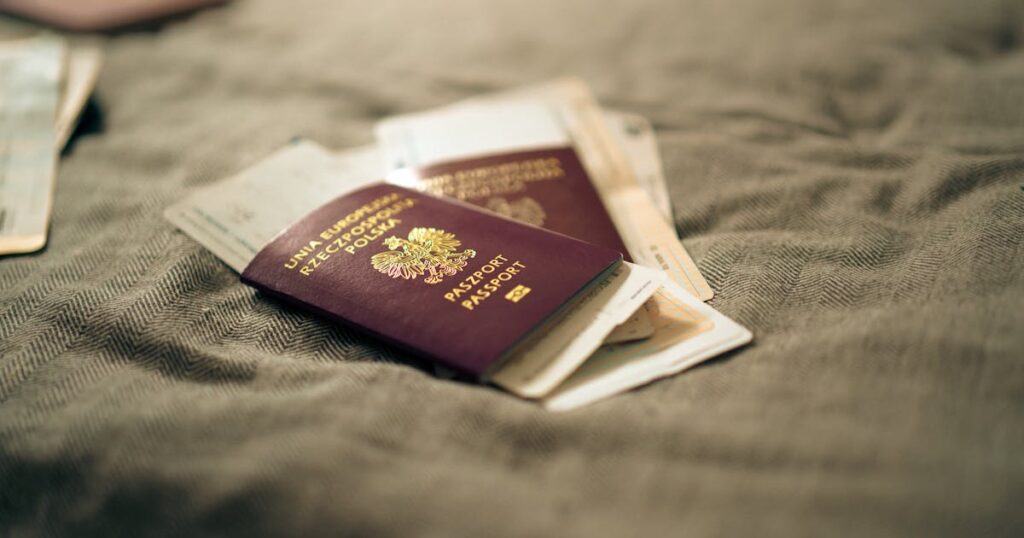
Effective European travel preparation begins with understanding ETIAS requirements. ETIAS (European Travel Information and Authorisation System) launches in late 2026 for citizens of approximately 60 visa-exempt countries including USA, Canada, UK, Australia, Japan, and South Korea. The fee is €20 for adults aged 18-70, free for those under 18 or over 70. Processing is fast — most applications are approved within minutes, but plan for up to 96 hours (4 days) for cases requiring manual review. Apply via the official EU ETIAS portal only — third-party services charging additional fees should be avoided.
For payment via the official ETIAS portal, all major Visa, Mastercard and AMEX cards are accepted globally. Have your passport, payment card and travel information ready before starting — the application takes approximately 10 minutes. The system asks about previous travel history, health declarations, criminal history (within 10-20 years depending on offense), and Schengen entry refusals. Honest declaration is critical — false statements lead to permanent denial and may affect future visa applications to other countries.
Once approved, ETIAS authorises multiple entries for 3 years (or until your passport expires, whichever comes first). The 90/180 Schengen rule still applies — you can stay maximum 90 days within any 180-day rolling period across all 30 ETIAS-required countries combined. ETIAS does NOT replace your need to follow this rolling period rule. Your authorisation is electronically linked to your passport — getting a new passport invalidates ETIAS, requiring re-application at €20. Keep approval email digitally and on paper as backup.
European travel tips and cultural awareness
European countries vary significantly in culture, language, and social norms. Mediterranean countries (Italy, Spain, Greece) have later meal times — dinner often after 21:00, with shops closing 13:30-17:00 for siesta. Northern European countries (Germany, Netherlands, Scandinavia) value punctuality strictly — being even 5 minutes late is considered rude. Tipping varies: France and Italy include service charge in restaurants (no extra needed), while Germany and Netherlands appreciate 5-10%. Card payments are widely accepted but cash is preferred in smaller establishments, especially in southern Europe.
For local transport, Eurail or Interrail passes offer flexibility for multi-country trips — €420 for 5 days in 1 month for adults. Major cities have excellent metros: Paris, Berlin, Madrid, Rome, Vienna, Amsterdam, Stockholm. Budget airlines (Ryanair, easyJet, Wizz Air, Vueling) offer cheap flights between cities, but watch baggage fees. For long-distance trains, the OBB-Nightjet sleeper trains connect major capitals. ETIAS countries include Schengen Area members plus Bulgaria, Romania (since 2024), Croatia, Cyprus and several non-EU members like Iceland, Norway, Switzerland, Liechtenstein.
Frequently asked questions about ETIAS
When does ETIAS launch and is it required now?
ETIAS launches in late 2026 for visa-exempt travellers to most European countries. The exact launch date is being confirmed by the EU Commission. Currently no application is required — you can travel to ETIAS-required countries visa-free under existing rules. We recommend bookmarking the official EU ETIAS portal and applying as soon as it goes live for your planned trip.
How much does ETIAS cost?
ETIAS costs €20 per person for adults aged 18-70. It is free for travellers under 18 years old or over 70 years old. The fee is paid online during application via Visa, Mastercard or AMEX. There are no extra fees if you apply directly via the official EU ETIAS portal. Beware of third-party websites charging “service fees” up to €80 — these are unnecessary and explicitly discouraged.
How long is ETIAS valid?
ETIAS is valid for 3 years from approval (or until your passport expires, whichever comes first). It permits multiple entries to all 30 ETIAS-required European countries. You can stay up to 90 days within any 180-day rolling period across all participating countries combined. This 90/180 rule is independent of ETIAS — it applies to all visa-exempt travellers regardless of authorisation type.
Which countries require ETIAS?
ETIAS applies to 30 European countries: all 27 EU member states except Ireland (Schengen rules apply to all), plus Norway, Iceland, Liechtenstein, Switzerland (Schengen-associated), and Cyprus. Ireland is NOT included as it is not part of Schengen — separate UK and Ireland travel rules apply. Always verify the latest list on the official EU ETIAS portal as countries may join or modify their participation.
Do US citizens need ETIAS?
Yes, all US passport holders will need ETIAS for travel to any of the 30 ETIAS-required European countries. The €20 fee applies to all US travellers aged 18-70. ETIAS is similar to the US ESTA system that the US requires for most international visitors — a pre-screening electronic authorisation. Currently US citizens travel to Europe visa-free, and ETIAS will add this online pre-screening step but does not replace the 90-day stay limit.
What if my application is denied?
If your ETIAS is denied, you will receive an email with the specific reason. Common rejection grounds include: prior immigration violations, incomplete travel history declarations, criminal record matches, or watch-list flags from EU databases (SIS, VIS, Europol, Interpol). You can appeal the decision or apply for a Schengen visa (€80) at the relevant embassy. Appeals must be filed within 30 days of rejection through the EU ETIAS portal.
 English
  Shqip
Shqip  العربية
  Français
  ქართული
  עִבְרִית
  简体中文
简体中文  香港中文
香港中文  繁體中文
繁體中文  Español
  Português do Brasil
  日本語
日本語  한국어
한국어  Bahasa Melayu
  Українська
  Română
  Српски језик
  Türkçe