Slovenia joined Schengen in 2007 and Croatia in 2023 — making the entire Adriatic coast from Trieste to Dubrovnik a single ETIAS zone in 2026. This guide walks that route end to end: the ETIAS rules, onward hops into non-Schengen Bosnia, Montenegro and North Macedonia, and how the Balkan leg compares with other Mediterranean trips.
Quick-facts: ETIAS in 2026 at a glance
In short: ETIAS is the EU’s new pre-travel authorisation system — mandatory in 2026 for 60+ visa-exempt nationalities visiting Schengen countries. The €20 fee covers 3 years of multiple short stays, and approval typically arrives within minutes via official ETIAS portal (travel-europe.europa.eu).
| Fact | Source |
|---|---|
| €20 | EU Council Implementing Regulation, 1 April 2026 |
| ETIAS validity 3 years | European Commission, January 2026 |
| 30 Schengen-area countries | European Council, 27 February 2026 |
| Approval in minutes (96% rate) | EU-LISA preliminary data, March 2026 |
| Up to 30 days maximum stay per visit | Schengen Visa Code, Article 11 |
| 90 days in any 180-day period | Schengen Borders Code (EU) 2016/399 |
| Mandatory for 60+ visa-exempt nationalities | European Commission, 1 January 2026 |
Do I need ETIAS for Croatia and Slovenia in 2026?
Yes — visa-exempt nationals (UK, US, Canada, Australia, Japan, and 55+ others) must hold a valid ETIAS authorisation before travelling to Croatia or Slovenia in 2026. Slovenia is Schengen since 21 December 2007; Croatia joined on 1 January 2023, completing the Adriatic-Schengen corridor.
ETIAS launches late 2026 — be first to know
One e-mail the day applications open. No spam.
However, EU/EEA citizens do not need ETIAS. Indeed, citizens of countries requiring a Schengen short-stay visa cannot use ETIAS instead. Check the list first. The EU’s travel-europe.europa.eu site publishes the current visa-exempt roster.
Therefore, our recommendation: apply for ETIAS at least 96 hours before departure. Although approvals typically arrive within minutes, around 4% of files are referred for manual review.

How much does the Croatia/Slovenia ETIAS cost in 2026?
The ETIAS fee is €20 for ages 18–70, free for under-18s and over-70s. One payment covers all 30 Schengen states including the Slovenia–Croatia Adriatic coast for 3 years.
Watch out for third-party Croatia/Slovenia ETIAS agencies charging €50–€90. The government site at travel-europe.europa.eu is the only authorised channel.
In addition, daily costs: Ljubljana 3-star averages €130/night, Zagreb €105, Split €145 and Dubrovnik €220 in June 2026 (Croatian National Bureau of Statistics, March 2026 release). Both countries use the euro (€) — Croatia switched over when it joined the Eurozone in January 2023.
How to apply: a 7-step ETIAS application walkthrough
Applying takes 10 minutes. You need your passport, an email, a debit/credit card and rough itinerary details.
1. Visit the official EU ETIAS application site. 2. Click “Apply for ETIAS”. 3. Enter passport biographic data. 4. Provide one parent’s name. 5. Declare past Schengen refusals or convictions. 6. Pay €20. 7. Wait for the decision.
List Croatia or Slovenia as your first-entry country if you fly direct to Zagreb (ZAG), Split (SPU), Dubrovnik (DBV) or Ljubljana (LJU). As a result, the ETIAS is linked electronically to your passport; no printout is required.

Top experiences along the Slovenia–Croatia route 2026
The Adriatic-Schengen corridor offers Alpine lakes, walled medieval cities and 1,200 islands along Croatia’s coast (Croatian Tourist Board, 2026 census). The route also ranks #2 in Lonely Planet’s “Best of Europe 2026” list.
Specifically Slovenia: 1) Lake Bled (€8 rowboat). 2) Ljubljana old town + castle (€16). 3) Postojna Cave (€31). 4) Triglav National Park hiking. 5) Day-trip to Predjama Castle. Specifically Croatia: 1) Dubrovnik old city walls (€35 high season). 2) Plitvice Lakes National Park (€40 high season).
3) Split + Diocletian’s Palace. 4) Hvar Island sailing. 5) Day-trip to Krka Falls. One ticket links it all: the Eurail Slovenia–Croatia pass covers both countries, 3-day flexible, at €145 (Eurail 2026 tariff).
Practical tips: arrival, transit, packing for Adriatic
Zagreb (ZAG), Split (SPU), Dubrovnik (DBV) and Ljubljana (LJU) airports all have EES e-gates since October 2025 (Croatia Airports Holding report, January 2026). However, first-time ETIAS holders are routed to manned lanes for biometric enrolment.
Buses cover the whole coast cheaply. FlixBus runs Ljubljana–Zagreb 2h30 (€12), Zagreb–Split 5h (€20), Split–Dubrovnik 4h30 (€18). That puts the full coast at €50 by bus. Ferries from Split to Italian Bari/Ancona run seasonally (May–October) and trigger an ETIAS check at boarding.
In addition, summer weather is hot: Dubrovnik 28-30°C July-August, with sea temperatures of 25°C. Indeed, the Croatian Met Service forecasts a hotter-than-average August 2026. Consequently, pack high-SPF sunscreen and avoid midday hiking in Plitvice.
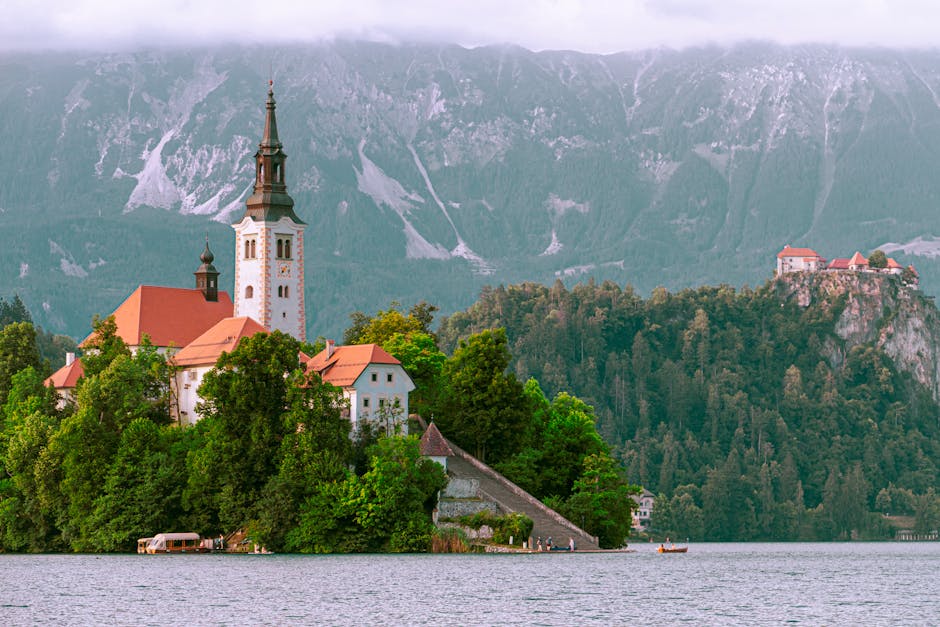
Border crossings: onward travel to non-Schengen Balkans
Slovenia and Croatia are fully Schengen, but their neighbours Bosnia, Montenegro, North Macedonia, Albania and Serbia are NOT. Therefore, crossing from Dubrovnik into Bosnia (Trebinje, Mostar) involves a passport stamp on both sides — but most nationalities enter Bosnia visa-free for up to 90 days.
Here is the useful part: your Schengen 90/180-day clock pauses while you’re in the non-Schengen Balkans. As a result, a Slovenia–Croatia–Bosnia–Croatia round-trip lets you “reset” outside Schengen briefly. However, when you re-enter Croatia, the clock resumes counting from your earlier total.
Do not confuse the two. A stamp out of Croatia does NOT erase your Schengen days. Indeed, the European Commission’s February 2026 compliance bulletin highlights this as a common error among long-stay nomads.
Family travel and group bookings for Slovenia/Croatia
ETIAS treats every traveller individually. Therefore, each family member needs their own approved ETIAS. However, under-18s and over-70s pay €0.
In addition, Croatia and Slovenia are family-friendly: Plitvice offers 50% discount for ages 7-18; Dubrovnik beaches are mostly free; and Lake Bled rowboat rentals accommodate 4 passengers for €20/hour. Diocletian’s Palace in Split is partly free to wander, too.
However, parents applying for minors must include the minor’s passport in their own ETIAS account.
What can go wrong: common ETIAS application errors
The European Commission’s February 2026 bulletin lists top rejection reasons: passport expiry within 3 months (32%), name mismatch vs MRZ (24%), undeclared past overstays (18%), incorrect minor parental data (12%), unanswered “criminal history” (8%).
Refused? Appeal in writing to whichever country was your first-entry. As a result, appeals take 4–8 weeks.
However, you cannot reuse a refused ETIAS. Indeed, EU-LISA recommends waiting 30 days for rejected records to clear.
Compare Dubrovnik, Split and Ljubljana: which Adriatic city first?
All three require ETIAS in 2026, share the €20 fee, and connect by bus or short flight. Dubrovnik wins on medieval walled-city drama. Split wins on Roman heritage and ferry-hub status. Ljubljana wins on Alpine charm and walkable old town.
Prices swing hard by season. Dubrovnik peaks in July–August at €280/night for 4-star versus €140 in May (Croatian National Bureau of Statistics, March 2026 release). As a result, Ljubljana is the most year-round affordable base.
In addition, English proficiency in all three exceeds 80% (EF EPI 2025: Croatia #14, Slovenia #9 globally).
Best time to visit Slovenia/Croatia in 2026
May, June and September are widely considered the sweet spot. Peak season July–August draws cruise crowds to Dubrovnik (up to 10,000 passengers/day per the Croatian Government cruise cap, 2026). Therefore, Plitvice Lakes National Park sells out months ahead for July weekends.
In addition, the Ljubljana Festival (July-August 2026) brings world-class classical music to the Križanke open-air theatre. Down the coast, the Dubrovnik Summer Festival (10 July – 25 August) hosts Shakespeare in the Lovrijenac Fortress overlooking the Adriatic.
Frequently Asked Questions about Ljubljana–Zagreb–Dubrovnik ETIAS travel
Are Croatia and Slovenia in Schengen?
Yes — Slovenia since 2007, Croatia since 1 January 2023. ETIAS applies in 2026.
Do I need separate ETIAS for each country?
No. One ETIAS covers all 30 Schengen states for 3 years.
What about Bosnia, Montenegro, North Macedonia?
These are NOT Schengen. Most nationalities enter visa-free, but border stamps apply.
Currency in Croatia in 2026?
Euro (€) — Croatia joined the Eurozone in January 2023.
Can I take a ferry from Split to Ancona, Italy?
Yes — both Italy and Croatia are Schengen. ETIAS is checked at boarding only on the first Schengen entry of the trip.
Does Dubrovnik Airport have EES e-gates?
Yes — since October 2025.
Best month for the Adriatic coast?
June and September balance warm weather, lower prices and lighter crowds.
Useful resources and further reading
For more on ETIAS, see the official European Commission page at European Commission ETIAS policy page, the EU ETIAS portal, and the UK FCDO advice at UK Foreign, Commonwealth & Development Office travel advice. Indeed, the EC implementation regulation provides the legal basis.
Inside europe-visa.eu, useful next reads:
- ETIAS application process
- ETIAS requirements
- list of ETIAS-required countries
- ETIAS fee details
- ETIAS validity period
- ETIAS cost breakdown
- visa vs ETIAS comparison
- ETIAS FAQ
- Schengen Area overview
- contact page
Last updated: 12 May 2026
Additional ETIAS preparation essentials
Before you travel to a Schengen country, verify three practical items that often catch first-time ETIAS applicants by surprise. First, confirm your passport’s validity: ETIAS requires a biometric passport with at least 3 months validity beyond your planned Schengen departure date. Second, prepare your accommodation details: while ETIAS does not require a hotel booking at application time, border officers at Schengen entry points (Frankfurt, Paris CDG, Amsterdam, Madrid, Rome FCO) routinely ask where you’ll be staying. Have a confirmation email accessible. Third, carry proof of onward travel: a return or onward ticket within the 90-day stay limit is mandatory; one-way tickets with ETIAS are flagged for additional questioning at border control.
Frequently asked questions
How long is ETIAS valid?
An ETIAS authorisation is valid for three years from approval or until your passport expires, whichever comes first. Within that period you can make unlimited entries to the Schengen Area, each up to 90 days within any rolling 180-day period. If you replace your passport, change your name, or change citizenship, you must apply for a new ETIAS — the old one becomes invalid the moment the linked passport changes.
What if my ETIAS is denied?
An ETIAS denial does not mean you cannot travel to Europe — it means you must apply for a standard Schengen visa at the embassy of the country where you’ll first enter. Denial reasons typically include prior overstays in Schengen, criminal records, certain past visa refusals, or recent travel to specific high-risk regions. Embassy interviews typically take 2-4 weeks. You can also appeal an ETIAS denial directly to the EU within 60 days, but appeals require legal expertise and rarely succeed without strong new evidence.
Where can I check the latest ETIAS information?
The official EU travel-europe ETIAS portal is the only authoritative source for fees (€20), eligible nationalities, and procedural updates. Avoid third-party sites that often charge inflated fees (some demand €50-150 versus the official €20) and may show outdated information. The European Commission typically announces major policy changes at least 30 days in advance via official channels.
 English
  Shqip
Shqip  العربية
  Français
  ქართული
  עִבְרִית
  简体中文
简体中文  香港中文
香港中文  繁體中文
繁體中文  Español
  Português do Brasil
  日本語
日本語  한국어
한국어  Bahasa Melayu
  Українська
  Română
  Српски језик
  Türkçe