This ETIAS Chilean citizens guide provides the latest 2026 information. If you hold a Chile passport and plan to visit Europe in 2026 or beyond, you will need an approved ETIAS (European Travel Information and Authorisation System) travel authorization before boarding your flight. This new digital entry requirement applies to all citizens from visa-exempt countries — including Chile — who wish to enter any of the 30 Schengen Area member states.
Approximately 300,000 Chilean travelers visit Europe each year, with Spain, France, Italy, and Germany ranking among the most visited destinations. ETIAS is designed to enhance European border security while maintaining the convenience of visa-free travel for Chilean nationals. This guide covers everything Chileans need to know about the ETIAS application process, requirements, costs, and travel tips for visiting Europe.
📋 Key Takeaways
- Chilean citizens will need ETIAS to visit Europe’s Schengen Area starting in 2026
- The application costs €20 and is completed entirely online in about 10 minutes
- ETIAS is valid for 3 years and allows stays of up to 90 days within any 180-day period
- Most applications are approved within minutes, though some may take up to 72 hours
- ETIAS is not a visa — it is a lightweight travel authorization for visa-exempt nationals
- Spain, France, Italy, and Germany are among the most popular European destinations for Chileans
What Is ETIAS and Why Do Chilean Citizens Need It?
ETIAS stands for European Travel Information and Authorisation System. It is an automated pre-screening system developed by the European Union to strengthen border security across the Schengen Area. Unlike a traditional visa, ETIAS does not require an embassy visit, biometric data collection, or extensive documentation.
ETIAS launches late 2026 — be first to know
One e-mail the day applications open. No spam.
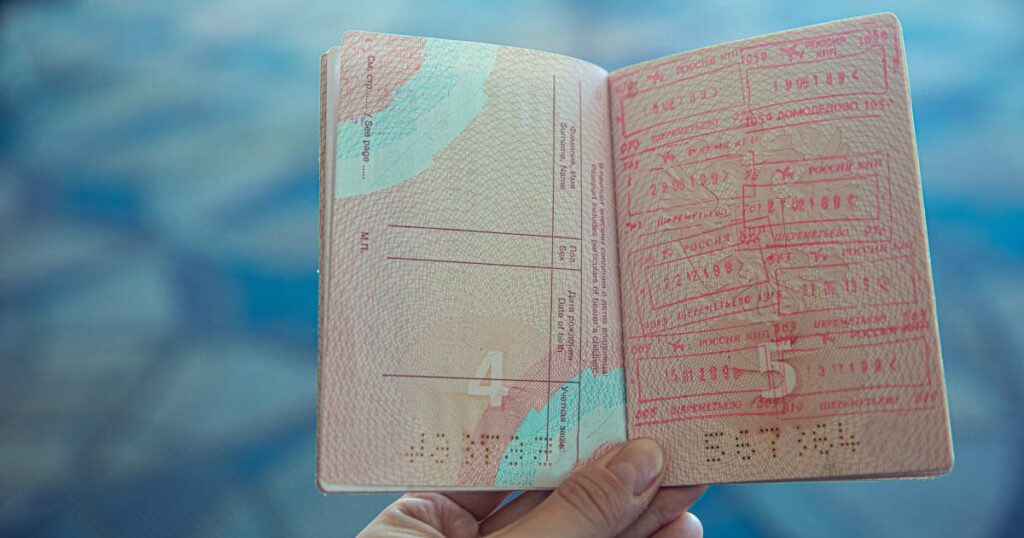
For Chilean citizens, ETIAS replaces the current arrangement where travelers from Chile can enter the Schengen Area with just a valid passport. Starting in 2026, Chileans must obtain ETIAS approval before traveling. The authorization is electronically linked to your passport and verified by airlines and border agents before you board your flight or arrive at a European border crossing.
Chile has a strong trade relationship with the EU and was one of the first South American countries granted visa-free access. The introduction of ETIAS does not change Chile’s visa-exempt status — it simply adds a security pre-screening layer that takes minutes to complete online.
How to Apply for ETIAS from Chile
The ETIAS application process is straightforward and entirely digital. Chilean citizens can apply from anywhere with an internet connection. Here is a step-by-step overview:

- Visit the official ETIAS website or use the ETIAS mobile app — Only apply through the official EU portal at travel-europe.europa.eu to avoid scam sites.
- Fill in your personal details — Provide your full name, date of birth, nationality (Chile), and passport information exactly as they appear on your travel document.
- Answer background and security questions — The form includes questions about your health, criminal history, and previous travel to conflict zones.
- Pay the €20 application fee — Applicants aged 18–70 must pay the fee using a credit or debit card. Travelers under 18 or over 70 are exempt.
- Receive your ETIAS decision — Most applications are processed within minutes. You will receive confirmation via email.
The entire process typically takes about 10 minutes to complete. Once approved, your ETIAS authorization is electronically linked to your Chilean passport and does not need to be printed.
Required Documents for Chilean ETIAS Applicants
Chilean citizens need the following to complete their ETIAS application:

- Valid Chile passport — Your passport must be biometric (machine-readable) and valid for at least 3 months beyond your planned departure from the Schengen Area.
- Active email address — Your ETIAS confirmation and any updates will be sent to this email.
- Credit or debit card — Required to pay the €20 processing fee (Visa, Mastercard, or other accepted payment methods).
Unlike a Schengen visa, ETIAS does not require flight reservations, hotel bookings, bank statements, travel insurance documents, or invitation letters. This simplified process is one of the key advantages of ETIAS for Chilean travelers.
ETIAS Validity and Stay Rules for Chileans
Once approved, your ETIAS authorization is valid for 3 years or until your passport expires, whichever comes first. During this period, you can make unlimited trips to the Schengen Area without reapplying.

However, each visit is subject to the Schengen 90/180-day rule:
- You may stay in the Schengen Area for a maximum of 90 days within any 180-day rolling period.
- The 180-day window is calculated backward from each day of your stay, not by calendar months.
- Days spent in all Schengen countries are counted together — visiting multiple countries does not reset the counter.
For Chileans planning extended European trips, it is essential to calculate your remaining days carefully. Overstaying can result in fines, deportation, and future entry bans. UTC−4 to UTC−3, which is 5–6 hours behind Central European Time, so factor in jet lag recovery time when planning your itinerary from Santiago.
Top European Destinations for Chilean Travelers
Spain, France, Italy, and Germany are consistently the most popular Schengen destinations for visitors from Chile. Here are some highlights:

Popular City Destinations
Chileans frequently visit Paris for its culture and cuisine, Rome for its historical significance, Barcelona for its vibrant atmosphere, and Amsterdam for its unique character. Spanish is widely understood in Spain, and many European tourist areas offer services in Spanish.
Travel Routes and Connections
The most common routes include Santiago to Madrid, Paris, or Frankfurt. Flight times average 13–15 hours from Santiago to European destinations. Many Chilean travelers opt for multi-city European itineraries, taking advantage of affordable intra-European flights and the excellent rail network to visit several Schengen countries on a single ETIAS authorization.
Budget-conscious Chilean travelers can explore Eastern European destinations such as Prague, Budapest, and Krakow, which offer exceptional value compared to Western European capitals while providing equally rich cultural experiences.
ETIAS Processing Time and Fees
The ETIAS system is designed for rapid processing. Here is what Chilean applicants can expect:
- Standard processing: Most applications are approved within minutes of submission.
- Extended review: Some applications may require additional screening, taking up to 72 hours.
- Manual processing: In rare cases requiring human review, the process may take up to 30 days.
The application fee is €7 per person for travelers aged 18–70. Children under 18 and seniors over 70 are exempt from the fee. The fee is non-refundable, regardless of whether your application is approved or denied.
Compared to the cost of a Schengen visa (€80 for adults), ETIAS is significantly more affordable and far less time-consuming. For Chileans, this means savings of over €70 per person — a considerable difference for family trips.
Special Considerations for Chilean Citizens
Chile’s extensive free trade agreements with EU member states have strengthened travel and business connections.
Additional points for Chilean travelers to keep in mind:
- Currency: The local currency in Chile is the Chilean peso (CLP). In the Schengen Area, most countries use the euro (€), though some (Switzerland, Sweden, Czech Republic) have their own currencies. It is advisable to notify your bank before traveling to avoid card blocks.
- Travel insurance: While not mandatory for ETIAS, comprehensive travel insurance covering medical emergencies, trip cancellation, and lost luggage is strongly recommended for Chilean visitors to Europe.
- Passport validity: Ensure your Chile passport is valid for at least 3 months beyond your planned departure date from Europe. It should also have been issued within the last 10 years.
Practical Travel Tips for Chileans Visiting Europe
To make your European trip as smooth as possible, here are essential tips for Chilean travelers:
- Apply for ETIAS early: While processing is usually fast, apply at least 72 hours before your departure to account for any potential delays.
- Keep your passport safe: Your ETIAS is linked to your passport. If you lose your passport abroad, you will need to contact the nearest Chilean embassy or consulate for a replacement, and then apply for a new ETIAS.
- Download the ETIAS app: The official ETIAS mobile application allows you to check your authorization status, receive notifications, and store your travel documents digitally.
- Understand the Schengen Area: Not all EU countries are in the Schengen Area. Ireland, for example, is in the EU but not Schengen. Conversely, Switzerland and Norway are in Schengen but not the EU.
- Budget for your trip: European travel costs vary significantly. Western European capitals like Paris and Amsterdam are more expensive than Eastern European cities like Prague or Budapest. Plan your budget in Chilean peso (CLP) equivalent before departing.
Related ETIAS Articles
Learn more about ETIAS and European travel:
Frequently Asked Questions
Do Chilean citizens need a visa or ETIAS for Europe in 2026?
Chilean citizens do not need a visa for short stays in the Schengen Area. However, starting in 2026, an approved ETIAS travel authorization is required before travel. ETIAS is not a visa — it is a simpler, faster, and cheaper electronic pre-screening system costing €20 and valid for 3 years.
How long can Chilean citizens stay in Europe with ETIAS?
Chileans with an approved ETIAS can stay up to 90 days within any 180-day rolling period across all Schengen countries combined. This is sufficient for tourism, business meetings, and short courses. For longer stays, a national visa or residence permit is required.
Can I work in Europe with an ETIAS from Chile?
No. ETIAS does not grant work authorization. It is strictly for tourism, business visits, medical treatment, transit, and short-term studies or training. Chilean citizens who wish to work in a European country must apply for the appropriate national work visa or permit.
What happens if my ETIAS application is denied?
If your ETIAS is denied, you will receive an explanation of the reasons. You have the right to appeal the decision with the EU member state that issued the denial. Alternatively, you can correct any errors and submit a new application. Common reasons for denial include security concerns or previous immigration violations.
Can I travel to multiple European countries on one ETIAS?
Yes. A single ETIAS authorization allows you to visit all 30 Schengen Area member countries. Chileans frequently plan multi-country itineraries covering destinations like Spain, France, Italy, and Germany on a single trip, all under one ETIAS approval.
Official Sources & References
- ETIAS Official Portal – European Commission’s official ETIAS information page
- Schengen Area Information – EU Home Affairs page on Schengen borders and visa policy
 English
  Shqip
Shqip  العربية
  Français
  ქართული
  עִבְרִית
  简体中文
简体中文  香港中文
香港中文  繁體中文
繁體中文  Español
  Português do Brasil
  日本語
日本語  한국어
한국어  Bahasa Melayu
  Українська
  Română
  Српски језик
  Türkçe