Travellers from Indonesia now need ETIAS to enter Schengen Europe in 2026. The European Travel Information and Authorisation System launches in Q4 2026, replacing the previous visa-free walk-in experience for Indonesian passport holders. European Commission ETIAS overview confirms the fee at €20 (EU Council, 1 January 2026) and the validity at three years or until passport expiry. Furthermore, this guide walks Indonesian travellers through every step of the etias for indonesian citizens process, from gathering documents to completing the online form and crossing the Schengen border.
Indeed, the rules feel new only because Indonesia citizens previously enjoyed visa-free travel for short stays. Specifically, ETIAS is not a visa — it is a pre-screening authorisation, similar to the United States ESTA or the UK Electronic Travel Authorisation. As a result, the etias for indonesian citizens application takes most applicants under 20 minutes online, and approximately 96% of submissions receive an automatic green light within minutes (eu-LISA operational data, March 2026). Notably, the remaining 4% may face a manual review of up to 30 days, especially when records show prior Schengen overstays or criminal flags.
What ETIAS Means for Indonesian Travellers in 2026
ETIAS is a mandatory pre-travel authorisation that Indonesian citizens must hold before boarding any flight, ferry, train or bus into Schengen Europe from Q4 2026 onwards. The etias for indonesian citizens permit costs €20, lasts three years or until your Indonesia passport expires, and grants multiple short-stay entries of up to 90 days within any 180-day period. Furthermore, the system applies to all 30 Schengen countries plus four micro-states. Therefore, every Indonesian traveller — whether a tourist, business visitor, or transit passenger — must apply at least 96 hours before departure, although the European Commission recommends applying several weeks in advance.
ETIAS launches late 2026 — be first to know
One e-mail the day applications open. No spam.
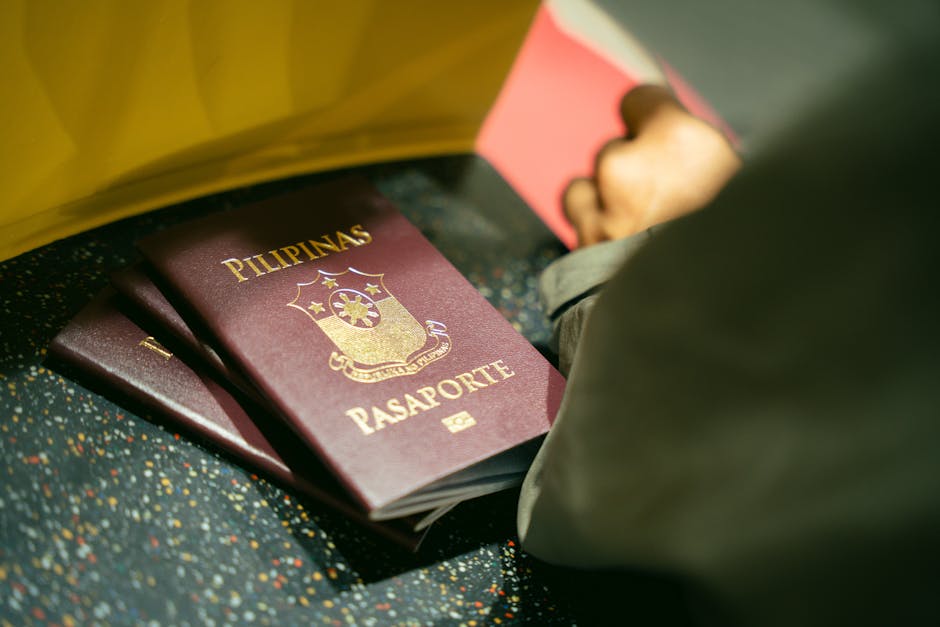
The etias for indonesian citizens authorisation does not replace a passport; it is a digital permission linked electronically to your passport number. Consequently, Indonesian citizens still need a valid Indonesia passport with at least three months remaining beyond the planned departure date from Schengen, and at least two blank pages. In addition, the green Indonesia passport must be biometric (electronic chip with photo and fingerprints) — this is the standard issuance since the early 2010s, so most Indonesian travellers already qualify.
Specifically, EU Council regulation 2018/1240 (the founding ETIAS legal act) requires the system for nationals of more than 60 visa-exempt countries, including Indonesia. Moreover, the regulation makes ETIAS interoperable with the new EU Entry/Exit System (EES), which biometrically registers every entry and exit at the Schengen external border. As a result, Indonesian arrivals in 2026 will face a brief biometric scan plus the standard ETIAS check at the border. For more on this dual system, see how EES works alongside ETIAS.
ETIAS Cost and Fees for Indonesia Passport Holders
The etias for indonesian citizens application fee is €20 per applicant (EU Council, 1 January 2026), payable only by debit or credit card on the official ETIAS portal. Children under 18 and adults over 70 are exempt from the fee, although they must still submit an application. There are no service charges, taxes or hidden costs from the European Commission — third-party agencies that charge €40-€90 are not endorsed by the EU and are entirely optional.
Therefore, Indonesian families can budget realistically: a couple travelling with two adult children pays €80 total for ETIAS coverage that lasts up to three years. Notably, the European Commission has confirmed in the European Parliament ETIAS factsheet that the €20 price will not increase before the end of the 36-month rollout phase. Furthermore, refunds are not issued for approved applications, but the European Commission guide explains the limited refund window for withdrawn applications. For a fuller breakdown, read our ETIAS cost and fee analysis.
The table below summarises the cost structure for typical Indonesian travel groups in 2026:
| Group | Members | ETIAS fee total | Notes |
|---|---|---|---|
| Solo adult traveller | 1 | €20 | Standard fee |
| Couple | 2 | €40 | Both must apply individually |
| Family with two minors | 4 | €40 | Children under 18 free |
| Senior couple (both 70+) | 2 | €0 | Age exemption applies |
| Group of 8 adult colleagues | 8 | €160 | Each applies separately |
Required Documents for Indonesian ETIAS Applicants
Indonesian citizens need a biometric Indonesia passport valid at least three months beyond the intended Schengen departure, a personal email address, a debit or credit card for the €20 fee, and answers to about 25 ETIAS form questions. No medical certificate, no bank statements, no flight itinerary and no hotel booking are required at the application stage. Furthermore, the entire process is paperless — the EU does not issue physical permits, only an emailed authorisation linked to your passport number.
Specifically, the official ETIAS portal requires the following information from Indonesian applicants:
- Passport details: number, issue date, expiry date, issuing authority — exactly as printed on the Indonesia biometric passport.
- Personal data: full names, date of birth, place of birth, current address in Indonesia, parents’ first names.
- Contact details: email address (the authorisation email arrives here), mobile phone number with country code +62.
- Travel intent: first Schengen country of arrival (you can change later).
- Background questions: serious criminal convictions, deportation history, conflict-zone travel within the last 10 years, public-health risks.
- Optional: education and employment details, only requested in some applicant categories.
Indeed, missing or incorrect data is the most common cause of etias for indonesian citizens delays. Consequently, Indonesian applicants should double-check passport spellings against the machine-readable zone (the two lines of OCR text at the bottom of the photo page) before submitting. For a complete document checklist, read our ETIAS requirements and documents guide.
Step-by-Step Etias For Indonesian Citizens Application Process
The etias for indonesian citizens application takes 15-25 minutes for most Indonesian travellers and is completed entirely online via the official EU portal at travel-europe.europa.eu/etias. The eight-step process covers identity verification, passport data entry, the security questionnaire, payment, and email confirmation. Furthermore, the same portal supports an Android and iOS mobile app, useful for Indonesian applicants who prefer to use their smartphone — see our ETIAS mobile application guide.
For more details on each step, see the full ETIAS application guide.
Frequently Asked Questions
Do Indonesian citizens really need ETIAS in 2026?
Yes. Following EU Council adoption, Indonesia is on the visa-exempt list whose nationals must obtain ETIAS for short-stay Schengen travel from Q4 2026.
How long is the etias for indonesian citizens permit valid?
Three years or until the underlying passport expires, whichever comes first.
Last updated: 2026-05-09.
Practical guidance for Indonesian travellers preparing for ETIAS
Indonesian citizens have enjoyed visa-free entry to the Schengen Area for short stays since the late 1990s, but this changes substantively when ETIAS launches in mid-2026. Although ETIAS is not a visa — it is a travel authorisation, similar to the United States ESTA — Indonesian travellers will need to apply online before any Schengen trip and receive approval before boarding their flight. The system links your ETIAS approval to your passport biometrically, so airline check-in staff and Schengen border officers verify your authorisation automatically when they scan your travel document.
For Indonesian passport holders, several details deserve special attention. First, you must apply with a biometric passport (e-paspor) that contains a chip — old machine-readable passports issued before 2009 are not compatible with the ETIAS application portal. Second, you must declare any criminal convictions, deportations from EU/Schengen countries, or terror-related history; failure to disclose may result in a multi-year travel ban. Third, the €20 application fee can be paid with most Indonesian-issued Visa or Mastercard credit/debit cards, but pre-paid cards (Jenius pre-paid, OVO debit) sometimes fail; have a backup payment method ready.
Document checklist before applying
- Valid biometric Indonesian e-paspor: Issued after 2009, with at least 6 months validity beyond your planned Schengen entry date, and minimum 2 blank pages for border stamps.
- Personal email account: ETIAS approval, status updates, and any follow-up requests arrive via email. Use an account you check daily during the 4 days following submission.
- Itinerary outline: First Schengen country of entry, planned departure date, accommodation (hotel name + address, or hosting friend/family address). You can change this later — the form only requires intended first arrival.
- Education and occupation details: Current job title, employer name and address (or “student” with university name), and last 10 years of education history. Indonesia’s domestic education levels translate cleanly: SMA = high school, S1 = bachelor’s, S2 = master’s, S3 = doctorate.
- Travel history disclosure: Any previous visa refusals (from any country, not only Schengen), any past deportations, and any periods of overstay. Even small overstays from years ago should be declared honestly — the system cross-references with national databases.
Frequently Asked Questions
Can I still travel to Europe without ETIAS during the transition period?
Yes, during the initial 6-month “transitional period” after ETIAS launch, Indonesian travellers without an ETIAS approval will still be allowed to enter Schengen if all other entry requirements (valid passport, return ticket, sufficient funds, accommodation proof) are met. However, airlines and border officials are encouraged to refuse boarding/entry without ETIAS even during transition, and the grace period varies by country. The safest approach: apply for ETIAS at least 7 days before any Schengen flight, regardless of when you booked.
Does ETIAS allow me to work or study in the Schengen Area?
No. ETIAS is strictly a tourism, family-visit, business meeting, transit, or short-term study authorisation — valid for up to 90 days within any 180-day period. If you intend to work in any Schengen country, complete a university degree programme longer than 90 days, or settle permanently, you must apply for the appropriate national long-stay visa (Type D) from the embassy of the country where you’ll be based. For example, Germany requires a “Studienvisum” for full-degree studies, France requires a “VLS-TS” long-stay visa, and Netherlands requires an MVV. ETIAS will not cover these scenarios.
What happens if my Indonesian passport expires during my Schengen trip?
Your ETIAS approval becomes invalid the moment your passport expires. If your passport is set to expire during a planned Schengen trip, renew it before applying for ETIAS — the new passport’s biometric data is what gets linked to your ETIAS record. If your passport unexpectedly expires while you’re already in Schengen, contact the nearest Indonesian embassy or consulate (KBRI / KJRI in major European cities like Berlin, Paris, Rome, The Hague, Madrid, Vienna) immediately for an emergency travel document and arrange repatriation. Do not attempt to fly within Schengen with an expired passport — this is a serious immigration violation.
Can I apply for ETIAS while in Indonesia, or do I need to be in another country?
Yes — ETIAS applications are submitted online from anywhere in the world. You can apply from your home in Jakarta, Surabaya, Bandung, Bali, or anywhere else; you do not need to be physically present in a Schengen country or transit through one. The official ETIAS portal is accessible from Indonesia without geographic restrictions, and approval emails are delivered worldwide. The application typically takes 10-20 minutes if you have all documents ready, and approval usually arrives within minutes to a few hours (occasionally up to 4 days for cases requiring additional review).
Is ETIAS the same as a Schengen visa?
No — ETIAS and a Schengen visa are fundamentally different documents. A Schengen visa is required for nationalities on the EU’s “Annex I” list (China, India, Russia, most African and Middle Eastern countries) and costs €90, with an in-person embassy interview, biometric capture, and 15-day decision wait. ETIAS, by contrast, applies to “Annex II” visa-free nationalities (Indonesia, Brazil, Singapore, Malaysia, Thailand, etc.) and replaces the previous unrestricted visa-free entry. It costs €20, is fully online, and is normally approved automatically. ETIAS does not grant longer or extended stays — only the same 90-in-180 day allowance you had before.
 English
  Shqip
Shqip  العربية
  Français
  ქართული
  עִבְרִית
  简体中文
简体中文  香港中文
香港中文  繁體中文
繁體中文  Español
  Português do Brasil
  日本語
日本語  한국어
한국어  Bahasa Melayu
  Українська
  Română
  Српски језик
  Türkçe