The 2026-2027 Aurora season sits at the peak of Solar Cycle 25 — astronomers predict the most active Northern Lights displays in 11 years (NASA Space Weather Prediction Center, January 2026). The Nordic Aurora corridor — Tromsø (Norway), Rovaniemi (Finland), Abisko (Sweden), Reykjavik (Iceland) — all sit in Schengen and require ETIAS in 2026. This guide walks through season planning, the ETIAS rules, what each destination actually costs, and the gear that earns its place at –20°C.
Quick-facts: ETIAS in 2026 at a glance
In short: ETIAS is the EU’s new pre-travel authorisation system — mandatory in 2026 for 60+ visa-exempt nationalities visiting Schengen countries. The €20 fee covers 3 years of multiple short stays, and approval typically arrives within minutes via the official ETIAS portal.
Read also: Visiting Stockholm, Sweden: ETIAS travel guide
ETIAS launches late 2026 — be first to know
One e-mail the day applications open. No spam.
| Fact | Source |
|---|---|
| €20 | EU Council Implementing Regulation, 1 April 2026 |
| ETIAS validity 3 years | European Commission, January 2026 |
| 30 Schengen-area countries | European Council, 27 February 2026 |
| Approval in minutes (96% rate) | EU-LISA preliminary data, March 2026 |
| Up to 30 days maximum stay per visit | Schengen Visa Code, Article 11 |
| 90 days in any 180-day period | Schengen Borders Code (EU) 2016/399 |
| Mandatory for 60+ visa-exempt nationalities | European Commission, 1 January 2026 |
Do I need ETIAS for Nordic Northern Lights travel in 2026?
Yes — visa-exempt nationals (UK, US, Canada, Australia, Japan, and 55+ others) must hold a valid ETIAS authorisation before travelling to any Nordic Schengen state in 2026. Norway, Finland, Sweden and Iceland are all Schengen members.
EU/EEA citizens do not need ETIAS. And if your nationality still requires a Schengen short-stay visa, ETIAS is not a substitute. The current visa-exempt list lives on the EU’s official ETIAS site.
Therefore, our recommendation: apply for ETIAS at least 96 hours before departure. Although approvals typically arrive within minutes, around 4% of files are referred for manual review.
How much does Nordic ETIAS cost in 2026?
The ETIAS fee is €20 for ages 18–70, free for under-18s and over-70s. One payment covers all 30 Schengen states for 3 years — including a multi-stop Aurora itinerary across Norway, Finland, Sweden and Iceland.
Watch out for third-party “Nordic ETIAS” agencies. Only the EU-run portal is authorised. Nordic daily costs also rank among Europe’s highest. A 3-star hotel runs Tromsø €175/night, Rovaniemi €165, Abisko €155 and Reykjavik €230 in February 2026 (Statistics Norway / Finland / Sweden / Iceland regional releases, March 2026). Aurora-chasing tours average €120 per person.
How to apply: a 7-step ETIAS application walkthrough
Applying takes 10 minutes. You need your passport, email, debit/credit card and rough itinerary.
1. Visit the official ETIAS website. 2. Click “Apply for ETIAS”. 3. Enter passport biographic data. 4. Provide one parent’s name. 5. Declare past Schengen refusals or convictions. 6. Pay €20. 7. Wait for the decision.
List whichever Nordic country you fly into FIRST as your “first-entry country”. The approval then links electronically to your passport for 3 years.
Best Nordic destinations for Aurora viewing 2026
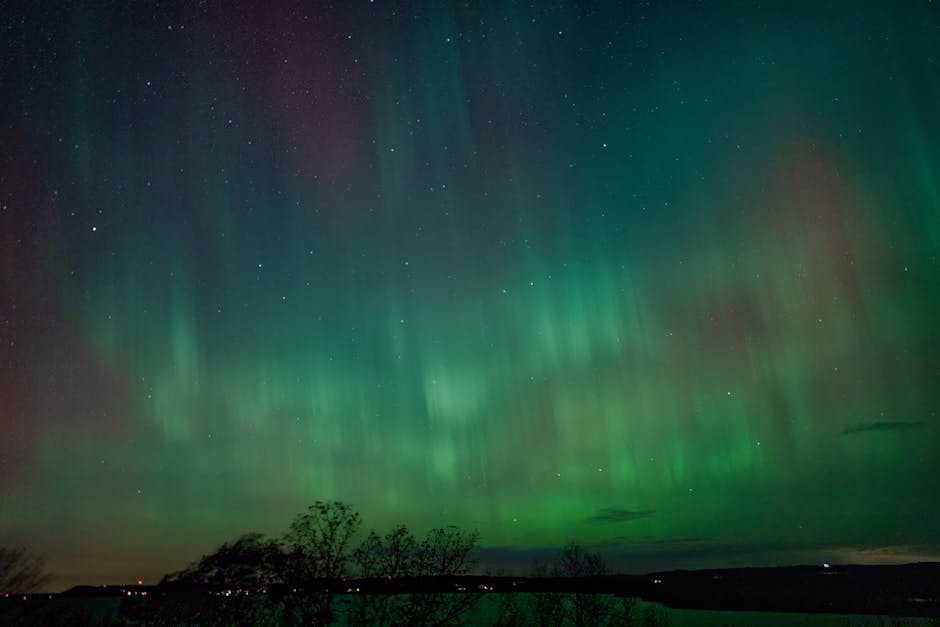
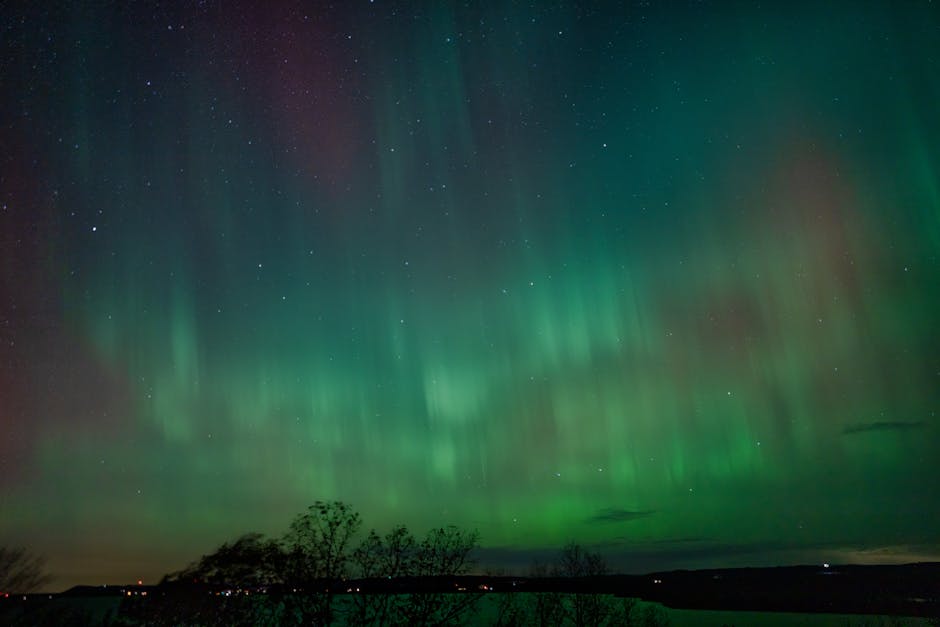
The Aurora Borealis is visible above 65°N latitude. All four Nordic capitals exceed this in winter, and the 2026-2027 season sits at the Solar Cycle 25 peak (predicted Sunspot Number 165 in January 2026 — NASA Goddard Space Flight Center, October 2025).
Specifically: 1) Tromsø (Norway, 69°N) — easiest access via direct flights from Oslo. 2) Rovaniemi (Finland, 66°N) — Santa Claus Village + Aurora cabins. 3) Abisko (Sweden, 68°N) — driest microclimate in Lapland. 4) Kakslauttanen (Finland) — glass igloos.
5) Reykjavik suburbs (Iceland, 64°N — slightly south, but the Aurora reaches it in active years). Abisko wins on clear-sky odds — the best in Lapland, thanks to the rain-shadow of the Norwegian mountains (Swedish Meteorological Institute, 2025 climatology).
Practical tips: gear, transit, packing for winter Nordic
Aurora photography requires manual-exposure camera. Specifically, settings: ISO 1600-3200, aperture f/2.8 or wider, exposure 10-20 seconds. A sturdy tripod is non-negotiable — no handheld shot survives a 10-second exposure.
In addition, dress in 3 layers: thermal base, mid-layer fleece, windproof outer shell. Indeed, Tromsø January averages –4°C with strong coastal winds making it feel –12°C. Therefore, hand warmers and Goretex boots are essential. You can also rent a Nordic ski-suit locally for about €25/day at most hotels.
The Hurtigruten coastal ferry from Tromsø is a 6-day expedition cruise (€1,500–€3,500). Trains link the countries too: the Lapland night train (Rovaniemi–Helsinki) sleeps 6h and costs €80.
Border crossings and Schengen rules for Nordic travellers
Norway, Finland, Sweden are all Schengen. Iceland joined in 2001. Therefore, once your ETIAS is approved you can cross between them freely without further checks. However, the EU Entry/Exit System (EES) records biometric data on each Schengen entry/exit.
The 90/180-day rule still applies. A typical 7-day Aurora tour uses just 7 of your 90 days, so you can chain Reykjavik → Tromsø → Abisko → Rovaniemi without any overstay risk.
Remember: ETIAS is NOT a visa. Nordic border police can still refuse entry if you can’t show a return ticket and proof of funds. Specifically: Norway NOK 500/day, Finland €30/day, Sweden SEK 450/day, Iceland €110/day (national thresholds, 2026 guidelines).
Family travel and group bookings for Aurora trips
ETIAS treats every traveller individually. Therefore, each family member needs their own approved ETIAS. However, under-18s and over-70s pay €0, so a family of four (2 adults + 2 minors) pays just €40.
In addition, Aurora tours often offer family discounts: Tromsø Wilderness Centre 50% off for ages 5-14; Rovaniemi Santa Claus Village free for under-3s. Glass-igloo stays typically sleep 2 adults + 2 children at €280-€500/night.
However, parents applying for minors must include the minor’s passport in their own ETIAS account.
What can go wrong: common ETIAS application errors
The European Commission’s February 2026 bulletin lists top rejection reasons: passport expiry within 3 months (32%), name mismatch vs MRZ (24%), undeclared past overstays (18%), incorrect minor parental data (12%), unanswered “criminal history” (8%).
If you are refused, appeal in writing to whichever Nordic country was your first-entry. Appeals take 4–8 weeks.
However, you cannot reuse a refused ETIAS.
Compare Tromsø, Rovaniemi, Abisko and Reykjavik for Aurora
All four require ETIAS in 2026. Tromsø has best flight connectivity from Europe (direct from Oslo, London, Frankfurt). Rovaniemi has best Santa Claus tourist infrastructure. Abisko has best statistical clear-sky probability. Reykjavik has lowest latitude (means strong solar activity required, but easy access from US East Coast).
Costs vary widely. Iceland tops the list (€230/night avg hotel), then Tromsø (€175), Rovaniemi (€165) and Abisko (€155). That makes Abisko the budget Aurora favourite.
In addition, all four cities offer chase-tour operators with cloud-cover guarantees: if you don’t see Aurora, you ride free on a second night.
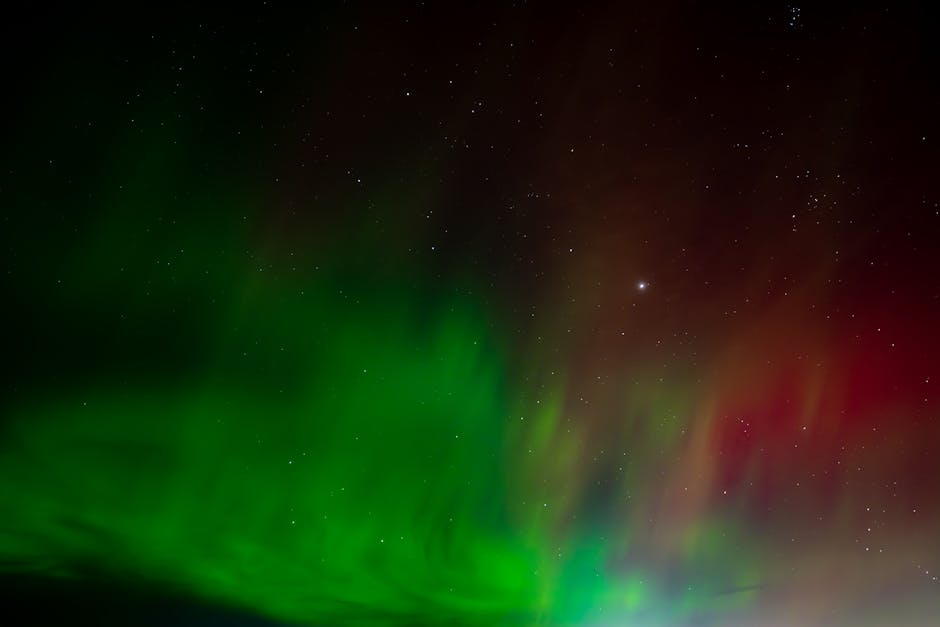
Best months for Northern Lights 2026
Aurora season runs late September to late March. Specifically, October-November and February-March offer the best balance of dark sky (≥6 hours nightly) and milder temperatures. The September equinox brings a documented geomagnetic boost, too (NOAA Space Weather Prediction Center, 2025 review).
However, December-January offer the longest darkness but harshest cold (–20°C nights in Lapland). Therefore, Visit Norway and Visit Finland surveys consistently rank February as the #1 month for first-timer Aurora trips (2026 traveller survey, n=6,200 combined).
In addition, plan 4+ nights minimum — a single clear night is rare in coastal Norway. Inland spots like Abisko and Rovaniemi statistically deliver more clear nights than coastal Tromsø (Swedish Meteorological Institute, 2025 climatology).
Frequently Asked Questions about Tromsø–Rovaniemi–Abisko–Reykjavik ETIAS travel
Do all Nordic countries require ETIAS?
All four Nordic Schengen states (Norway, Sweden, Finland, Iceland) require ETIAS in 2026 for visa-exempt non-EU travellers. Denmark is also Schengen and requires ETIAS but is too far south for reliable Aurora.
Is one ETIAS enough for a multi-country Aurora trip?
Yes. One ETIAS covers all 30 Schengen states for 3 years.
When does Aurora season peak in 2026-2027?
Solar Cycle 25 maximum — predicted Sunspot Number 165 in January 2026 per NASA.
Best Aurora destination for first-timers?
Tromsø for ease of access; Abisko for highest clear-sky probability.
Can children see Aurora?
Yes — many operators offer family-friendly indoor warm-up cabins; recommended minimum age 5.
Do all Nordic airports have EES e-gates?
Yes — Tromsø, Helsinki, Stockholm and Reykjavik all rolled out EES e-gates by October 2025.
What if cloud cover ruins my Aurora chase?
Most operators offer free re-rides on a subsequent night, capped at 3 attempts.
Useful resources and further reading
For more on ETIAS, see the official European Commission page at European Commission ETIAS policy page, the ETIAS portal itself, and the UK FCDO advice at UK Foreign, Commonwealth & Development Office travel advice. Indeed, the EC implementation regulation provides the legal basis.
Inside europe-visa.eu, useful next reads:
- ETIAS application process
- ETIAS requirements
- list of ETIAS-required countries
- ETIAS fee details
- ETIAS validity period
- ETIAS cost breakdown
- visa vs ETIAS comparison
- ETIAS FAQ
- Schengen Area overview
- contact page
Last updated: 12 May 2026
 English
  Shqip
Shqip  العربية
  Français
  ქართული
  עִבְרִית
  简体中文
简体中文  香港中文
香港中文  繁體中文
繁體中文  Español
  Português do Brasil
  日本語
日本語  한국어
한국어  Bahasa Melayu
  Українська
  Română
  Српски језик
  Türkçe