
The accepted ETIAS payment methods are debit and credit cards from the major international networks, paid once on the official EU portal. Knowing which cards work, what the €20 fee covers and how to fix a declined payment saves time at the final and most important step of your application. This guide walks through everything before you reach the payment screen.
TL;DR: ETIAS costs €20 and is paid by Visa, Mastercard or other accepted debit/credit cards directly on the official site. There is one charge per applicant, applicants under 18 and over 70 pay nothing, and the payment is the last step before your authorisation is processed — usually within minutes.
ETIAS launches late 2026 — be first to know
One e-mail the day applications open. No spam.
Quick Facts
| Item | Detail |
|---|---|
| Fee | €20 per application |
| Accepted cards | Visa, Mastercard and major debit/credit cards |
| Charges per person | Yes — one payment each |
| Exempt | Under 18 and over 70 pay €0 |
| When you pay | Final step, after the form |
| Currency | Euros |
Payment sits at the end of the wider process — see how to apply for ETIAS step by step and our full ETIAS cost guide for the bigger picture.
Which cards are accepted for ETIAS

The system accepts debit and credit cards from the major networks, including Visa and Mastercard, and in most cases other widely used cards too. The card does not have to be issued in Europe — travellers from the United States, Canada, Australia and elsewhere can pay with a card from their home bank. What matters is that the card is valid, has funds available and is enabled for online international payments. If you are applying on behalf of a family member, you may use your own card to pay for several applications.
| Card type | Accepted | Notes |
|---|---|---|
| Visa debit/credit | Yes | Most widely supported |
| Mastercard debit/credit | Yes | Widely supported |
| Prepaid cards | Sometimes | Must allow online international use |
How to pay your ETIAS fee step by step
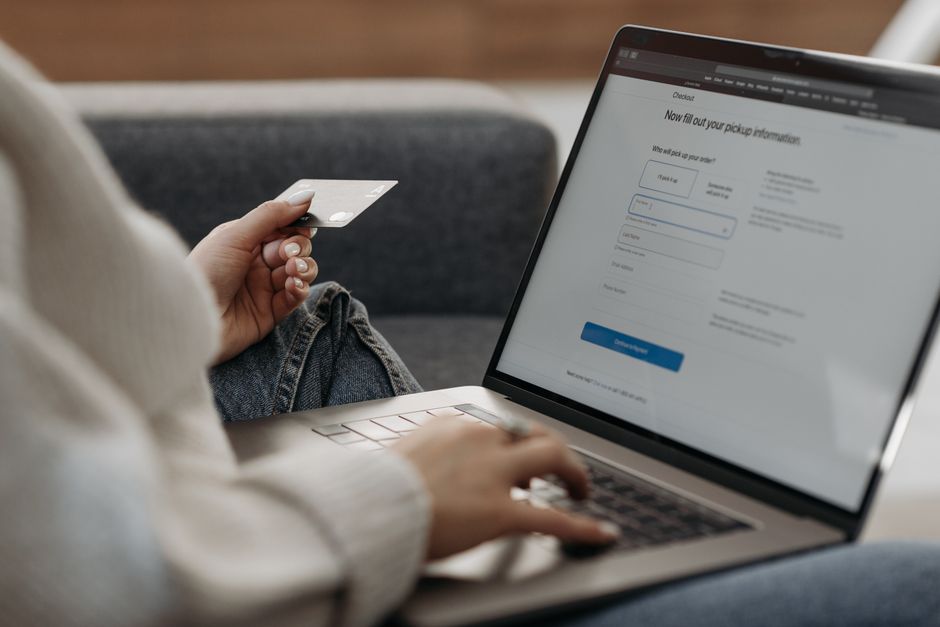
The payment flow is short and secure:
- Finish the application form and check every detail against your passport.
- Reach the payment page, where the €20 fee is shown clearly.
- Enter your card number, expiry and security code and complete any bank verification step such as a one-time code.
- Wait for the confirmation screen and the email containing your application number.
For the official flow, start at the official EU ETIAS portal and read about the payment stage in detail.
Pro tip: Tell your bank you are making an international online payment before you apply. A surprise foreign transaction is the most common reason a perfectly good card gets declined.
What to do if your ETIAS payment is declined
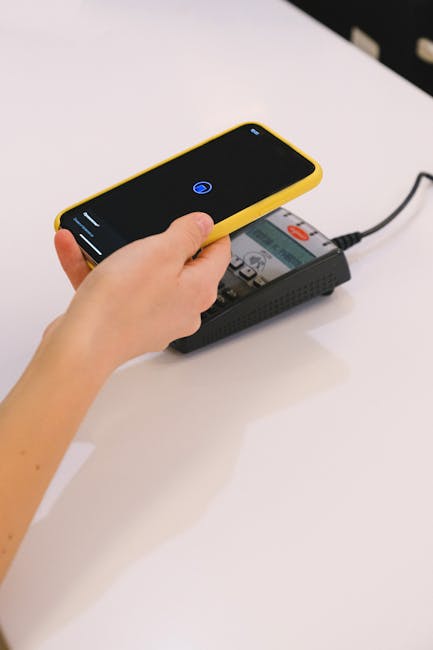
A declined payment does not mean your application is rejected — it simply has not been submitted yet. Common fixes include checking that your card allows international online transactions, confirming there are sufficient funds, re-entering the card details carefully, and completing the bank’s verification prompt. If one card fails, try another in your name. Mobile wallets may be offered depending on your device. If problems persist, our guide to ETIAS application errors and fixes lists the usual culprits.
Paying safely and avoiding overcharges

The fee is always €20 on the official EU system. Some third-party websites charge €60 to €90 for the same authorisation by adding a service fee, so confirm the URL before you type in card details. After paying, keep the confirmation email — it contains the application number you will need to check your processing status or resolve any query.
- Tip 1: Use a card in your own name with online payments enabled.
- Tip 2: Never pay more than €20; compare the official price against the SchengenVisaInfo ETIAS hub.
- Tip 3: Save the confirmation email and note your application number safely.
Security features built into the ETIAS payment
The payment step is protected by the same bank-grade security you expect from any reputable online checkout. When you submit your card, your bank may trigger a verification step — typically a one-time passcode sent by text or generated in your banking app — to confirm you authorised the transaction. This is normal and is a sign the system is working correctly, not a problem. Because the official portal processes the €20 directly, your card details are handled within the EU’s secure payment environment rather than passed to a middleman. The official EU ETIAS portal is the only place the genuine fee is charged, which is why confirming the web address before entering card data is the most important habit you can build.
Fraudulent imitation sites are the real payment risk, not the official process. They mimic the look of the genuine portal, charge inflated amounts, and sometimes harvest card details. The defence is simple: type the official address yourself rather than following an advert or an unsolicited link, and check that the price shown is €20 and not a padded figure. Our guide to spotting fake ETIAS websites shows the warning signs in detail.
Paying for families, groups and someone else
One of the most common questions is whether a single person can pay for several travellers. The answer is yes — a parent can complete and pay for a child’s application, and one member of a group can settle the fee for everyone using their own card, provided each person’s passport details are entered accurately. Each application still produces its own authorisation linked to that individual’s passport; only the payment is shared. This is particularly useful for families, where children under 18 are exempt from the fee anyway, so a household often pays only for its adults.
| Scenario | Can one card pay? | Fee |
|---|---|---|
| Two adults | Yes | €40 total |
| Two adults + two children | Yes | €40 (children free) |
| Group of adults | Yes | €20 each |
Whether you pay for one person or ten, keep every confirmation email. Each contains an application number that lets you track that specific application and resolve any later query without re-entering personal data. If a payment for one member of a group fails while others succeed, only that single application is held up — the rest proceed normally.
After you pay: what happens next
Once your €20 payment clears, the application moves straight into processing and you receive a confirmation email containing your unique application number. For most travellers an approval follows within minutes, although some cases are referred for review. Keep that confirmation email safe — it is your reference for checking status, resolving queries and proving you applied through the official channel. You do not need to print anything: the approved ETIAS is stored electronically and linked to your passport, so the border system reads it automatically when you travel. If you paid for several family members, you will receive a separate confirmation for each application, each with its own number. The SchengenVisaInfo ETIAS hub explains how to interpret the confirmation, and our guide to ETIAS processing time sets out what to expect after payment.
The bottom line
In short, paying for ETIAS is quick and secure when you stick to the official portal and a valid card in your own name. Visa and Mastercard debit and credit cards are widely accepted, the fee is a flat €20 per paying applicant, and one card can settle several family or group applications. Tell your bank to expect an international payment, complete any verification prompt, and save every confirmation email. Avoid imitation sites that pad the price, and you will move from form to approval without friction. For the authoritative position, always check the official EU ETIAS portal before you apply.
Related ETIAS guides
- ETIAS cost guide
- How to apply step by step
- ETIAS processing time
- Application errors and fixes
- Avoiding fake ETIAS sites
Frequently Asked Questions
What ETIAS payment methods are accepted?
Debit and credit cards from the major networks such as Visa and Mastercard are accepted, paid directly on the official EU portal.
How much is the ETIAS payment?
The fee is €20 per application, charged once. Applicants under 18 and over 70 are exempt and pay nothing.
Can I pay for my whole family with one card?
Yes. You can use a single card to pay the €20 fee for several applicants, such as family members travelling together.
Does my card need to be issued in Europe?
No. A valid card from your home country works as long as it is enabled for international online payments.
Why was my ETIAS payment declined?
Usually because the card blocks international transactions, lacks funds, or the bank verification step was not completed. Try again or use another card.
Is the ETIAS fee refundable?
The €20 is generally non-refundable because it pays for the security and processing checks, which run regardless of the result.
When is the ETIAS fee charged?
At the very end of the application, after you have filled in the form and reviewed your details. Your authorisation is processed once payment clears.
Can I pay the ETIAS fee in a currency other than euros?
The fee is set at €20. Your bank converts from your home currency automatically if your card is denominated differently, applying its usual exchange rate.
Will I be charged twice if I resubmit after a decline?
No. A declined payment is never completed, so no charge is taken. You are only charged once a payment succeeds and the application is submitted.
 English
  Shqip
Shqip  العربية
  Français
  ქართული
  עִבְרִית
  简体中文
简体中文  香港中文
香港中文  繁體中文
繁體中文  Español
  Português do Brasil
  日本語
日本語  한국어
한국어  Bahasa Melayu
  Українська
  Română
  Српски језик
  Türkçe