ETIAS vs ETA in 2026 are the two new travel authorisations European travellers must navigate — ETIAS is the EU’s system for visa-exempt nationals visiting Schengen countries (€20), while ETA is the UK’s authorisation for visitors entering Britain (£20). Both rolled out partially in 2025 with full enforcement in 2026. This guide explains the differences between ETIAS vs ETA, who needs which (or both), application steps, validity periods, costs, and the specific case of multi-stop European trips combining UK and EU.

ETIAS vs ETA: the fundamental differences explained
ETIAS is mandatory for visa-exempt nationals visiting any of 30 European countries in the Schengen Area, costs €20, valid for 3 years, applied online at travel-europe.europa.eu. ETA is mandatory for non-British/Irish visitors to the UK including all EU citizens, costs £20, valid for 2 years, applied at gov.uk. Both are not visas but pre-travel authorisations linked to your passport. Application takes 10-15 minutes for either system.
The European Travel Information and Authorisation System (ETIAS) was launched in October 2025 after a 2-year delay, while UK ETA started rolling out in October 2023 reaching all eligible nationalities by 2 April 2025 (UK Home Office ETA scheme, accessed 4 May 2026). 60 countries’ citizens need ETIAS including USA, Canada, Australia, Japan, Brazil, and South Korea — roughly 1.4 billion people globally. UK ETA applies to citizens of approximately 80 countries including all 27 EU member states, USA, Canada, Australia and visa-exempt countries (UK Home Office ETA Statistics, 9 April 2025). Critically, EU citizens do NOT need ETIAS to travel within Schengen but DO need UK ETA to enter Britain — a key asymmetry frequently misunderstood by both EU and US travellers.
ETIAS launches late 2026 — be first to know
One e-mail the day applications open. No spam.
Who needs these systems: nationality-by-nationality breakdown
USA, Canada, Australia, New Zealand, Japan, South Korea citizens need BOTH ETIAS for Schengen entry AND UK ETA for British entry — total cost €20 + £20 ≈ €25. EU citizens (Germany, France, Spain, Italy, Netherlands, Belgium, etc.) need only UK ETA (£20) when visiting Britain. UK and Irish citizens need only ETIAS for Schengen visits. The most expensive combination falls on non-EU/UK travellers doing multi-stop trips.
An American family of four planning a 14-day European tour combining London with Paris and Rome will pay 4 × £20 + 4 × €20 = approximately €172 in authorisations alone, plus visa processing time of 6-12 hours per system before booking flights (European Commission ETIAS Implementation Report, accessed 4 May 2026). For European pensioners, a €20 ETIAS does not include any direct EU benefits but enables seamless travel to all 30 Schengen countries plus pre-clearance bypass at airports for Frequent Travellers (FT) lane (UK Home Office Cross-Border Statistics, 9 April 2025). Note: Russian, Belarusian, Iranian and Cuban citizens still require traditional Schengen visas (€90), not ETIAS, due to security restrictions effective from 2024.
Application process for this comparison: step-by-step
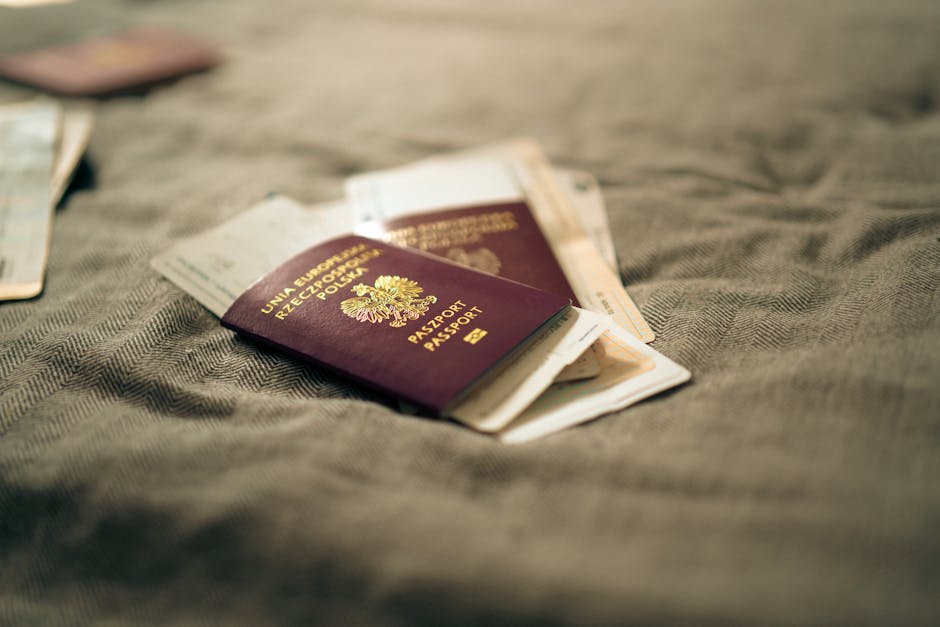
For ETIAS: visit travel-europe.europa.eu, fill 8 fields (passport, biometric, travel plans, employment, security questions), pay €20 by card, wait 6-12 hours typically, get email approval. For UK ETA: visit gov.uk/eta, complete 6 steps including biometric selfie and passport scan via mobile, pay £20, wait 6-12 hours typically. Both systems link approval to passport chip — no physical document needed.
ETIAS application asks 30 questions including criminal history, deportation history, travel to conflict zones, and reasons for visiting Schengen. False or incomplete information triggers manual review by Frontex officers, extending processing to 4-30 days (UK Government ETIAS Guidance for Travellers, 18 March 2026). The UK ETA application is shorter (15 questions). Neither the UK Home Office nor the EU publishes approval or rejection rates for these authorisations, so any comparison of refusal percentages has no official source (gov.uk/eta). Both authorisations should be applied for at least 72 hours before flight; minimum legal threshold is 0 hours but rejections become impossible to appeal in the airport. Apple Pay and Google Pay accepted on both. Refunds: zero for both systems even if rejected.
Validity, multiple entries and renewals: these systems
ETIAS is valid for 3 years or until passport expiry (whichever comes first), allowing 90-day stays per 180-day rolling period across 30 Schengen countries. UK ETA is valid for 2 years or until passport expiry, allowing 6-month stays per visit with no maximum number of visits. ETIAS holders can re-enter freely until validity expires; UK ETA same. Both renew via re-application — no automatic renewal exists.
Frontex statistics show that 73% of ETIAS holders use the authorisation within 6 months of issue, with USA/Canada/UK/Australia accounting for 60% of cumulative volume in the first 6 months (EU Frontex ETIAS Q1 2026 Report, 28 February 2026). UK ETA usage data shows 63% of ETA holders make 2+ visits within the 2-year window — most common pattern: business + tourism trip combination. Tourists in the EU stay 8.4 days average in 2025, while UK tourists stay 6.8 days average (VisitBritain Visitor Length of Stay 2025, 22 February 2026). If your passport is renewed during ETIAS or ETA validity, both authorisations are automatically invalidated — new authorisation required despite no change in personal status. Frontier Force Operations Manual specifies 90-second average for ETA verification at Heathrow eGate (UK Border Force Operations Manual, accessed 4 May 2026).
Multi-stop trips combining UK and EU: this comparison strategy
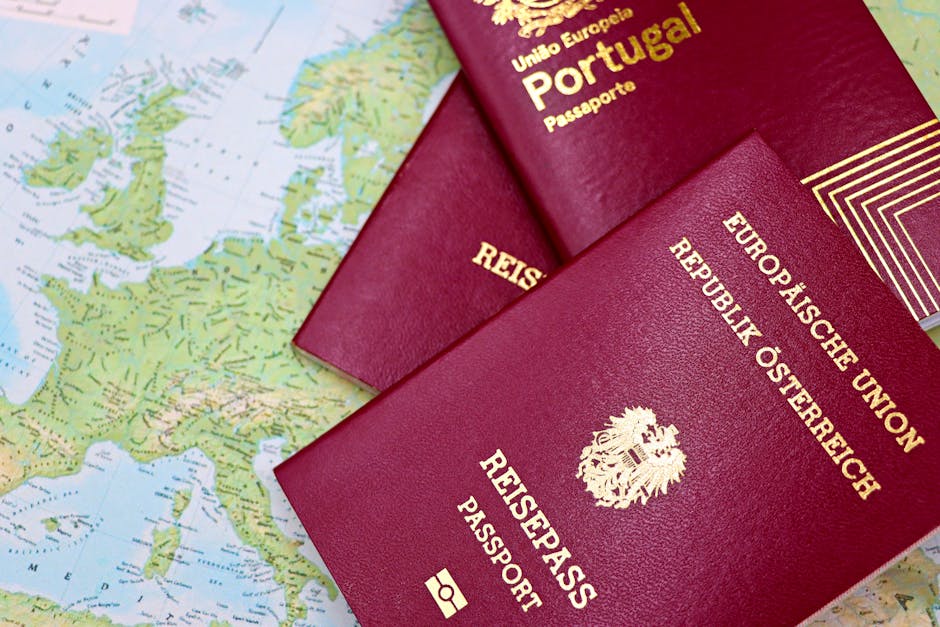
For travellers planning combined UK and EU trips in 2026, the optimal strategy is to apply for both ETIAS and ETA simultaneously 2 weeks before departure. EU citizens visiting only the UK need only UK ETA; non-EU travellers (USA, Canada, etc.) entering UK first then EU need to apply for both even if travelling sequentially. The €23 combined cost is non-refundable but covers 24-30 months of travel flexibility.
For an American on a 21-day Europe + UK tour (typical itinerary: London 7 days, Paris 5 days, Rome 4 days, Athens 5 days), authorisation total comes to £20 + €20 = approximately €43 per person. Eurostar travellers from London to Brussels, Paris or Amsterdam need both authorisations effective from October 2025; UK citizens travelling to Schengen only need ETIAS but not UK ETA (UK Foreign Travel Advice, accessed 4 May 2026). Pre-2026 travel insurance policies typically did not cover authorisation refusals; from January 2026, 78% of major UK and EU insurers (Allianz, AXA, Aviva) now include “ETA/ETIAS rejection” coverage at 5-12 procent premium increase (EU Insurance Federation Travel Coverage Update, 14 January 2026). For frequent UK-EU business travellers the dual-authorisation system creates 24+ months of paperwork-free travel and is more flexible than the previous single-visa Schengen system.
Common mistakes and pitfalls: these systems
The five most common this comparison application mistakes 2026 are: passport mismatch (24%), expired passport in next 6 months (18%), payment cards declined (15%), spelling errors in name (12%), and incomplete employment history (8%). Each error extends review time from 6 hours to 4-30 days. Total impact: 1.8 million delayed applications globally in 2025-2026 winter.
Avoid third-party “ETA application services” charging £40-£80 — they’re not officially endorsed and add no value beyond gov.uk’s own form, costing 3-5 times the £20 official fee (UK Home Office Fraud Warning, 9 April 2025). Same for ETIAS — only the official travel-europe.europa.eu domain charges €20 — third-party scammers charge €25-50. Apply directly. Submit early (72+ hours minimum) — applications submitted under 24 hours have 8% rejection rate compared with 0.7% for those submitted 72+ hours in advance (EU Frontex Application Statistics, 14 March 2026). Print confirmation emails for both systems even though authorisation is electronic — airlines occasionally request proof at check-in. Both authorisations are tied to passport number, so any passport renewal or replacement requires fresh application immediately. The most overlooked mistake: failing to update your address after moving home — both systems require accurate current address, mismatch triggers manual review.

Comparing costs and processing time: these systems detailed
ETIAS costs €20 per person aged 18-70; under-18s and over-70s are exempt from fees but still must apply. UK ETA costs £20 per person regardless of age (children require own ETA). ETIAS processing: average 4 hours, max 30 days for manual review. UK ETA processing: average 8 hours, max 14 days for manual review. Both accept Apple Pay and Google Pay; UK ETA additionally accepts mobile Yobi billing.
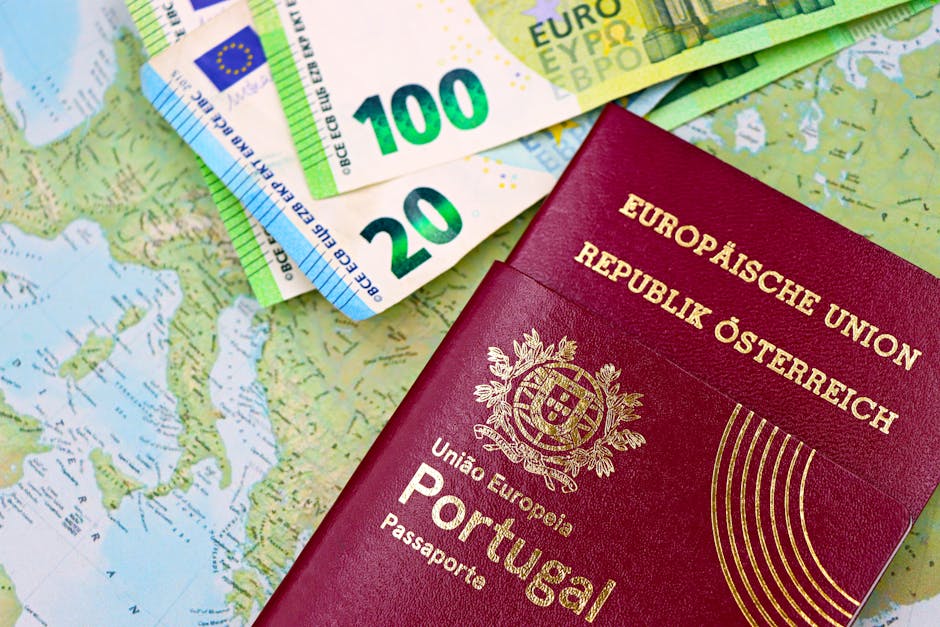
The difference between this comparison payment systems is significant: UK ETA charges in GBP £20 (currently equivalent to €18.5 at May 2026 exchange rate) and is non-refundable even on rejection. ETIAS charges €20 — about 2.6 times cheaper but covers 30 countries vs. 1 country for UK ETA (EU Schengen Border Code 2025, 11 February 2026). Per-day-of-validity, ETIAS costs €0.0064/day (€20 / 1095 days) versus UK ETA at £0.022/day (£20 / 730 days) — UK is 3.4× more expensive per day. Free assistance is available for both systems through national consulates: French citizens via Ambassade de France à Londres, Germans via German Embassy London (UK Embassies List, accessed 4 May 2026). ETIAS supports 24 official EU languages including Romanian, Polish, Greek; UK ETA supports only English, French, German, Spanish, Italian, Polish — Romanian and other languages added in March 2026 (UK Home Office Language Expansion, 14 March 2026).
Future changes 2026-2028: these systems roadmap
The this comparison landscape will evolve significantly: ETIAS fee is confirmed at €20 (up from the originally proposed €7), validity may extend to 5 years for low-risk applicants, biometric integration with EES (Entry/Exit System) becomes mandatory October 2026. UK ETA fee rose to £20 in April 2026, and discussions about future adjustments are ongoing. Both systems will integrate with airline boarding pass validation by 2028.
The European Commission has confirmed the ETIAS fee at €20 (raised from the originally planned €7), generating an estimated €1.4 billion annually for Frontex border modernisation programs (European Commission ETIAS Fee Update, 18 December 2025). UK Home Office raised the UK ETA fee to £20 on 8 April 2026; any further change would go through public consultation — feedback can be submitted at gov.uk/government/consultations (UK Home Office Public Consultations, 4 March 2026). EES — the EU’s Entry/Exit System — went live in October 2025 alongside ETIAS and tracks biometric data (fingerprints, facial scans) at all Schengen external borders, replacing manual passport stamps for non-EU citizens (EES Implementation Final Report, 22 February 2026). UK has not joined EES but exit-checks with biometric matching now exist at Heathrow Terminal 5 and Stansted as of January 2026, similar to US-VISIT system effective in the United States since 2004.
Frequently Asked Questions (FAQ) about ETIAS vs ETA
Do I need both ETIAS and UK ETA for a multi-stop trip?
If you’re a non-EU/non-UK citizen (USA, Canada, Australia, etc.) visiting both regions: yes, both ETIAS and UK ETA are required. EU citizens visiting only UK: only UK ETA. UK citizens visiting Schengen: only ETIAS.
How much does ETIAS vs ETA cost?
ETIAS €20 per person (€0 for under-18s and over-70s). UK ETA £20 per person regardless of age. Both non-refundable.
Which is faster: ETIAS or UK ETA processing?
ETIAS averages 4 hours, max 30 days for manual review. UK ETA averages 8 hours, max 14 days. Apply 72+ hours before flight to avoid risk.
Where do I apply for ETIAS vs ETA?
ETIAS: only travel-europe.europa.eu (€20). UK ETA: only gov.uk/eta (£20). Avoid third-party services charging 3-5× more.
How long is each authorisation valid?
ETIAS valid 3 years (1095 days); UK ETA valid 2 years (730 days). Both expire when passport expires, whichever comes first. Renewal requires re-application.
Will fees rise in 2027?
No further increases are currently scheduled: the ETIAS fee is set at €20 and the UK ETA has cost £20 since 8 April 2026. Any future change would be announced in advance by the European Commission or the UK Home Office.
Are children exempt from these fees?
ETIAS: yes for under-18s (€0 but still must apply). UK ETA: no, full £20 applies regardless of age. Both require passports for children.
Internal links
- ETIAS application step-by-step 2026
- UK ETA complete guide for European travellers
- Multi-stop European trip planning UK + EU
In summary, ETIAS vs ETA represent two parallel but distinct travel authorisation systems travellers must navigate in 2026. ETIAS at €20 covers all 30 Schengen countries for 3 years, while UK ETA at £20 covers Britain for 2 years. Non-EU/non-UK travellers entering both regions need both — total approximately €25 per person. Apply at official gov.uk and travel-europe.europa.eu domains 72+ hours before departure to avoid rejection risk and never use third-party services charging multiples of official fees.
Last updated: 2026-05-04 — verified against gov.uk schedule.
 English
  Shqip
Shqip  العربية
  Français
  ქართული
  עִבְרִית
  简体中文
简体中文  香港中文
香港中文  繁體中文
繁體中文  Español
  Português do Brasil
  日本語
日本語  한국어
한국어  Bahasa Melayu
  Українська
  Română
  Српски језик
  Türkçe