This healthcare travelers Europe guide covers everything you need to know about traveling to Europe with ETIAS in 2026, including requirements, costs, and tips.
European art museums guide: Key Takeaways
- ETIAS does not include health insurance – travelers must arrange their own medical coverage
- European hospitals provide high-quality care but treatment costs for non-EU visitors can be significant
- Travel insurance with medical coverage of at least €30,000 is strongly recommended for Schengen travel
- Pharmacies across Europe are well-stocked and pharmacists can provide basic medical advice
- The emergency number 112 works in all EU countries for ambulance, fire, and police services
European Healthcare Standards
This healthcare travelers Europe guide provides the latest 2026 information. Europe maintains some of the highest healthcare standards in the world. Countries like France, Germany, Switzerland, and the Netherlands consistently rank among the top global healthcare systems. Even less wealthy European nations provide quality medical care that meets international standards. For travelers, this means that competent medical assistance is available throughout the Schengen Area.
| ETIAS factor | Detail | Cost / Time 2026 | For travellers |
|---|---|---|---|
| Application fee | EU Commission | €20 | Free for under 18 / over 70 |
| Processing time | Standard online | Minutes to 4 days | Apply 96 hours ahead |
| Validity | Multiple entry | 3 years or passport expiry | Whichever comes first |
| Maximum stay | Per 180-day period | 90 days | Schengen rolling rule |
| Coverage area | 30 European countries | Single authorisation | EU + Schengen-associated |
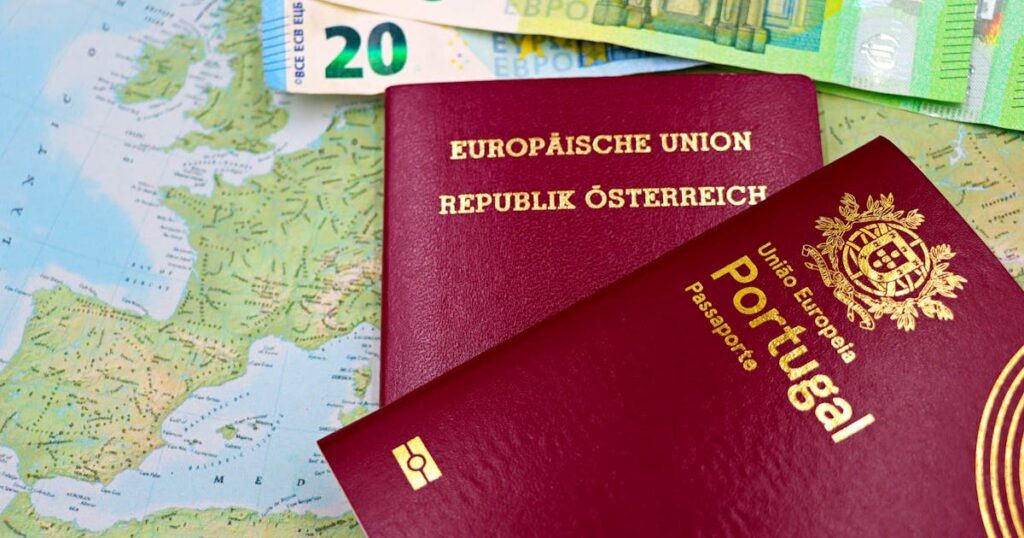
Most European cities have modern hospitals with English-speaking staff, particularly in emergency departments and tourist areas. Rural areas may have more limited English capabilities, but medical care quality remains high. International travelers should feel confident that medical emergencies will be handled professionally anywhere in the Schengen Area.
ETIAS launches late 2026 — be first to know
One e-mail the day applications open. No spam.
ETIAS and Health Insurance Requirements
Unlike the Schengen visa, which formally requires travel insurance with minimum €30,000 medical coverage, ETIAS does not mandate health insurance. However, border officers may ask about your insurance coverage, and not having it could complicate your entry. More importantly, medical treatment in Europe can be extremely expensive for uninsured non-EU visitors.
A simple emergency room visit can cost €500–€1,000 without insurance. A hospital stay with treatment can quickly reach €5,000–€20,000 or more. Surgery or specialized treatment could cost tens of thousands of euros. Travel insurance typically costs €30–€80 for a two-week European trip and provides peace of mind that is well worth the investment.
Choosing the Right Travel Insurance
When selecting travel insurance for European travel, look for policies that include emergency medical treatment with a minimum coverage of €30,000 (matching Schengen visa requirements is good practice), emergency medical evacuation, repatriation to your home country if needed, coverage for pre-existing conditions if applicable, and 24/7 assistance hotline with multilingual support.
Understanding European art museums guide requirements helps ensure smooth travel planning for your European trip in 2026.

Compare policies from reputable insurance providers and read the fine print regarding exclusions. Some policies exclude adventure sports, pre-existing conditions, or alcohol-related incidents. If you plan activities like skiing, hiking, or water sports in Europe, ensure your policy specifically covers these activities. Annual multi-trip policies may be more cost-effective for frequent travelers.
Pharmacies Across Europe
European pharmacies are excellent resources for travelers with minor health issues. Pharmacists in Europe typically have extensive training and can recommend over-the-counter medications for common ailments like colds, headaches, digestive issues, and minor injuries. In many countries, pharmacists can provide treatments that would require a prescription in the United States or other non-European countries.
Pharmacies are easily identified by the green cross symbol used across Europe. Most cities have at least one pharmacy open 24 hours or on a rotating after-hours schedule. Pharmacy staff in tourist areas usually speak English. Prices for common medications are generally reasonable and often lower than in North America.
Emergency Medical Services: What to Know
The universal emergency number 112 works in all EU and Schengen countries for ambulance, fire, and police services. Operators can typically communicate in English and will dispatch the appropriate emergency service. In addition to 112, some countries have specific medical emergency numbers: France uses 15 (SAMU), Germany uses 112 (integrated), and Italy uses 118.
In a medical emergency, go directly to the nearest hospital emergency department or call 112 for an ambulance. Emergency treatment cannot be refused regardless of your insurance status or nationality. However, you will be billed for services rendered, which is why insurance is so important. Keep your insurance policy number and the insurer’s emergency contact number easily accessible at all times.
For the latest updates on European art museums guide policies, always check official European Union travel authorization sources before your departure.
Traveling with Medications
If you take regular medications, bring enough supply for your entire trip plus extra in case of travel delays. Keep medications in their original labeled containers with a letter from your doctor explaining the prescription. Some medications that are legal in your home country may be controlled substances in European countries, so research restrictions before traveling.
For prescription refills while in Europe, you generally need to visit a local doctor who can issue a European prescription. This is another area where travel insurance proves valuable, as it covers doctor consultations needed for prescription renewals. Some cross-border prescription recognition exists within the EU, but this does not extend to non-EU prescriptions.
Related ETIAS Articles
Learn more about ETIAS and European travel:
Official Sources & References
- Official ETIAS Website – European Commission
- EU Healthcare Information
- 112 – European Emergency Number
Frequently Asked Questions
Does ETIAS include health insurance?
No. ETIAS is a travel authorization only. It does not include any form of health or travel insurance. You must arrange your own medical coverage before traveling to Europe.
Can I see a doctor in Europe without insurance?
Yes, you can access medical care without insurance, but you will be responsible for the full cost. Emergency treatment cannot be refused, but you will receive a bill afterward. Having insurance protects you from potentially significant unexpected medical expenses.
Is tap water safe to drink across Europe?
In most Western and Northern European countries, tap water is safe and of excellent quality. In some Southern and Eastern European locations, bottled water may be recommended. When in doubt, ask locally or stick to bottled water.
What vaccinations do I need for European travel?
No specific vaccinations are required for entry to Schengen countries. However, ensure your routine vaccinations are up to date. Tick-borne encephalitis vaccination is recommended if you plan outdoor activities in forested areas of Central and Eastern Europe.
Practical guide to ETIAS travel preparation
Effective European travel preparation begins with understanding ETIAS requirements. ETIAS (European Travel Information and Authorisation System) launches in late 2026 for citizens of approximately 60 visa-exempt countries including USA, Canada, UK, Australia, Japan, and South Korea. The fee is €20 for adults aged 18-70, free for those under 18 or over 70. Processing is fast — most applications are approved within minutes, but plan for up to 96 hours (4 days) for cases requiring manual review. Apply via the official EU ETIAS portal only — third-party services charging additional fees should be avoided.
For payment via the official ETIAS portal, all major Visa, Mastercard and AMEX cards are accepted globally. Have your passport, payment card and travel information ready before starting — the application takes approximately 10 minutes. The system asks about previous travel history, health declarations, criminal history (within 10-20 years depending on offense), and Schengen entry refusals. Honest declaration is critical — false statements lead to permanent denial and may affect future visa applications to other countries.
Once approved, ETIAS authorises multiple entries for 3 years (or until your passport expires, whichever comes first). The 90/180 Schengen rule still applies — you can stay maximum 90 days within any 180-day rolling period across all 30 ETIAS-required countries combined. ETIAS does NOT replace your need to follow this rolling period rule. Your authorisation is electronically linked to your passport — getting a new passport invalidates ETIAS, requiring re-application at €20. Keep approval email digitally and on paper as backup.
European travel tips and cultural awareness
European countries vary significantly in culture, language, and social norms. Mediterranean countries (Italy, Spain, Greece) have later meal times — dinner often after 21:00, with shops closing 13:30-17:00 for siesta. Northern European countries (Germany, Netherlands, Scandinavia) value punctuality strictly — being even 5 minutes late is considered rude. Tipping varies: France and Italy include service charge in restaurants (no extra needed), while Germany and Netherlands appreciate 5-10%. Card payments are widely accepted but cash is preferred in smaller establishments, especially in southern Europe.
For local transport, Eurail or Interrail passes offer flexibility for multi-country trips — €420 for 5 days in 1 month for adults. Major cities have excellent metros: Paris, Berlin, Madrid, Rome, Vienna, Amsterdam, Stockholm. Budget airlines (Ryanair, easyJet, Wizz Air, Vueling) offer cheap flights between cities, but watch baggage fees. For long-distance trains, the OBB-Nightjet sleeper trains connect major capitals. ETIAS countries include Schengen Area members plus Bulgaria, Romania (since 2024), Croatia, Cyprus and several non-EU members like Iceland, Norway, Switzerland, Liechtenstein.
Frequently asked questions about ETIAS
When does ETIAS launch and is it required now?
ETIAS launches in late 2026 for visa-exempt travellers to most European countries. The exact launch date is being confirmed by the EU Commission. Currently no application is required — you can travel to ETIAS-required countries visa-free under existing rules. We recommend bookmarking the official EU ETIAS portal and applying as soon as it goes live for your planned trip.
How much does ETIAS cost?
ETIAS costs €20 per person for adults aged 18-70. It is free for travellers under 18 years old or over 70 years old. The fee is paid online during application via Visa, Mastercard or AMEX. There are no extra fees if you apply directly via the official EU ETIAS portal. Beware of third-party websites charging “service fees” up to €80 — these are unnecessary and explicitly discouraged.
How long is ETIAS valid?
ETIAS is valid for 3 years from approval (or until your passport expires, whichever comes first). It permits multiple entries to all 30 ETIAS-required European countries. You can stay up to 90 days within any 180-day rolling period across all participating countries combined. This 90/180 rule is independent of ETIAS — it applies to all visa-exempt travellers regardless of authorisation type.
Which countries require ETIAS?
ETIAS applies to 30 European countries: all 27 EU member states except Ireland (Schengen rules apply to all), plus Norway, Iceland, Liechtenstein, Switzerland (Schengen-associated), and Cyprus. Ireland is NOT included as it is not part of Schengen — separate UK and Ireland travel rules apply. Always verify the latest list on the official EU ETIAS portal as countries may join or modify their participation.
Do US citizens need ETIAS?
Yes, all US passport holders will need ETIAS for travel to any of the 30 ETIAS-required European countries. The €20 fee applies to all US travellers aged 18-70. ETIAS is similar to the US ESTA system that the US requires for most international visitors — a pre-screening electronic authorisation. Currently US citizens travel to Europe visa-free, and ETIAS will add this online pre-screening step but does not replace the 90-day stay limit.
What if my application is denied?
If your ETIAS is denied, you will receive an email with the specific reason. Common rejection grounds include: prior immigration violations, incomplete travel history declarations, criminal record matches, or watch-list flags from EU databases (SIS, VIS, Europol, Interpol). You can appeal the decision or apply for a Schengen visa (€80) at the relevant embassy. Appeals must be filed within 30 days of rejection through the EU ETIAS portal.
 English
  Shqip
Shqip  العربية
  Français
  ქართული
  עִבְרִית
  简体中文
简体中文  香港中文
香港中文  繁體中文
繁體中文  Español
  Português do Brasil
  日本語
日本語  한국어
한국어  Bahasa Melayu
  Українська
  Română
  Српски језик
  Türkçe