Applying for ETIAS authorization is a streamlined digital process designed to be accessible to all eligible travelers. Understanding how to apply for ETIAS ensures you complete your application correctly and avoid processing delays. This comprehensive step-by-step guide walks you through every stage of the ETIAS application process, from initial registration through final approval. Learning how to apply for ETIAS takes just 15 minutes, and most travelers receive approval within hours.
Step 1: Access the Official ETIAS Portal
To begin your ETIAS application, visit the official European Commission ETIAS portal. Ensure you use only the official government website to protect your personal information and avoid scams. The portal is accessible 24/7 and available in multiple languages. Click the “Apply for ETIAS” button to start your application. The official portal features secure encryption protecting all personal data you submit. Never use third-party websites claiming to offer ETIAS applications, as these are often fraudulent.
The portal design is intuitive, guiding you through each section systematically. Multiple language options ensure non-English speakers can complete ETIAS applications comfortably. The website is optimized for both desktop and mobile devices. Initial page load is quick, and navigation is straightforward, making ETIAS applications accessible to users of varying technical proficiency.
ETIAS launches late 2026 — be first to know
One e-mail the day applications open. No spam.
Step 2: Create Your Online Account
The first requirement when you apply for ETIAS is establishing a personal account. You’ll need a valid email address to create your ETIAS account. Choose a strong password combining uppercase and lowercase letters, numbers, and special characters. ETIAS account security is essential as you’ll store sensitive personal information here. You’ll receive a confirmation email to activate your account before proceeding with ETIAS applications.
After account creation, you can save incomplete ETIAS applications and return later if needed. This flexibility means you can gather required documents without rushing. ETIAS account holders receive status updates via email throughout the application process. Your account also stores all previous ETIAS applications and authorizations, simplifying future travel planning.
Step 3: Complete Your Biographical Information
When you apply for ETIAS, you’ll provide detailed personal information matching your passport exactly. This section requires your full name, date of birth, nationality, and gender. Accuracy is critical when you apply for ETIAS, as discrepancies can cause processing delays or application rejection. Enter your information exactly as it appears on your passport. ETIAS verification systems cross-reference your biographical details against passport databases.
This section also requires your passport number and issue/expiration dates. The passport you use to apply for ETIAS must be the same one you’ll use for European travel. ETIAS systems automatically validate passport numbers against official records. If information doesn’t match your actual passport, contact support before submitting to apply for ETIAS.
Step 4: Provide Travel Plans

When you apply for ETIAS, specify your intended travel dates and primary destination. You’re not locked into exact dates; approximate travel windows suffice. ETIAS requires naming at least one Schengen country you’ll visit. If visiting multiple countries, list your entry point and any other planned destinations. This information helps ETIAS systems conduct appropriate security screening. You can apply for ETIAS for future travel up to 12 months in advance.
Travel purpose selection is important when you apply for ETIAS. Options include tourism, business, visiting friends/family, or medical treatment. Your stated purpose doesn’t restrict your actual activities but supports risk assessment. ETIAS systems analyze travel patterns to identify inconsistencies or security concerns. Being honest about travel intentions when you apply for ETIAS ensures smooth processing.
Step 5: Answer Security and Health Questions
The ETIAS application includes mandatory security and health screening questions. When you apply for ETIAS, honestly answer all questions about criminal history, security threats, or health conditions. These questions determine your eligibility and risk profile. ETIAS systems cross-check answers against international databases. Providing false information when you apply for ETIAS can result in application rejection or entry bans.
Health questions specifically address communicable diseases and serious conditions. When you apply for ETIAS, these questions aren’t barriers for most travelers but essential for public health assessment. ETIAS doesn’t deny authorization based on health status alone but may flag cases for additional review. Answer truthfully to avoid application complications when you apply for ETIAS.
Step 6: Review Your Information and Submit
Before finalizing your ETIAS application, carefully review all entered information. When you apply for ETIAS, the review stage displays your complete application for verification. Check spelling, dates, and passport numbers against your travel documents. Any errors at this stage can delay processing, so attention to detail matters significantly. ETIAS allows editing information before submission.
Once satisfied with accuracy, agree to ETIAS terms and conditions and submit your application. The submission is final, though you can request corrections if errors are discovered afterward. ETIAS systems timestamp your submission and generate a unique application reference number. Save this reference number for tracking your ETIAS application status.
Step 7: Payment Processing
ETIAS applications require a €20 fee for most applicants. When you apply for ETIAS, payment occurs through secure online systems accepting major credit cards and debit cards. Ensure your payment method has sufficient funds to complete the ETIAS transaction. Payment processing is instantaneous, and you’ll receive confirmation immediately after. The €20 ETIAS fee is non-refundable regardless of outcome.
Children under 18 and adults over 70 may qualify for ETIAS fee reductions or exemptions. When you apply for ETIAS in these categories, the system adjusts fees automatically. Some countries’ citizens receive ETIAS reciprocity reductions. The payment gateway is secure and encrypted, protecting your financial information when you apply for ETIAS.
Step 8: Receive Your ETIAS Approval

After you apply for ETIAS, processing typically occurs within minutes to 4 calendar days. Most applications receive approval automatically without additional review. ETIAS systems send approval confirmation via email to your registered address. Your approved ETIAS authorization links digitally to your passport biometric data. You don’t receive a physical document; ETIAS is entirely digital and accessible through your account.
Once ETIAS approval arrives, you’re authorized to travel to the Schengen zone. The authorization is valid for three years from issue date, covering multiple entries. When you apply for ETIAS and receive approval, you can book flights and accommodations with confidence. Your ETIAS authorization is checked automatically at border controls using passport scanning systems.
Troubleshooting Common Application Issues
If your ETIAS application faces issues, several solutions typically resolve them. Connection timeouts during submission require restarting the application. Browser compatibility matters; use recent Chrome, Firefox, Safari, or Edge versions. Clear cookies and cache if pages load incorrectly. If payment fails, contact your bank to ensure card clearance before reattempting. ETIAS support offers assistance for technical problems or application-specific questions.
Application errors usually relate to data entry mistakes. Double-check passport numbers and birthdates for accuracy. Ensure email addresses are correctly formatted. Some characters may not process; use simplified entries if needed. If problems persist after multiple attempts, contact ETIAS customer support with your application reference number.
After Approval: What’s Next?
Once you receive ETIAS approval, no additional action is required before European travel. Simply present your passport at Schengen borders; officers scan your passport and verify ETIAS status automatically. Carry printed confirmation emails or screenshots for reference, though not legally required. ETIAS approval is linked to your passport biometrics, making it instantly verifiable. You can begin European travel immediately upon approval.
For subsequent European trips within the three-year validity period, no new ETIAS application is necessary. Your original authorization covers multiple entries. However, if you change passports, you’ll need a new ETIAS authorization linked to your new passport. Plan renewal well in advance to avoid travel delays.
Conclusion
Learning how to apply for ETIAS is straightforward, requiring just 15 minutes and minimal documentation. Following these eight steps ensures you complete your application correctly and receive timely approval. The digital process is user-friendly and accessible globally. By applying for ETIAS early, you secure authorization months before travel, eliminating last-minute stress. Start your ETIAS application today through the official European Commission portal and prepare for seamless European travel in the Schengen zone.
Practical ETIAS tips for a smooth European trip
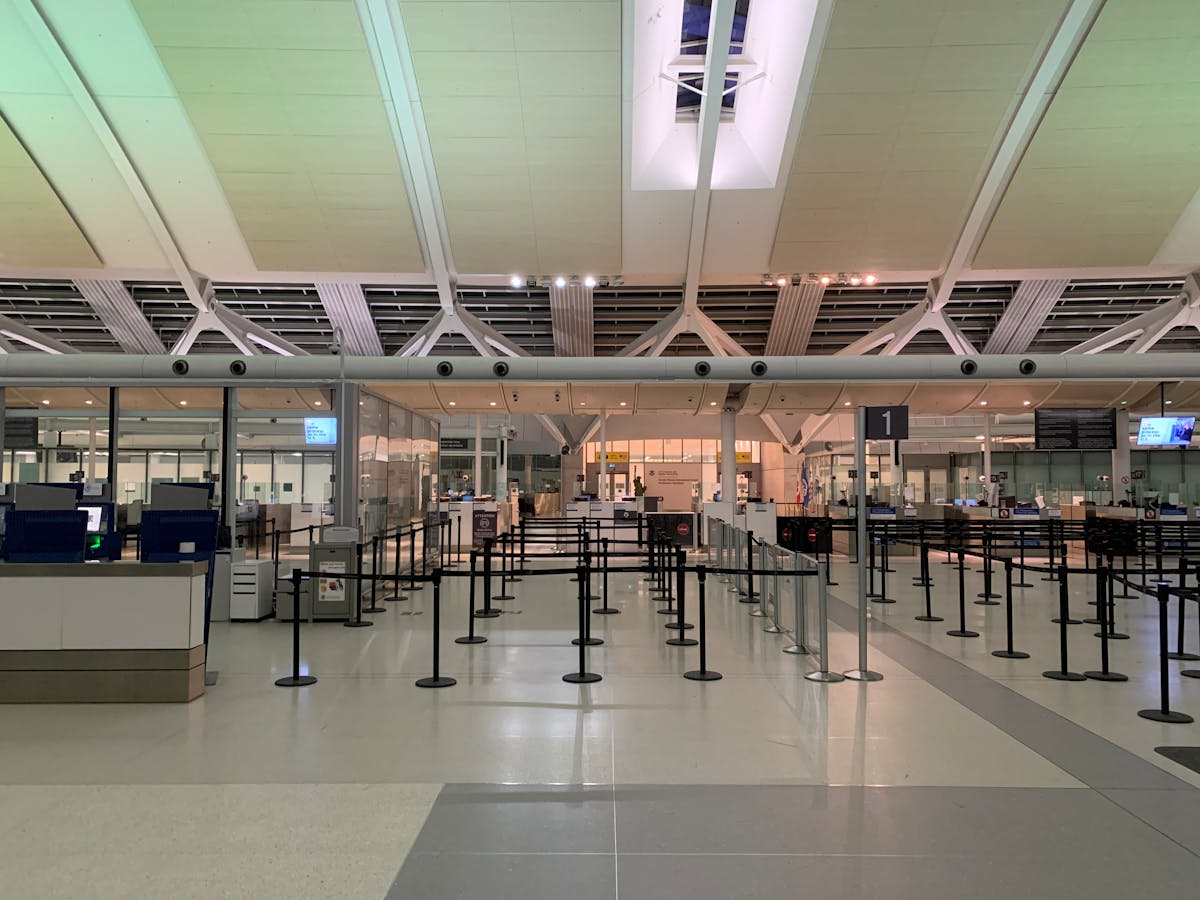
Obtaining your ETIAS authorization is only the first step. To avoid border delays and make the most of your European journey, plan ahead, gather the right documents, and understand how the Schengen rules interact with the new travel system.
What to pack in your travel documents folder
Bring a printed copy of your ETIAS approval email, your passport (the same one you used during the application), proof of return travel, hotel or accommodation bookings, and evidence of sufficient funds for the duration of your stay. Border officers in Schengen states retain the right to request these items even when ETIAS has been granted electronically.
Understanding the 90/180 rule with ETIAS
ETIAS does not change the fundamental Schengen rule: non-EU nationals can stay up to 90 days within any rolling 180-day period. A three-year ETIAS does not mean you can stay three years — it means you can make multiple short trips during that window. Use the official Schengen calculator on the European Commission website to track your remaining days before each new trip.
Travelling between Schengen and non-Schengen countries
Several European countries are not in the Schengen area: Ireland, Cyprus, Romania (as of 2026), and the United Kingdom. Entering these countries from a Schengen state counts as exiting Schengen, which restarts certain time-tracking calculations. Plan your itinerary with the Schengen map in mind and always carry both your ETIAS authorization and any country-specific permits you may need (such as the UK ETA).
Frequently asked questions about ETIAS
How long does ETIAS processing really take?
Most applications are decided within minutes of submission. However, the European Commission recommends applying at least 96 hours before departure because a small percentage of applications require manual review, which can extend processing to up to 30 days.
Does my child need a separate ETIAS?

Yes. Every traveler, regardless of age, must hold their own ETIAS tied to their individual passport. Parents and guardians can complete the application on behalf of minors, but the authorization is linked to the child’s own travel document.
What happens if my passport is renewed during the ETIAS validity period?
ETIAS is electronically linked to the specific passport you used in the application. If you renew your passport, you must reapply for a new ETIAS, even if the original is still within its three-year validity. Always check this before booking travel.
Can I work with an ETIAS?
No. ETIAS is a travel authorization for short-term visits related to tourism, business meetings, conferences, medical treatment, family visits, or transit. Any form of paid employment requires a national work visa from the Schengen country where the work will take place.
What if my ETIAS application is rejected?
You will receive an explanation and the right to appeal to the issuing country. You can also reapply after addressing the reason for refusal, or apply for a traditional Schengen visa, which is processed by individual member states and involves a more detailed assessment.
Final pre-departure checklist
- Valid passport with at least three months remaining beyond your planned exit date
- ETIAS approval email printed or saved offline
- Proof of accommodation and return travel
- Travel insurance including medical coverage within the Schengen area
- European plug adapter (types C, E, F depending on country) and a power bank
With ETIAS, a well-packed document folder, and a clear understanding of the Schengen 90/180 rule, your European journey will start at the airport gate — not at passport control.

 English
  Shqip
Shqip  العربية
  Français
  ქართული
  עִבְרִית
  简体中文
简体中文  香港中文
香港中文  繁體中文
繁體中文  Español
  Português do Brasil
  日本語
日本語  한국어
한국어  Bahasa Melayu
  Українська
  Română
  Српски језик
  Türkçe