Do you need ETIAS to visit Switzerland? Yes — once ETIAS launches, travellers from visa-exempt non-EU countries will need it, but as of October 2026 it is not yet in operation and no applications are being accepted. Switzerland is one of Europe’s most captivating destinations, drawing millions of visitors each year with its rich history, world-class culture, and unforgettable experiences. Once the system launches, visitors from visa-exempt non-EU countries will need an approved ETIAS (European Travel Information and Authorisation System) travel authorization before their trip. The EU will announce the start date several months in advance.
This guide covers everything you need to know about visiting Switzerland with ETIAS — from entry requirements and top attractions to practical travel tips, budgeting advice, and neighborhood recommendations. Whether it’s your first visit or a return trip, this guide will help you plan an unforgettable experience in Switzerland.
| ETIAS factor | Detail | Cost / Time 2026 | For travellers |
|---|---|---|---|
| Application fee | EU Commission | €20 | Free for under 18 / over 70 |
| Processing time | Standard online | Minutes to 4 days | Apply 96 hours ahead |
| Validity | Multiple entry | 3 years or passport expiry | Whichever comes first |
| Maximum stay | Per 180-day period | 90 days | Schengen rolling rule |
| Coverage area | 30 European countries | Single authorisation | EU + Schengen-associated |
📋 Key Takeaways
- ETIAS will be required for visa-exempt non-EU visitors to Switzerland once it launches — as of October 2026 it is not yet in operation
- Switzerland is in the Schengen Area (but not EU) — ETIAS will be required once it launches
- Best time to visit: June–September for hiking, December–March for skiing
- Budget: Expensive
- Recommended stay: 5–7 days for a comprehensive Swiss itinerary covering cities and mountain regions
- Currency: Swiss franc (CHF)
ETIAS Requirements for Visiting Switzerland
Switzerland is a member of the Schengen Area, which means travelers from visa-exempt countries (including the US, UK, Canada, Australia, Japan, and 50+ other nations) will need ETIAS before arrival once the system launches.
ETIAS launches late 2026 — be first to know
One e-mail the day applications open. No spam.

Applying for ETIAS is simple:
- Once ETIAS launches, apply online only at the official ETIAS portal or via the mobile app
- Provide your passport details, contact information, and answer security questions
- Pay the €20 fee (travelers aged 18–70; free for under-18s, over-70s and eligible family members of EU citizens)
- Get a decision — most applications are expected to be processed within minutes; otherwise within 4 days (96 hours), extendable by up to 14 days if more information is requested or up to 30 days if you are invited to an interview
Your ETIAS will be valid for 3 years (or until your passport expires, whichever comes first) and covers all 30 European countries that require it — the 29 Schengen countries plus Cyprus — not just Switzerland. This means you can combine your Switzerland trip with visits to neighboring Schengen destinations on the same authorization.
Top Attractions and Things to Do in Switzerland
Switzerland offers a remarkable range of experiences for every type of traveler. Here are the must-see highlights:
Iconic Landmarks and Sights
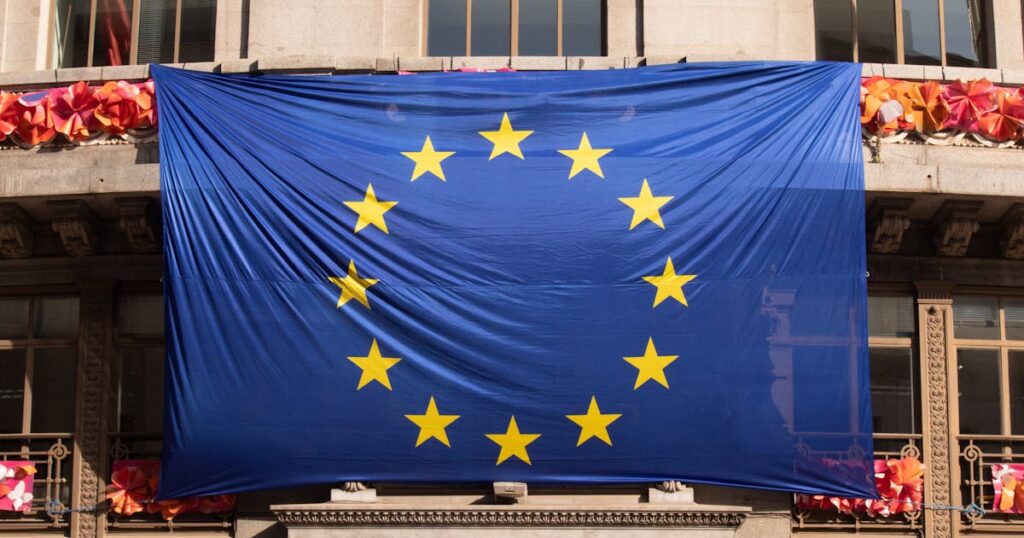
The most celebrated attractions in Switzerland include Matterhorn and Zermatt, Jungfraujoch (Top of Europe), Lake Geneva and Montreux, Lucerne and Chapel Bridge, Interlaken, Bern’s Old Town (UNESCO), and the Glacier Express scenic train. These landmarks represent centuries of Swiss history and culture, and many are UNESCO World Heritage Sites.
Best Neighborhoods to Explore
Beyond the famous sights, Switzerland’s neighborhoods offer distinct character and charm: Zurich’s Old Town and Bahnhofstrasse, Geneva’s lakefront and Jet d’Eau, Lucerne’s medieval center, and Bern’s arcaded old town. Exploring these areas on foot is the best way to discover the authentic local atmosphere that makes Switzerland so special.
Food and Dining in Switzerland
Swiss cuisine includes fondue, raclette, rösti, chocolate (visit Maison Cailler), and regional specialties varying between German, French, and Italian-speaking areas.
Dining tips for visitors:
- Lunch is often better value than dinner — many restaurants offer fixed-price lunch menus at significantly reduced prices
- Eat where locals eat — venture beyond tourist areas for better quality and lower prices
- Try local specialties — every neighborhood has its own culinary traditions worth exploring
- Tap water is safe to drink in Switzerland
Getting Around Switzerland
Arriving in Switzerland
The main airport is Zurich (ZRH) and Geneva (GVA). With ETIAS, your travel authorization is checked by the airline before boarding and again at the border. Ensure your ETIAS confirmation is accessible on your phone or email.
Local Transportation
Switzerland has an excellent public transport system: Swiss Travel Pass for unlimited train, bus, and boat travel. Switzerland has one of the world’s most efficient and scenic rail networks.
Switzerland is NOT in the EU but IS in the Schengen Area, so ETIAS will be required once it launches. The Swiss franc (not euro) is the currency — bring a card with low foreign transaction fees.
Best Day Trips from Switzerland
Switzerland serves as an excellent base for exploring the surrounding region. Popular day trips and excursions include:

Virtually every Swiss city serves as a base for mountain excursions. Popular trips include Jungfraujoch from Interlaken, Rhine Falls from Zurich, and Chamonix (France) from Geneva.
All of these destinations are within the Schengen Area, so your single ETIAS authorization covers travel to all of them. No additional permit is needed for day trips within the Schengen zone, but France and several other countries have temporarily reintroduced internal border checks, so always carry your passport. Every day spent in the Schengen area counts towards the 90/180-day limit.
Budget and Trip Planning
How Much Does a Trip to Switzerland Cost?
Expensive. Budget €100–150/day (CHF equivalent), mid-range €200–350/day. The Swiss Travel Pass can save significant money on transport. Prices vary by season, with peak summer months commanding premium rates for accommodation and attractions.
Recommended Length of Stay
5–7 days for a comprehensive Swiss itinerary covering cities and mountain regions. Remember that under the Schengen 90/180-day rule, your total stay across all Schengen countries cannot exceed 90 days within any 180-day period.
Best Time to Visit
The ideal time to visit Switzerland is June–September for hiking, December–March for skiing. Average temperatures range from Summer: 18–25°C in valleys, 5–15°C in mountains. Winter: −2–5°C in valleys, −10–−2°C at altitude. Shoulder seasons offer the best combination of pleasant weather, smaller crowds, and reasonable prices.
Practical Travel Tips for Switzerland
- Language: The primary language is German, French, Italian, and Romansh, but English is widely spoken in tourist areas, hotels, and restaurants.
- Currency: Swiss franc (CHF) is used in Switzerland. Exchange money at banks or use ATMs, and carry some local currency for smaller establishments.
- Safety: Switzerland is generally very safe for tourists. The main concerns are petty theft (pickpocketing) in crowded tourist areas. Keep valuables secure and be alert on public transport.
- SIM cards and Wi-Fi: Consider purchasing a local or European SIM card at the airport for data access. Most hotels, cafes, and restaurants offer free Wi-Fi.
- Tipping: Tipping customs vary by location. A 5–10% tip for good restaurant service is generally appreciated.
- ETIAS tip: Once ETIAS launches, apply well before your departure — most decisions should take minutes, but some can take up to 4 days, or longer if extra information or an interview is requested. Keep your confirmation email accessible on your phone throughout your trip.
Related ETIAS Articles
Learn more about ETIAS and European travel:
Frequently Asked Questions
Do I need ETIAS to visit Switzerland?
Yes, if you are a citizen of a visa-exempt country (US, UK, Canada, Australia, Japan, etc.), you will need an approved ETIAS travel authorization once the system launches. As of October 2026, ETIAS is not yet in operation and no applications are being accepted; the EU will announce the start date several months in advance. Switzerland is part of the Schengen Area, and ETIAS will be required for all Schengen countries plus Cyprus.
How many days should I spend in Switzerland?
5–7 days for a comprehensive Swiss itinerary covering cities and mountain regions. This gives you enough time to explore the main attractions, enjoy local food and culture, and take at least one day trip to the surrounding area.
What is the best time of year to visit Switzerland?
The best time to visit is June–September for hiking, December–March for skiing. These periods offer pleasant weather, manageable crowds, and good availability at hotels and restaurants. Summer (July–August) is peak tourist season with higher prices and larger crowds.
Can I use my ETIAS to visit other countries besides Switzerland?
Yes. One ETIAS will cover all 30 European countries that require it — the 29 Schengen countries plus Cyprus. You can combine your Switzerland trip with visits to any other Schengen country without additional travel authorization. Many visitors pair Switzerland with nearby destinations for a multi-city European itinerary.
Is Switzerland expensive to visit?
Expensive. Budget €100–150/day (CHF equivalent), mid-range €200–350/day. The Swiss Travel Pass can save significant money on transport. Costs depend heavily on your travel style, season, and accommodation choices. Traveling in shoulder season, eating at local restaurants, and using public transport can significantly reduce expenses.
Official Sources & References
- ETIAS Official Portal – European Commission’s official ETIAS information page, where applications will be submitted once ETIAS launches
- Schengen Area Information – EU Home Affairs page on Schengen borders and visa policy
Practical guide to ETIAS travel preparation
Effective European travel preparation begins with understanding ETIAS requirements. ETIAS (European Travel Information and Authorisation System) is not yet in operation as of October 2026; once it launches, it will apply to citizens of approximately 60 visa-exempt countries including USA, Canada, UK, Australia, Japan, and South Korea. The fee is €20 for adults aged 18-70, free for those under 18 or over 70. Processing is fast — most applications are approved within minutes, but plan for up to 96 hours (4 days) for cases requiring manual review. Once ETIAS launches, you will apply online through the official website travel-europe.europa.eu/etias or the official ETIAS mobile app.
The €20 fee will be paid online by payment card as part of the application. Have your passport, an email address and a payment card ready before starting (you don’t need to upload bookings or an itinerary) — the application takes approximately 10 minutes. The form also asks for your education and occupation, the country of your first intended stay, and background questions covering criminal convictions, stays in conflict zones and previous decisions ordering you to leave an EU/Schengen country — there are no health questions. Honest declaration is critical — serious doubts about the accuracy of your information are a ground for refusal in their own right, and false information can also lead to an ETIAS being annulled or revoked and to refusal of entry.
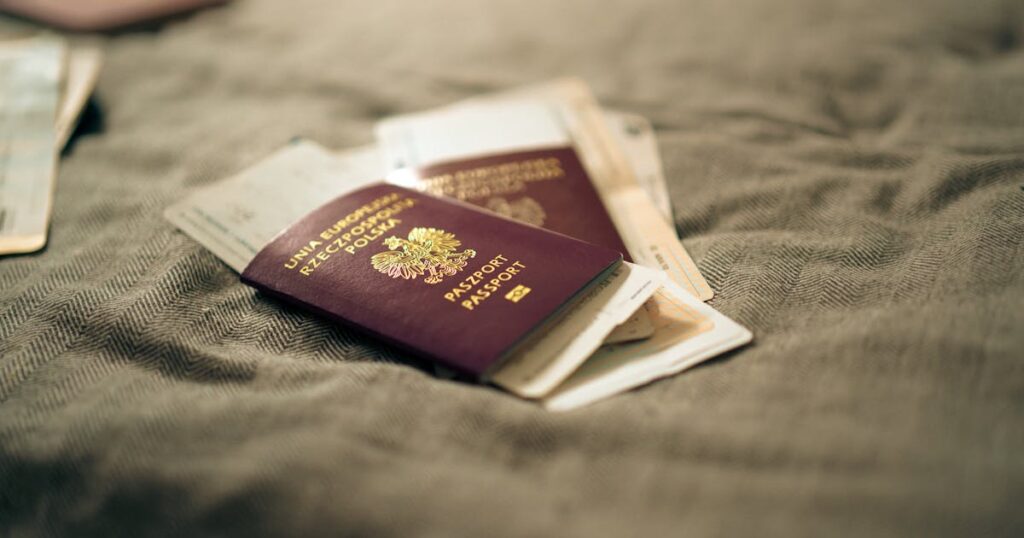
Once approved, ETIAS authorises multiple entries for 3 years (or until your passport expires, whichever comes first). The 90/180 Schengen rule still applies — you can stay maximum 90 days within any 180-day rolling period across all 30 ETIAS-required countries combined. ETIAS does NOT replace your need to follow this rolling period rule. Your authorisation is electronically linked to your passport — getting a new passport invalidates ETIAS, requiring a new application (€20 for applicants aged 18-70). Keep approval email digitally and on paper as backup.
European travel tips and cultural awareness
European countries vary significantly in culture, language, and social norms. Mediterranean countries (Italy, Spain, Greece) have later meal times — dinner often after 21:00, with shops closing 13:30-17:00 for siesta. Northern European countries (Germany, Netherlands, Scandinavia) value punctuality strictly — being even 5 minutes late is considered rude. Tipping varies: France and Italy include service charge in restaurants (no extra needed), while Germany and Netherlands appreciate 5-10%. Card payments are widely accepted but cash is preferred in smaller establishments, especially in southern Europe.
For local transport, Eurail or Interrail passes offer flexibility for multi-country trips — €420 for 5 days in 1 month for adults. Major cities have excellent metros: Paris, Berlin, Madrid, Rome, Vienna, Amsterdam, Stockholm. Budget airlines (Ryanair, easyJet, Wizz Air, Vueling) offer cheap flights between cities, but watch baggage fees. For long-distance trains, the OBB-Nightjet sleeper trains connect major capitals. ETIAS will be required for 30 European countries: the 29 Schengen countries (including non-EU Iceland, Norway, Switzerland and Liechtenstein) plus Cyprus.
Frequently asked questions about ETIAS
When does ETIAS launch and is it required now?
ETIAS will apply to visa-exempt travellers to 30 European countries, but as of October 2026 it is not yet in operation and no applications are being accepted. The EU has not yet announced an exact start date and will announce it several months in advance. Currently no application is required — you can travel to ETIAS-required countries visa-free under existing rules. We recommend bookmarking the official EU ETIAS portal and applying as soon as it goes live for your planned trip.
How much does ETIAS cost?
ETIAS costs €20 per person for adults aged 18-70. It is free for travellers under 18 years old or over 70 years old. The fee will be paid online by payment card as part of the application. Applying directly on the official website, travel-europe.europa.eu/etias, costs €20; any extra fee charged by an intermediary website goes to that intermediary. Official EU websites always use the europa.eu domain.
How long is ETIAS valid?
ETIAS is valid for 3 years from approval (or until your passport expires, whichever comes first). It permits multiple entries to all 30 ETIAS-required European countries. You can stay up to 90 days within any 180-day rolling period across all participating countries combined. This 90/180 rule is independent of ETIAS — it applies to all visa-exempt travellers regardless of authorisation type.
Which countries require ETIAS?
ETIAS will apply to 30 European countries: 26 EU member states (all except Ireland), including Cyprus, which is not yet a full Schengen member, plus the Schengen-associated countries Norway, Iceland, Liechtenstein and Switzerland. Ireland is NOT included as it is not part of Schengen — separate UK and Ireland travel rules apply. Always verify the latest list on the official EU ETIAS portal as countries may join or modify their participation.
Do US citizens need ETIAS?
Yes, US citizens don’t need a visa and will need ETIAS for short stays in any of the 30 ETIAS-required European countries once it launches — but not every US passport holder. Exceptions include dual citizens of an EU country or Ireland (who must travel on that passport), holders of residence permits, residence cards or long-stay visas from an ETIAS country, and holders of diplomatic passports. The €20 fee applies to US travellers aged 18–70 unless they are exempt, for example as eligible family members of EU citizens. ETIAS is similar to the US ESTA system that the US requires for most international visitors — a pre-screening electronic authorisation. Currently US citizens travel to Europe visa-free, and ETIAS will add this online pre-screening step but does not replace the 90-day stay limit.
What if my application is denied?
If your ETIAS is denied, you will receive an email with the specific reason. Under the ETIAS Regulation, an application is refused if you use a travel document reported in SIS as lost, stolen or invalid; pose a security, illegal-immigration or high epidemic risk; have a SIS alert for refusal of entry; don’t provide requested information in time or miss an interview; or if there are serious doubts about the truthfulness of your information. Database hits lead to a manual review rather than an automatic refusal. You can appeal the decision or apply for a Schengen visa (€80) at the relevant embassy. Appeals must be filed within 30 days of rejection through the EU ETIAS portal.
 English
 Shqip
 العربية
 Français
 ქართული
 עִבְרִית
 简体中文
 香港中文
 繁體中文
 Español
 Português do Brasil
 日本語
 한국어
 Bahasa Melayu
 Українська
 Română
 Српски језик
 Türkçe