ETIAS is not yet in operation and the EU has not announced a launch date (it will do so several months in advance). Once it launches, apply at least a few days before you travel — ideally before you book flights. Most approvals arrive within minutes, but the rules allow up to 30 days, so never leave your €20 application until the airport. This guide explains exactly when to apply and why timing matters.
TL;DR: Knowing when to apply for ETIAS is simple: apply as soon as the system opens (no launch date has been announced yet) and before booking non-refundable travel. Budget for approval within minutes in most cases, but allow up to 30 days if your application is flagged. One authorisation lasts three years.
| Quick Facts | Detail (2026) |
|---|---|
| Earliest you can apply | When ETIAS opens; launch date not yet announced |
| Recommended lead time | Before booking flights; days before travel |
| Typical decision | Minutes; up to 30 days if reviewed |
| Fee | €20 (free under 18 and over 70) |
| Validity | 3 years or until passport expires |
Getting the timing right removes almost all last-minute stress. The official EU guidance on who should apply stresses that you should hold a valid authorisation before you travel, not scramble for one at check-in. Start with our what is ETIAS guide and the 2026 requirements so you know what you are applying for.
ETIAS launches late 2026 — be first to know
One e-mail the day applications open. No spam.

When can you first apply for ETIAS?
You can first apply for ETIAS only once the system goes live, but the EU has not yet announced a launch date and will do so several months in advance. ETIAS is not yet in operation, so no applications can be submitted anywhere today. As soon as it launches, applying early is the safest choice because your authorisation lasts three years.
There is no benefit to waiting. The moment the portal opens, you can apply, and your authorisation stays valid for three years or until your passport expires, whichever comes first. The EU ETIAS portal is where the EU will announce the launch date, several months in advance. Track the exact date through our ETIAS launch date guide and the official launch timeline.
Consider a family from Chicago booking a summer 2027 holiday. If they apply the week ETIAS opens, their approval covers that trip and every European trip for the next three years. One €20 fee, done well ahead.
How early before your trip should you apply?
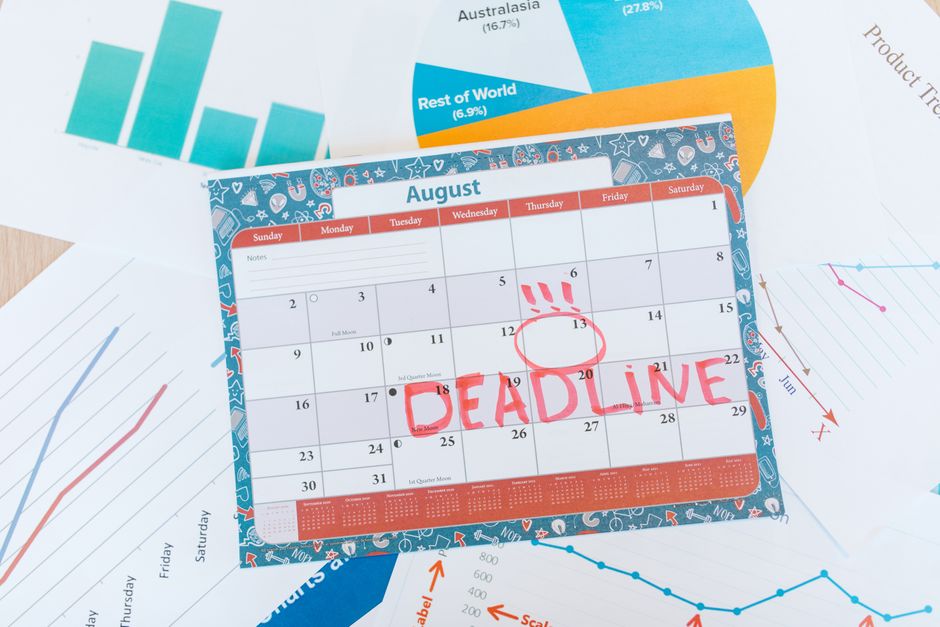
Apply well before departure — at minimum several days, and preferably before you pay for flights and hotels. While most ETIAS decisions are expected within minutes once the system is running, the regulation permits up to 30 days when an application needs manual review, so early filing protects your booking money.
The danger is a delayed decision colliding with a non-refundable flight. Book first, get flagged, and you could lose the fare. The EU travel information page advises travellers to sort entry documents before finalising plans. See likely wait times in our approval timeline guide and processing time explainer.
- Check your passport first. ETIAS is tied to it, so renew a soon-to-expire passport before applying.
- Apply before booking. Ideally hold your approval before paying for non-refundable flights.
- Allow up to 30 days. Most people wait minutes, but plan as if a review could take weeks.
- Save the approval email. Keep it with your travel documents for the whole three-year validity.
Why “when to apply for ETIAS” is really about your passport
The best time to apply for ETIAS is right after any passport renewal, because the authorisation is electronically linked to a single passport. If your passport expires, your ETIAS expires with it — even if the three years are not up — so aligning the two saves you a repeat €20 application.
This catches people out. Renew your passport mid-trip-planning and your old ETIAS is void. The EU ETIAS explainer confirms the link between authorisation and passport. Our validity duration guide shows how the three-year clock and passport expiry interact, and the cost guide spells out the €20 fee.
Pro tip: If your passport has under three years left, apply for ETIAS anyway — but note the exact expiry. A retiree whose passport lapses in 18 months will get an ETIAS valid for those 18 months only, then must reapply after renewing. Plan the renewal first if you can.
Applying before you book flights
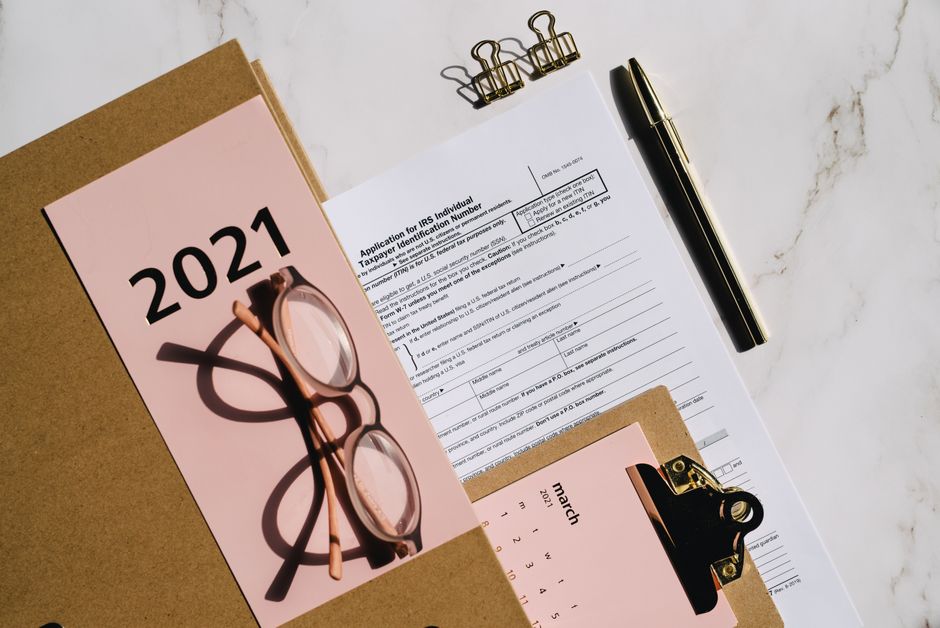
Applying before you book is the single smartest habit for 2026 travellers: it means a rare delayed decision never costs you an airfare. Since most approvals are instant and the fee is only €20, there is no downside to holding your authorisation before you commit to dates. Airlines will check for a valid ETIAS at boarding, so it pays to be ready.
| Scenario | When to apply | Risk if you wait |
|---|---|---|
| Planned holiday | Before booking flights | Lost fare if decision is delayed |
| Last-minute trip | Immediately, before travel day | Denied boarding without approval |
| Frequent traveller | Once, at launch | None — valid three years |
| Passport renewed | After the new passport arrives | Old ETIAS becomes invalid |
Hunting for fares? Read our cheap flights to Europe guide, but sort your authorisation first with the step-by-step application guide and the fuller 2026 application walkthrough.
The grace period: applying in the first months
For a transitional grace period after launch, travellers without ETIAS may still be admitted in limited cases, but you should not rely on it — apply as soon as you can. The EU has signalled a phased rollout, and the safest approach is to treat ETIAS as mandatory from your first trip after it launches.
Grace periods are a safety net, not a plan. The European Commission set the €20 fee and confirmed the phased approach in July 2025. Understand the transitional window in our grace period guide, then keep the whole trip on track with our complete travel checklist.
Practical timing tips for 2026 and 2027
Good timing comes down to three habits: renew your passport first, apply before you book, and keep your approval email safe for the full three years. Follow those and the question of when to apply for ETIAS answers itself — early, once, and stress-free.
- Renew a short-dated passport before applying — your ETIAS validity cannot outlast your passport.
- Apply the week the portal opens if you travel often. See the launch date guide.
- Never apply on the day you fly — a manual review can take up to 30 days.
- Apply on the official ETIAS website or app once it opens, and know the requirements and €20 cost before you start.

Frequently Asked Questions
When to apply for ETIAS before a trip?
Apply well before departure, ideally before you book non-refundable flights. Most decisions come within minutes, but the rules allow up to 30 days for review, so a buffer of several days protects your plans and your money.
Can I apply for ETIAS right now in 2026?
Not yet. As of October 2026, ETIAS is not in operation and no applications are being accepted. The EU has not announced a launch date and will publish it several months in advance. Once the official ETIAS website and app open, apply promptly.
How early is too early to apply for ETIAS?
There is no “too early” once the system is live. Because the authorisation lasts three years or until your passport expires, applying as soon as the portal opens is ideal — provided your current passport will still be valid for the trip.
What happens if my ETIAS is delayed?
Most applications are approved within minutes, but some are referred for manual checks that can take up to 30 days. If you applied before booking, a delay costs you nothing. If you left it late, you may have to change or lose travel plans.
Should I apply before or after booking flights?
Before, whenever possible. Holding a valid ETIAS before you pay for non-refundable travel means a rare delayed decision never puts your fare at risk. Airlines also check for approval at boarding.
Do I need to reapply for each trip?
No. One ETIAS covers unlimited trips for up to three years, as long as your passport stays valid. Frequent travellers only need to apply once, then reuse the same authorisation across the Schengen area.
Does ETIAS cost more if I apply last minute?
No. The fee is a flat €20 whenever you apply, and free for applicants under 18 and over 70. Applying early does not cost more or less — it simply reduces the risk of a delayed decision affecting your trip.
What if I renew my passport after getting ETIAS?
Your ETIAS is linked to one passport, so a new passport means applying again for €20. The best time to apply is right after a passport renewal, so your authorisation matches the document you will travel on.
Sources and author
Written by Anna Reinholt, Travel Documentation Editor at europe-visa.eu. This article is general guidance; it is not an official EU source. Once ETIAS is operating, you will be able to apply directly on the official ETIAS website or in the official ETIAS app.
Last updated: 2026-10-26 — checked against the official EU ETIAS website.
 English
 Shqip
 العربية
 Français
 ქართული
 עִבְרִית
 简体中文
 香港中文
 繁體中文
 Español
 Português do Brasil
 日本語
 한국어
 Bahasa Melayu
 Українська
 Română
 Српски језик
 Türkçe