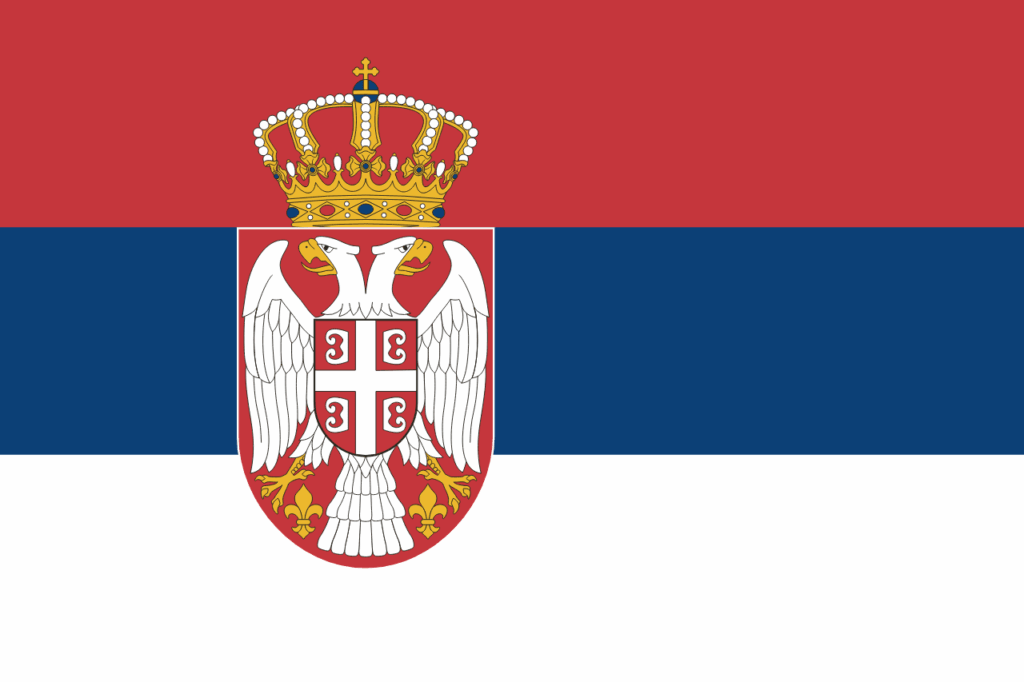
ETIAS for Serbian citizens is the new European Travel Information and Authorisation System that Serbians will need before traveling to the Schengen Area starting in 2026. This comprehensive guide covers everything Serbian passport holders need to know about the ETIAS application process, costs, requirements, and travel tips for visiting Europe.
📋 Key Takeaways for Serbian Citizens
- ETIAS is required for all Serbian passport holders visiting the Schengen Area from 2026
- Fee: €20 per person (approximately 2,350 RSD) — travelers under 18 or over 70 are exempt
- Validity: 3 years or until passport expiry
- Stay: Up to 90 days within any 180-day period
- Processing: Most applications approved within minutes
- Coverage: All 30 Schengen Area countries with one authorization
Do Serbian Citizens Need ETIAS for Europe?
Yes. All Serbian passport holders will need a valid ETIAS travel authorization before entering any of the 30 Schengen Area countries. As an EU candidate country, Serbia’s citizens have enjoyed visa-free Schengen access since 2009. ETIAS adds a brief online registration step to this existing privilege.
ETIAS launches late 2026 — be first to know
One e-mail the day applications open. No spam.
An estimated 1.2 million Serbians traveled to Europe in 2023. ETIAS is not a visa — it is an electronic pre-travel screening system similar to Schengen visa-free regime (since 2009). Serbia citizens will continue to enjoy visa-free access to Europe; ETIAS simply adds a quick online registration step before departure.
The EU established ETIAS under EU Regulation 2018/1240 to enhance border security while maintaining visa-free travel for eligible countries including Serbia.
⚡ ETIAS Quick Facts for Serbian Citizens
| Fee | €20 (approximately 2,350 RSD) |
| Validity | 3 years or until passport expiry |
| Maximum Stay | 90 days per 180-day period |
| Processing Time | Usually within minutes (up to 72 hours) |
| Countries Covered | 30 Schengen Area nations |
| Age Exemptions | Under 18 and over 70 (free) |
| Application | 100% online — no embassy visit |
How to Apply for ETIAS as a Serbian Citizen
The ETIAS application process is straightforward and entirely online. Here is what Serbian citizens need:
What You Need to Apply
- Valid Serbian biometric passport (must be valid for at least 3 months beyond your planned stay)
- Email address for confirmation and correspondence
- Payment method (credit or debit card) for the €20 fee
- Basic personal information (name, date of birth, address)
Step-by-Step ETIAS Application Process
- Visit the official ETIAS portal at the EU website
- Fill in personal details from your Serbian biometric passport
- Answer security questions about health, criminal history, and previous travel
- Pay the €20 fee (approximately 2,350 RSD) via credit or debit card
- Receive your ETIAS — most applications are approved within minutes
- Travel to Europe — your ETIAS is electronically linked to your passport
ETIAS Cost for Serbian Citizens
The ETIAS fee is €20 per application, which is approximately 2,350 RSD at current exchange rates. This fee covers:
- 3 years of validity (or until passport expiry)
- Unlimited entries to all 30 Schengen countries
- Stays of up to 90 days per 180-day period
Fee exemptions: Travelers under 18 years old and over 70 years old do not need to pay the ETIAS fee. The authorization is free for these age groups.
Learn more about costs and fee exemptions in our detailed ETIAS cost guide.
ETIAS Requirements and Documents for Serbian Citizens
To successfully apply for ETIAS, Serbian citizens must meet the following ETIAS requirements:
- Valid Serbian biometric passport with at least 3 months remaining validity
- Machine-readable passport with biometric data
- No previous visa overstays or immigration violations in the Schengen Area
- No serious criminal record that would pose a security risk
- Active email address for receiving your ETIAS confirmation
- Debit or credit card for payment (Visa, Mastercard accepted)
Popular European Destinations for Serbian Travelers
Serbians traveling to Europe with ETIAS can visit any of the 30 Schengen countries. The most popular European destinations for Serbian travelers include:
- Vienna, Austria
- Budapest, Hungary
- Prague, Czech Republic
- Munich, Germany
- Rome, Italy
- Paris, France
- Barcelona, Spain
- Zurich, Switzerland
All Schengen destinations are covered by a single ETIAS authorization. View the complete list of ETIAS countries to plan your European itinerary.
The 90/180-Day Rule for Serbian Citizens
With ETIAS, Serbian citizens can stay in the Schengen Area for a maximum of 90 days within any 180-day rolling period. This rule applies across all 30 Schengen countries combined.
Example for Serbian travelers: If you arrive in Europe on January 1 and stay for 90 consecutive days (until March 31), you must wait until July 1 before you can return for another 90-day period. Learn more about ETIAS validity and duration rules.
The 90/180 rule is calculated on a rolling basis, not in fixed calendar periods. Use a Schengen visa calculator to track your remaining days.
What If Your ETIAS Application Is Denied?
While most ETIAS applications are approved quickly, Serbian citizens may be denied for reasons including security concerns, incomplete information, or previous immigration violations.
If your ETIAS is denied or rejected, you can:
- Appeal the decision to the EU member state that processed your application
- Correct any errors and reapply if the denial was due to incorrect information
- Apply for a standard Schengen visa at the nearest embassy as an alternative
Frequently Asked Questions: ETIAS for Serbian Citizens
Do Serbian citizens need ETIAS?
Yes. Serbian biometric passport holders who currently enjoy visa-free Schengen access will need an approved ETIAS authorization starting in 2026.
How much does ETIAS cost for Serbians?
The ETIAS fee is €20 (approximately 2,350 RSD). Travelers aged 18-70 must pay; those under 18 or over 70 are exempt.
Do I need a biometric passport for ETIAS?
Yes. Only Serbian biometric passport holders are eligible for visa-free travel and ETIAS. Non-biometric passport holders need a Schengen visa.
Will ETIAS affect Serbia’s EU accession process?
No. ETIAS is a border security measure for all non-EU nationals. It does not affect Serbia’s EU membership negotiations.
Can Serbians work in the Schengen Area with ETIAS?
No. ETIAS is for short visits only (tourism, business, transit). Employment requires a national work visa from the specific country.
How long can Serbian citizens stay in the Schengen Area?
Up to 90 days within any 180-day period across all Schengen countries combined.
Related ETIAS Guides
- What is ETIAS? — Complete overview of the European Travel Authorization
- ETIAS Application Guide — Step-by-step application instructions
- ETIAS Requirements — Full list of documents and eligibility criteria
- ETIAS Countries — All 30 Schengen nations covered by ETIAS
- ETIAS FAQ — Answers to the most common ETIAS questions
Sources: European Commission — ETIAS Official Website | EU Regulation 2018/1240
Last updated: March 2026
 English
  Shqip
Shqip  العربية
  Français
  ქართული
  עִבְרִית
  简体中文
简体中文  香港中文
香港中文  繁體中文
繁體中文  Español
  Português do Brasil
  日本語
日本語  한국어
한국어  Bahasa Melayu
  Українська
  Română
  Српски језик
  Türkçe