Їдете до Європи цим літом? Очікуйте повільнішого кордону, ніж ви пам'ятаєте. З того часу, як Система в'їзду/виїзду ЄС стала повністю працювати на 10 квітня 2026, Черги EES на кордоні виросли в зайнятих аеропортах та портах, тому що кожний відвідувач не з ЄС повинен зареєструвати свої відбитки пальців та фото при першому в'їзді. Кожна перевірка займає 1–2 хвилини, але обсяги накопичуються швидко.
TL;DR: Черги на кордоні найдовші в липні та серпні 2026 року, оскільки мільйони туристів, які вперше їдуть, реєструють біометричні дані одночасно. Індивідуальні перевірки займають 1–2 хвилини, проте в часи пікових прильотів залали очікування можуть сильно накопичуватися. Подорожуйте в позапікові часи, майте при собі всі паспорти готові та передбачте більший запас часу, ніж у 2024 році.
Ключові факти в двох словах
ETIAS запускається наприкінці 2026 року — будьте серед перших, хто дізнається
Одне повідомлення в день, коли відкриються заявки. Без спаму.
- Діє з: повна робота EES розпочалась 10 квітня 2026 року в 29 європейських країнах (Європейська комісія).
- Час перевірки: перевірка кордону для кожного пасажира має займати 1–2 хвилини, але очікування при прибутті можуть бути довшими (Уряд Великобританії).
- Чому виникають черги: при першому записі до системи реєструються обличчя, чотири відбитки пальців і дані паспорта перед тим, як ви пройдете.
- Фінансування Великої Британії: уряд виділив Eurostar, Eurotunnel та Port of Dover по £3,5 мільйона кожному на кіоски та зони обробки (Уряд Великобританії).
- Наступне: ETIAS (€20) очікується в останньому кварталі 2026 року, додаючи крок перед поїздкою (портал EU ETIAS).

Що спричиняє черги на кордоні EES влітку 2026?
Черги на кордоні EES накопичуються, тому що 2026 — це перший повний сезон подорожей під час біометричної реєстрації, тому майже кожен прибуваючий відвідувач повинен завершити двох-п'ятихвилинну першу реєстрацію в одні й ті ж часи максимального навантаження. Сама перевірка коротка; проблема у натовпі першоразових відвідувачів.
За старою системою паспортний штамп ставили за секунди. Тепер самообслуговуючий кіоськ сканує ваш документ, захоплює ваше обличчя та зчитує чотири відбитки пальців, перш ніж офіцер підтверджує запис. Помножте це на чотири рейси, які приземляються разом, і з'являється черга, яка просто не існувала в 2024 році. Як тільки ваші дані будуть в файлі, подальші поїздки будуть швидкими — але літо 2026 року застане майже всіх під час їхнього першого проходження через новий кордон. Наш посібник реєстрації першої поїздки розповідає про кожний крок.
Які аеропорти та порти мають найгірші черги в EES?
Найдовші черги виникають у великих центрах дозвілля — Paris Charles de Gaulle, Amsterdam Schiphol, Alicante, Palma de Mallorca, Faro — а також у пунктах перетину UK ETA на Dover, Folkestone та St Pancras, де перевірки проводяться до вашого виїзду. Суботні та неділені ранки та державні свята — це найгостріші вузькі місця.
Різні перетини відчувають навантаження по-різному:
| Тип перетину | Приклади місцезнаходження | Пікові навантаження |
|---|---|---|
| Аеропорти для відпочинку | Palma, Alicante, Faro, Málaga | Суботи і неділі вранці |
| Великі транспортні вузли | Paris CDG, Amsterdam Schiphol, Frankfurt | Банки з'єднань в середину дня |
| Британські змішані порти | Dover, Folkestone LeShuttle, St Pancras | Втечі в кінці тижня, шкільні канікули |
| Сухопутні кордони | Балканські та східноєвропейські переправи Шенгенської зони | Літній трафік вихідних днів |
Британські туристи стикаються з неочікуваністю: у Дувері, Eurotunnel LeShuttle та Eurostar, французькі офіцери здійснюють EES на британській території, тому ви реєструєтесь перед вильотом, а не під час прибуття. Це переміщує чергу на вашу стартову точку. Для повнішого порівняння типів переправ див. аеропорти проти наземних кордонів.
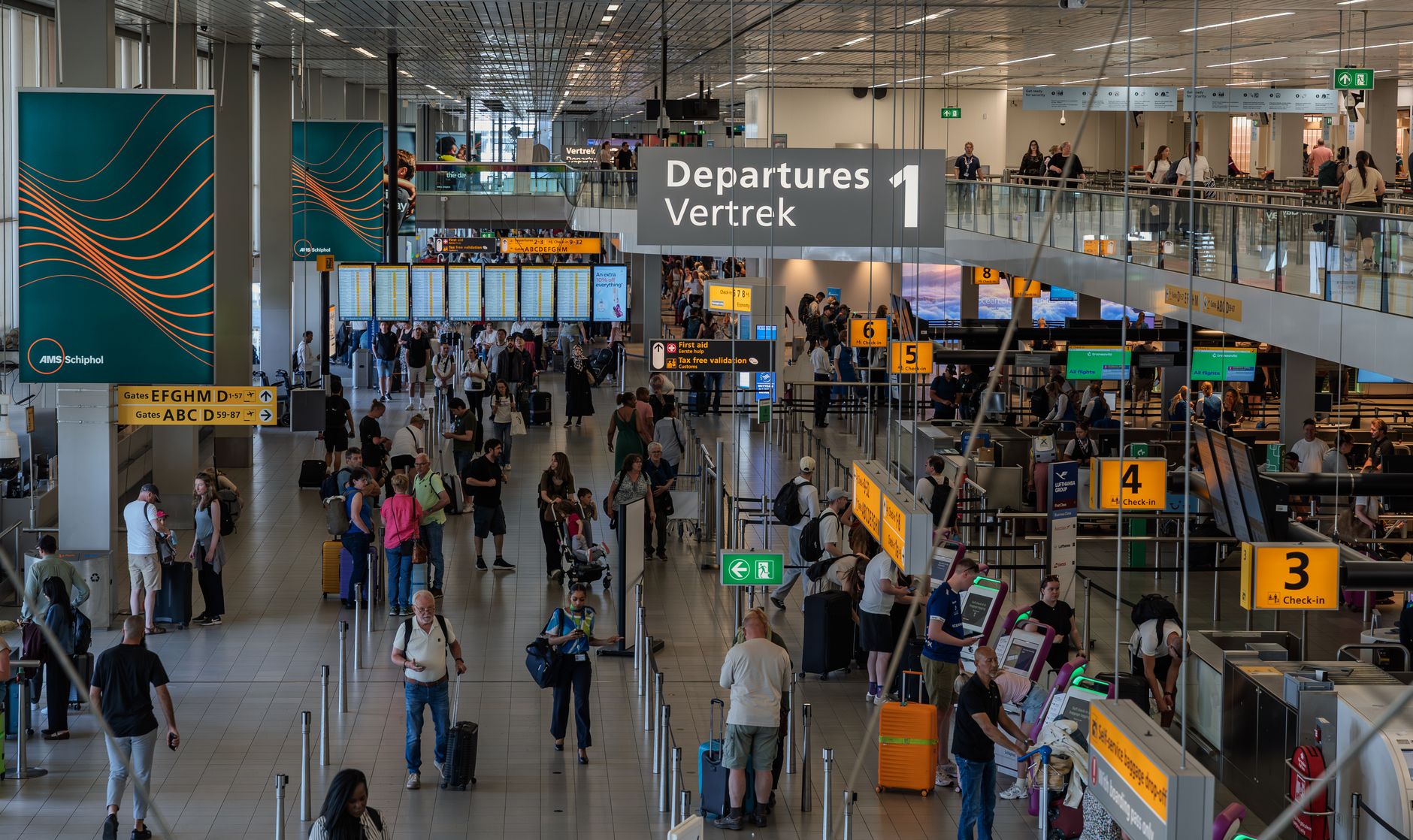
Яких насправді розмірів мають чергу на кордоні EES?
Індивідуальні біометричні перевірки займають 1–2 хвилини на особу, але під час піків прибуття накопичена черга може змусити пограничний зал чекати від кількох хвилин до години чи більше, особливо коли разом приземляються декілька широкофюзеляжних літаків. Офіційні рекомендації ясні: будьте готові чекати довше, ніж зазвичай.
У "The Уряд Великобританії і Кампанія Travel Aware обидва попереджають, що перші місяці повноцінної роботи є найскладнішими. Одиночний мандрівник майже не помічає двохвилинної реєстрації. Переповнений A350, з якого висипається 300 перших користувачів о 9 ранку — це зовсім інша історія. Подумайте про це як про безпеку аеропорту в невдалий день: ваш особистий етап швидкий, черга — ні. Справжні затримки скорочуватимуться протягом 2027 року, оскільки більше відвідувачів уже матимуть запис.
Занепокоєні щодо накладання ETIAS на затримки на кордоні, коли портал відкриється? Ми можемо підготувати та перевірити вашу заявку ETIAS, щоб одна частина подорожі була вирішена ще до того, як ви дійдете до аеропорту.
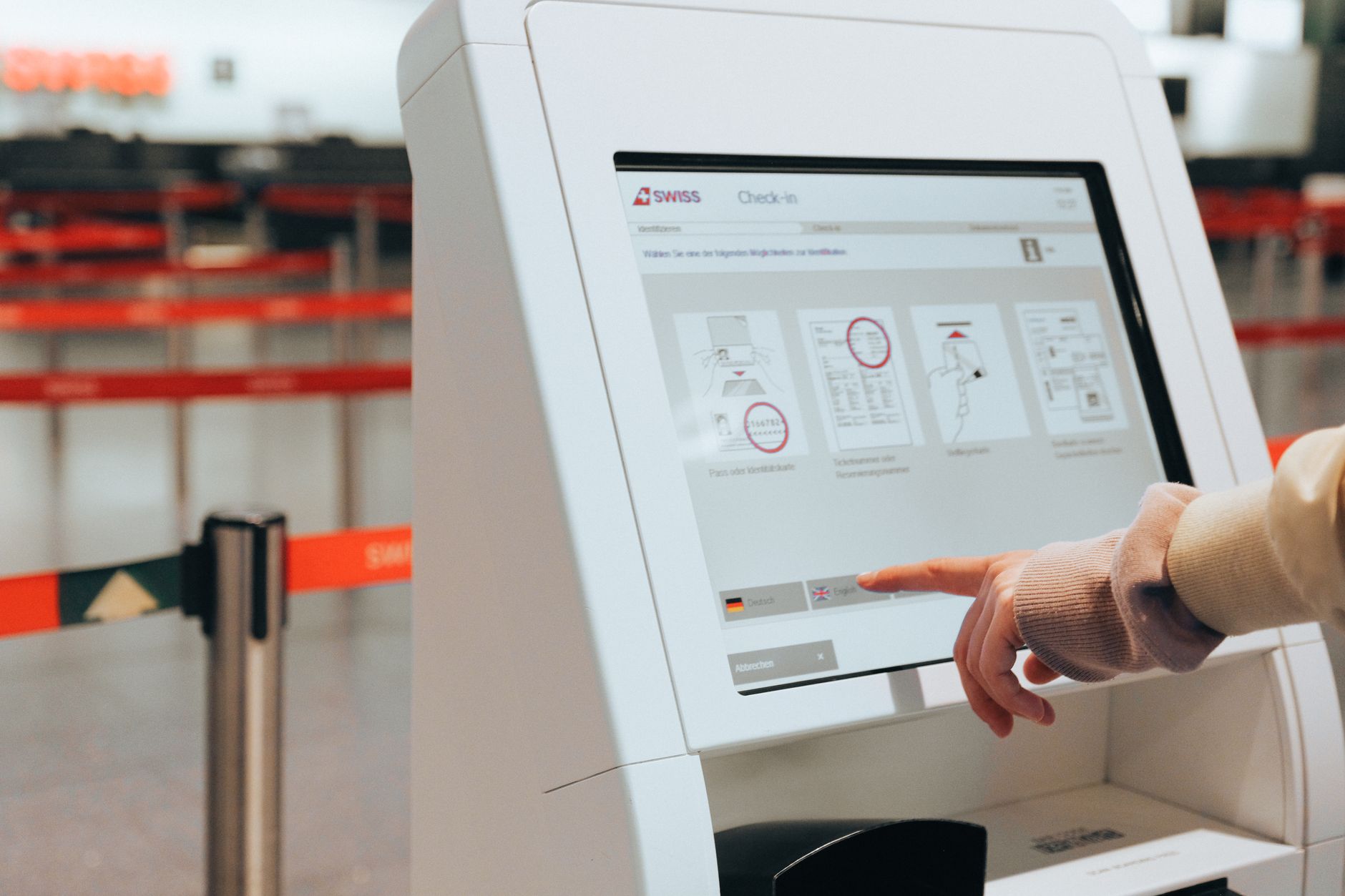
Яка найкраща пора для переправи, щоб уникнути черг на кордоні EES?
Щоб уникнути найгірших черг, прагніть до вильотів у середину тижня, до польотів у ранньому полудні, які пропускають ранкові та вечірні піки, та до дат у сезон низького попиту в червні чи вересні замість литавго-серпневого натовпу. Час — це єдиний найбільший важіль, який ви контролюєте.
Прибуття у вівторок о обідньому часі в Лісабон — це зовсім не те саме, що посадка в суботу о 8:00 в Пальмі. Якщо ви мусите подорожувати в піковий час, вибирайте аеропорти з більшою кількістю терміналів самообслуговування та новішими залами. Сім'ям варто розраховувати на те, що кожен член сім'ї реєструватиметься окремо, тому група з п'яти осіб може додати двадцять хвилин навіть тоді, коли черга виглядає короткою — наші примітки про подорожування з дітьми та сімейними групами охоплюють дитячі правила. Стежте за своїм дозвіл на 90/180 днів також, оскільки система тепер відстежує це автоматично. Британські відвідувачі, які розглядають більш широку картину, можуть також прочитати, як EES працює поряд з ETIAS перед їхною наступною подорожжю.
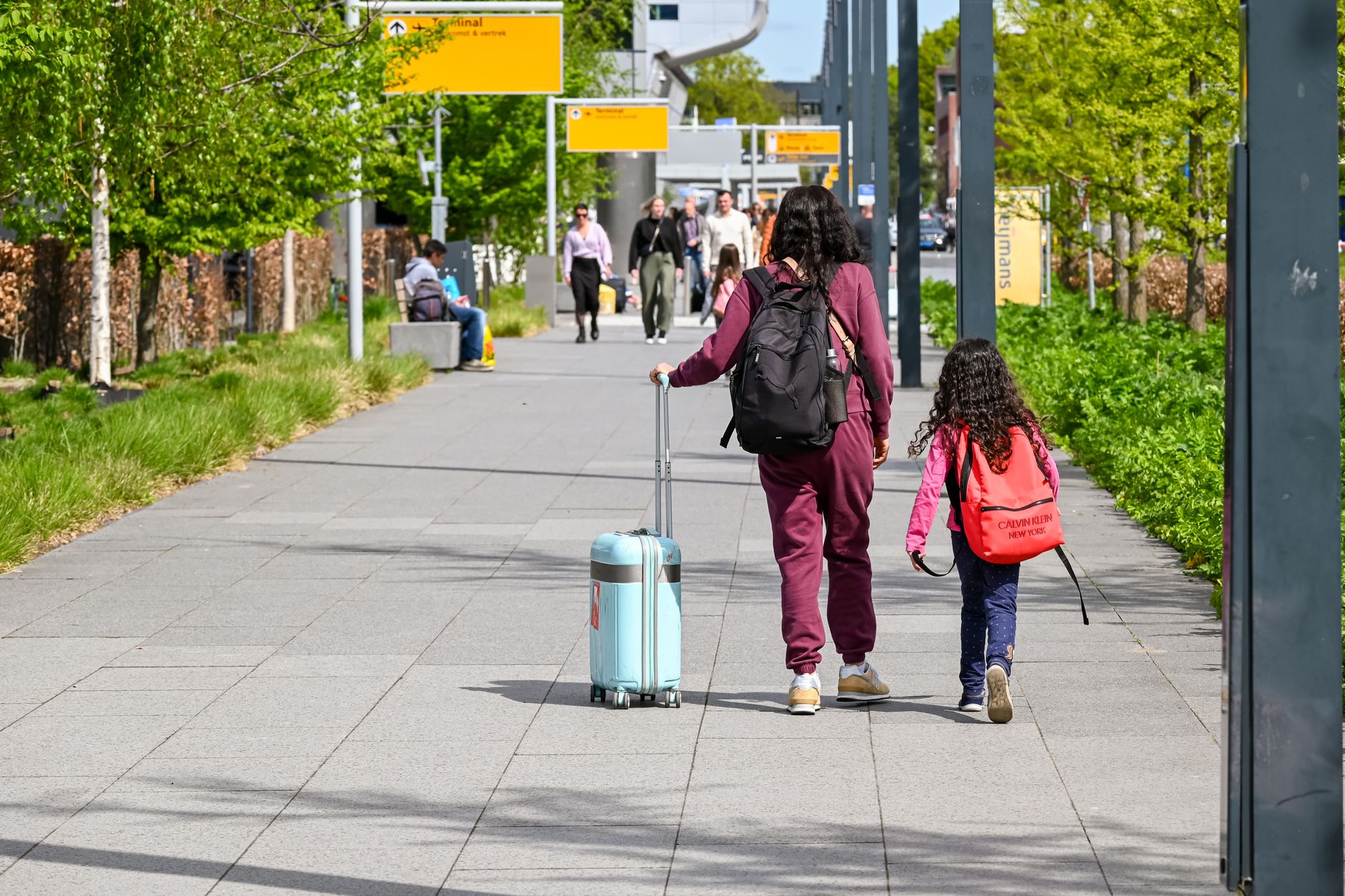
Чи змінюють суміжні британські порти роботу черг EES?
Так — у Dover, Folkestone та St Pancras реєстрація EES відбувається до того, як ви залишите Велику Британію, тому черга виникає на вашій точці вильоту, а не при прибутті у Францію, а спеціально побудовані зони кіосків тепер обробляють перевірки. Британці зустрічаються з цією системою раніше, ніж більшість відвідувачів.
Велика Британія інвестувала по 3,5 мільйона фунтів стерлінгів кожна в Eurostar, Eurotunnel та Port of Dover на реєстраційні кіоски та зони обробки, згідно з офіційним керівництвом. Пасажири автобусів і водії мають планувати додатковий час в терміналі, а не на магістралі. Якщо ви їдете в Folkestone в п'ятницю в липні, приїжджайте з достатньою маржею до вашого забронованого трансфера. Наша спеціалізована Посібник EES vs ETIAS пояснює, як ці дві системи працюють разом.
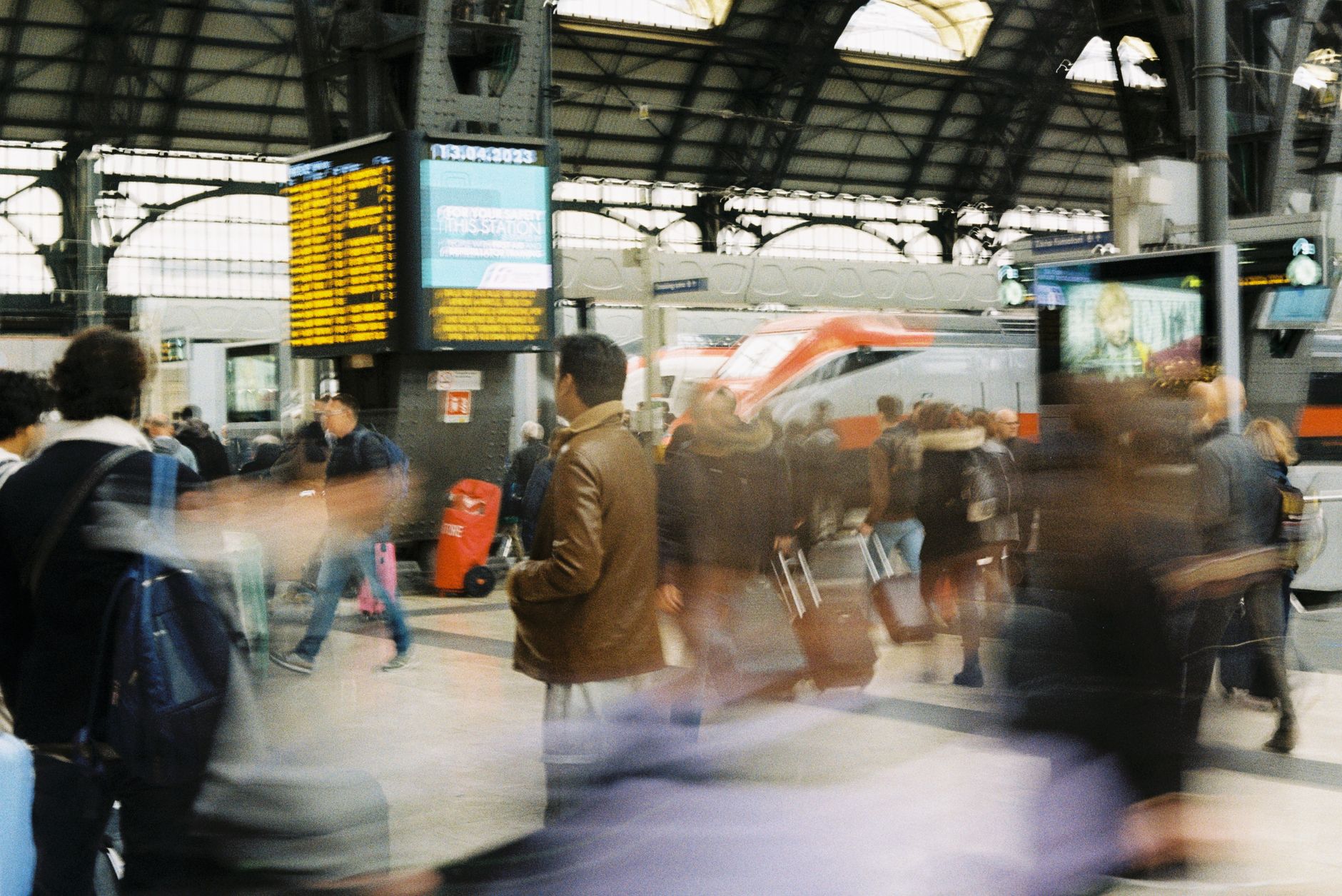
Практичний контрольний перелік для подолання черг EES на кордоні
Ви не можете пропустити реєстрацію, але ви можете скоротити час очікування: подорожуйте в позапіковий час, тримайте кожен паспорт готовим, зніміть капелюхи та окуляри раніше, тримайте пальці чистими та сухими, і додайте більший буфер підключення, ніж ви використовували до 2026 року. Невелика підготовка краще, ніж стояти розчарованим у черзі.
- Бронюйте в середині тижня та за межами часу ранкових піків, де це можливо.
- Тримайте паспорт кожного мандрівника відкритим перед тим, як підійти до кіоску.
- Зніміть сонцезахисні окуляри, капелюхи та товсті шарфи для фото обличчя.
- Суху шкіру сканує швидше — пропустіть крем для рук перед кордоном.
- Дозвольте більше часу на зворотний рейс, коли інші туристи також реєструються.
Плануєте фінансову сторону після запуску ETIAS? Дивіться наш Посібник з витрат ETIAS, то покрокове керівництво по заповненню заявки і контрольного списку документів, щоб документи були готові перед вашою поїздкою. Британські туристи можуть порівняти збір на нашому Посібник вартості ETIAS для громадян Великобританії. Туристи, які подорожують на круїзних суднах, повинні перевірити правила для пасажирів круїзів, оскільки реєстрація в портові працює дещо інакше.
Не впевнені, чи вашій літній подорожі також потрібен ETIAS після його запуску? Ми можемо переглянути ваші плани й, коли портал запрацює, подати й перевірити заявку для вас.
Часто задавані питання
Чи будуть черги на кордоні EES коротшими з часом?
Так. Найбільший тиск буде в 2026 році, першому повноцінному сезону, коли майже все реєструються вперше. З 2027 року більше мандрівників уже матимуть тристоліття запису, тому кіоски тільки перевіряють обличчя чи відбиток пальця, а черги рухаються швидше.
Скільки додаткового часу мені дозволити на кордоні?
Розраховуйте на більше ніж 2024 року. Офіційні рекомендації Великобританії кажуть, що кожна перевірка займає 1–2 хвилини, але очікування під час прибуття може бути довшим, тому додайте достатній запас часу для тісних пересадок і посадок у години пік.
Черга утворюється під час прибуття чи перед тим, як я вилітаю?
Це залежить. У більшості аеропортів Шенгену ви реєструєтеся під час прибуття. У Дувре, Фолкстоні LeShuttle і St Pancras французькі офіцери проводять перевірки перед тим, як ви покинете Сполучене Королівство, тому очікування відбувається в місці вильоту.
Чи можу я попередньо зареєструватися, щоб пропустити чергу?
Для біометричного етапу не існує публічної онлайн-реєстрації; це відбувається особисто на кордоні. Коли ETIAS відкриється наприкінці 2026 року, ви подасте онлайн-заявку на окремий дозвіл за €20 перед поїздкою.
Чи однакові черги для дітей та сімей?
Сім'ї часто чекають довше, тому що кожен мандрівник реєструється окремо. Діти до 12 років не здають відбитки пальців і лише надають фото, що відбувається швидше, але група з п'ятьох осіб все одно утворює чергу. Приходьте раніше і тримайте всі паспорти поблизу.
Чи утворюються черги й на наземних кордонах?
Так. Наземні переходи на східних і балканських кордонах Шенгену можуть утворювати черги в літні вихідні, оскільки всі автобуси та автомобілі реєструються на одних і тих же будках. Перетинайте в середині тижня або поза часом святкової перевантаженості, коли можете.
Disclaimer: europe-visa.eu is an independent assistance service and is not a government body. You can complete your EES border checks in person and, once it opens, apply for ETIAS directly on the official EU portal (€20), or use our checking and support service.
Про автора. Anna Reinholt is a Travel Documentation Editor who has covered European travel documents since 2017 and focuses on ETIAS and the EU’s new border systems. Every guide is checked against official EU sources before publication.
Updated: 2026-07-07
Last updated: 2026-07-07 — verified against official EU and gov.uk sources.
 English
  Shqip
Shqip  العربية
  Français
  ქართული
  עִבְרִית
  简体中文
简体中文  香港中文
香港中文  繁體中文
繁體中文  Español
  Português do Brasil
  日本語
日本語  한국어
한국어  Bahasa Melayu
  Українська
  Română
  Српски језик
  Türkçe