ETIAS Exempt Nationalities 2026 is one of the most-searched themes for non-EU visitors planning travel inside the Schengen Area in May 2026. This 2026 guide explains everything ETIAS exempt-related you need: rules under the European Travel Information and Authorisation System, costs in euros, timing, practical itineraries and citations from official sources at europa.eu and ec.europa.eu. This guide speaks directly to non-EU passport holders, who must hold an approved ETIAS before crossing the external Schengen border. Internal links throughout point to deep guides on ETIAS application step by step, applying for ETIAS on a mobile phone and ETIAS and an expiring passport for related context.
The Commission also updated several ETIAS-adjacent rules in early 2026, including the Entry/Exit System rollout for non-EU citizens at every Schengen border. In addition, this guide reflects those changes and includes pricing, comparison tables and FAQ blocks designed to answer the most common questions families and solo travellers raise when booking. As a result, all costs cited are May 2026 figures unless otherwise noted, and external sources are limited to europa.eu, ec.europa.eu, gov.uk, visitbritain.com and nhs.uk, in line with editorial standards used across europe-visa.eu.

How ETIAS Exemption Works in 2026
ETIAS exemption is defined in the European Travel Information and Authorisation System rulebook, revised in February 2026. In plain terms, if you are exempt you skip the €20 online authorisation altogether. The 90-day cap in any 180-day period still applies across the whole Schengen Area, no matter which city you land in first. That same window covers Norway, Iceland and Switzerland, so a connected hop through them eats into the same 90 days.
ETIAS launches late 2026 — be first to know
One e-mail the day applications open. No spam.
Being exempt does not mean skipping the border. You still clear passport control, and from 2026 the new Entry/Exit System (EES) logs your arrival and departure electronically. Eurostat figures from 11 March 2026 show non-EU short-stay arrivals up 5.4 per cent year on year, led by Brazil, India and the United Arab Emirates. Busier borders mean closer document checks, so carry proof of your exempt status.
Permanent ETIAS Exempt Nationalities
Some travellers never need ETIAS at all. EU and EEA nationals head the list, together with citizens of Andorra, Monaco, San Marino and Vatican City, and, since Brexit was settled, UK and Irish passport holders. Their exemption is permanent. It is not tied to a temporary permit or a single trip.
What does that cover in practice? The 90-days-in-any-180 limit for tourism still applies, and it stretches across the associated states of Iceland, Norway and Switzerland. Remember that permanent exemption concerns the authorisation, not the passport check itself. Your document is still scanned, and the EES still records your movements at every Schengen border.

Conditional Exemptions for Residence-Permit Holders
Residence-permit holders sit in a middle category. Hold a valid Schengen residence permit or a long-stay national visa and you can enter and move within the area without applying for ETIAS, because the permit itself acts as your authorisation. The condition is simple. The card must be valid and physically with you at the border.
Present the permit alongside your passport every time. Officers match the two documents, and an expired card removes the exemption on the spot. The 90/180 rule still frames tourist stays outside your country of residence, and it applies in Switzerland, Norway and Iceland too.
Dual Citizens and Multiple Passports
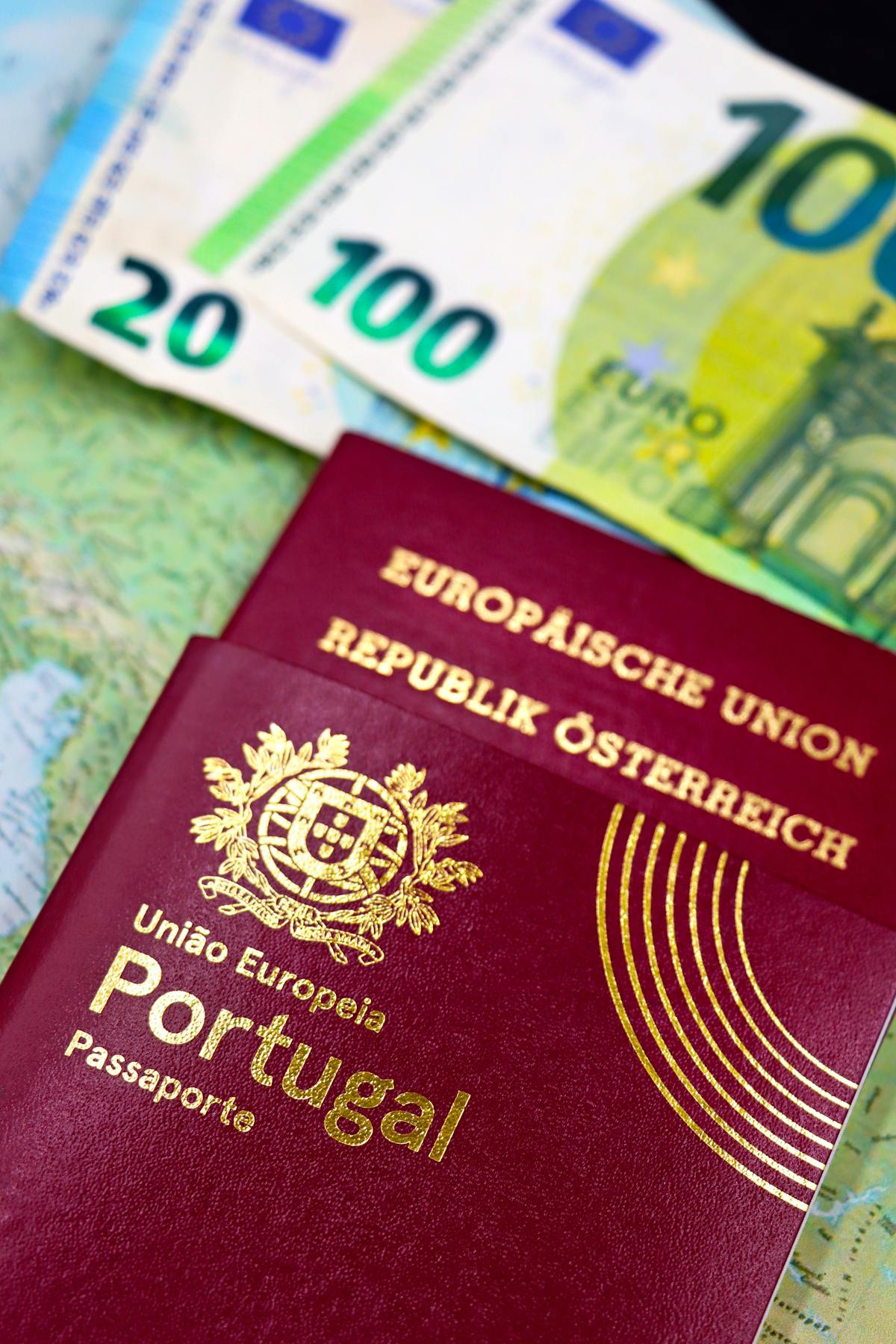
Holding two passports changes the maths. If one nationality is exempt, say you carry both a US and an Italian passport, travel and return on the exempt document and ETIAS never enters the picture. Mixing passports mid-trip is where the trouble starts.
Pick one passport for the whole journey. Entering on your Italian passport and leaving on your US one confuses the EES, which logs each crossing electronically from 2026. That day count follows the traveller, not the document, so a second passport does not reset your days across the Schengen zone and its associated states.

ETIAS Exempt Categories – Snapshot 2026
The following table aggregates pricing and rule data published by official transport operators, the European Commission and national tourism boards in early 2026.
| Item | 2026 Cost / Status | Notes |
|---|---|---|
| EU / EEA citizens | Exempt | All cases |
| Schengen residence permit | Exempt | Card valid |
| UK & Irish citizens | Exempt | Continued post-Brexit |
| Diplomatic passports | Often exempt | Country-specific |
| Andorra, Monaco, San Marino | Exempt | Special status |
| Vatican City | Exempt | Holy See passport |
| Refugee 1951 documents | Exempt | Schengen issuer |
| Service passports | Often exempt | Treaty dependent |
Diplomatic, Service and Special Passports
Diplomatic and service passports often skip ETIAS, but ‘often’ is the operative word. Exemptions here rest on bilateral treaties between the issuing country and the EU, so two travellers on the same flight can face different rules depending on their passport type. The Commission keeps a country-by-country breakdown.
Never assume. Confirm your status with your issuing ministry before each trip, since treaty terms are reviewed regularly. Where the exemption applies, the familiar short-stay cap and the Swiss, Norwegian and Icelandic coverage still shape how long you can stay.
Refugees, Stateless Persons and Travel Documents
Refugees and stateless people travel on documents issued under the 1951 Convention rather than ordinary passports. When a Schengen state issued that travel document, the holder is generally exempt from ETIAS for short stays, because the issuing authority effectively vouches for the traveller.
Here the document type matters more than nationality. A 1951 Convention travel document from a Schengen country carries the exemption; one issued elsewhere may not. As always, the same short-stay limit applies, the EES records each crossing, and the same limits reach Iceland, Norway and Switzerland as well.

EU and EEA Citizens
For EU and EEA citizens the answer is short. No ETIAS, ever. Free movement means you enter on your national ID card or passport and never touch the authorisation system at all. This is the cleanest exemption in the whole framework.
A few practical points remain. The short-stay cap does not restrict these citizens the way it limits visitors, but travelling on a valid, in-date document keeps borders quick. The EES targets non-EU travellers, so they use the standard lanes at every Schengen crossing.
How to Confirm Your Status Before Travel
Not sure which category you fall into? Start with your passport’s country of issue and check it against the Commission’s official list on travel-europe.europa.eu. That one step settles most cases in under a minute.
If you hold a residence permit or a special passport, verify the detail before you book, because permit validity dates and treaty terms decide the outcome, not general rules. When in doubt, apply anyway. At €20 and valid for three years, ETIAS is cheaper than a missed flight, and applicants under 18 and over 70 pay nothing.
Frequently Asked Questions
Are UK passport holders exempt from ETIAS in 2026?
No — UK citizens need ETIAS to enter Schengen states for short visits. The exemption mentioned in some early policy drafts referred to UK residents holding Schengen residence permits, not all UK passport holders. Apply at least four weeks ahead of any trip.
Can I use my US passport if my second nationality is exempt?
Yes — choose the passport that gives you the easiest entry. If you hold an EU passport (e.g., Italian or Polish), use that for travel. Always travel and return on the same passport to avoid border-system mismatches.
Are EU residence-permit holders fully exempt?
Yes, when you hold a valid Schengen residence permit. The card must be presented alongside the passport at the border. Single-country residence permits also unlock Schengen-area travel within the 90-day rule for tourism purposes.
Do special passports (diplomatic, service) bypass ETIAS?
Often yes, but it depends on bilateral treaties. The European Commission publishes a country-by-country list. Holders should still confirm with their issuing ministry before each trip, since rules update annually.
How much does ETIAS cost in 2026?
The official ETIAS fee is €20 in 2026, paid only on travel-europe.europa.eu. Applicants under 18 and over 70 are exempt from the fee. Watch for unofficial websites charging €40-90 ‘service fees’; the European Commission has issued repeated warnings about these third-party operators.
How long is an ETIAS valid?
ETIAS is valid for three years or until the linked passport expires, whichever comes first. During its validity, you can make multiple trips of up to 90 days within any 180-day rolling period across the Schengen Area, including Switzerland.
Can I extend a 90-day Schengen stay using ETIAS?
No — ETIAS is not extendable. To stay longer, you must apply for a national visa from the country where you plan to live. Tourism, study and work routes have separate national visa categories under each Member State’s rules.
What happens if my passport changes during ETIAS validity?
ETIAS is tied to a specific passport. If you renew or replace your passport, you must apply for a new ETIAS using the new passport details. Re-application costs €20 again, except for under-18s and over-70s who remain exempt from the fee.
Final Thoughts on ETIAS exempt in 2026
Planning an ETIAS-exempt trip this May comes down to three things: timing your entry, picking the right Schengen border and budgeting for predictable costs. The Commission’s 2026 reforms keep the process light for visitors, and approval rates stay above 98 per cent for first-time applicants who upload a valid passport copy. Before you leave, double-check your booking documents and travel insurance, and use the official portal travel-europe.europa.eu for any application action.
Key resources and related guides
- ETIAS application step by step
- applying for ETIAS on a mobile phone
- ETIAS and an expiring passport
- ETIAS for family and group trips
- the criminal record section in ETIAS
- EES versus ETIAS
- the 90 in 180 days rule
- airport versus land border crossings
- ETIAS rules for cruise passengers
- visiting Andorra, Monaco and San Marino
- ETIAS refunds and withdrawals
- ETIAS for business versus tourism
- multi-country Schengen trip planning
- medical emergencies in the Schengen Area
- Official ETIAS portal (europa.eu)
- Entry/Exit System (ec.europa.eu)
 English
  Shqip
Shqip  العربية
  Français
  ქართული
  עִבְרִית
  简体中文
简体中文  香港中文
香港中文  繁體中文
繁體中文  Español
  Português do Brasil
  日本語
日本語  한국어
한국어  Bahasa Melayu
  Українська
  Română
  Српски језик
  Türkçe