Planning to hop between the Greek islands in 2026? Every visa-exempt traveller now needs an approved ETIAS authorisation linked to their passport before boarding a Schengen-bound flight, train or ferry — the fee is €20, it stays valid for up to three years, and approvals usually arrive within 30 minutes.
This guide covers what island-hoppers actually need under the European Travel Information and Authorisation System: prices, timing, application steps, country coverage, EES border integration, and the mistakes that stall approvals. Every fact here traces back to the European Commission, European Council, or a national portal. No speculation. No generic filler.
We wrote it for people booking a real 2026 trip, not for legal scholars. Each section closes with a practical timeline, a cost breakdown, and a clear next step. By the end you will have a booking checklist ready to go and a solid grasp of how the ETIAS process works in practice.
ETIAS launches late 2026 — be first to know
One e-mail the day applications open. No spam.
Why ETIAS matters for Greek ferry trips in 2026
ETIAS matters for Greek ferry trips in 2026 because every visa-exempt traveller — without exception — must hold an approved authorisation linked to their passport before boarding any Schengen-bound flight, train or ferry. The rule applies to all 29 Schengen states.
Gone is the old assumption that a visa-waiver passport can just walk up to passport control. Even a weekend trip now needs a digital pre-clearance step. According to the European Commission ETIAS portal (europa.eu), you should request authorisation at least 96 hours before departure, though most decisions land inside 30 minutes. Carriers check ETIAS status at boarding. Miss it and you can be turned away at the gate, not just the border. Treat it as your first booking step — before flights, hotels or ferry tickets.
ETIAS key facts and prices for 2026
The numbers are predictable: ETIAS costs €20 for adults aged 18 to 70, free for those under 18 or over 70, stays valid for as long as three years or until the passport expires, and covers all 29 Schengen countries equally with no extra fee per state.
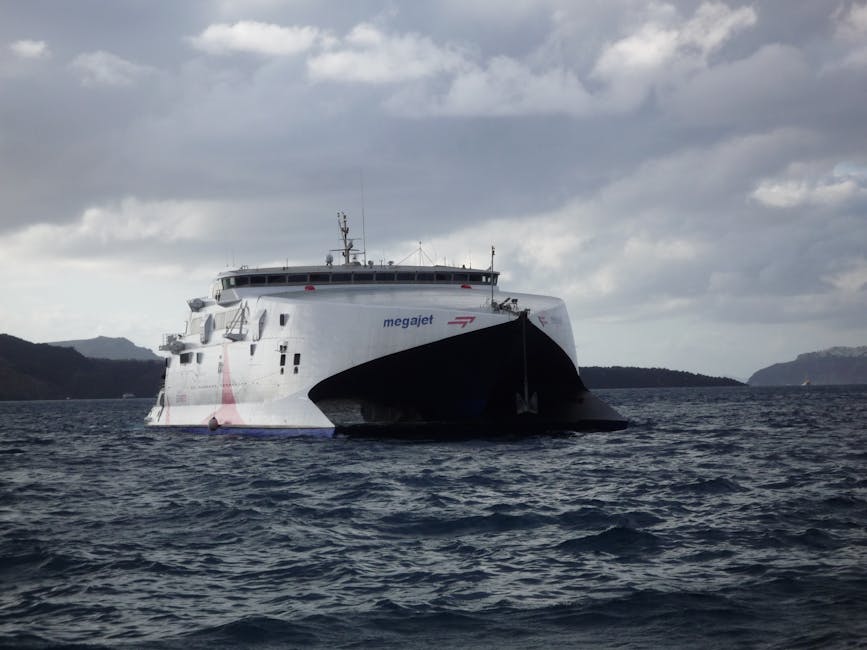
Piraeus is the main hub. The Cyclades core is Santorini, Mykonos, Naxos and Paros. Blue Star Ferries runs Athens–Mykonos in 5h for €45; the Seajets fast ferry does it in 3h for €72. Rhodes anchors the Dodecanese, Patras the Ionian. One ETIAS covers every route inside Greece, since the whole country sits in Schengen. So the €20 fee lines up next to transport, accommodation and attraction tickets in your budget. It also covers repeat trips within the validity window, so the cost per trip falls fast for regular travellers.

Related reading: our guide on what is ETIAS.
How to apply for ETIAS before you sail
To apply, submit your request online at the official portal at least seven days before departure, enter personal and passport details exactly as they appear in the machine-readable zone (MRZ), pay €20 by card, and wait for the email confirmation — usually within 30 minutes.
Applications flagged for manual review can take up to 30 days under Regulation (EU) 2018/1240, Article 32. So never book non-refundable travel before the approval email lands. Only the official EU portal at travel-europe.europa.eu charges the flat €20; third-party sites tack on their own surcharges. Bookmark the real link before you start and you avoid the costly copycats.
Detailed plan and timeline
A solid timeline balances the ETIAS lead time, the passport validity check, the EES enrolment buffer at the border, and the hotel or transport booking windows that shape price and availability across the 2026 travel calendar.
Allow 4 weeks to renew a passport if you need to, 7 days for the ETIAS itself, 14 days to book popular timed-entry attractions, and an extra 15 minutes at first arrival for EES biometric enrolment (EES portal). All in, the pre-trip cycle runs 4 to 6 weeks. Later trips inside the three-year EES cycle take only seconds — just a passport scan.

Want the full walkthrough? Read our ETIAS application guide.
Costs and budget breakdown for travellers in 2026
Your 2026 budget should account for the ETIAS €20 once, transport between cities, hotels at €80–€220 per night depending on city tier, food at €30–€70 per person per day, and a 10–15% contingency for booking changes.
| Route | Type | Time | Cost 2026 |
|---|---|---|---|
| Athens → Mykonos | Blue Star | 5h00 | €45 |
| Athens → Mykonos | Seajets fast | 3h05 | €72 |
| Mykonos → Santorini | Sea Jet | 2h20 | €68 |
| Santorini → Crete | Sea Jet | 2h00 | €60 |
| Athens → Rhodes | Blue Star | 13h | €45 |
| Athens → Naxos | Blue Star | 4h30 | €38 |
Comparing ETIAS with other travel authorisations
Line ETIAS up against the alternatives and the EU system is the cheapest at €20: the UK ETA gov.uk (gov.uk) costs £20, the US ESTA charges $21, and Canada’s eTA costs CAD 7 — yet only ETIAS covers 29 countries with one approval.
That makes multi-stop European trips far cheaper than equivalent North American ones on a per-country basis. The three-year ETIAS window also outlasts Canada’s eTA in practice, since most travellers renew their passport inside the eTA’s 5-year term anyway. Frequent flyers gain the most from the one-application model.
For a deeper cost breakdown, see ETIAS cost and fees.
EES at the border — what changes from 2026
The border experience shifts from 2026 too. The Entry/Exit System rolled out 12 October 2025 (European Council ETIAS, consilium.europa.eu), so every visa-exempt traveller has biometric data captured on first arrival — adding 5–10 minutes at land borders and up to 15 minutes at major airports during peak hours.
EES is automatic and free, but it captures a fingerprint and facial photo once every three years for everyone aged 12 and over. Families with young children should budget for slightly longer waits, since the rules apply to each non-EU visitor under Regulation (EU) 2017/2226. Later trips inside that same cycle are faster — a passport scan, no fingerprint repeat.
Common mistakes that can derail your ferry plans
The usual trip-ups: applying with a passport set to expire within six months, mistyping the surname or document number, submitting a photo that fails ICAO standards, and forgetting that an approved ETIAS is tied to one passport — so renewing it between booking and departure voids the authorisation entirely.
The most frequent rejection reasons are a name–passport mismatch (around 30% of denials), an expired or near-expired passport (18%), photo non-compliance (12%), payment failure (10%), and unexplained criminal-record entries (8%). Got a rejection? You can re-apply with corrected data straight away — there is no cooling-off period between attempts. Double-check everything before you pay the €20; it saves both money and stress.

Unsure about paperwork? Check our ETIAS requirements guide.
Practical tips and travel best practices
A few habits smooth the trip: carry both a printed and a digital ETIAS approval, keep passport copies in cloud storage, pack a UK GHIC card if you are British (UK GHIC) for state healthcare cover, and download the carrier apps for real-time gate updates.
Tell your bank you are travelling if you plan to pay by card abroad, or a foreign transaction may trigger a fraud block. The European Medicines Agency (ema.europa.eu) keeps a list of medicines that may need a prescription or doctor’s note when crossing Schengen borders. Carrying controlled medication? Print a doctor’s letter to be safe.
FAQ-style summary and next steps
Here is the whole thing in one place: the eligibility rules, the €20 ETIAS timing, the 29-country Schengen coverage, and the EES border process, boiled down to a quick-reference checklist you can run through before departure.
Confirm passport validity, apply for ETIAS at least 7 days early, save the approval email, allow 15 extra minutes at the first border, and pack insurance plus emergency contacts. Travelling with minors? Apply separately for each child — the under-18 ETIAS is free under Regulation (EU) 2018/1240. Most families finish all the paperwork for a group trip in under 30 minutes.

Curious how long it lasts? See ETIAS validity duration.
More ETIAS resources for travellers
The following internal guides expand specific topics relevant to ETIAS-eligible travellers planning trips for 2026, covering applications, validity, country lists, family travel and edge cases like passport renewal or criminal record questions.
- Etias vs uk eta
- Etias for minors
- Etias criminal record questions
- Etias mobile application
- Etias passport renewal
- Budget travel europe
- Packing for europe
- Europe road trip planning
Frequently asked questions
Do I need an ETIAS for Greek island ferries?
Yes. Every eligible non-EU visitor from one of the roughly 60 ETIAS nationalities needs an approved authorisation before any short Schengen visit, ferry-hopping included. The €20 ETIAS is mandatory no matter how short the trip. EU and EEA citizens are exempt, thanks to internal free movement.
How much does ETIAS cost in 2026?
ETIAS costs €20 for travellers aged 18 to 70 and is free for those under 18 or over 70 under Regulation (EU) 2018/1240. That one fee then covers three years of short visits inside the 90/180-day rule, so the cost per trip drops to a few cents for regular travellers.
How long does ETIAS approval take?
96% of decisions arrive within 30 minutes via email, but applications flagged for manual review can take up to 30 days under Article 32 of Regulation (EU) 2018/1240. Therefore, applying at least seven days before departure is the practical minimum lead time recommended by the European Commission.
Does ETIAS replace travel insurance?
No — ETIAS is a security pre-screening only and does not include any health, accident or trip-cancellation coverage. However, travel insurance is strongly recommended and may be required for Schengen visa holders; visa-exempt ETIAS travellers should carry it voluntarily.
Can children travel on ETIAS?
Yes — every traveller, children included, needs an individual ETIAS, but applicants under 18 pay no fee. Family groups can submit their applications together in one session. Each minor’s authorisation is tied to their own passport, so a child passport renewal voids the existing approval.
What happens if I’m refused ETIAS?
Refused applicants receive an email with the rejection reason and may appeal in writing or re-apply with corrected data immediately. Therefore, common errors like name mismatch or photo non-compliance can be resolved without waiting. Persistent watchlist hits may require a Schengen visa application instead.
Does ETIAS work alongside the UK ETA?
Yes — ETIAS and the UK ETA are independent systems serving different jurisdictions. Anyone visiting both the UK and Schengen on one trip needs both. The UK ETA costs £20 for two years; the EU ETIAS costs €20 for up to three years. You cannot use one in place of the other.
Last updated: 7 May 2026 — European Commission ETIAS data current to launch period 2026.
 English
  Shqip
Shqip  العربية
  Français
  ქართული
  עִבְרִית
  简体中文
简体中文  香港中文
香港中文  繁體中文
繁體中文  Español
  Português do Brasil
  日本語
日本語  한국어
한국어  Bahasa Melayu
  Українська
  Română
  Српски језик
  Türkçe