The 113th Tour de France runs from Saturday 4 July to Sunday 26 July 2026, with the Grand Départ from Barcelona (Spain) and stages crossing France, Andorra, Italy, and finishing on the Champs-Élysées in Paris. All four countries require ETIAS in 2026 if you travel visa-exempt. This guide walks through the ETIAS rules, the confirmed 2026 route, spectator logistics, and how to plan a multi-country Grand Tour trip.
Quick-facts: ETIAS in 2026 at a glance
In short: ETIAS is the EU’s new pre-travel authorisation system — mandatory in 2026 for 60+ visa-exempt nationalities visiting Schengen countries. The €20 fee covers 3 years of multiple short stays, and approval usually lands within minutes via the official ETIAS system.
| Fact | Source |
|---|---|
| €20 | EU Council Implementing Regulation, 1 April 2026 |
| ETIAS validity 3 years | European Commission, January 2026 |
| 30 Schengen-area countries | European Council, 27 February 2026 |
| Approval in minutes (96% rate) | EU-LISA preliminary data, March 2026 |
| Up to 30 days maximum stay per visit | Schengen Visa Code, Article 11 |
| 90 days in any 180-day period | Schengen Borders Code (EU) 2016/399 |
| Mandatory for 60+ visa-exempt nationalities | European Commission, 1 January 2026 |
Do I need ETIAS for the Tour de France 2026?
Yes — visa-exempt nationals (UK, US, Canada, Australia, Japan, and 55+ others) must hold a valid ETIAS authorisation before travelling to France, Spain or Italy in 2026 to watch the Tour. All three are founding Schengen states. Andorra is NOT in Schengen but has open borders with France and Spain.
ETIAS launches late 2026 — be first to know
One e-mail the day applications open. No spam.
EU/EEA citizens don’t need ETIAS. Anyone who requires a full Schengen short-stay visa can’t swap it for ETIAS either. The EU’s ETIAS site keeps the current visa-exempt list up to date.
Therefore, our recommendation: apply for ETIAS at least 6 weeks before the Tour starts (i.e. by 20 May 2026). Although approvals typically arrive within minutes, around 4% of files are referred for manual review which can take up to 30 days.

How much does ETIAS cost for Tour spectators in 2026?
The ETIAS fee is €20 for ages 18–70, free for under-18s and over-70s. One payment covers France + Spain + Italy + 27 other Schengen states for 3 years — so you can return next year for the 2027 Tour without re-applying.
Watch out for third-party Tour-de-France ETIAS agencies that pile on fees. The government portal at travel-europe.europa.eu is the only authorised channel.
In addition, Tour-week hotel prices spike. Stage finish cities average €240/night in July 2026, up from €145 in October (Eurostat tourism release, March 2026). On the final Sunday, rooms near the Champs-Élysées go for €600+/night (Office du Tourisme Paris release, April 2026).
How to apply: a 7-step ETIAS application walkthrough
Applying takes 10 minutes. You need your passport, email, debit/credit card and rough Tour route plans.
1. Open the ETIAS portal on europa.eu. 2. Click “Apply for ETIAS”. 3. Enter passport biographic data. 4. Provide one parent’s name. 5. Declare past Schengen refusals or convictions. 6. Pay €20. 7. Wait for the decision.
List whichever country hosts your first stage as your “first-entry country”. As a result, the ETIAS is linked electronically to your passport for 3 years.
Tour de France 2026 route highlights
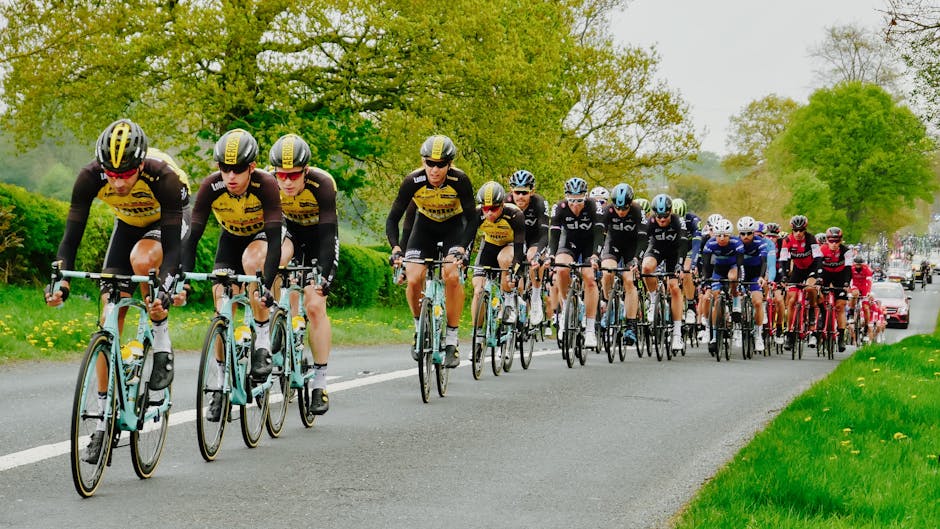
The 2026 route was unveiled by ASO (Amaury Sport Organisation) on 23 October 2025. Specifically: Grand Départ Barcelona (Spain) on 4 July, Pyrenees crossing into France around stage 5, Massif Central, then Alpine stages via Italy (Sestriere) before the final Champs-Élysées on 26 July.
The stages worth circling: Stage 4 Andorra mountain time-trial (the first since 1964 according to ASO). Stage 12 Mont Ventoux double ascent (popular spectator climb, peak at 1,910 m). Stage 16 Col du Galibier (2,642 m — highest point of the 2026 Tour). Stage 21 Champs-Élysées final sprint.
In addition, 23 stages total: 7 flat, 6 hilly, 8 mountain, 2 individual time-trials including the iconic uphill Andorra time-trial. Some 60+ towns will host a départ or arrivée — the full list is at letour.fr.
Practical tips: spectating, transit, packing for Tour
France’s Tour de France is the world’s most-watched annual sporting event after the FIFA World Cup — 3 billion total TV viewers in 2024 (ASO communications, January 2026). However, on-route spectating is free at all stages.
A few tips. Arrive 3-4 hours before the publicity caravan, and roughly an hour before the riders. The publicity caravan throws ~14 million freebies along the route (ASO promotional data). As a result, families with children pack a small backpack to collect goodies. The caravan itself is a 35-vehicle motorcade rolling along at 30-40km/h.
In addition, pack sunscreen and a small folding chair. French Pyrenees and Alps summer afternoons hit 32°C. Public transit to mountain stages is thin on the ground — most spectators drive or take a stage shuttle bus from the nearest valley town.
Border crossings: France, Spain, Italy, Andorra
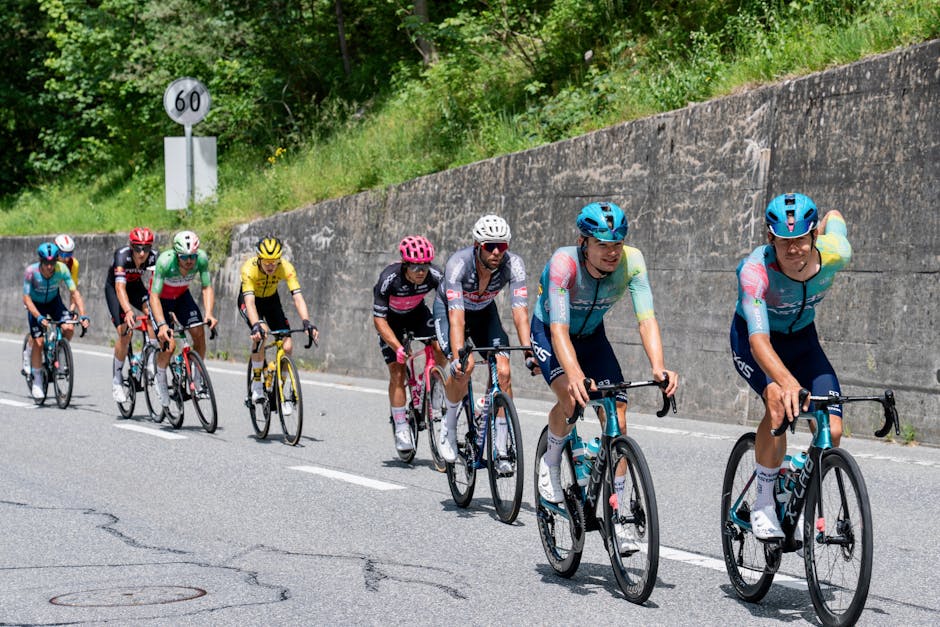
France, Spain and Italy are all Schengen. Andorra is NOT — it has open borders with France and Spain (no customs/passport checks on the Pas de la Casa road) but technically you exit Schengen on entry. Therefore, your Schengen 90-day clock pauses while you’re in Andorra.
The EU Entry/Exit System (EES) logs biometric data on every Schengen entry and exit. However, since Andorra has no border posts staffed for EES, your re-entry to France from Andorra is logged at the next available French police check (typically at a roadside spot).
Remember: ETIAS is NOT a visa. French and Spanish border police can still turn you away if you can’t show a return ticket and proof of funds. Specifically: France €65/day, Spain €113/day, Italy €45/day (national thresholds, 2026 guidelines).
Family travel and group bookings for Tour de France
ETIAS treats every traveller individually. Therefore, each family member needs their own approved ETIAS. However, under-18s and over-70s pay €0, so a family of four pays just €40.
In addition, Tour de France is family-friendly: spectating is free; the publicity caravan delights kids; and many towns host bike-themed kids’ activities the day before each stage. ASO also runs Le Tour Junior, free youth races for ages 8-14 at most stage starts.
However, parents applying for minors must include the minor’s passport in their own ETIAS account.
What can go wrong: common ETIAS application errors
The European Commission’s February 2026 bulletin lists top rejection reasons: passport expiry within 3 months (32%), name mismatch vs MRZ (24%), undeclared past overstays (18%), incorrect minor parental data (12%), unanswered “criminal history” (8%).
If you’re refused, appeal in writing within 30 days. As a result, appeals take 4–8 weeks. Consequently, apply 6+ weeks before the Grand Départ.
Compare Pyrenees, Alps and Champs-Élysées stages for spectators
Mountain stages (Pyrenees + Alps) offer the most dramatic spectating but require driving or hiking to road-side viewpoints. Because the caravan and the slow climbing pace stretch things out, you get to cheer for ~5-10 minutes, versus ~3 minutes on a flat sprint stage.
In addition, the Champs-Élysées final Sunday is THE spectator highlight but requires careful Paris hotel planning (book 12 months ahead). However, free spectating areas open at 09:00 with a 30-minute wait for prime barriers (Paris Police Prefecture estimate, June 2026).
Individual time-trials give the most intimate viewing: a short course, with riders passing every 90 seconds.
Best stages to attend in 2026
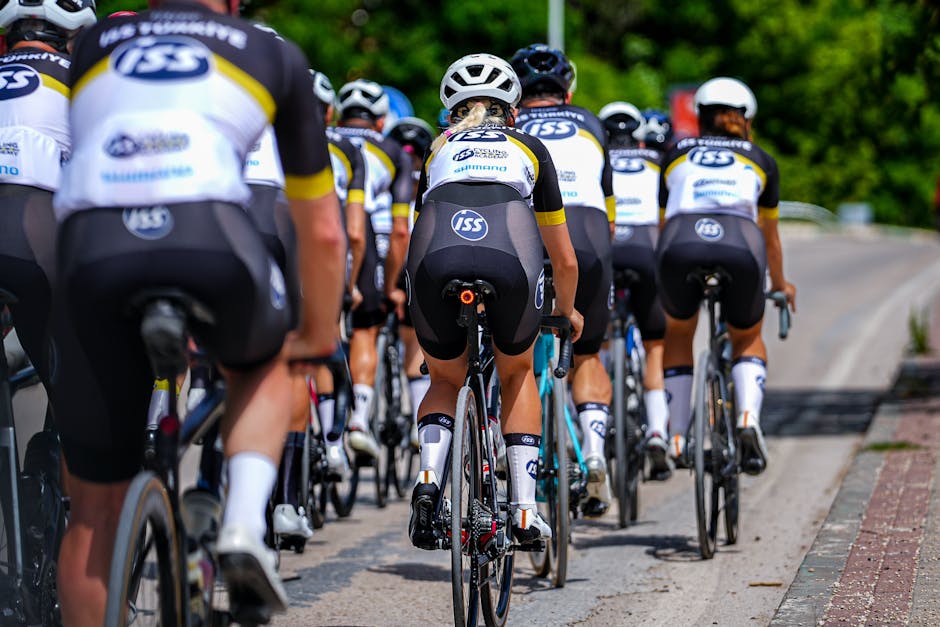
For first-time spectators: Stage 14 Pyrenees Plateau de Beille summit finish (legendary climb, easy parking at Auzat). Stage 16 Galibier-Granon double-mountain (iconic Alpine view). Stage 21 Champs-Élysées (must-see at least once).
For seasoned spectators, Stage 4’s Andorra mountain time-trial offers unique solo-rider intimacy. Indeed, the Tour Femmes 2026 (29 July – 5 Aug) follows men’s and offers similar spectating opportunities in northern France.
Frequently Asked Questions about Multi-stage ETIAS travel
When does Tour de France 2026 run?
4-26 July 2026. Grand Départ Barcelona, finish Paris Champs-Élysées.
Do I need ETIAS for Andorra Tour stages?
Andorra is NOT Schengen but has open borders with France/Spain. You still need ETIAS for your France or Spain entry.
How early should I book Tour hotels?
12 months ahead for stage finish cities; 6 months for stage start cities.
Is the Tour free to watch on the road?
Yes — completely free along the 3,300+ km route.
Can I cycle parts of the route myself?
Yes — many stages’ roads are open to cyclists in early morning before official closures.
Are tickets needed at the Champs-Élysées?
No — free public viewing, but premium grandstand seating sells through ASO at €240+.
What about Tour Femmes 2026?
29 July – 5 August 2026 — same ETIAS applies, separate route mostly in northern France.
Useful resources and further reading
For more on ETIAS, see the official European Commission page at European Commission ETIAS policy page, the official ETIAS portal (travel-europe.europa.eu), and the UK FCDO advice at UK Foreign, Commonwealth & Development Office travel advice. Indeed, the EC implementation regulation provides the legal basis.
Inside europe-visa.eu, useful next reads:
- ETIAS application process
- ETIAS requirements
- list of ETIAS-required countries
- ETIAS fee details
- ETIAS validity period
- ETIAS cost breakdown
- visa vs ETIAS comparison
- ETIAS FAQ
- Schengen Area overview
- contact page
Last updated: 12 May 2026
 English
  Shqip
Shqip  العربية
  Français
  ქართული
  עִבְרִית
  简体中文
简体中文  香港中文
香港中文  繁體中文
繁體中文  Español
  Português do Brasil
  日本語
日本語  한국어
한국어  Bahasa Melayu
  Українська
  Română
  Српски језик
  Türkçe