A Schengen visa is an official travel permit issued by an EU member state that allows nationals of non-exempt countries to enter and move freely within the 29-country Schengen Area for short stays. In 2026, the Schengen visa system runs in parallel with the new ETIAS travel authorisation — understanding which one you need is essential before booking European travel.
TL;DR: A Schengen visa costs €90 for adults, requires an embassy appointment, and takes 15–45 days to process. Nationalities with visa-free access to Schengen will use ETIAS (€20) instead. If your country is on the Schengen visa-required list, you need a traditional visa — ETIAS does not apply to you.
| Fact | Detail |
|---|---|
| Schengen visa fee (2026) | €90 adults / €45 children 6–12 |
| Processing time | 15 calendar days (up to 45 in peak periods) |
| Maximum stay | 90 days in any 180-day period |
| Countries covered | All 29 Schengen Area members |
| Application route | Embassy or VFS Global visa centre |
The Schengen visa system has been in place since 1995. It covers temporary stays for tourism, business, family visits, cultural events, and medical treatment. It does not permit long-term stays, employment, or study — those require national long-stay (D) visas. For travellers whose nationality allows visa-free entry, see whether ETIAS applies to your nationality instead.
ETIAS launches late 2026 — be first to know
One e-mail the day applications open. No spam.
Who Needs a Schengen Visa in 2026?

Whether you need a Schengen visa depends entirely on your nationality. The European Commission maintains the definitive lists under EU Regulation 2018/1806: the so-called “positive list” (nationalities that do not need a Schengen visa) and the “negative list” (nationalities that do).
Citizens of countries on the negative list — including China, India, Pakistan, most of Africa, the Middle East, and Central Asia — require a Schengen visa for any visit. ETIAS does not apply to these nationalities.
Citizens of countries on the positive list — including the UK, USA, Canada, Australia, Japan, South Korea, Brazil, and around 60 others — do not need a Schengen visa for stays of up to 90 days. These nationalities will use ETIAS instead from 2026 onwards. See the ETIAS countries list to check if your nationality needs ETIAS rather than a visa.
| Category | Schengen Visa Needed? | ETIAS Needed? |
|---|---|---|
| EU/EEA/Swiss citizen | No | No (right of free movement) |
| Visa-exempt nationality (e.g. UK, US, AUS) | No | Yes (from 2026) |
| Visa-required nationality (e.g. India, China) | Yes | No (visa covers entry) |
| Diplomatic passport holders | Usually no | Often exempt |
Pro tip: Holding a dual nationality can change your requirements significantly. A traveller who holds both an Indian passport and a US passport can enter Schengen on their US passport without a visa (ETIAS applies instead) — a much simpler and cheaper route than applying for an Indian Schengen visa. Always enter on the passport that offers the best access. See ETIAS dual citizenship and passport rules.
How to Apply for a Schengen Visa in 2026: Step-by-Step
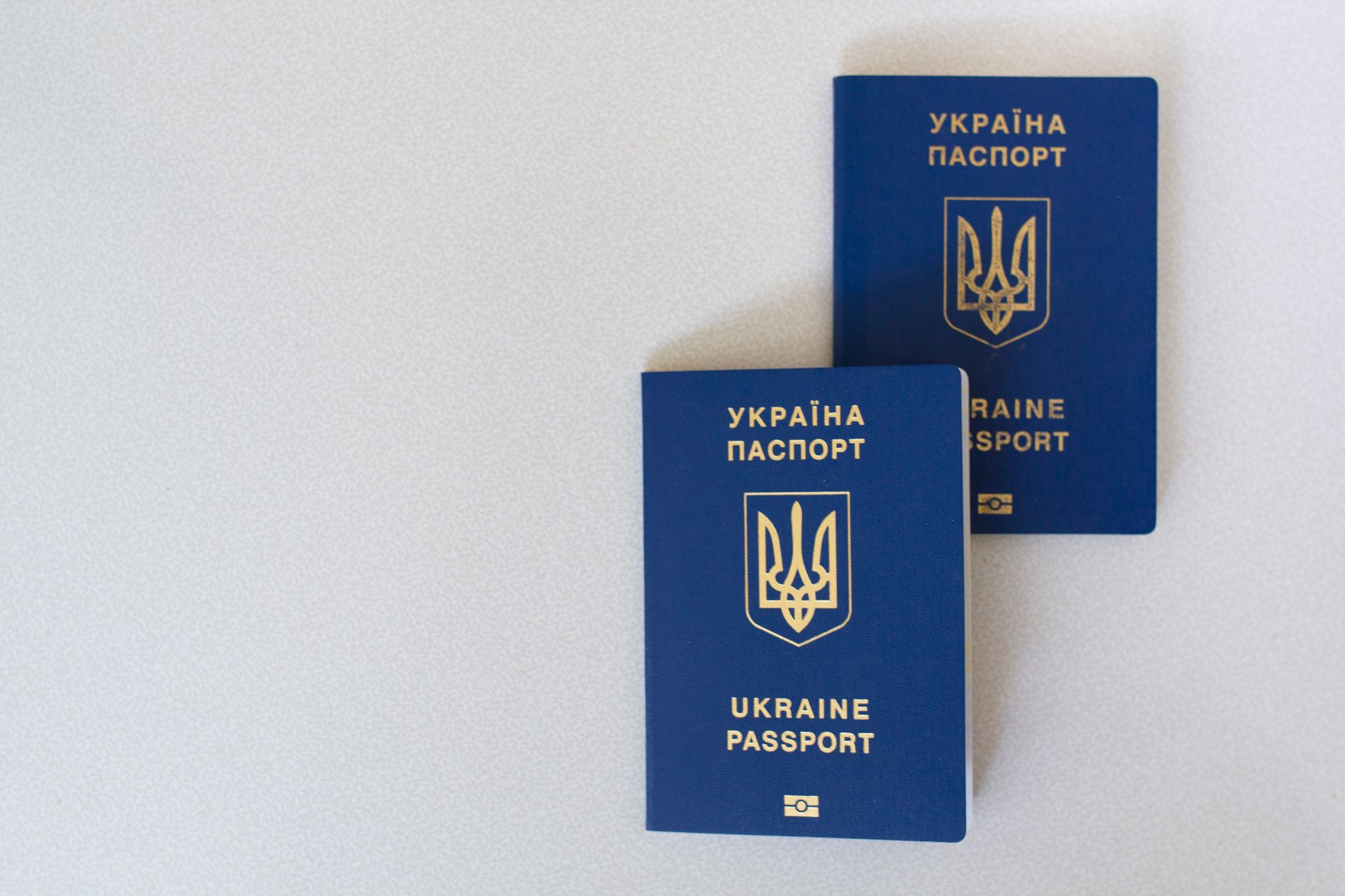
The Schengen visa application process is handled through the embassy or consulate of the Schengen country you will visit first (or where you will spend the most time if visiting multiple countries). Many embassies have outsourced the process to visa centres like VFS Global or BLS International.
- Determine the correct embassy. Apply to the embassy of your primary destination — the first Schengen country you will enter, or the one where you will spend the most days. If transiting only, apply at the embassy of the transit country.
- Book an appointment. Most visa centres require advance appointments, which can be weeks away during peak season (June–August, December). Book as early as possible — processing takes 15 calendar days from the appointment date, not from the day you apply.
- Prepare the required documents. See the full documents list in the next section.
- Attend your appointment. Bring all original documents plus copies. Biometric data (fingerprints and photo) will be taken at the visa centre.
- Pay the visa fee. €90 for adults, €45 for children aged 6–12, free for children under 6. Payment methods vary by country and visa centre.
- Wait for processing. Standard processing is 15 calendar days. In practice, high-demand periods may extend this to 30–45 days. Track your application online using the reference number.
- Collect your passport with the visa sticker. The Schengen visa appears as a sticker in your passport showing allowed dates, number of entries, and permitted countries.
For ETIAS-eligible nationalities looking for a comparison of the two systems, see ETIAS vs Schengen visa and ETIAS vs Schengen visa key differences.
Required Documents for a Schengen Visa

The standard Schengen visa documentation list applies across all member states, though individual countries may request additional documents. Always confirm specific requirements with the target embassy.
Core documents required for all Schengen visa applications:
- Valid passport — must have at least 3 months’ validity beyond the intended departure date and at least two blank pages
- Completed Schengen visa application form (available from embassy or VFS website)
- Two recent passport photos (35mm × 45mm, white background)
- Travel health insurance with minimum €30,000 medical coverage, valid across all Schengen countries
- Proof of accommodation for entire stay (hotel bookings, host letter with their ID)
- Confirmed return or onward flight booking
- Bank statements showing sufficient funds (typically €50–€100 per day of stay)
- Proof of employment or school enrollment and approved leave
- Cover letter explaining purpose of visit
Travel insurance is a mandatory Schengen visa requirement. See the full guide to ETIAS and Schengen travel insurance for what policies qualify. Also review the full ETIAS requirements guide for comparison.
Schengen Visa Cost in 2026
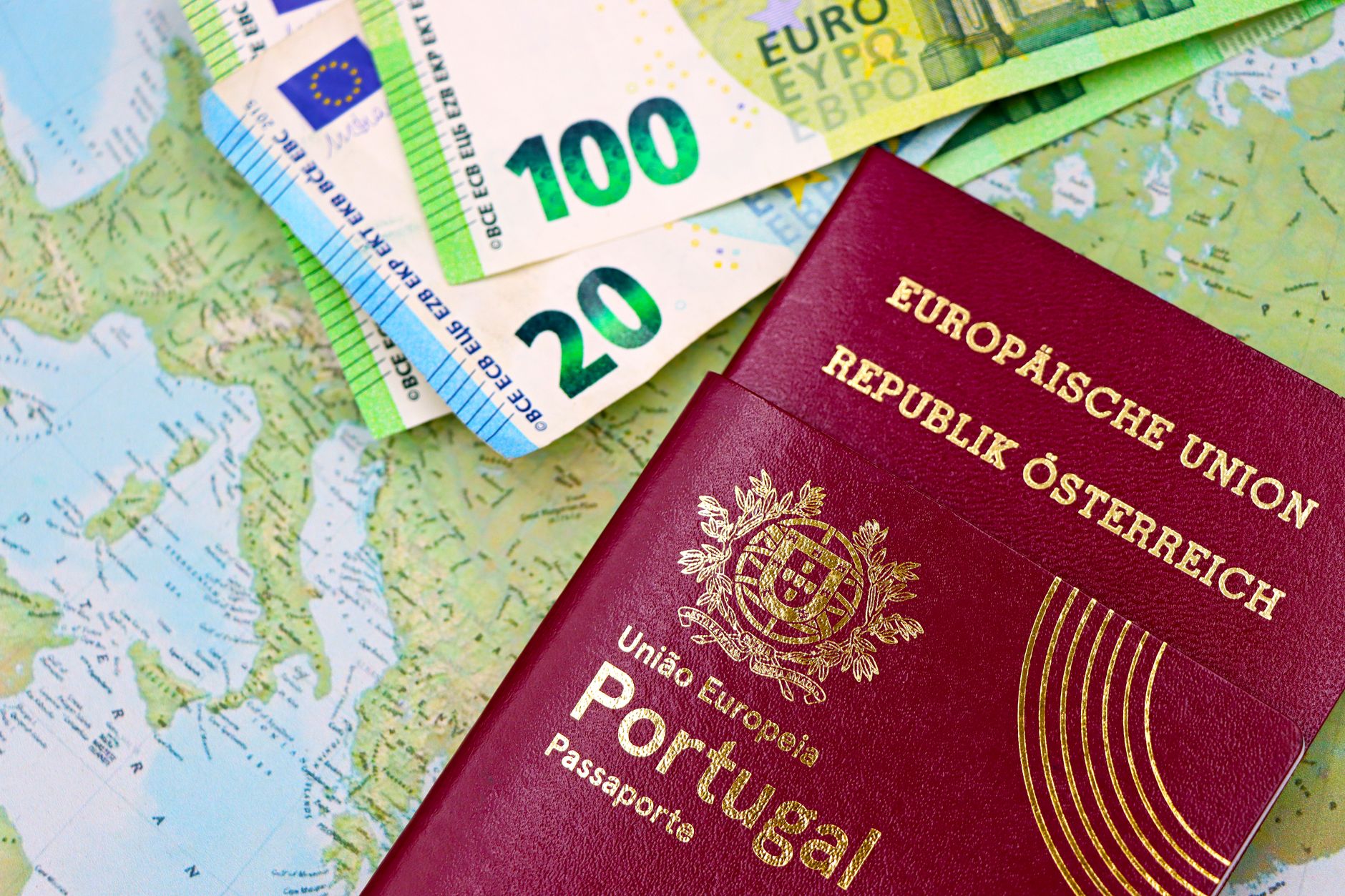
The standard Schengen visa fee schedule for 2026 is set by EU Regulation and is uniform across all member states:
- Adults (18+): €90
- Children aged 6–12: €45
- Children under 6: Free
- Researchers, students, school pupils on approved exchanges: €80
- Citizens of countries with reduced fee agreements: Variable
Visa centre service fees are additional — VFS Global and BLS International typically charge €30–€50 per application on top of the embassy fee. Premium appointment slots and document courier services cost extra. Total out-of-pocket costs for a standard adult application often reach €130–€150 when service fees are included.
By comparison, the ETIAS fee for eligible nationalities is just €20 for 3 years with unlimited entries and no embassy visit. For nationalities currently on the Schengen visa-required list, there is active lobbying in several countries to achieve visa liberalisation — which would transition those nationalities from Schengen visas to the simpler ETIAS system.
For Schengen area geography and country coverage, see Schengen area countries explained and the Schengen 27-country map for ETIAS travellers.
Schengen Visa Tips and Common Mistakes to Avoid

- Apply early. The 15-day processing period begins from the appointment date, not from when you apply online. During summer and Christmas, appointment slots at major embassies can be 6–8 weeks away. Apply 3 months before travel for safety.
- Apply at the correct embassy. Applying at the wrong embassy is one of the most common and costly mistakes. Your Schengen visa is issued by the country of first entry or primary destination. If you apply at the French embassy for a trip starting in Germany, the application may be rejected outright.
- Ensure your insurance meets the minimum. Travel insurance must cover a minimum of €30,000 in medical expenses and include medical repatriation, valid across all Schengen states. Cheap single-country policies are routinely rejected. See medical emergencies in Schengen.
- Show ties to your home country. Embassy officers assess whether you plan to overstay. Include employment contracts, property ownership evidence, family ties, and bank statements showing income. This is the most common reason for refusals.
- Understand the 90/180-day rule. A Schengen visa does not reset at the 90-day mark — the 90 days are calculated across a rolling 180-day window. Overstaying can result in a ban. Track your days carefully. See Schengen 90/180-day rule.
- Check if your nationality qualifies for ETIAS instead. If your nationality is on the EU’s visa-free list, you do not need a Schengen visa — you need ETIAS. Applying for a Schengen visa when you are ETIAS-eligible wastes time and money. See what is ETIAS.
Frequently Asked Questions
What is a Schengen visa and who needs one?
A Schengen visa is an official entry permit required for nationals of countries that do not have visa-free access to the Schengen Area. It allows stays of up to 90 days in any 180-day period across all 29 Schengen countries. Nationals of approximately 100 countries require a Schengen visa; the remaining approximately 60 countries use ETIAS instead from 2026.
How much does a Schengen visa cost in 2026?
The standard Schengen visa fee is €90 for adults and €45 for children aged 6–12. Children under 6 are free. Visa centre service fees add €30–€50 per application, making the typical total cost €120–€150 for an adult. The ETIAS alternative (for eligible nationalities) costs just €20 for 3 years.
How long does a Schengen visa take to process?
Standard processing is 15 calendar days from the appointment date. During peak periods (summer, Christmas, Easter), processing can extend to 30–45 days. Some embassies offer expedited processing for an additional fee. Apply at least 6 weeks before travel to allow for delays.
Can I get a Schengen visa if I have a criminal record?
A criminal record does not automatically disqualify you from a Schengen visa, but it is a significant factor. Minor or spent convictions are generally not disqualifying. Serious convictions, especially drug trafficking or terrorism offences, typically result in refusal. Disclose fully — attempting to conceal convictions is grounds for a 5-year ban.
Do I need a Schengen visa or ETIAS?
It depends on your nationality. If your country is on the EU’s visa-required list (most of Africa, South Asia, Middle East), you need a Schengen visa. If your country is on the visa-free list (UK, US, Canada, Australia, Japan), you will use ETIAS from 2026. Check the official EU visa tool or the ETIAS eligible nationalities guide.
How long is a Schengen visa valid?
A standard Schengen visa allows up to 90 days of stay in any 180-day period. The visa sticker itself has an issue date and expiry date (validity window) — you must enter the Schengen Area within this window. Single-entry visas allow one trip; multiple-entry visas allow multiple trips within the validity period.
Can I work in the Schengen Area on a visa?
No. A standard Schengen visitor visa (type C) does not permit employment. Working on a visitor visa is illegal and a deportation risk. Employment in the Schengen Area requires a national long-stay visa (type D) or work permit issued by the specific member state, regardless of whether you need a Schengen type C visa for tourism.
 English
  Shqip
Shqip  العربية
  Français
  ქართული
  עִבְרִית
  简体中文
简体中文  香港中文
香港中文  繁體中文
繁體中文  Español
  Português do Brasil
  日本語
日本語  한국어
한국어  Bahasa Melayu
  Українська
  Română
  Српски језик
  Türkçe