Schengen travel insurance means the mandatory medical coverage required of every traveller entering the Schengen Area on a traditional visa, and strongly advised for anyone using ETIAS. It must provide a minimum of €30,000 toward emergency medical and repatriation costs, stay valid across all 29 Schengen countries, and run for your entire planned stay.
TL;DR: This cover costs €15–€60 for a typical two-week trip. It needs to cover a minimum of €30,000 of medical expenses including repatriation. It is compulsory for anyone applying for a Schengen visa; ETIAS users are not obliged to hold it, though it is highly recommended. Without it, a medical emergency in Europe can cost tens of thousands of euros.
| Requirement | Detail |
|---|---|
| Minimum medical coverage | €30,000 |
| Required for | All Schengen visa applicants |
| Validity | Must cover every Schengen country and the full trip duration |
| Typical cost | €15–€60 for a 2-week trip |
| ETIAS requirement | Not legally mandatory, strongly recommended |
Whether you enter on a Schengen visa or ETIAS, European healthcare costs can be substantial for uninsured travellers. A hospital stay in Germany or France costs €500–€3,000 per day; emergency air repatriation from a remote area can exceed €50,000. For a comprehensive overview of ETIAS and insurance requirements, see ETIAS travel insurance 2026 and ETIAS travel insurance Europe.
ETIAS launches late 2026 — be first to know
One e-mail the day applications open. No spam.
Who Needs Schengen Travel Insurance?
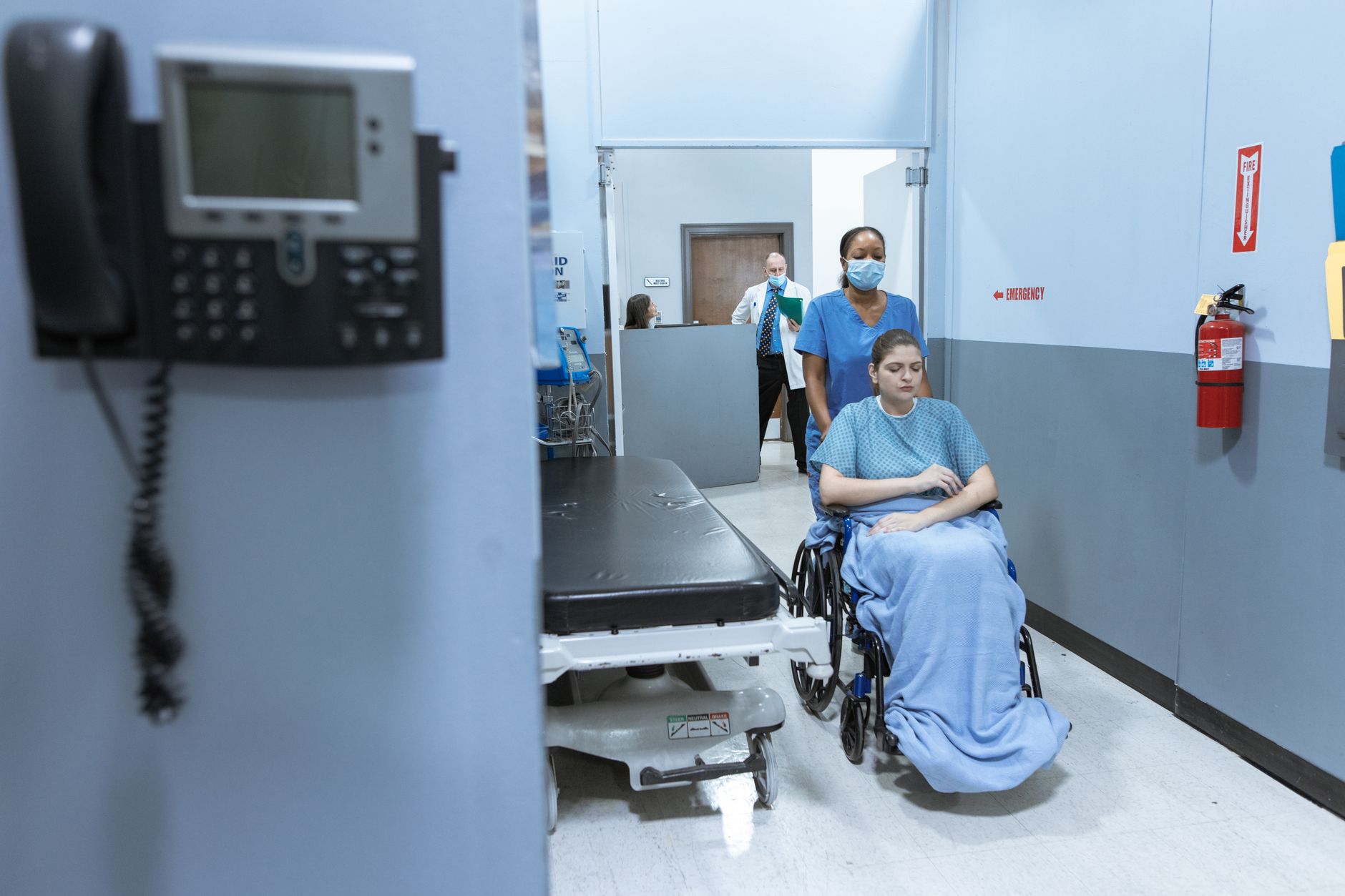
Insurance requirements vary depending on how you enter the Schengen Area:
Compulsory for type C visa holders: Any traveller applying for a Schengen (type C) visa must show proof of valid travel insurance covering no less than €30,000 of medical expenses, valid across every Schengen country, covering the entire proposed stay. Without it, your visa application will be refused. The insurance certificate must be submitted with your visa application at the embassy or visa centre.
Not compulsory for ETIAS users: Nationalities using ETIAS (UK, US, Canada, Australia, Japan, etc.) are not obliged to show travel insurance at the Schengen border. However, border officers in some countries do request it informally, and the absence of insurance is one of the factors considered when assessing whether a traveller has sufficient means for their stay. See ETIAS eligible nationalities.
EU/EEA/Swiss citizens: These travellers have access to the European Health Insurance Card (EHIC) or Global Health Insurance Card (GHIC for UK citizens), which provides access to state-provided healthcare in most Schengen countries at reduced cost. However, the EHIC/GHIC does not cover private treatment, repatriation, cancellation, or theft — private cover is still worth buying on top of it. See medical emergencies in Schengen with EHIC/GHIC and insurance.
| Traveller Type | Insurance Mandatory? | EHIC/GHIC Available? |
|---|---|---|
| Schengen visa applicant | Yes — embassy requires it | No |
| ETIAS traveller | No (recommended) | No (ETIAS nationalities only) |
| EU/EEA/Swiss citizen | No (EHIC covers basics) | Yes |
| UK citizen (GHIC holder) | No (GHIC covers basics) | GHIC (UK version) |
Pro tip: Even if you hold a GHIC, buy additional private travel insurance. The GHIC only covers state hospital treatment at the local rate — it doesn’t pay for private clinics (often the only option in smaller cities), helicopter rescue from the Alps, or repatriation flights home. A broken leg in a Schengen ski resort can result in a private clinic bill of €15,000–€30,000 that the GHIC will not cover.
What Schengen Travel Insurance Must Cover

To satisfy a Schengen visa office, your policy must meet the following minimum requirements as set by the Schengen Convention and Regulation (EC) No 810/2009:
- Minimum medical coverage of €30,000. It must cover emergency medical treatment, hospitalisation, and surgery up to that €30,000 floor. Many visa officers recommend €60,000 for added safety margin, as a single helicopter rescue or ICU stay can exceed €30,000.
- Medical repatriation. It must also cover the cost of emergency repatriation to your home country, including a medical escort if required. This is one of the most expensive elements of travel emergencies — covered policies pay it; uninsured travellers face bills of €20,000–€100,000.
- Validity across every Schengen state. The certificate has to state explicitly that it covers all Schengen member states. Policies that name specific countries or exclude certain territories are not accepted.
- Coverage for the full duration of stay. The insurance must be valid from your entry date to your exit date. A policy ending 2 days before your planned departure will not be accepted.
- Certificate format. The insurer must provide a certificate (not just a policy wording document) showing your name, coverage dates, sum insured, and confirmation it covers all Schengen states. Digital certificates are now widely accepted.
Additional coverage that, while not mandatory, significantly improves the value of a Schengen policy includes: trip cancellation/curtailment, baggage and personal effects, personal liability, legal expenses, and missed departure cover.
How Much Does Schengen Travel Insurance Cost?

This cover is generally affordable relative to the protection it buys. Prices vary based on age, destination, trip duration, and coverage level.
Typical costs for a healthy adult (30–50 years old):
- 1-week trip to Western Europe: €8–€25
- 2-week trip to Western Europe: €15–€40
- 1-month trip across multiple Schengen countries: €40–€100
- Year-round multi-trip policy (unlimited European trips): €80–€200
Factors that increase the cost:
- Age over 65 — premiums increase significantly for older travellers, though this group is most likely to need medical coverage
- Pre-existing medical conditions — declare all conditions; undisclosed conditions invalidate claims
- High-risk activities — skiing, mountain hiking, and water sports often require additional premiums or separate adventure sports riders
- Higher coverage limits — policies with €60,000+ medical coverage cost more but offer greater protection
For visa-free ETIAS visitors from the UK, US, or Australia, single-trip Schengen insurance policies are available from major insurers including AXA, Allianz, Europ Assistance, and many national providers. Yearly multi-trip policies are cost-effective for frequent travellers. Also see healthcare in Europe for travellers.
Choosing the Right Schengen Travel Insurance Policy

Not all travel insurance policies that claim to be “Schengen-compliant” actually meet embassy requirements. Before purchasing, verify these specific points:
- Confirm the €30,000 minimum sum insured. Some budget policies offer lower medical coverage — these will be rejected by Schengen visa offices. The sum insured should be clearly stated on the certificate, not buried in the policy schedule.
- Check the emergency number works in Europe. Your insurer’s 24/7 emergency line must function internationally. Test it before departure. If you need emergency assistance in Paris at 3am, a UK-only number that doesn’t connect internationally is useless.
- Read the exclusions carefully. Most policies exclude pre-existing conditions unless disclosed and underwritten. Terrorism-related incidents are excluded from some cheaper policies. High-risk sports require specific add-ons. Alcohol-related injuries are excluded by most insurers.
- Check cancellation cover limits. If you’re booking expensive non-refundable flights and hotels for a European trip, ensure your cancellation cover is high enough to recover the full cost if you must cancel due to illness, bereavement, or adverse events.
- Consider an annual policy if you travel more than twice per year. If you make three or more trips to Europe each year, a year-round multi-trip policy (typically €80–€200) saves money versus buying single-trip cover each time. See ETIAS multiple entries for travel patterns.
For broader ETIAS travel preparation, see ETIAS complete travel checklist for Europe and Europe packing checklist for ETIAS travellers.

Frequently Asked Questions
Is Schengen travel insurance mandatory?
Yes — if you are applying for a Schengen visa, insurance is mandatory. You cannot get a Schengen visa without submitting proof of insurance covering the €30,000 minimum. ETIAS visitors (UK, US, Canada, etc.) face no such legal requirement at the border, but it is strongly recommended, and officers may still ask to see it.
What is the minimum coverage for Schengen travel insurance?
The minimum legal requirement is €30,000 of emergency medical coverage, including repatriation, valid across every Schengen country for the full duration of stay. Many experts recommend at least €60,000 given that a single emergency hospitalisation or air evacuation can easily exceed €30,000 in Western Europe.
How much does Schengen travel insurance cost?
A typical two-week Schengen policy costs €15–€40 for a healthy adult. Premiums increase with age, pre-existing conditions, and higher coverage limits. Annual multi-trip policies cost €80–€200 and cover unlimited European trips within a 12-month period.
Does the EHIC or GHIC replace travel insurance?
No. The EHIC (EU citizens) and GHIC (UK citizens) cover state-provided healthcare at the local patient rate — but they do not cover private hospitals, repatriation, medical escorts, trip cancellation, baggage loss, or personal liability. Private cover is recommended in addition to any health card, not instead of it.
Can I buy Schengen travel insurance after arriving in Europe?
If you are applying for a Schengen visa, no — you must show the certificate when submitting your application before travel. ETIAS visitors can technically buy a policy after arriving, but this creates a gap in coverage during the journey. Always buy insurance before your departure date.
Does Schengen travel insurance cover COVID-19?
Most standard travel insurance policies sold in 2025–2026 include COVID-19 medical treatment as a covered condition. However, policies vary on trip cancellation for COVID-related reasons. Check the policy wording specifically — “COVID-19 is covered for medical costs” and “COVID-19 is covered for cancellation” are two separate considerations.
Do I need Schengen travel insurance for every country or just one?
One policy covers all 29 Schengen countries. You do not need separate insurance for each country on a multi-country European trip. Your policy needs to state explicitly that it is valid across all Schengen member states — one naming only Germany, for example, is not sufficient for a trip that also includes France and Spain. See Schengen area countries explained.
 English
  Shqip
Shqip  العربية
  Français
  ქართული
  עִבְרִית
  简体中文
简体中文  香港中文
香港中文  繁體中文
繁體中文  Español
  Português do Brasil
  日本語
日本語  한국어
한국어  Bahasa Melayu
  Українська
  Română
  Српски језик
  Türkçe