Booking an Italy Schengen visa appointment is the first formal step for visa-required travellers, and getting the slot, documents and fee right the first time avoids weeks of delay. This guide walks through who actually needs a visa versus ETIAS, how to secure an appointment, exactly which documents to bring, and how long a decision takes.
TL;DR: Visa-required nationals must book a visa appointment through the official consulate or its authorised visa centre, bring a full document file, and pay the €90 adult fee. Standard processing is around 15 calendar days. Visa-exempt travellers do not book a visa at all — they only need the €20 ETIAS authorisation.
| Quick Facts | Detail (2026) |
|---|---|
| Adult visa fee | €90 |
| Child fee (6–11) | €45 |
| Standard processing | About 15 calendar days |
| Maximum processing | Up to 45 days in complex cases |
| Apply from | Up to 6 months before travel |
| ETIAS alternative | €20, for visa-exempt nationals only |
Before booking anything, confirm which document your nationality requires. Our ETIAS vs Schengen visa comparison and ETIAS eligible nationalities guide make the distinction clear in minutes.
ETIAS launches late 2026 — be first to know
One e-mail the day applications open. No spam.
Do you need an Italy Schengen visa or ETIAS?

You need a Schengen visa for Italy only if your nationality is on the EU visa-required list; visa-exempt nationals instead apply for the €20 ETIAS authorisation, which is not a visa and is approved online within minutes for most applicants. Booking a visa appointment when you actually qualify for ETIAS wastes both time and money.
The EU sets the common visa policy that all member states, including Italy, apply (European Commission, visa policy, accessed 23 June 2026). If you are visa-exempt, skip the consulate entirely and read our what is ETIAS guide and the official who should apply page. If you are visa-required, a Schengen visa appointment is mandatory and the rest of this guide is for you.
Pro tip: Apply to the country where you will spend the most nights, or your first point of entry if nights are equal. Booking with the wrong consulate is one of the most common reasons applications are rejected before they are even assessed.
How to book an Italy Schengen visa appointment

Book your visa appointment through the Italian Ministry of Foreign Affairs portal or its authorised visa centre in your country, choosing the consulate responsible for your region and the correct short-stay visa type. Appointment slots can fill weeks ahead in peak season, so start as soon as your travel dates are confirmed.
- Check jurisdiction: find the Italian consulate or visa centre covering your area via the official Italian Ministry of Foreign Affairs (accessed 23 June 2026).
- Create an account: register on the Visa for Italy portal and complete the application form (accessed 23 June 2026).
- Pick a slot: select the earliest available appointment that gives you time to gather documents.
- Attend in person: bring your file and give biometrics if you have not done so in the last 59 months.
Apply no earlier than six months and ideally at least three weeks before travel. For trip planning around the booking, see our best European destinations and visiting Rome guides.
If the nearest consulate has no slots, do not panic and do not pay a third party for a “guaranteed” booking. Authorised visa centres release new appointments regularly, so checking the portal at different times of day often surfaces a cancellation. Where Italy has appointed an external service provider, that centre handles document collection and biometrics on the consulate’s behalf, and a small service charge applies on top of the visa fee. Always verify the provider is the officially authorised one before sharing any personal data or payment details.
Documents required for your Italy Schengen visa appointment
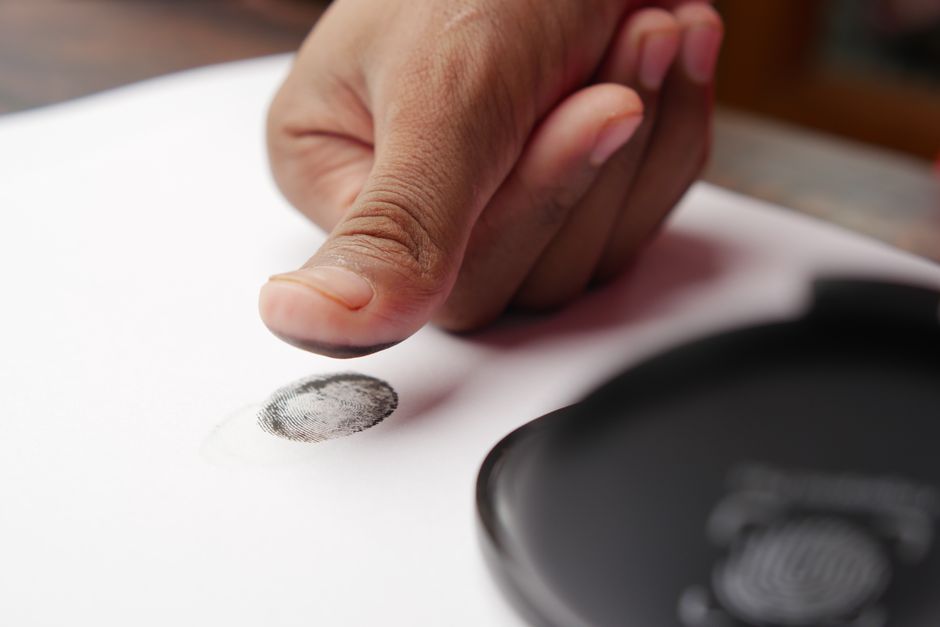
For this visa appointment you need a passport valid for at least three months beyond departure, the completed application form, a recent biometric photo, travel medical insurance covering €30,000, proof of accommodation, return travel and sufficient funds. Missing even one item usually means rebooking from scratch.
Travel medical insurance is mandatory for the whole Schengen Area, which Italy is part of (European Commission, Schengen Area, accessed 23 June 2026). Choose a compliant policy using our travel insurance guide, and confirm the countries covered in our Schengen area explained overview. Keep originals and one photocopy of every document.
Tailor the file to your purpose of travel. Tourists typically add a day-by-day itinerary and hotel bookings, business visitors include an invitation letter from the Italian company, and those visiting family or friends provide a host declaration. Bank statements covering the last three months, proof of employment or studies, and evidence of strong ties to your home country all strengthen the application by showing you intend to return. Organise everything in the order the checklist lists it, because a tidy, complete file is assessed faster than a disorganised one.
Italy Schengen visa fees and processing times
The standard Schengen visa fee for Italy is €90 for adults and €45 for children aged 6 to 11, with under-6s exempt, and most decisions arrive in about 15 calendar days, though complex cases can take up to 45 days. The fee is generally non-refundable even if the visa is refused.
| Applicant | Fee | Notes |
|---|---|---|
| Adult | €90 | Standard short-stay visa |
| Child 6–11 | €45 | Reduced rate |
| Child under 6 | Free | No fee |
Apply early in peak season because consulate queues lengthen from spring onwards. Compare typical short-stay costs in our Schengen visa guide and check which nationalities skip the visa entirely in our ETIAS country list.
Common mistakes and how to avoid them
The most frequent errors are booking the wrong consulate, applying too late, buying non-compliant insurance, and showing weak proof of funds or accommodation, each of which can trigger a refusal of an otherwise valid application. A careful checklist beats a last-minute scramble every time.
- Wrong jurisdiction: always apply to the consulate covering your residence and main destination.
- Late booking: peak-season slots vanish, so reserve as early as possible.
- Insurance gaps: policies must cover at least €30,000 across the whole Schengen Area.
- Thin evidence: show clear bookings, funds and ties to your home country — see the official European Commission portal for cross-border rules (accessed 23 June 2026).
After your appointment: decision, collection and travel
After your appointment the consulate assesses your file, returns your passport with the visa sticker if approved, and provides written reasons plus an appeal route if refused. Always check the validity dates and permitted number of entries on the sticker before you travel.
Once you hold the visa, the 90-days-in-180 short-stay rule applies across the Schengen Area, not just Italy (European Union, country profiles, accessed 23 June 2026). Plan multi-country trips with our Schengen area guide, and if your circumstances change and you become visa-exempt later, switch to the simpler ETIAS process.
Frequently Asked Questions
How do I book an Italy Schengen visa appointment?
Register on the official Visa for Italy portal, complete the form, select the consulate covering your region and choose an available slot. Attend in person with your documents and biometrics. Start early because peak-season slots fill fast.
How much does an Italy Schengen visa cost in 2026?
The standard fee is €90 for adults and €45 for children aged 6 to 11, with under-6s free. The fee is usually non-refundable even if the application is refused.
How long does processing take?
Most decisions arrive in about 15 calendar days, but complex cases can take up to 45 days. Apply at least three weeks before travel, and earlier in peak season.
Do I need ETIAS or a Schengen visa for Italy?
Visa-required nationals need a Schengen visa; visa-exempt nationals need only the €20 ETIAS authorisation. Check your nationality before booking any appointment to avoid wasted time and fees.
What insurance do I need for the appointment?
You need travel medical insurance covering at least €30,000 across the entire Schengen Area for the full trip dates. Non-compliant or short-dated policies are a common cause of refusal.
Can I apply for any Schengen country and visit Italy?
Apply to the country of your main stay, or your first entry if nights are equal. If Italy is your main destination, your appointment must be with Italian authorities.
What if my visa is refused?
You receive written reasons and an appeal route. You can address the stated issues and reapply, or appeal within the deadline noted in the refusal letter.
Do I need to give fingerprints every time?
No. Biometric data is reused for up to 59 months, so if you have given fingerprints for a recent Schengen visa you may not need to attend in person again. Confirm this when booking, as policies can vary by consulate and case.
Securing an Italy Schengen visa appointment is straightforward once you confirm you actually need a visa, book with the right consulate, and bring a complete document file with compliant insurance and the €90 fee. Visa-exempt travellers can skip it entirely and simply sort the €20 ETIAS authorisation instead — either way, start early and travel with confidence.
Last updated: 2026-06-23 — verified against europa.eu and esteri.it guidance.
 English
  Shqip
Shqip  العربية
  Français
  ქართული
  עִבְרִית
  简体中文
简体中文  香港中文
香港中文  繁體中文
繁體中文  Español
  Português do Brasil
  日本語
日本語  한국어
한국어  Bahasa Melayu
  Українська
  Română
  Српски језик
  Türkçe