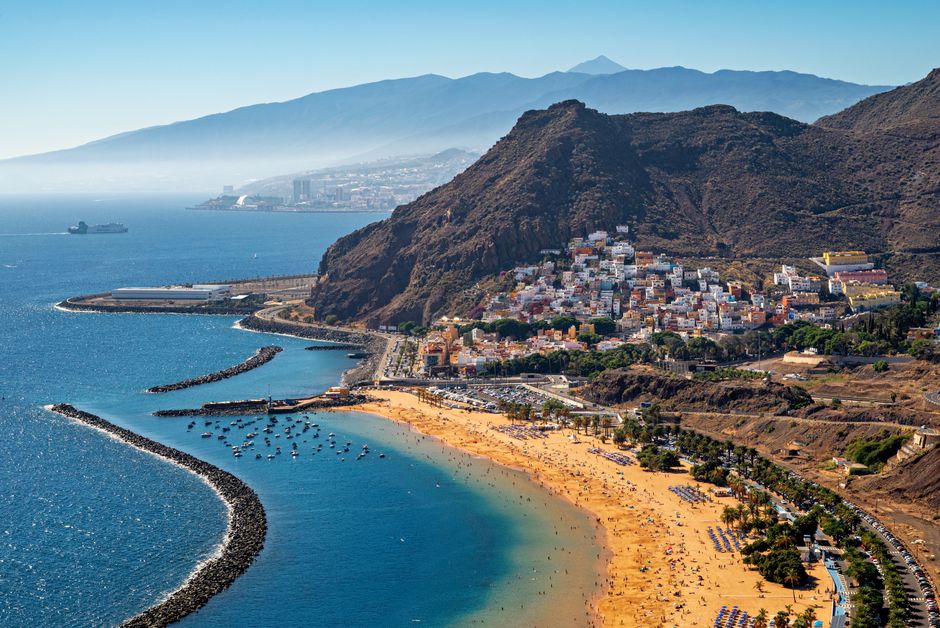
Looking for warm places to travel in December in Europe? The Canary Islands top the list, with December highs near 22°C in Tenerife while most of the continent shivers below 8°C. Southern Spain, Malta, Cyprus, Madeira and southern Portugal all stay mild, and once ETIAS launches most non-EU visitors will need the €20 travel authorisation before they fly. Below are the sunniest winter escapes, ranked, and the paperwork you actually need.
TL;DR: The warmest December spots in Europe are the Canary Islands (≈22°C), Madeira (≈20°C) and Cyprus (≈19°C), followed by Malta, southern Spain and the Algarve. Most are in Schengen, so once ETIAS launches, non-EU travellers will need an authorisation costing €20, valid three years. By October 2026 no launch date had been announced. Applicants under 18 or over 70 pay nothing.
| Quick Facts | Detail |
|---|---|
| Warmest spot in December | Canary Islands — daytime highs ≈21–22°C |
| Runner-up escapes | Madeira ≈20°C, Cyprus ≈19°C, Malta ≈17°C |
| ETIAS fee (once launched) | €20 per adult; free under 18 and over 70 |
| ETIAS validity | 3 years, or until your passport expires |
| Stay limit | 90 days in any 180-day period |
Key facts
ETIAS launches late 2026 — be first to know
One e-mail the day applications open. No spam.
- The official ETIAS scheme has not launched yet — the EU has not announced a start date and will do so several months in advance — and will cost €20 per adult.
- Travellers under 18 and over 70 pay no ETIAS fee but still need an authorisation (European Commission, 2026).
- Europe drew a record 747 million international arrivals in 2024 (Eurostat tourism statistics).
- The Canary Islands, Madeira and southern Iberia keep December sea temperatures around 19–20°C.
- You can stay 90 days in any 180 across the Schengen area, which is plenty for a long winter break. See our what is ETIAS guide.
Best warm places to travel in December in Europe
The best December sun in Europe is in the Canary Islands, Madeira, Cyprus, Malta, southern Spain and the Algarve, where daytime highs stay between 16°C and 22°C. Each sits far enough south to dodge the grey Atlantic winter, and every one is reachable on a short-haul flight from major European hubs.
Tenerife and Gran Canaria are the warmest of the lot. December highs sit near 21–22°C, the ocean stays around 20°C, and rain is rare in the south of both islands. Madeira runs a close second at roughly 20°C, with green mountains instead of beaches. Cyprus and Malta hover around 17–19°C — warm enough for a coastal walk in a light jacket, though sea swimming gets bracing. On the Spanish mainland, Málaga and Seville average 17°C, and Portugal’s Algarve sits just behind at 16–17°C. Planning a city stop too? Our Barcelona ETIAS guide covers the mainland side of a Spanish trip.
| Destination | Avg December high | Sea temp | Best for |
|---|---|---|---|
| Tenerife (Canaries) | ≈22°C | ≈20°C | Beaches, hiking Teide |
| Funchal (Madeira) | ≈20°C | ≈20°C | Levada walks, New Year fireworks |
| Paphos (Cyprus) | ≈19°C | ≈19°C | Ruins, coastal walks |
| Valletta (Malta) | ≈17°C | ≈18°C | History, Christmas lights |
| Málaga (Spain) | ≈17°C | ≈16°C | Tapas, museums, Costa del Sol |
| Faro (Algarve) | ≈16°C | ≈16°C | Quiet beaches, golf |
How warm does it actually get in December?
Southern European December temperatures split into two tiers: the subtropical Canaries and Madeira at 20–22°C, and the Mediterranean south — Malta, Cyprus, Sicily, Crete and southern Iberia — at 16–19°C. Nights are cooler everywhere, dropping to 12–15°C, so pack a jumper even for the Canaries.
Here is the catch nobody mentions: warm air does not mean warm water in the Med. By December the sea off Sicily or Crete has cooled to about 17°C, fine for a quick dip but not for lounging. The Canaries and Madeira, warmed by the Atlantic’s subtropical current, hold near 20°C year-round — that is why they draw serious winter beachgoers. Daylight is short in December: expect roughly 10 hours of light in the Canaries and closer to 9.5 hours in Malta. Plan outdoor sightseeing before 4pm.
Pro tip: Book the south or south-west coast of each island. In Tenerife, Playa de las Américas and Los Cristianos get noticeably more sun than the cloudier north around Puerto de la Cruz — the difference can be 3–4°C and a whole afternoon of sunshine.
Do you need ETIAS for a December trip to these spots?
Not yet. As of October 2026 ETIAS is not running and has no announced start date, but once it launches most non-EU visitors will need a €20 ETIAS to reach the Canary Islands, Madeira, Malta, mainland Spain, Portugal, Italy and Greece, because all of them are in Schengen. The authorisation is valid for three years and covers unlimited short stays up to 90 days in 180.
Spain, Portugal (including Madeira), Malta, Italy (Sicily) and Greece (Crete) are full Schengen members, so a single ETIAS covers island-hopping between them. Cyprus is an EU country outside the Schengen area, but ETIAS will still be required there: it will apply to 30 European countries, the Schengen states plus Cyprus. See the official ETIAS portal for details. Gibraltar, a popular Costa del Sol day trip, is not in Schengen either. The fee itself is settled: the European Commission confirmed the €20 charge in July 2025, up from the €7 originally proposed. Children under 18 and travellers over 70 pay nothing, though everyone still needs an approved application. Our ETIAS cost guide and step-by-step application guide walk through the process, and the requirements checklist lists what you need before you start.
Not sure whether your winter-sun island is inside Schengen? Our Schengen countries explainer maps it out, and the Ireland non-Schengen guide shows how the rules differ outside the zone.
What to do in the warm south in December
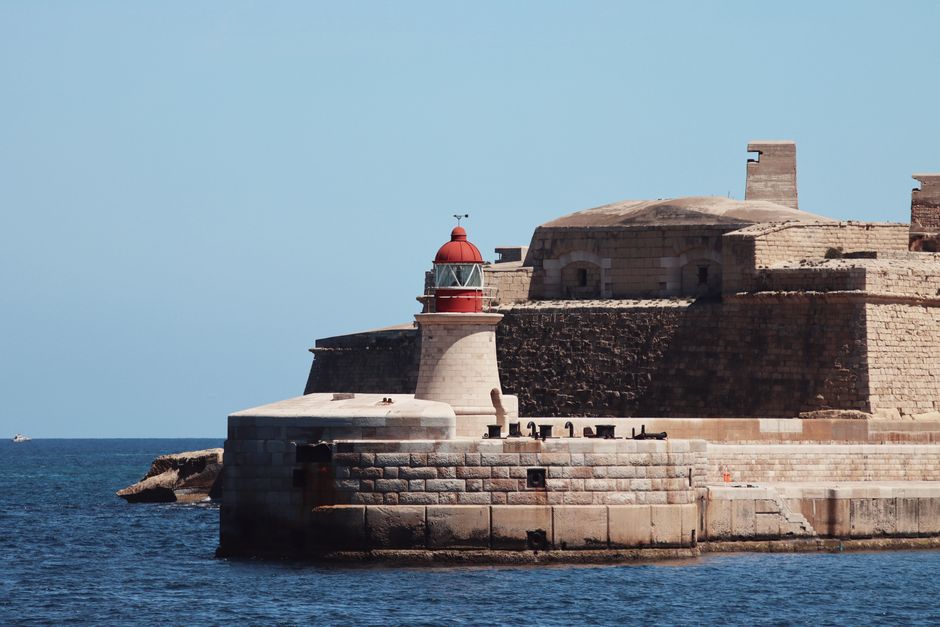
December in southern Europe pairs beach weather with Christmas atmosphere: swim in Tenerife at lunchtime, then browse a Málaga Christmas market at dusk under one of Europe’s brightest light shows. The shoulder season also means thinner crowds and lower prices than July.
Concrete ideas by destination. In Tenerife, hike Teide National Park in the morning — the summit sometimes has snow while the coast hits 22°C — then hit the black-sand beaches. Madeira throws one of the world’s biggest New Year’s Eve firework displays over Funchal harbour, so late-December trips are worth it. Málaga switches on a famous Calle Larios light show every evening from late November. In Malta, Valletta’s Baroque streets stay mild for walking, and the island’s Christmas cribs (presepji) are a genuine local tradition. Crete and Sicily are quiet and cheap in December — perfect for ruins and long lunches without summer queues. If islands are your thing, our island-hopping guide and Greek islands guide help you plan a multi-stop route.
Practical tips for a warm European December
Travel smart: book winter-sun islands early because December seats sell out, pack layers for cool nights near 13°C, and sort your €20 ETIAS as soon as the portal opens so paperwork never delays a booking. A little planning turns a grey-month getaway into the cheapest sunshine on the continent.
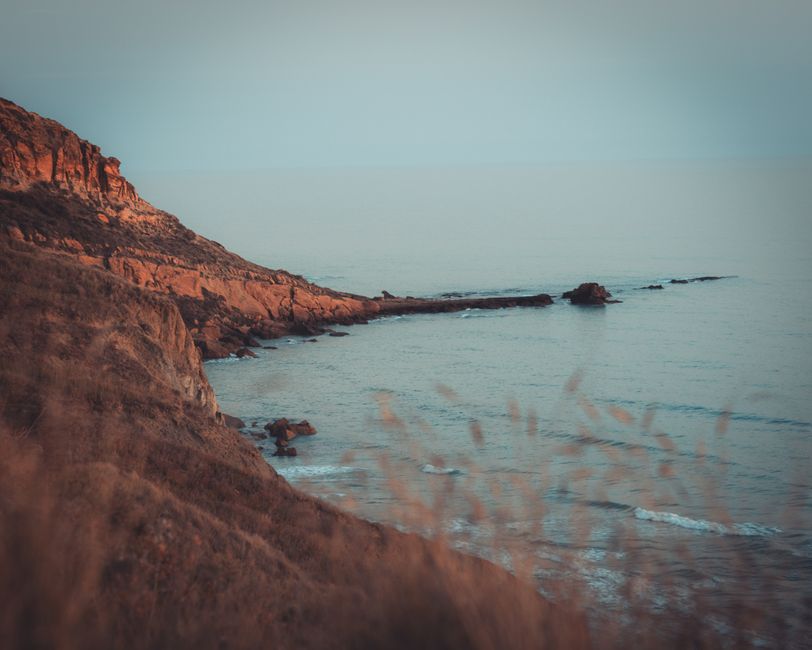
- Book flights early: Canary and Madeira routes fill fast over Christmas and New Year — prices jump sharply after mid-December.
- Pack for two climates: shorts for 22°C afternoons, a fleece for 13°C evenings and higher altitudes like Teide.
- Mind daylight: with roughly 10 hours of light, front-load outdoor plans before 4pm.
- Sort ETIAS first: apply once the system goes live (no start date has been announced yet); our guide to identifying genuine application sites shows what the official portal looks like.
- Compare seasons: our winter vs summer guide and budget travel guide help you time the trip.
As an illustration: once ETIAS is live, a couple flying to Tenerife for a week would each need a €20 ETIAS (€40 in total) and a passport valid well beyond the trip. Miss the paperwork and the airline can refuse boarding — the authorisation is checked before departure, not on arrival.
Frequently Asked Questions
Where is it warmest in Europe in December?
The Canary Islands are the warmest, with December highs near 21–22°C in Tenerife and Gran Canaria. Madeira follows at about 20°C, then Cyprus at 19°C and Malta around 17°C.
Can you swim in the sea in Europe in December?
Yes, comfortably in the Canary Islands and Madeira, where the Atlantic holds near 20°C. Mediterranean spots like Sicily and Crete cool to about 17°C: fine for a quick swim, but chilly for lounging.
Do I need ETIAS to visit the Canary Islands in December?
Only once the system launches. The Canary Islands belong to Spain and sit inside Schengen, so non-EU travellers will need a €20 ETIAS when it starts. In October 2026 it was still not running, with no start date announced. It is valid three years and free for under-18s and over-70s.
Is December a cheap time to visit southern Europe?
Generally yes, outside the Christmas and New Year peak. Malta, Sicily, Crete and the Algarve are noticeably cheaper than in summer, with lower hotel rates and thin crowds.
Which warm European spots are outside Schengen?
Cyprus is in the EU but not in Schengen, and ETIAS will still apply there once it launches. Gibraltar is a British territory with its own entry rules, so check requirements on the official portal before you book.
How much daylight is there in December in the Canaries?
About 10 hours, with sunrise near 7:30am and sunset around 6pm. That is roughly 30–60 minutes more than mainland Mediterranean cities, so plan outdoor activities for the middle of the day.
When should I apply for ETIAS for a December 2026 trip?
As of October 2026 ETIAS is not running and no start date has been announced; the EU will announce it several months in advance. You cannot apply before launch, so check the official portal and apply once it goes live, before booking non-refundable travel. Most approvals arrive within minutes, but some take up to a few days, so leave a buffer.
About the author: The europe-visa.eu editorial team tracks EU entry rules and ETIAS updates for non-EU travellers, using official European Commission sources. We are an independent travel-information website — not a government body; ETIAS applications are made on the official portal. Last updated: 26 October 2026
 English
 Shqip
 العربية
 Français
 ქართული
 עִבְרִית
 简体中文
 香港中文
 繁體中文
 Español
 Português do Brasil
 日本語
 한국어
 Bahasa Melayu
 Українська
 Română
 Српски језик
 Türkçe