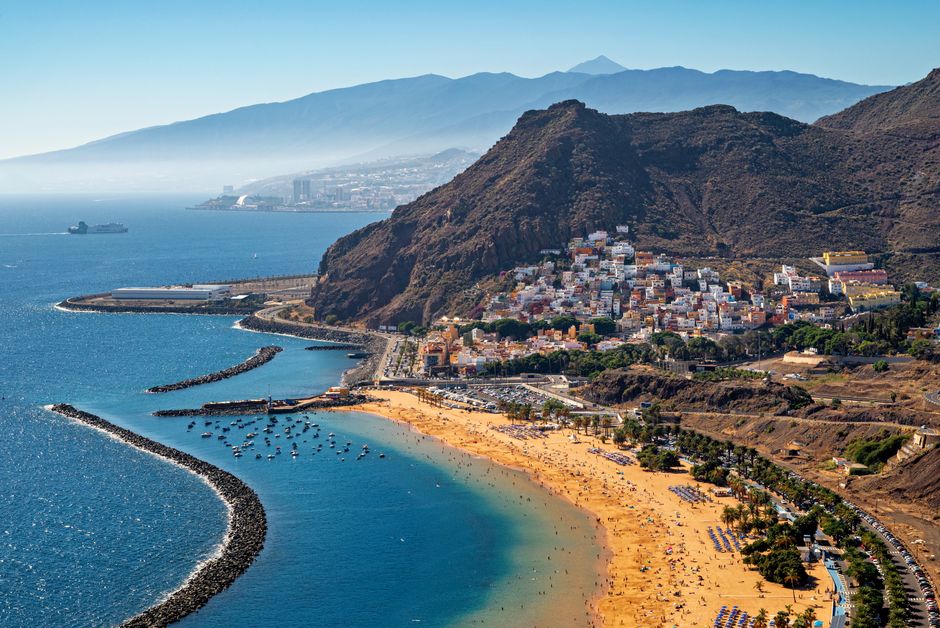
Yes, you will need ETIAS for the Canary Islands once it launches, because Tenerife, Gran Canaria, Lanzarote and the rest of the archipelago are part of Spain and sit inside the Schengen area. The islands feel far from mainland Europe, and their tax rules are different, but at passport control they follow the same entry rules as Madrid or Barcelona. Non-EU visitors who don’t need a visa will pay a single €20 fee, valid for three years. As of October 2026, ETIAS is not yet in operation and the EU has yet to set a start date.
TL;DR: The Canary Islands belong to Spain and the Schengen zone, so non-EU travellers who don’t need a visa will have to get ETIAS when it goes live. No start date has been set yet; the EU will announce it several months in advance. It costs €20, lasts three years, and is free for under-18s and over-70s. One authorisation covers every island, so you don’t apply island by island.
| Quick Facts | Detail |
|---|---|
| ETIAS needed for Canaries? | Yes — Spain, inside Schengen |
| Fee | €20 per adult; free for under-18s and over-70s |
| Validity | 3 years or until your passport expires |
| Covers | All 8 islands on one authorisation |
| Launch | Not live yet; the EU will announce the start date several months ahead |
Key facts
ETIAS launches late 2026 — be first to know
One e-mail the day applications open. No spam.
- The official ETIAS scheme will cost €20. It isn’t running yet, and Brussels will give several months’ notice of the start date.
- ETIAS is free for travellers under 18 and over 70 (European Commission, 2026).
- The €20 fee was confirmed by the EU in July 2025.
- Spain welcomed roughly 94 million international visitors in 2024, many of them heading for the islands (Eurostat, 2024).
- One ETIAS covers unlimited trips during its three years of validity. Start with our what is ETIAS guide and the ETIAS cost guide.
Do you need ETIAS for the Canary Islands?
Yes. The Canaries are Spanish territory and part of the Schengen zone, so once the system is running, non-EU travellers who don’t need a visa (British, American, Canadian, Australian and dozens more) must hold a valid ETIAS to land in Tenerife, Fuerteventura or any other island. What counts is your nationality and passport, not which island you fly to.
Here is where people get confused. The Canaries have a special status for VAT and customs, which is why cigarettes and perfume are cheaper and why you fill in a customs form some airlines hand out. That status is purely fiscal. It does not pull the islands out of Schengen for immigration, so the travel authorisation works exactly as it does for the mainland. A Londoner flying Gatwick to Tenerife South clears the same passport check as one flying to Alicante. Check whether your country is on the list in our countries that need ETIAS guide, and confirm the paperwork in the ETIAS requirements checklist.
Are the Canary Islands in the Schengen area?
Yes. Although they lie 1,000km off Morocco and 2,000km from Madrid, the Canaries belong fully to Spain and to Schengen, with the same 90-days-in-180 stay limit and the same border rules that now cover 29 countries. Their distance from the mainland has no effect on their legal status.
Schengen grew to 29 countries when Bulgaria and Romania joined on 1 January 2025, and Spain (Canaries included) has been in the zone since 1995. This affects how you count your days: time spent sunbathing in Playa del Inglés comes out of the same 90-day allowance as days in Paris or Rome. On a long winter escape you can use up the limit quickly. Our 90/180 day rule guide shows how to count correctly, and the Schengen countries map explains where the zone applies.
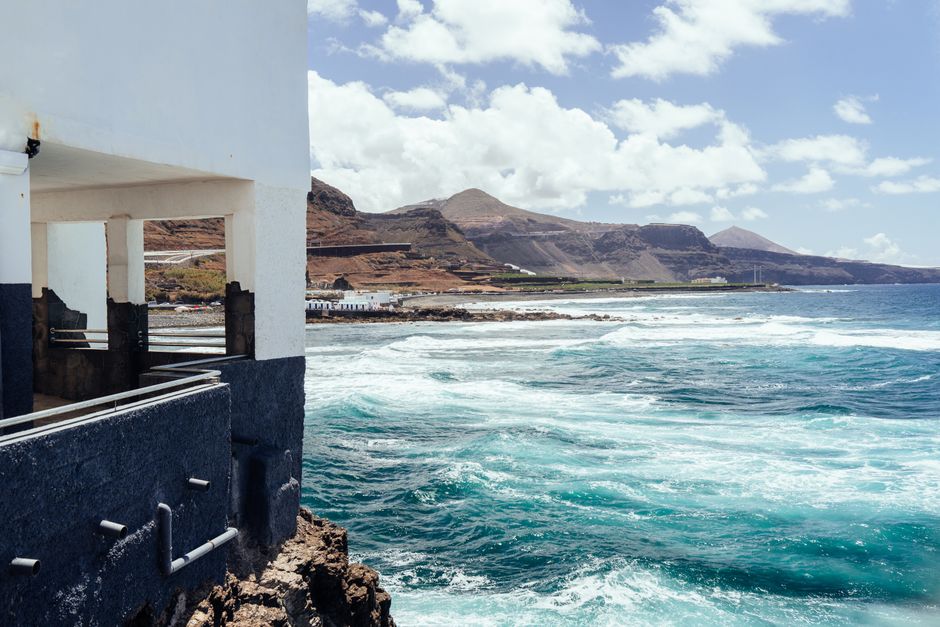
ETIAS for the Canary Islands: cost, validity and exemptions
An ETIAS for the Canaries costs €20 for adults and lasts three years or until your passport expires. Anyone under 18 or over 70 pays nothing, but still has to complete an application. One approval covers every island and unlimited trips while it is valid.
You pay once for several years, not per trip. Retirees who spend three winters running in Gran Canaria pay once, not every year, as long as the passport stays valid. A family of four (two parents aged 45, two children aged 12 and 16) needs a separate authorisation for each person, linked to their own passport; check the official EU site for current fee rules and exemptions. The ETIAS visa cost guide sets out the numbers, and the ETIAS validity guide covers the edge cases.
| Traveller | ETIAS fee | Needs application? |
|---|---|---|
| Adult 18–69 | €20 | Yes |
| Child under 18 | Free | Yes |
| Adult 70+ | Free | Yes |
| EU citizen | Not applicable | No |
How to apply for ETIAS before a Canary Islands holiday
Applying will take most people about 20 minutes online: fill in passport and trip details, answer background questions, pay €20 by card, and wait for approval — usually minutes, occasionally up to four days if a check is flagged. The official application runs on travel-europe.europa.eu or the official ETIAS mobile app.
- Get your passport ready: it must be valid and biometric; the ETIAS links to that exact document.
- Open the official portal at travel-europe.europa.eu (or use the official ETIAS app) once ETIAS launches. Bookmark it now.
- Enter your details: name, passport number, first Schengen country (Spain, if the Canaries are your entry point).
- Answer the security questions honestly, then pay the €20 by card.
- Wait for the email and check the status matches your passport before you fly.
Do it early. Book the authorisation as soon as flights are confirmed, not the night before departure. The official fee is €20; if you are weighing up applying yourself or through a third-party service, read our ETIAS scam warning and the official versus third-party guide. The full walkthrough sits in our step-by-step application guide.
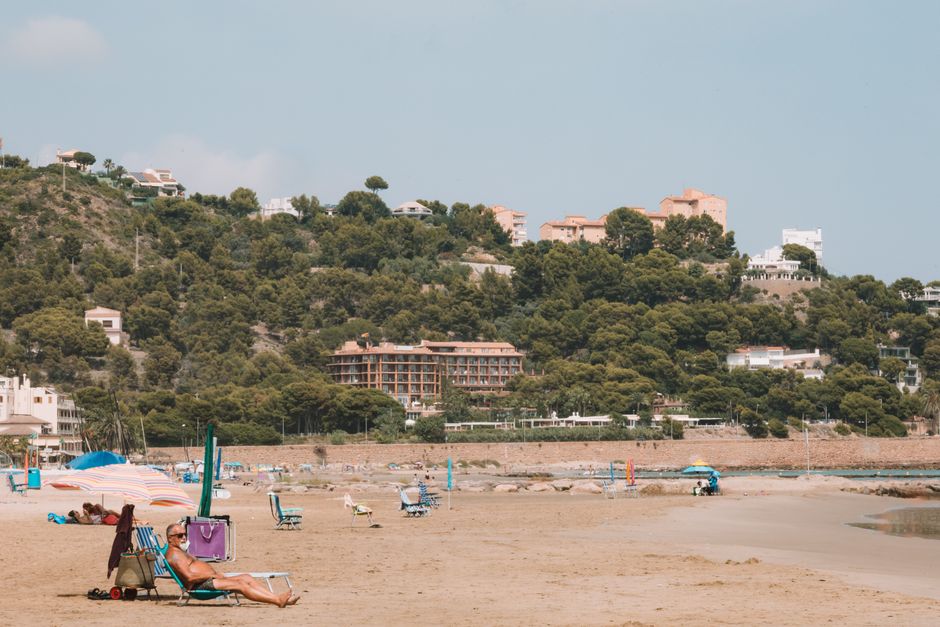
When does ETIAS start for Tenerife, Gran Canaria and the rest?
ETIAS has no confirmed start date yet; when it launches, it will apply at all Schengen entry points, the Canary Islands included, with no separate island timeline — the same launch date and the same rules apply to every airport from Lanzarote to El Hierro. Until then, no application is possible.
Do not let anyone tell you the system is already running. As of October 2026, ETIAS is not yet in operation and no applications are being accepted. The EU has not yet announced a start date and will do so several months in advance. There is no official pre-registration. Follow the latest launch news in our ETIAS launch date guide and see how approval speed varies in the processing time guide. If you are planning a 2027 winter-sun trip, you will simply apply once the portal opens.
Pro tip: Flying to the Canaries via a mainland hub like Madrid? Your first Schengen entry is Madrid, so passport control there — not in Tenerife — is where your ETIAS is checked. A direct flight from outside the zone is checked on arrival at the island airport instead.
Common Canary Islands ETIAS mistakes to avoid
The biggest errors are assuming the islands are exempt because of their tax status, leaving the application to the last minute, and not knowing that the official fee is €20. Each one is easy to sidestep with a little planning.
- Don’t confuse tax rules with border rules: duty-free shopping does not mean visa-free entry.
- Don’t wait until the airport: apply weeks ahead in case a check delays approval.
- Know the official fee: €20 for adults on the official website or app; a higher price includes a third party’s own service fee.
One more practical point for families. Each traveller needs their own ETIAS tied to their own passport, so a parent cannot cover a child on a single application. A Manchester couple taking their teenagers to Fuerteventura in 2027 will file four separate forms, one per traveller, and keep four confirmation emails. For wider trip planning, our complete travel checklist, the Barcelona ETIAS guide and the Madrid ETIAS guide pair well with an island break.
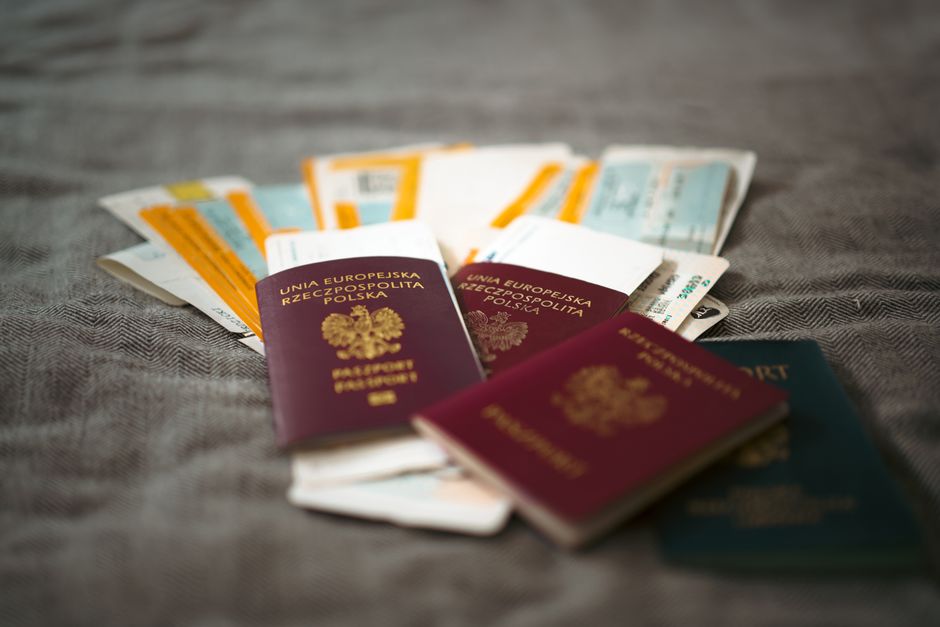
Frequently Asked Questions
Will I need ETIAS for a Canary Islands trip in 2026?
Yes. The archipelago is Spanish and inside Schengen, so once ETIAS launches, visa-exempt non-EU travellers will need a valid ETIAS. It will cost €20, lasts three years, and covers every island on one authorisation.
Are the Canary Islands inside the Schengen area?
Yes. For immigration purposes the Canaries are fully in Schengen, even though they have a separate VAT and customs status. Passport rules match mainland Spain, including the 90-days-in-180 stay limit.
Is ETIAS needed for Tenerife specifically?
Yes, Tenerife follows the same rule as the whole archipelago. There is no island-by-island system — one ETIAS covers Tenerife, Gran Canaria, Lanzarote and every other Canary Island.
How much does ETIAS for Tenerife and the Canaries cost?
It costs €20 for adults. Travellers under 18 and over 70 pay nothing but still need to apply. The authorisation is valid for three years or until the passport expires.
Can I fly to the Canary Islands without ETIAS?
Not once the system is live. Airlines will check for a valid ETIAS before boarding, just as they do for the mainland. Without it, you can be refused travel to the islands.
Does each island need a separate ETIAS?
No. A single ETIAS covers all eight main Canary Islands and unlimited trips within its three-year validity. You never apply per island or per visit.
When can I apply for ETIAS for a Canary Islands trip?
Only once ETIAS launches. As of October 2026 it is not in operation, no applications are accepted and the EU has not announced a start date; it will do so several months in advance. Apply as soon as it goes live and your flights are booked.
About the author: Anna Reinholt is a Travel Documentation Editor who focuses on ETIAS and European entry rules for non-EU visitors. Fees and dates in this guide are based on official European Commission sources. Europe-visa.eu is an independent travel-information website, not a government body; ETIAS applications are made on the official EU website or app. Last updated: 26 October 2026.
 English
 Shqip
 العربية
 Français
 ქართული
 עִבְרִית
 简体中文
 香港中文
 繁體中文
 Español
 Português do Brasil
 日本語
 한국어
 Bahasa Melayu
 Українська
 Română
 Српски језик
 Türkçe