
The ETIAS approval timeline is fast for most travellers but not instant for everyone. The majority of applications are approved within minutes, yet a minority are referred for extra checks that can take several days and, in rare cases, up to 30 days. Knowing the stages helps you apply at the right time and avoid the stress of a last-minute wait.
TL;DR: Most ETIAS decisions arrive within minutes of paying the €20 fee. If your case needs manual review you may wait up to 96 hours, and if extra documents are requested the process can extend to a maximum of 30 days. Apply at least a few weeks before travelling to stay safe.
ETIAS launches late 2026 — be first to know
One e-mail the day applications open. No spam.
Quick Facts
| Item | Detail |
|---|---|
| Typical decision | Within minutes |
| Manual review | Up to 96 hours |
| Extra information requested | Up to 30 days |
| Best practice | Apply weeks ahead |
| Fee | €20 |
| Notification | By email |
Approval is the stage that follows payment — for the whole journey, see how to apply for ETIAS step by step and typical ETIAS processing time.
The three possible ETIAS outcomes

After you submit and pay, your application is screened automatically against EU security and migration databases. There are three outcomes. The first and most common is automatic approval within minutes. The second is a referral for manual review, where a human officer looks at your file — this typically resolves within 96 hours. The third is a request for additional information or documents, which pauses the clock until you respond and can extend the timeline to a maximum of 30 days.
| Outcome | How long | Why |
|---|---|---|
| Automatic approval | Minutes | No flags raised |
| Manual review | Up to 96 hours | A check needs a human |
| Extra information | Up to 30 days | Documents requested |
What can slow your approval down
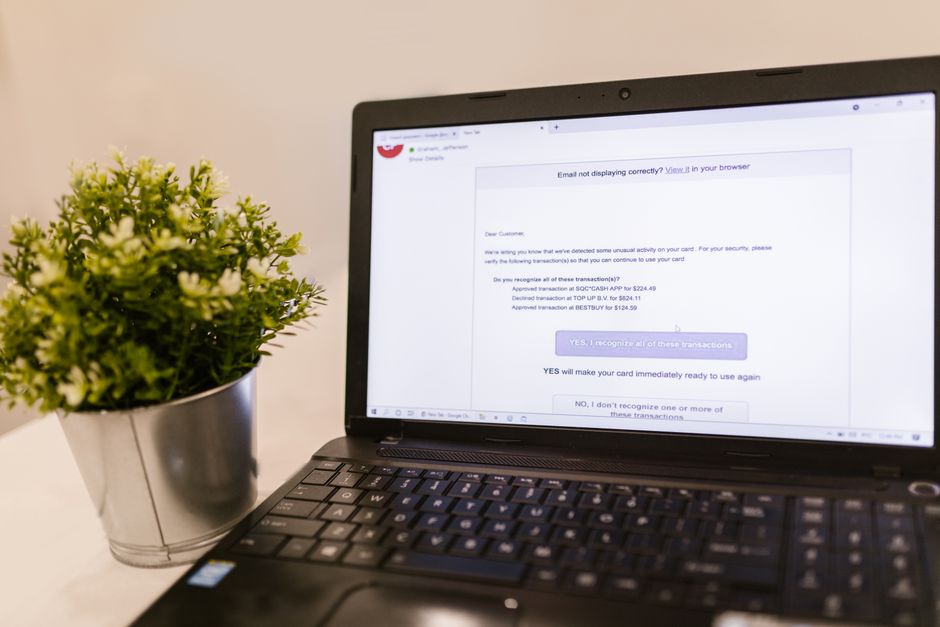
Delays usually trace back to the application itself. Typos in your passport number, a mismatch between your details and your travel document, an unclear answer to a security question, or a previous immigration issue can all trigger a manual review. Providing accurate, consistent information is the single best way to keep your approval fast. If you are asked for more documents, respond quickly — the timeline only restarts once you reply.
Pro tip: Never book non-refundable flights on the assumption that approval is instant. Apply first, wait for the approval email, then book — or at least leave a comfortable buffer before departure.
How to keep your ETIAS approval on track

A few habits keep your application in the fast lane:
- Check your passport details character by character before submitting.
- Answer every question truthfully, including the security and health questions.
- Use a working email address you check often, because decisions and requests arrive there.
- Respond immediately if extra information is requested, to avoid stretching the timeline.
Apply through the official EU ETIAS portal and, if you hit a snag, see common ETIAS errors and fixes.
When to apply for the best timing

Because a small share of applications take days or weeks, the safest plan is to apply two to four weeks before you travel. There is no downside to applying early — the authorisation is valid for up to three years, so an early approval simply gives you more reusable coverage. Frequent travellers benefit most: apply once, get approved, and reuse it across many trips. The European Commission ETIAS pages and the SchengenVisaInfo ETIAS hub both recommend applying well ahead rather than at the airport.
- Tip 1: Apply two to four weeks before departure to absorb any review.
- Tip 2: Keep your application number from the confirmation email to track your status.
- Tip 3: Avoid applying the night before a flight unless you have no choice.
What happens behind the scenes during processing
Understanding why most approvals are instant — and why a few are not — helps you set realistic expectations. The moment you pay, your application is checked automatically against a set of EU security, migration and law-enforcement databases. If none of those checks raise a flag, the system issues an approval without any human involvement, which is why the typical wait is measured in minutes. When a check does produce a potential match or an inconsistency, the file is routed to a human officer for manual review. That officer may clear it quickly or, if something needs confirming, request additional information from you. Each escalation adds time, which is exactly why the published maximum stretches to 30 days even though the average is far shorter. The official EU ETIAS portal describes this layered process, and the SchengenVisaInfo ETIAS hub summarises the typical waiting bands.
| Stage | Who handles it | Time added |
|---|---|---|
| Automated screening | System | Minutes |
| Manual review | Human officer | Up to 96 hours |
| Information request | You + officer | Up to 30 days |
Approval, refusal and what each decision means
There are three end states. An approval means you are authorised to travel for the validity period, reusing the same ETIAS across multiple trips. A refusal means the authorisation was not granted — you are told the main reason and can appeal or reapply, addressing whatever caused the refusal. A request for more information is not a refusal at all; it simply pauses the decision until you respond, after which processing resumes. If you are refused, do not panic and do not pay a third party to “fix” it — read the stated reason carefully and follow the official route. Our guides on what to do if ETIAS is denied and common rejection reasons and appeals walk through the next steps. The key habit that keeps you in the fast lane is accuracy: a single mistyped passport number is one of the most common reasons a straightforward application is pulled aside for review.
Realistic timing for common trip types
Matching your application timing to your trip removes most of the stress. For a booked holiday weeks away, apply as soon as your passport is in order — there is no benefit to waiting, and an early approval gives you reusable coverage. For a last-minute trip, apply the moment you decide to travel and check your email closely, since the small chance of a review is the only thing that could delay you. For business travellers who cross borders often, applying well ahead and reusing the same ETIAS for years is the most efficient approach. Whatever your situation, never assume an instant decision for a flight leaving the next morning; leave a buffer wherever you can. The official EU ETIAS portal lets you check status with your application number, and the SchengenVisaInfo ETIAS hub summarises realistic waiting times.
The bottom line
The practical summary on timing is straightforward: expect a decision within minutes, prepare for up to 96 hours if your case is reviewed, and know that a rare information request can stretch matters to 30 days. The way to stay in the fast lane is accuracy and an early application — ideally two to four weeks before travel — combined with a quick response to any request. Never book on the assumption of an instant approval, and always wait for the confirmation email before you travel. For the authoritative position, always check the official EU ETIAS portal before you apply.
Related ETIAS guides
- ETIAS processing time
- How to apply step by step
- If ETIAS is denied
- Rejection reasons and appeals
- Application errors and fixes
Frequently Asked Questions
What is the typical ETIAS approval timeline?
Most applications are approved within minutes. A minority take up to 96 hours for manual review, and a few extend to a maximum of 30 days if extra documents are requested.
How long should I allow before travelling?
Apply at least two to four weeks ahead so there is room for any additional checks before your departure date.
Why is my ETIAS taking longer than minutes?
Your application was probably referred for manual review, often due to a detail that needs verifying or a request for more information.
What is the maximum ETIAS processing time?
Up to 30 days in the rare cases where additional documents are requested, with the clock pausing until you respond.
How will I know my ETIAS is approved?
You receive an email confirming the decision. You can also check your status online using your application number.
Can I speed up the approval?
You cannot pay to expedite it, but accurate details and a quick response to any document request keep it as fast as possible.
Does approval guarantee entry?
No. ETIAS authorises you to travel to the border, where officers make the final decision on entry.
Can I travel while my ETIAS is still under review?
No. You must wait for an approval before you travel. An application under review does not authorise boarding or entry.
Does paying more speed up approval?
No. There is no paid fast-track. The €20 fee is fixed and accuracy, not money, is what keeps your application moving quickly.
Is the approval time the same for every nationality?
The process is identical for all eligible nationalities. Most applicants from any eligible country are approved within minutes, with only a small share referred for additional checks regardless of where they are from.
What should I do if 30 days pass without a decision?
This is very rare. If it happens, use your application number on the official portal to check the status and confirm whether any information was requested from you that is still outstanding.
 English
  Shqip
Shqip  العربية
  Français
  ქართული
  עִבְרִית
  简体中文
简体中文  香港中文
香港中文  繁體中文
繁體中文  Español
  Português do Brasil
  日本語
日本語  한국어
한국어  Bahasa Melayu
  Українська
  Română
  Српски језик
  Türkçe