
TL;DR: The ETIAS countries list ranks among the most-searched ETIAS topics for 2026. Here is what actually matters. This guide walks through the official EU-LISA implementation, the €20 ETIAS fee (free for children under 18 and travellers over 70), the realistic application timing, the document requirements, and the most common refusal triggers — so non-EU travellers from visa-exempt countries can prepare for the Schengen entry rules taking full effect in 2026.
The European Travel Information and Authorisation System (ETIAS) is the EU’s pre-travel authorisation for nationals of around 60 visa-exempt countries who want to enter the Schengen zone for short stays. After multiple postponements, ETIAS is scheduled to become mandatory in 2026, following the launch of the Entry/Exit System (EES) in late 2025. If you are researching the etias countries list, you need accurate, EU-LISA-aligned information — and this guide draws on the EU Commission’s published 2026 guidance, the EU-LISA agency rollout schedule, and the Schengen Borders Code. We link to internal deep-dives including what is ETIAS, ETIAS for students and ETIAS for seniors.
ETIAS launches late 2026 — be first to know
One e-mail the day applications open. No spam.
| Quick Facts | 2026 value |
|---|---|
| ETIAS fee | €20 (free for children under 18 and travellers over 70) |
| Validity | 3 years or until passport expires |
| Stays allowed | 90 days per 180-day rolling window |
| Countries covered | 30 European countries (Schengen + Cyprus + Bulgaria + Romania from 2024) |
| Processing time | Most decisions within minutes; up to 96 hours |
| Official source | the EU-LISA ETIAS portal (travel-europe.europa.eu) |
What is etias countries list?
The countries list is a frequently-asked aspect of ETIAS that travellers need to understand before their first Schengen trip in 2026. ETIAS itself is not a visa — it is a pre-authorisation, comparable in concept to the US ESTA or the UK ETA. It applies to visa-exempt nationals (US, Canada, UK, Brazil, Japan, Australia and around 56 other passport holders) who plan to visit the Schengen zone for tourism, business meetings, transit or short-term study for fewer than 90 days inside a 180-day window.

This topic touches ETIAS at one or more of three points: the application itself (document upload, biographic data, security questions), the validity window (3 years multi-entry, tied to the passport), or the entry rules at the Schengen external border (proof of accommodation, financial means, return ticket). Each is governed by Regulation (EU) 2018/1240 and the Schengen Borders Code. See our deep-dive on best time to visit Europe for one of the most commonly-confused topics.
A critical distinction in 2026: ETIAS works in parallel with the Entry/Exit System (EES). EES launches first (late 2025) and replaces the manual passport-stamping at Schengen external borders with biometric registration. ETIAS launches after EES is operational — they are linked but separate systems. EES tracks your entries and exits to enforce the 90-days-in-180 limit; ETIAS pre-authorises your right to attempt entry in the first place.
Step-by-step process
Pro tip: Always apply on the official EU portal at travel-europe.europa.eu or the government mobile app. The €20 fee is the only payment Brussels takes — any site charging more is a third-party reseller without any operational benefit.
- Confirm you need ETIAS. Check your nationality against the EU’s official visa-exempt list. If your passport is on the list and you are travelling for up to 90 days within any 180-day period, you need ETIAS.
- Gather documents. A biometric passport with at least 3 months validity beyond the planned departure from the Schengen Area, a card for the €20 fee, and basic biographic information matching exactly what is on your passport chip.
- Apply on the official portal or app. Use only the government portal or its dedicated ETIAS mobile app. Fill out the application — biographic data, security questions (criminal record, travel history, previous Schengen refusals), and pay €20.
- Wait for the decision. Most decisions are issued within minutes by the automated system. About 5% require manual review by ETIAS Central Unit (up to 4 days) or by an ETIAS National Unit (up to 14 days plus consultation with member states).
- Travel and present passport on arrival. ETIAS is electronically linked to the passport; you don’t carry a paper document. At the Schengen external border, EES will record your entry biometrically. Carry proof of accommodation, return ticket and sufficient funds (typically €50–€100 per day depending on the country).
- Track your day count. ETIAS allows multiple entries, but EES enforces the 90-days-in-any-180 cap per traveller across the whole Schengen zone combined. Use the EU’s Schengen Calculator to plan.
- Re-apply if the passport is renewed. ETIAS is tied to the passport number. A new passport means a new €20 ETIAS.
Costs and fees in 2026
Fee transparency for 2026:
- ETIAS application: €20 per person, paid via the official EU portal or mobile app. No charge for children under 18 or travellers over 70 (regulation provision; the family member of an EU citizen is also exempt).
- The Schengen visa route (for travellers from non-exempt countries): €90 (€45 for children 6–12, free under 6) — separate from ETIAS, required for nationals not on the visa-exempt list.
- Travel insurance: not legally required for ETIAS but strongly recommended; for Schengen visa applicants insurance is mandatory at €30,000 minimum medical cover.
- EES does not have a fee — it’s a back-end border system operated by EU-LISA at the cost of the EU member states.
- Passport validity: minimum 3 months beyond planned departure from the Schengen Area (the “3+3” rule — 3 months beyond stay, issued within last 10 years).

Pay only via the official EU channels. Third-party “ETIAS application services” typically charge €50–€90 in marketing fees and offer no operational benefit — the EU processes ETIAS in minutes by automated system, and no agent can accelerate this. See our deeper guide on single vs multi-country Europe trip and ETIAS for UAE citizens.
Common requirements
The EU’s 2026 published ETIAS requirements include:
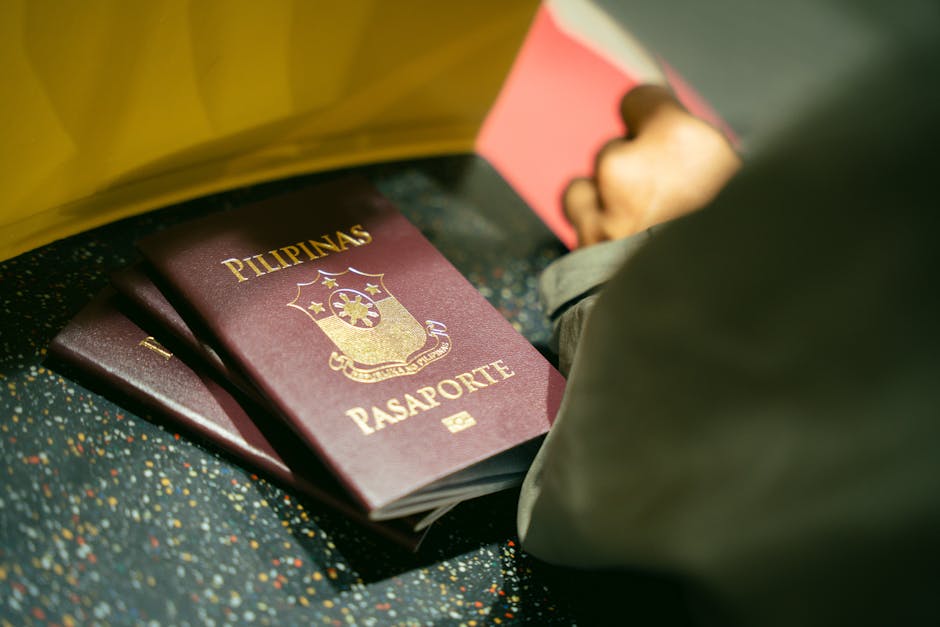
- A biometric passport (one with a chip — the “ePassport” symbol on the front cover).
- Passport validity: minimum 3 months beyond planned departure from Schengen, issued within the last 10 years (the “3+3” rule).
- Travel purpose: tourism, business meetings, transit, family visit, short-term study (under 90 days), or medical treatment. NOT employment.
- Schengen day-count compliance: you cannot stay more than 90 days within any rolling 180-day window across all Schengen states combined.
- No previous Schengen overstay or refusal: these are recorded in EES and Schengen Information System (SIS). Previous overstays can trigger automatic ETIAS refusal.
- No serious criminal convictions: the security questions in the ETIAS application probe terrorism-related, drug-trafficking-related, human-trafficking-related and child-exploitation-related convictions. These trigger manual review.
- For minors: ETIAS is required even for infants (free under 18), and parental consent letters may be needed at Border Police for minors travelling without both parents. See ETIAS travel insurance.
Tips and best practices
From the EU-LISA published refusal data and our reader correspondence, the most useful tips for 2026:
- Apply at least 96 hours before travel. Most ETIAS decisions are issued in minutes, but the regulation allows up to 96 hours for manual review and up to 30 days if the National Unit consults member states.
- Use the official EU mobile app where possible. It reads the chip directly, which eliminates typo refusals — the #1 cause of delays.
- Answer the security questions truthfully. Lying on the ETIAS application (e.g. concealing a previous Schengen refusal or a criminal conviction) is itself grounds for refusal and can trigger a SIS alert.
- Don’t book non-refundable flights before ETIAS is approved. While most are issued in minutes, a refusal triggers a need for a full Schengen visa application (€90, several weeks).
- Use the Schengen Calculator (free EU tool) to plan multi-country trips and avoid the day-count trap. See visiting Rome with ETIAS.
- Read the country-specific notes — some Schengen states have additional rules (e.g. registration with the police within 3 days in some countries).
- Save the ETIAS reference number and keep it accessible offline at the border.
Common mistakes to avoid
- Paying a third-party “ETIAS agency”. The EU processes ETIAS in minutes by automated system; no agent can accelerate this. Marketing-fee surcharges of €50–€90 are pure waste. See road trip Europe driving guide.
- Confusing ETIAS with a Schengen visa. ETIAS is for visa-exempt nationals; the visa itself is for visa-required nationals. The two are not interchangeable.
- Misdeclaring travel intent. Stating “tourism” but having a work contract at a Schengen company in your luggage triggers refusal at the border.
- Misspelling biographic data. Names, dates of birth, passport numbers must match the chip exactly. Even hyphenation differences trigger manual review.
- Forgetting the day count. ETIAS does not extend the 90-day limit — you still cannot stay beyond 90 days within any rolling 180-day window across all Schengen countries.
- Working on an ETIAS. Employment in a Schengen country requires a national work visa or EU Blue Card. ETIAS does not authorise paid work.
- Not buying travel insurance. Not legally required for ETIAS but highly recommended — see ETIAS dual citizenship.
FAQ
How long does ETIAS last?
Three years from issue, or until the linked passport expires — whichever comes first. Multi-entry, with up to 90 days stay per 180-day rolling window.
Which countries does ETIAS cover?
30 European countries: the 25 Schengen states (Austria, Belgium, Czech Republic, Denmark, Estonia, Finland, France, Germany, Greece, Hungary, Iceland, Italy, Latvia, Liechtenstein, Lithuania, Luxembourg, Malta, Netherlands, Norway, Poland, Portugal, Slovakia, Slovenia, Spain, Sweden, Switzerland) plus Bulgaria, Croatia, Cyprus, and Romania (the last four are non-Schengen EU but require ETIAS from 2026 under the ETIAS regulation extension).
Can I work on ETIAS?
No. ETIAS authorises stays of up to 90 days for tourism, business meetings, transit, family visits, short-term study (under 90 days) or medical treatment. Employment requires a national work visa or EU Blue Card.
What if my ETIAS is refused?
You receive a written decision with the reason. You can appeal in the member state that took the decision (typically 30 days deadline), or apply for a Schengen visa instead.
Do children need their own ETIAS?
Yes — every traveller including infants needs their own ETIAS tied to their own passport. The fee is waived for anyone under 18. See budget travel Europe with ETIAS.
How does ETIAS interact with EES?
EES is the border biometric registration system (launched 2025); ETIAS is the pre-travel authorisation (launching after EES). EES records your entries and exits and enforces the day count; ETIAS authorises your right to attempt entry. Both are needed for visa-exempt nationals from 2026.
Is travel insurance mandatory for ETIAS?
Not legally required for ETIAS (unlike a Schengen visa, which requires €30,000 minimum cover). But strongly recommended — see ETIAS for UK citizens.
Regional and seasonal considerations
Schengen Border Police processing time at airports varies by season and entry point. Frankfurt Airport, Schiphol and Madrid Barajas operate the most ETIAS/EES e-gates and can clear passengers in 8–12 seconds in low season. Mediterranean airports (Athens, Lisbon, Barcelona) have higher peak-summer queue times — build in 90 minutes for Border Police in July–August.
For multi-country trips, plan around the day count. The bloc’s official Schengen Calculator is free on the government portal — use it before booking non-refundable hotels in country C if you’ve already spent 60 days in countries A and B in the past 6 months.
The Bulgarian, Croatian, Cypriot and Romanian borders are non-Schengen but require ETIAS from 2026 — they operate slightly different physical checks pending full Schengen integration. Croatia is already in Schengen (since 2023); Bulgaria and Romania joined the Schengen acquis for air and sea borders in 2024, with land borders pending.

Last updated: 2026. Sources: EU official ETIAS portal, EU-LISA agency, European Commission DG Home Affairs.
 English
  Shqip
Shqip  العربية
  Français
  ქართული
  עִבְרִית
  简体中文
简体中文  香港中文
香港中文  繁體中文
繁體中文  Español
  Português do Brasil
  日本語
日本語  한국어
한국어  Bahasa Melayu
  Українська
  Română
  Српски језик
  Türkçe