The United Arab Emirates and Europe share a strong and growing travel connection. Each year, hundreds of thousands of Emirati and UAE-based travelers visit European destinations for leisure, business, and education. Starting in 2025, UAE passport holders — who currently enjoy visa-free access to the Schengen Area — will need to obtain an ETIAS (European Travel Information and Authorisation System) authorization before traveling to Europe.
This guide covers everything UAE citizens and residents need to know about ETIAS, from the application process and costs to the most popular European destinations for Emirati travelers and practical tips for making the most of your trip.
- UAE passport holders are visa-exempt but will need an approved ETIAS to enter the Schengen Area starting in 2025.
- ETIAS costs €20 per application for travelers aged 18–70. Minors and seniors are exempt from the fee.
- The authorization is valid for 3 years and allows stays of up to 90 days within any 180-day period.
- France, Italy, and Switzerland are among the most popular European destinations for UAE travelers.
- Direct flights from Dubai and Abu Dhabi connect to dozens of European cities, with flight times averaging 6 to 8 hours.
ETIAS launches late 2026 — be first to know
One e-mail the day applications open. No spam.
ETIAS Requirements for UAE Passport Holders
The UAE passport is one of the most powerful travel documents in the world, providing visa-free or visa-on-arrival access to over 170 countries. European Schengen Area countries are among those that grant UAE nationals visa-free entry for short stays. However, the introduction of ETIAS adds a mandatory pre-travel authorization step.

Who Needs ETIAS from the UAE?
All UAE passport holders traveling to any of the 30 Schengen Area countries will need an approved ETIAS. This includes travelers for tourism, business meetings, medical visits, cultural events, and short-term studies. The requirement applies regardless of whether you are traveling from the UAE or from another country.
It is important to note that ETIAS is linked to your passport nationality, not your country of residence. Expatriates living in the UAE who hold passports from other visa-exempt countries (such as the United States, United Kingdom, or Australia) will also need ETIAS under their own nationality. Residents holding passports from countries that require a Schengen visa will still need to apply for a visa instead.
ETIAS Application Process for UAE Citizens
The ETIAS application is completed entirely online, making it convenient for tech-savvy UAE travelers accustomed to digital government services. For a complete walkthrough, see our ETIAS application guide.

Step-by-Step Application
Step 1: Visit the official ETIAS website or use the mobile application to begin your application.
Step 2: Enter your personal information, including full name, date of birth, and nationality as shown on your UAE passport.
Step 3: Provide your passport details — passport number, issue date, and expiry date. Your passport must be valid for at least three months beyond your planned stay.
Step 4: Answer security and background questions related to health, criminal history, and previous travel to conflict zones.
Step 5: Pay the €20 application fee using a credit or debit card. For current fee details, see our ETIAS cost and fee breakdown.
Step 6: Submit your application and await approval. Most applications are processed automatically within minutes, though some may require up to 96 hours for additional review.
UAE-EU Travel Statistics and Trends
Travel between the UAE and Europe has grown significantly over the past decade. European destinations consistently rank among the top travel choices for UAE residents, driven by direct flight connectivity, cultural attractions, and favorable summer weather compared to the Gulf region’s extreme heat.

| Destination | Popularity Rank | Direct Flight Time | Top Attractions |
|---|---|---|---|
| France (Paris) | 1 | ~7 hours | Luxury shopping, cuisine, culture |
| Italy (Milan, Rome) | 2 | ~6.5 hours | Fashion, history, Mediterranean coast |
| Switzerland (Geneva, Zurich) | 3 | ~7 hours | Alps, luxury watches, banking |
| Spain (Barcelona, Madrid) | 4 | ~7.5 hours | Architecture, beaches, nightlife |
| Germany (Munich, Frankfurt) | 5 | ~6.5 hours | Engineering, castles, Oktoberfest |
| Austria (Vienna) | 6 | ~6 hours | Classical music, imperial palaces |
Popular European Destinations for Emirati Travelers
France
Paris remains the top European destination for UAE travelers. The French capital offers world-renowned luxury shopping along the Champs-Elysees and at Galeries Lafayette, Michelin-starred restaurants, and iconic landmarks. Beyond Paris, the French Riviera — particularly Nice, Cannes, and Saint-Tropez — attracts many Gulf visitors during the summer months. The Provence region offers lavender fields and charming countryside experiences.
Italy
Italy attracts Emirati visitors with its unique blend of fashion, history, and cuisine. Milan is a shopping destination rivaling Paris, while Rome offers unparalleled historical sites. The Amalfi Coast and Lake Como provide stunning natural beauty, and Tuscany offers vineyard tours and Renaissance art. Italy’s Mediterranean climate and culinary traditions make it especially appealing.
Switzerland
Switzerland holds a special appeal for Gulf travelers, combining breathtaking Alpine scenery with luxury experiences. Zurich and Geneva offer high-end shopping and dining, while mountain resorts like Interlaken, Zermatt, and Lucerne provide both winter skiing and summer hiking opportunities. The Swiss railway system makes it easy to explore the entire country.
Direct Flights from Dubai and Abu Dhabi
The UAE benefits from exceptional air connectivity to Europe, with Emirates, Etihad Airways, and flydubai operating extensive networks of direct flights to European cities. Emirates alone serves over 30 European destinations from Dubai International Airport and Al Maktoum International Airport.
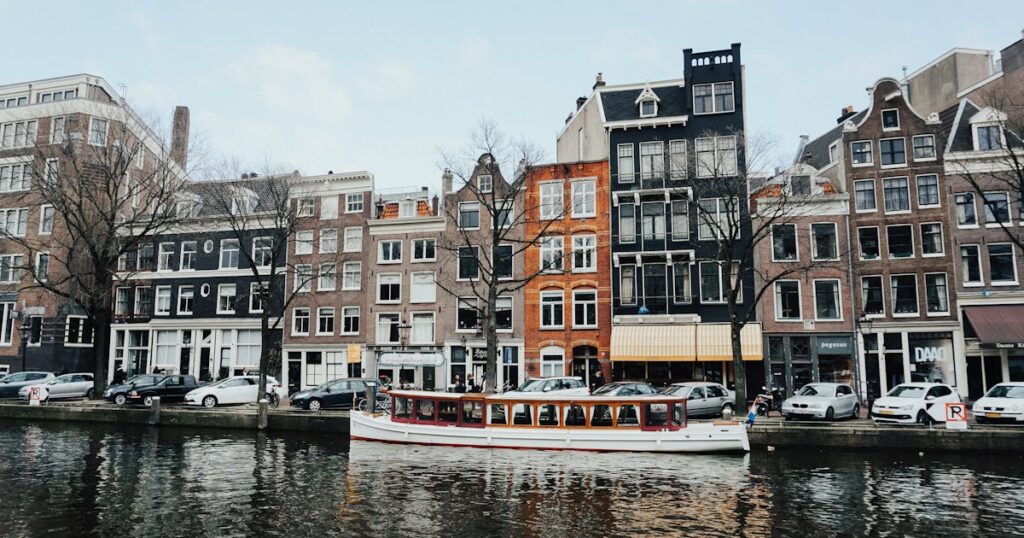
Abu Dhabi’s Etihad Airways connects to major European hubs including London, Paris, Frankfurt, Amsterdam, and Milan. Budget-conscious travelers can take advantage of flydubai and Air Arabia routes to secondary European cities, often at competitive fares. Flight times to most European destinations range from six to eight hours, making Europe easily accessible for both short breaks and extended holidays.
Currency and Payment Tips
The Eurozone uses the Euro (EUR), which covers 20 of the 27 EU member states. As of 2026, 1 EUR is approximately equivalent to 4 AED, making mental currency conversion relatively straightforward for UAE travelers.
Payment Methods
Credit and debit cards are widely accepted across Europe, particularly Visa and Mastercard. Contactless payments are standard in most European countries. Apple Pay and Google Pay are accepted at many retailers. However, some smaller shops, markets, and rural establishments in countries like Germany and Austria may prefer or require cash.
Notify your UAE bank before traveling to avoid card blocks due to unusual international activity. Consider carrying a multi-currency travel card for better exchange rates and lower transaction fees compared to standard bank cards.
Cultural Considerations for UAE Travelers
European cultures differ from Gulf traditions in several ways, and being aware of these differences enhances the travel experience. Most European countries are welcoming and accustomed to visitors from diverse backgrounds.
Halal food options are increasingly available in major European cities, particularly in Paris, London, Barcelona, and Amsterdam. Many restaurants can accommodate dietary requirements if informed in advance. Prayer facilities and mosques can be found in most major cities — apps like HalalTrip and Muslim Pro can help locate nearby options.
Dress codes are generally relaxed across Europe, though modest dress is expected when visiting religious sites such as churches, cathedrals, and monasteries. Tipping customs vary by country — in France and Italy, a small tip of 5 to 10 percent is appreciated but not mandatory, while in Germany and Austria, rounding up the bill is standard practice.
Best Time to Visit Europe from the UAE
For UAE residents, the ideal time to visit Europe depends on your preferences and the destinations you plan to explore.
| Season | Months | Advantages | Considerations |
|---|---|---|---|
| Spring | April – May | Pleasant weather, fewer crowds, blooming landscapes | Some mountain resorts still closed |
| Summer | June – August | Escape UAE heat, long daylight hours, beach season | Peak tourist season, higher prices, crowded |
| Autumn | September – October | Mild weather, fall colors, wine harvest festivals | Days getting shorter, some attractions close |
| Winter | December – February | Skiing, Christmas markets, unique experiences | Cold temperatures, short days, some closures |
Summer (June to August) is the most popular travel period for UAE residents, as it coincides with school holidays and offers an escape from the extreme Gulf heat. However, this is also peak season in Europe, meaning higher prices and larger crowds. Spring (April to May) and early autumn (September to October) offer an excellent balance of pleasant weather and manageable tourist numbers.
Official Sources & References
Frequently Asked Questions
Do UAE citizens currently need a visa to visit Europe?
No, UAE passport holders currently enjoy visa-free access to the Schengen Area for stays of up to 90 days within any 180-day period. However, once ETIAS launches, you will need an approved ETIAS authorization before traveling. This is not a visa — it is a simpler, faster, and less expensive travel authorization. Check the full list of eligible countries on our ETIAS countries list.
How long does the ETIAS application take for UAE citizens?
Most ETIAS applications are processed automatically within minutes. However, some applications may be flagged for additional review, which can take up to 96 hours (4 days). In rare cases requiring further documentation, the process can extend to 30 days. It is recommended to apply at least two weeks before your planned travel date to account for any potential delays.
Can I use ETIAS to work or study in Europe?
No. ETIAS is designed for short-term visits only, including tourism, business meetings, medical treatment, and cultural or sporting events. It does not permit employment or long-term studies. If you plan to work or study in Europe, you will need to apply for the appropriate national visa or residence permit from the specific country where you intend to stay.
Will my UAE residency visa affect my ETIAS application?
ETIAS is based on your passport nationality, not your country of residence. If you hold a UAE passport, you apply as a UAE national. If you are an expatriate living in the UAE with a passport from another visa-exempt country, you apply under your passport nationality. Expatriates with passports from countries requiring a Schengen visa will still need to apply for a visa through their nearest European consulate.
 English
  Shqip
Shqip  العربية
  Français
  ქართული
  עִבְרִית
  简体中文
简体中文  香港中文
香港中文  繁體中文
繁體中文  Español
  Português do Brasil
  日本語
日本語  한국어
한국어  Bahasa Melayu
  Українська
  Română
  Српски језик
  Türkçe