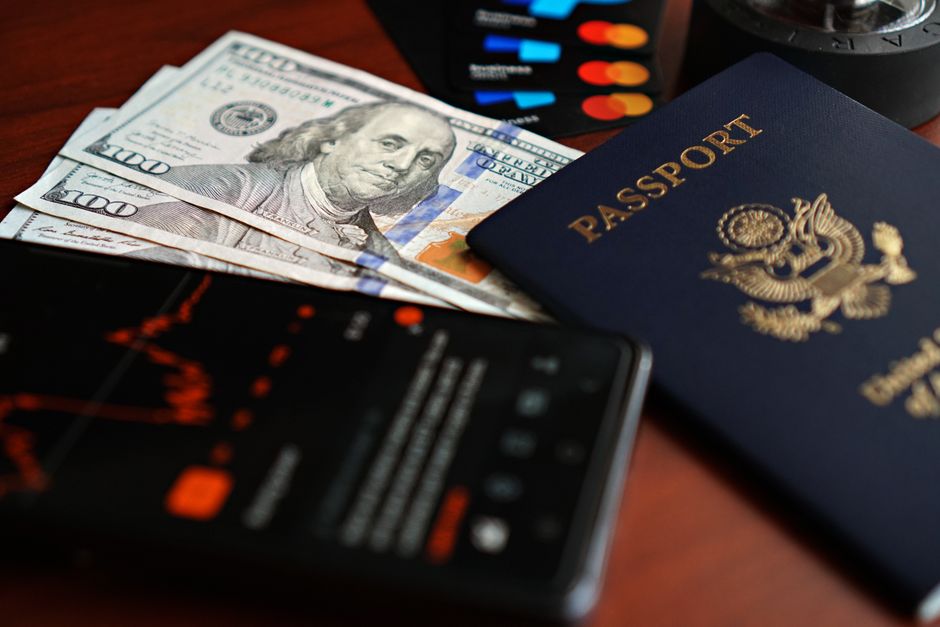
The ETIAS documents needed are short and simple — in most cases just a valid biometric passport, an email address and a payment card. ETIAS is an online authorisation, not a visa, so there is no embassy visit and no bundle of paperwork. This checklist explains exactly what to have ready so you can finish your application in one sitting.
TL;DR: To apply for ETIAS you need a biometric passport valid for your whole trip, a working email address, a debit or credit card for the €20 fee, and basic travel details. There are no printed forms or supporting documents in routine cases — everything is entered and paid for online.
ETIAS launches late 2026 — be first to know
One e-mail the day applications open. No spam.
Quick Facts
| Item | Detail |
|---|---|
| Main document | Valid biometric passport |
| Passport validity | Beyond your travel dates |
| Contact | Working email address |
| Payment | Debit/credit card, €20 |
| Trip details | Country of first entry |
| Format | Fully online |
This sits alongside the wider ETIAS requirements and documents page and our step-by-step application guide.
Your passport: the one essential document
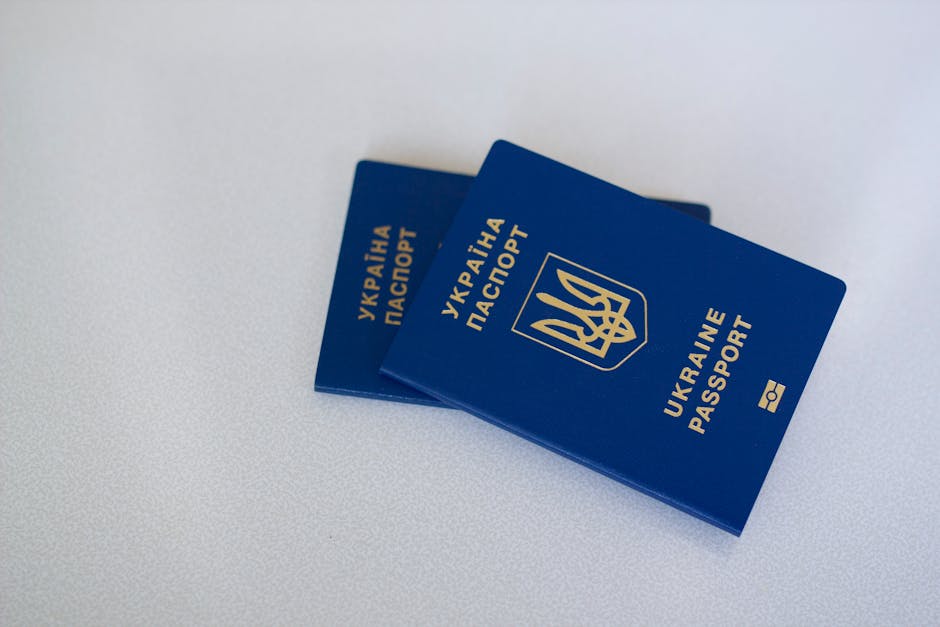
The single document ETIAS truly depends on is a valid biometric passport — the kind with an electronic chip, shown by the small camera-style symbol on the cover. It must be valid for the duration of your stay, and because ETIAS is linked to this exact passport, the details you enter must match it character for character. If your passport is close to expiry, renew it first and apply for ETIAS afterwards, since a new passport always needs a new authorisation.
| Passport requirement | Detail |
|---|---|
| Type | Biometric (chipped) |
| Validity | Valid for the whole trip |
| Match | Details entered must match exactly |
| One per applicant | Each traveller applies separately |
The information you enter when applying
Beyond the passport, the application asks for straightforward information you already know: your full name, date and place of birth, nationality, home address, the email address and phone number where you can be reached, and your country of first entry into the Schengen Area. You will also answer a set of security and background questions. None of these require uploading documents in routine cases — they are simply declared honestly on the form.
Pro tip: Have your passport physically in front of you while applying. Copying the document number and dates straight from the page — rather than from memory — prevents the typos that trigger delays.
Step-by-step: preparing your documents
Getting ready takes only a few minutes:
- Check your passport is biometric and valid well beyond your trip.
- Have a working email ready for the confirmation and any requests.
- Prepare a payment card in your name, enabled for online use.
- Know your first Schengen country and rough travel dates.
When everything is ready, apply on the official EU ETIAS portal. Travellers from specific countries can also check nationality notes such as ETIAS for UK citizens or ETIAS for US citizens.
When extra documents might be requested
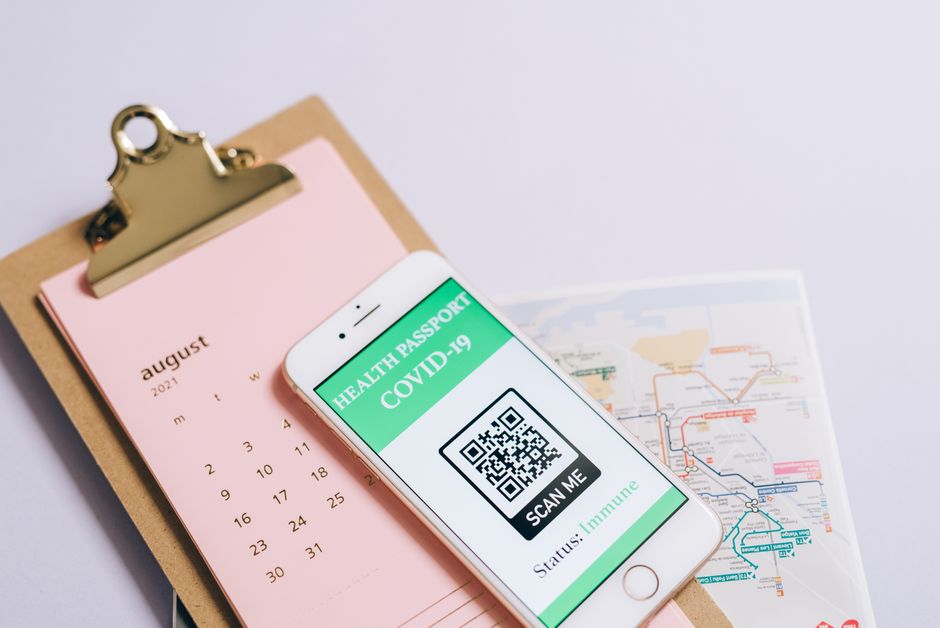
In a small number of cases the system asks for supporting information — for example proof of your purpose of travel, accommodation, or means of support. This is not routine; it happens when an application is referred for review. If you receive such a request, respond promptly because the decision is paused until you do. The European Commission ETIAS pages explain when additional information may be needed, and the SchengenVisaInfo ETIAS hub offers practical examples.
- Tip 1: Renew a near-expired passport before applying, not after.
- Tip 2: Keep digital copies of your passport and confirmation email while travelling.
- Tip 3: Answer any document request quickly to avoid stretching your processing time.
Documents children, seniors and groups need
Every traveller needs their own passport and their own ETIAS, and that includes infants and the elderly. The fee is waived for applicants under 18 and over 70, but the document requirement is identical — each must hold a valid biometric passport, and each application is linked to that individual’s passport. Parents or guardians complete and pay for a child’s application, entering the child’s passport details and using their own card. For organised groups, one person can submit and pay for everyone, but each member still supplies their own passport information. The practical lesson is that there is no shortcut around the passport: there must be one valid biometric passport per traveller, full stop.
| Traveller | Own passport? | Own ETIAS? | Fee |
|---|---|---|---|
| Adult (18–69) | Yes | Yes | €20 |
| Child (under 18) | Yes | Yes | €0 |
| Senior (70+) | Yes | Yes | €0 |
Country-specific notes can help you prepare — for instance UK citizens and US citizens apply with their respective national passports, and dual nationals choose the document that matches their eligible nationality.
Keeping your documents safe while you travel
Once approved, your ETIAS is held electronically and linked to your passport, so there is nothing to print and nothing to lose at the airport — the border system reads it from your passport. Even so, sensible travellers keep a digital copy of their passport’s photo page and the ETIAS confirmation email, stored securely on a phone or in cloud storage, in case a question arises. If your passport is lost or stolen during a trip and you obtain a replacement, remember that your ETIAS was tied to the original document and will need to be reapplied for using the new passport. Plan for that by noting your application number and keeping your confirmation accessible. The official EU ETIAS portal and the SchengenVisaInfo ETIAS hub both explain how the passport link works in practice, and our page on application errors and fixes covers what to do when details no longer match.
A final pre-application checklist
Before you open the form, run through one last checklist so you can complete everything in a single session. Confirm your passport is biometric and valid well beyond your return date. Have your passport open in front of you so you can copy the number and dates exactly. Make sure your email address is one you check regularly, because every decision and any document request lands there. Keep a debit or credit card in your name ready, enabled for online international payments. And know your country of first entry into the Schengen Area along with rough travel dates. With those five things in hand, the application itself takes only a few minutes. The official EU ETIAS portal is where you apply, and the SchengenVisaInfo ETIAS hub offers a worked example of the form.
The bottom line
The documents needed for ETIAS come down to one essential — a valid biometric passport — plus an email address, a payment card and a few travel details, all entered online with no printing required. Every traveller needs their own passport and authorisation, including children and seniors who are exempt only from the fee. Keep a digital copy of your passport and confirmation while you travel, and reapply if you change passports. Prepare those few items in advance and the application takes only minutes. For the authoritative position, always check the official EU ETIAS portal before you apply.
Related ETIAS guides
- ETIAS requirements and documents
- How to apply step by step
- ETIAS for UK citizens
- ETIAS for US citizens
- What is ETIAS?
Frequently Asked Questions
What ETIAS documents are needed?
A valid biometric passport, a working email address, a debit or credit card for the €20 fee, and basic travel details. No printed forms in routine cases.
Do I need to upload any documents?
Not normally. ETIAS is a declaration-based online form. Documents are only requested if your application is referred for extra checks.
Does my passport need to be biometric?
Yes. ETIAS requires a biometric (chipped) passport, and your entered details must match it exactly.
How long must my passport be valid?
It must remain valid for the duration of your stay. If it is close to expiry, renew it before applying.
Do children need their own documents?
Yes. Every traveller, including children, needs their own passport and ETIAS, though under-18s pay no fee.
Can I apply for someone else?
Yes. You can complete the form and pay on behalf of a family member using their passport details and your card.
What if I am asked for more documents?
Respond as quickly as possible. The decision is paused until you provide the requested information, which can extend the timeline.
Do I need printed copies of anything for ETIAS?
No. The approved ETIAS is electronic and linked to your passport. Border systems read it automatically, so there is nothing to print.
Is a photo required for the ETIAS application?
Routine applications do not require uploading a photo. Your biometric passport already holds the necessary data, which the form draws on.
Does an emergency or temporary passport work for ETIAS?
Only a valid biometric passport is accepted. Emergency or temporary travel documents without an electronic chip generally do not meet the requirement, so check your document type before applying.
What if my name has changed since my passport was issued?
Enter the details exactly as they appear in the passport you will travel on. If your passport itself is outdated, renew it first, then apply for ETIAS with the new document.
Do I need travel insurance documents to apply?
No. Travel insurance is not part of the routine ETIAS application, although carrying cover is always sensible. Documents are only requested if your case is referred for review.
 English
  Shqip
Shqip  العربية
  Français
  ქართული
  עִבְרִית
  简体中文
简体中文  香港中文
香港中文  繁體中文
繁體中文  Español
  Português do Brasil
  日本語
日本語  한국어
한국어  Bahasa Melayu
  Українська
  Română
  Српски језик
  Türkçe