Europe is one of the most photogenic continents on Earth, offering an extraordinary diversity of landscapes, architecture, and cultural moments that photographers dream of capturing. From the pastel sunsets of Santorini to the Gothic spires of Prague, every corner of Europe presents a new visual story. With the introduction of ETIAS in 2026, travelers from visa-exempt countries now need to factor in this new travel authorization when planning their photography adventures across the Schengen Area.
Key Takeaways
- Europe offers world-class photography destinations spanning 30 Schengen countries accessible with a single ETIAS
- ETIAS costs €20 and is valid for 3 years, covering unlimited trips for photography projects
- Drone regulations vary by country — always check local rules before flying in the Schengen Area
- The best photography seasons depend on your destination: spring for tulips, summer for coasts, autumn for forests, winter for Christmas markets
- Pack travel-friendly gear and know airline restrictions for camera equipment and batteries
Top Photography Destinations in Europe for 2026
Paris, France
The City of Light lives up to its name for photographers. The Eiffel Tower at golden hour, the symmetry of the Louvre Pyramid, and the charming streets of Montmartre provide endless compositions. For the best shots, visit the Trocadero viewpoint at sunrise to capture the Eiffel Tower without crowds, or explore the hidden passages and covered arcades for atmospheric street photography.
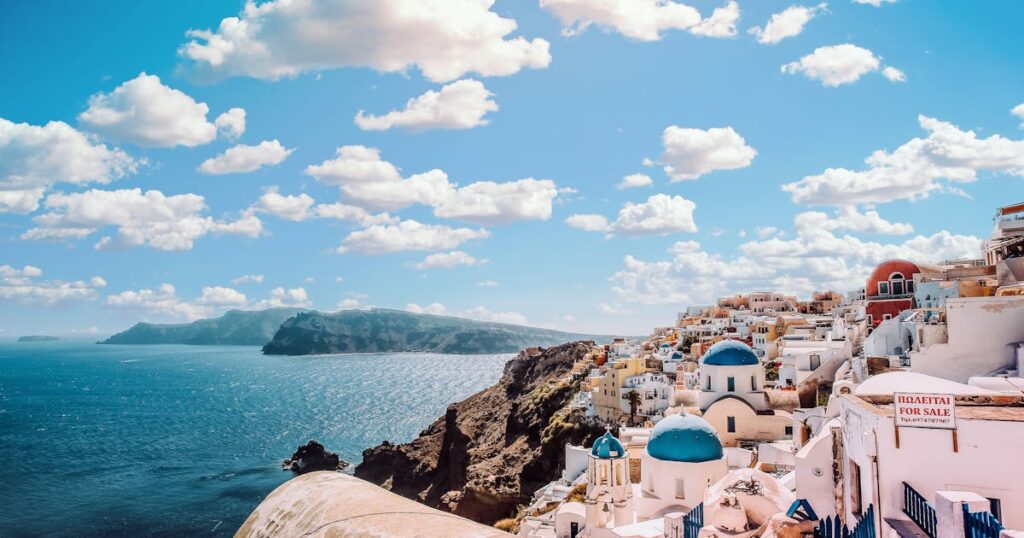
Santorini, Greece
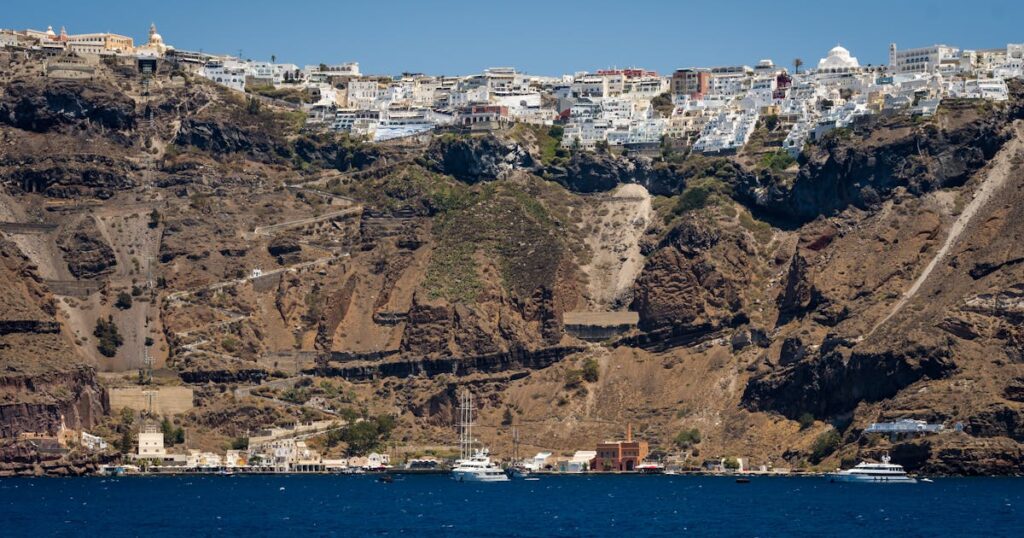
The iconic blue domes and white-washed buildings of Oia against the deep blue Aegean Sea make Santorini perhaps the most photographed island in Europe. Sunset from the castle ruins in Oia is legendary, but equally stunning are the quieter villages of Imerovigli and Pyrgos. Visit in late September or October to avoid peak tourist crowds while still enjoying excellent light.
ETIAS launches late 2026 — be first to know
One e-mail the day applications open. No spam.
Venice, Italy
Venice is a photographer’s paradise with its gondola-lined canals, ornate bridges, and Renaissance architecture reflected in the water. The early morning hours offer the best opportunities to capture the city without the tourist crowds. Piazza San Marco at dawn, the colorful houses of Burano, and the Grand Canal from the Rialto Bridge are must-capture scenes.
Prague, Czech Republic
Prague’s fairy-tale skyline of spires, red rooftops, and the Charles Bridge creates some of the most dramatic cityscapes in Europe. The Old Town Square with its astronomical clock, the view from Letna Park, and the narrow streets of Mala Strana are exceptional photography spots. Autumn and winter add magical atmospheres with fog rolling along the Vltava River.
Bruges, Belgium
Medieval Bruges offers a step back in time with its canal reflections, Gothic towers, and cobblestone streets. The Rozenhoedkaai canal bend is one of the most photographed spots in Belgium. The Markt square, the Belfry tower, and the peaceful Beguinage provide diverse subjects from grand architecture to intimate garden scenes.
Norwegian Fjords, Norway
For landscape photographers, the Norwegian fjords offer some of Europe’s most dramatic natural scenery. Trolltunga, Preikestolen (Pulpit Rock), and Geirangerfjord present breathtaking vistas. The midnight sun in summer and Northern Lights in winter add extraordinary lighting conditions found nowhere else in Europe.
Cinque Terre, Italy
The five colorful fishing villages clinging to the rugged Italian Riviera coastline create iconic compositions. Manarola at sunset and Vernazza from the hiking trail above are classic shots. The hiking paths connecting the villages offer elevated viewpoints and dramatic cliff-side perspectives.
ETIAS Requirements for Photographers
If you are a citizen of a visa-exempt country such as the United States, Canada, Australia, or Japan, you will need an approved ETIAS authorization before entering any Schengen country for your photography trip. The ETIAS costs €20 and is valid for three years, making it an affordable requirement for any photography expedition.
Important considerations for photographers:
- Professional vs. tourist photography: ETIAS covers tourist and short-stay visits. If you are being hired for professional photography work in Europe, you may need a work visa instead of ETIAS
- Multiple country access: A single ETIAS lets you photograph across all 30 Schengen countries during your 90-day stay limit
- Apply early: Submit your ETIAS application at least 72 hours before departure, though most approvals come within minutes
Drone Photography Regulations in the Schengen Area
Drone photography has become increasingly popular for capturing Europe’s stunning landscapes and architecture from above. However, drone regulations in Europe are strict and vary by country. Since 2021, the EU has implemented standardized drone categories, but national rules still apply in many areas.

| Country | Registration Required | No-Fly Zones | Key Restrictions |
|---|---|---|---|
| France | Yes | Paris, airports, military sites | Max 120m altitude, no flights over people |
| Italy | Yes | Venice, historic centers, airports | ENAC registration required, insurance mandatory |
| Greece | Yes | Archaeological sites, airports | Permit needed for archaeological areas |
| Spain | Yes | Urban areas, airports, national parks | AESA registration, no urban flights without permit |
| Norway | Yes | Airports, military areas | Relatively drone-friendly for rural areas |
General EU drone rules require registration for drones weighing over 250g and mandate that operators keep their drones within visual line of sight at all times. Always check the specific regulations of each country you plan to fly in, as fines for violations can be substantial.
Best Seasons for Photography in Europe
Spring (March–May)
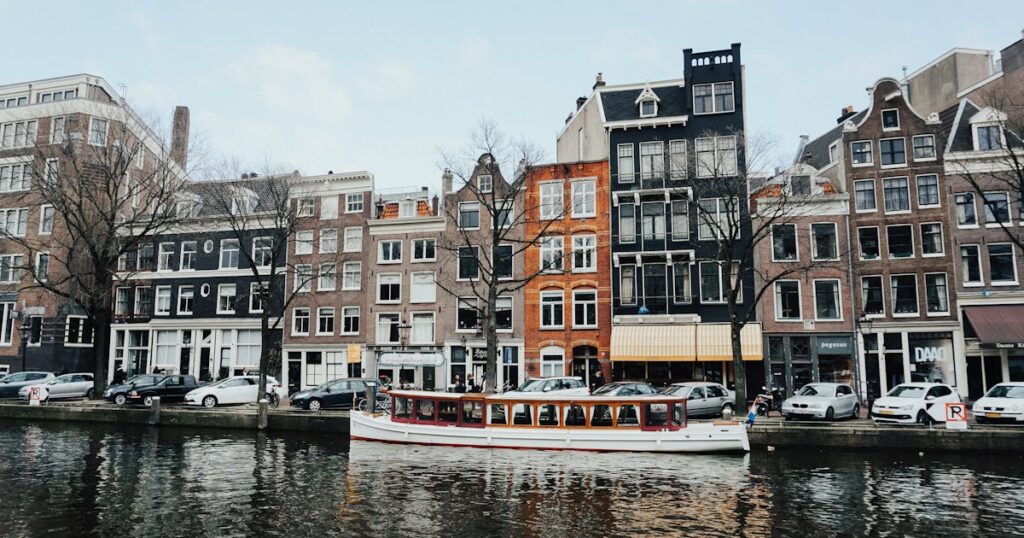
Spring brings blooming tulip fields in the Netherlands, cherry blossoms in Bonn and Paris, and lush green landscapes across the continent. The shoulder season means fewer tourists at popular landmarks, giving you cleaner compositions. The best time to visit Europe for flower photography is April through mid-May.
Summer (June–August)
Long daylight hours provide extended golden hour sessions. The Mediterranean coastline is at its most vibrant, and festivals across Europe offer rich cultural photography opportunities. However, popular spots will be crowded, so plan for very early morning shoots.
Autumn (September–November)
Autumn foliage transforms European forests, parks, and vineyards into stunning palettes of gold, amber, and crimson. Bavaria, the Scottish Highlands, and the Dolomites are particularly spectacular. The softer, warmer light of autumn is ideal for landscape and portrait photography.
Winter (December–February)
Christmas markets in Vienna, Strasbourg, and Nuremberg offer magical nighttime photography. Snow-covered Alpine villages, the Northern Lights in Scandinavia, and moody fog-draped cities like Prague and Edinburgh provide atmospheric conditions that are impossible to replicate in other seasons.
Equipment Tips for Flying to Europe
Traveling with photography equipment requires careful planning, especially when flying internationally to Schengen Area countries.
- Carry-on essentials: Always carry your camera body, lenses, and hard drives in your carry-on luggage — never check valuable equipment
- Lithium battery rules: Spare lithium batteries must be in carry-on luggage. Most airlines limit you to batteries under 100Wh without special permission
- Tripod considerations: Carbon fiber tripods are lighter for travel. Some airlines count tripods as separate items, so check your airline’s policy
- Insurance: Ensure your photography equipment is covered by travel insurance or a dedicated equipment policy for international trips
- Power adapters: Europe uses Type C and Type F plugs (230V). Bring a universal adapter and consider a multi-port USB charger for batteries and devices
- Memory cards: Bring more storage than you think you need. High-resolution files and video footage consume space quickly
Official Sources & References
Frequently Asked Questions
Do I need ETIAS for a photography trip to Europe?
Yes, if you are a citizen of a visa-exempt country (such as the US, Canada, Australia, or Japan), you will need an approved ETIAS authorization before entering any Schengen country. The ETIAS costs €20 and is valid for 3 years, covering unlimited entries for short stays of up to 90 days within any 180-day period. This applies whether your trip is for personal or hobby photography.
Can I fly a drone for photography in Europe with ETIAS?
ETIAS grants you entry to the Schengen Area, but drone regulations are governed by individual countries and the EU Aviation Safety Agency (EASA). You will typically need to register your drone, follow local altitude and no-fly zone restrictions, and carry liability insurance. Always research the specific drone laws of each country you plan to visit before your trip.
What is the best European country for landscape photography?
Norway, Iceland (not in the Schengen free-travel zone but covered by ETIAS), Switzerland, and Italy’s Dolomites are among the top landscape photography destinations. Each offers unique natural scenery from dramatic fjords and waterfalls to towering alpine peaks. The best choice depends on the season and the type of landscapes you want to capture.
Can I sell photos taken during an ETIAS-authorized trip?
ETIAS is designed for short-stay tourist visits. Taking photographs as a tourist and later selling them through stock photography platforms is generally acceptable. However, if you are traveling specifically for paid professional assignments or commercial photography contracts, you may need a work visa or business authorization instead of ETIAS. Consult the specific embassy of the country you plan to work in for clarification.
 English
  Shqip
Shqip  العربية
  Français
  ქართული
  עִבְרִית
  简体中文
简体中文  香港中文
香港中文  繁體中文
繁體中文  Español
  Português do Brasil
  日本語
日本語  한국어
한국어  Bahasa Melayu
  Українська
  Română
  Српски језик
  Türkçe