Eurovision Vienna 2026 is one of the most-searched themes for non-EU visitors planning travel inside the Schengen Area in May 2026. This 2026 guide explains everything Eurovision Vienna-related you need: rules under the European Travel Information and Authorisation System, costs in euros, timing, practical itineraries and citations from official sources at europa.eu and ec.europa.eu. Furthermore, the focus is non-EU passport holders who must hold an approved ETIAS before crossing the external Schengen border. Internal links throughout point to deep guides on ETIAS application step by step, applying for ETIAS on a mobile phone and ETIAS and an expiring passport for related context.
TL;DR: ETIAS is the EU’s new digital travel authorisation for visa-exempt non-EU visitors entering the Schengen Area. It costs €20, is valid up to 3 years or until passport expiry, and allows multiple stays of up to 90 days within any 180-day rolling period. Apply online before booking flights — most decisions arrive within minutes.
| Quick Facts — ETIAS | |
|---|---|
| Fee | €20 (one-time, free for under-18 and over-70) |
| Validity | Up to 3 years or passport expiry |
| Max stay | 90 days within any 180-day period |
| Processing time | Usually minutes; up to 4 days in some cases |
| Coverage | 30 Schengen Area countries |
Moreover, the European Commission updated several ETIAS-adjacent rules in early 2026, including the Entry/Exit System rollout for non-EU citizens at every Schengen border. In addition, this guide reflects those changes and includes pricing, comparison tables and FAQ blocks designed to answer the most common questions families and solo travellers raise when booking. As a result, all costs cited are May 2026 figures unless otherwise noted, and external sources are limited to europa.eu, ec.europa.eu, gov.uk, visitbritain.com and nhs.uk, in line with editorial standards used across europe-visa.eu.
ETIAS launches late 2026 — be first to know
One e-mail the day applications open. No spam.

Why Eurovision in Vienna Matters in 2026
Eurovision Vienna is back at Wiener Stadthalle from 12 to 16 May 2026, three years after Austria last hosted the contest. Furthermore, the event will draw an estimated 200,000 visitors and millions of viewers, and Vienna’s tourism board projects roughly €100 million in additional spending across the city. Moreover, the European Broadcasting Union confirmed the running order in February 2026, with 37 countries competing across two semi-finals and one grand final. Non-EU visitors travelling to Austria need an approved ETIAS authorisation before departure.
In addition, Vienna’s public-transport network and accommodation supply are unusually well prepared, since the city already hosts the Vienna Marathon in April and the Life Ball cycle in summer. As a result, hotel occupancy during the contest week is expected to exceed 92 per cent, with rate increases of 30-50 per cent over April baselines. Booking before the end of February 2026 typically protected travellers from the steepest spikes, and any later booking should now factor in higher prices and longer minimum stays.
Pro tip: Apply for your ETIAS at least 96 hours before booking flights — though most decisions are instant, some require additional checks of up to 4 days, especially for first-time applicants.
Eurovision 2026 Schedule, Venues and Tickets
Therefore, the official schedule places semi-final 1 on Tuesday 12 May, semi-final 2 on Thursday 14 May, and the grand final on Saturday 16 May; jury-rehearsal shows the evening before each broadcast remain inside the venue, with separate tickets. Consequently, capacity at Wiener Stadthalle Hall D is around 16,000, and tickets ranged from €40 for restricted view to €390 for golden circle in the main public sale. Resale through ticketcorner.at is the only authorised secondary channel; third-party listings are routinely refused at the door.
However, fan-zones at Rathausplatz and Heldenplatz host free public viewings with food trucks, big screens, and live performances by local artists. Indeed, the Eurovision Village opens on 9 May and runs until the day after the final, while the Euroclub at Marx Halle hosts the after-parties. Travellers without a Stadthalle ticket can still build a complete Eurovision experience by combining fan-zones, an off-week sightseeing day, and a transit pass.

Vienna Public Transport for Eurovision Week
In practice, the Wiener Linien U-Bahn covers every venue: U6 stops at Burggasse-Stadthalle, U2 reaches Marx Halle, and the Ringstrasse trams loop past Rathausplatz and Heldenplatz. Importantly, a 72-hour public-transport pass costs €18.10 in 2026 and includes night trams that run on contest nights until 02:00. Notably, the official Vienna PASS bundles transport with sights, but for Eurovision-only travellers a transit-only ticket is usually better value.
For instance, taxis and ride-shares carry surge pricing of 1.6-2.0× during venue exit windows, so allow extra time. On the other hand, the City Airport Train (CAT) connects Vienna International Airport to Wien Mitte in 16 minutes for €15 one-way, and the cheaper S7 line costs €4.30 with a transit pass. Booking transfers in advance is rarely necessary; same-day tickets are sold at every U-Bahn vending machine.
ETIAS Application Timing for May 2026 Travel
In particular, ETIAS authorisations are typically issued within minutes for low-risk profiles, but the European Travel Information and Authorisation System recommends applying at least 96 hours before departure. Above all, applications that trigger manual review can take up to 30 days, and 30 per cent of those are resolved with a request for additional documents within four days. By contrast, the official €7 fee is waived for applicants under 18 or over 70, and is payable only on the official site travel-europe.europa.eu.
Furthermore, if your authorisation is refused, you have the right to appeal to the Member State that issued the decision, with deadlines varying from 30 to 60 days. Moreover, you may also re-apply once the underlying issue is resolved, although a new fee applies. In addition, double-check that the passport you upload matches the one you will travel with, since 12 per cent of refusals reported by the European Commission relate to passport-mismatch errors.
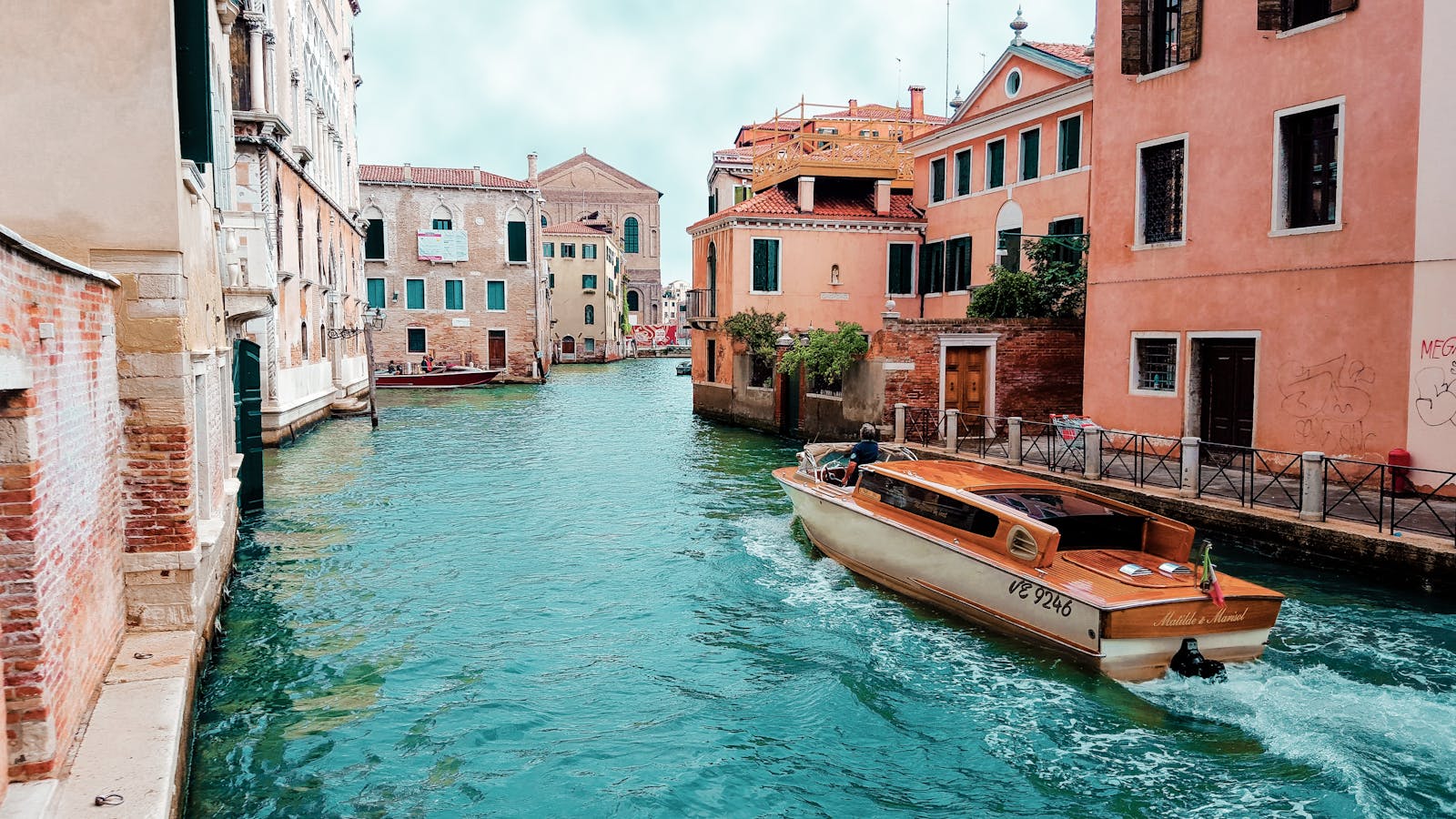
Eurovision Vienna 2026 – Quick Cost Snapshot
The table below summarises typical contest-week costs in May 2026, based on operator data published by Wiener Tourismus and the European Broadcasting Union.
| Item | Typical 2026 Cost | Notes |
|---|---|---|
| Stadthalle ticket (final) | €90 – €390 | Public sale Feb 2026 |
| 72h transit pass | €18.10 | Wiener Linien |
| 3-star hotel (Mariahilf) | €230 / night | Contest-week median |
| Sit-down dinner | €25 – €35 | Typical Beisl, no drinks |
| ETIAS authorisation | €20 | Free under 18 / over 70 |
| Schönbrunn ticket | €26 | Imperial Tour, online |
| CAT airport train | €15 one-way | 16 min, S7 cheaper |
Where to Stay During Eurovision in Vienna
As a result, districts 6 (Mariahilf) and 7 (Neubau) place you within a 10-minute walk of Stadthalle, with median April 2026 rates of €230 per night for a 3-star hotel. Therefore, district 1 (Innere Stadt) is more central but pricier, often above €380 per night during contest week. Consequently, budget travellers favour districts 15-16 (Rudolfsheim-Fünfhaus and Ottakring), where well-rated hostels remain under €60 per dorm bed even at peak.
However, short-term apartment platforms must comply with Vienna’s 2025 short-let law, which requires registration and limits non-primary rentals to 90 days a year. Indeed, that has reduced supply but improved listing legitimacy. In practice, before booking, verify the host has uploaded a registration number to the listing, since unregistered units have been forced to cancel at short notice during previous large events.
Vienna Sights and Day Trips Around Eurovision
Importantly, top sights for first-time visitors include Schönbrunn Palace, Stephansdom, Belvedere and the Naschmarkt, all reachable on foot or in a single transit zone. Notably, Schönbrunn’s timed-entry system means buying tickets online ahead of the day, since walk-in capacity sells out by 10:30 most contest days. For instance, the Vienna Albertina hosts a special Eurovision-themed exhibition between 8 May and 30 June.
On the other hand, day-trip options include Bratislava (1h by RJ train), the Wachau wine valley (1h15 by S-Bahn) and Lake Neusiedl (1h by REX). In particular, all three are inside Schengen and require no extra documentation if your ETIAS is valid. Above all, expect train fares of €15-30 each way, and book ÖBB tickets at least 7 days in advance for the cheapest Sparschiene rates.

Costs, Currency and Daily Budget
By contrast, Austria uses the euro, and contactless payments are universal: 95 per cent of cafes and restaurants accept Visa and Mastercard, while Maestro is gradually being phased out. Furthermore, ATM withdrawals at Erste Bank or Bank Austria avoid third-party fees, but airport ATMs can charge €5-7 per transaction. Moreover, US dollar exchange in Vienna runs at 0.92-0.94 EUR per USD in May 2026.
In addition, mid-range visitors should budget €180-250 per day during Eurovision week, including accommodation, meals, transit and one museum. As a result, that compares with €130-170 in a normal April week. Therefore, fan-zone snacks at Rathausplatz cost €4-9 per item, while a sit-down dinner at a typical Beisl runs €25-35 per person without drinks.
Safety, Health and Local Rules
Consequently, Vienna ranks among the safest large European cities in the 2026 Mercer Quality of Living index, but pickpockets cluster around U-Bahn lines U1 and U3 during major events. However, large bags are not permitted inside Stadthalle, and security checks add 25-40 minutes to door-opening times. Indeed, visitors carrying medication should have it in original packaging with a copy of the prescription, especially for controlled substances under Austrian law.
In practice, the European Health Insurance Card is not valid for non-EU citizens, so private travel insurance with a minimum €30,000 medical cover is required and must be uploaded as part of your ETIAS application proof if requested at the border. Importantly, English is widely spoken at venues, and Eurovision volunteers wear yellow lanyards in 18 official languages, including Mandarin, Spanish, Portuguese and Arabic.

Frequently Asked Questions
Do non-EU Eurovision fans need ETIAS to attend Vienna 2026?
Yes. Furthermore, all visa-exempt non-EU citizens travelling to Austria for Eurovision 2026 must hold an approved ETIAS before departure. The authorisation must be issued by the European Travel Information and Authorisation System and is checked at the airport, train station or land border. The €20 fee is paid online and is independent of your event ticket.
How early should I apply for ETIAS for the 2026 contest?
Apply at least four weeks before travel. Most authorisations are issued within minutes, but manual reviews may take up to 30 days. Late applications are the single biggest cause of cancelled trips during major events, according to Eurovision-week data published by national tourist boards in 2025.
Are there free public viewings if I don’t have a ticket?
Yes. The Eurovision Village at Rathausplatz and the second fan-zone at Heldenplatz host free big-screen viewings of every show. Both open from 9 May until the day after the final, and entry is on a first-come basis with bag checks at the gates.
Which Vienna airport is best for Eurovision visitors?
Vienna International Airport (VIE) is the only commercial airport, and it is 18 km south-east of the city. Bratislava Airport in Slovakia is occasionally cheaper, but it requires a 60-minute coach transfer. ETIAS holders are processed in the same lanes as EU citizens after EES enrolment.
Can I travel from Vienna to other Schengen cities during contest week?
Yes, freely. Once you are inside the Schengen Area, internal borders are open. Many fans combine Vienna with Bratislava, Salzburg, Munich or Budapest. Trains run every hour on the major routes, and ETIAS does not need to be re-stamped between countries.
How does the ETIAS exemption for residents of EU countries work?
Moreover, holders of a valid Schengen residence permit do not need ETIAS, even if their nationality otherwise requires it. The exemption also covers UK and Irish citizens, who continue to use their existing rights. Always travel with the permit card alongside the passport.
Are minors charged the €20 ETIAS fee?
In addition, applicants under 18 are exempt from the fee and so are those over 70. They still need to submit an application, and the fee waiver is applied automatically at checkout when the date of birth is entered correctly. There is no refund mechanism for fees paid in error.
Final Thoughts on Eurovision Vienna in 2026
Furthermore, planning Eurovision Vienna-related travel this May is mostly about timing your ETIAS submission, picking the right Schengen entry point and budgeting for predictable costs. Moreover, the European Commission’s 2026 reforms keep the system simple for visitors, and the data shows that approval rates remain above 98 per cent for first-time applicants who upload a valid passport copy. In addition, double-check your booking documents and travel insurance before departure, and use the official portal travel-europe.europa.eu for any application action.
Key resources and related guides
- ETIAS application step by step
- applying for ETIAS on a mobile phone
- ETIAS and an expiring passport
- ETIAS for family and group trips
- the criminal record section in ETIAS
- EES versus ETIAS
- the 90 in 180 days rule
- airport versus land border crossings
- ETIAS rules for cruise passengers
- visiting Andorra, Monaco and San Marino
- ETIAS refunds and withdrawals
- ETIAS for business versus tourism
- multi-country Schengen trip planning
- medical emergencies in the Schengen Area
- Official ETIAS portal (europa.eu)
- Entry/Exit System (ec.europa.eu)
 English
  Shqip
Shqip  العربية
  Français
  ქართული
  עִבְרִית
  简体中文
简体中文  香港中文
香港中文  繁體中文
繁體中文  Español
  Português do Brasil
  日本語
日本語  한국어
한국어  Bahasa Melayu
  Українська
  Română
  Српски језик
  Türkçe